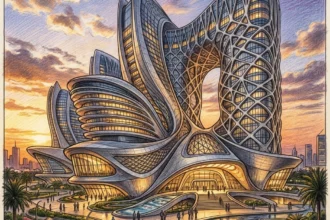
If you’ve ever stepped into a hotel lobby and felt an immediate sense of "I could live here," there’s a good chance you were standing in a space designed by Tara Bernerd.
At My Hotel Design, we talk a lot about what makes a space work. Is it the lighting? The furniture? The "vibe"? Usually, it's a mix of everything. But when it comes to the world of boutique hotel interior design, Tara Bernerd has written the playbook on how to blend high-end luxury with an approachable, residential feel.
With over 20 years of experience and a portfolio that reads like a "Best Hotels in the World" list: think Belmond, Rosewood, and Four Seasons: Bernerd has become a powerhouse in luxury hospitality design. In this guide, we’re doing a deep dive into her signature style, her most iconic projects, and the lessons you can take away to make your own hotel project a massive success.
Who is Tara Bernerd?
Based in London, Tara Bernerd is the founder of Tara Bernerd & Partners. She didn't just stumble into the hospitality world; she revolutionized it. Her big break came with The Hari London (formerly Belgraves), a project that showcased her ability to combine masculine, industrial elements with soft, welcoming textures.
Since then, she has become the go-to designer for owners who want their hotels to feel like a sophisticated home rather than a cold, corporate building. Her approach is rooted in "interior architecture," meaning she doesn't just pick out cushions: she looks at the bones of the building first.
The Bernerd DNA: A Masterclass in Boutique Hotel Interior Design
What makes a "Tara Bernerd" room? It’s not just one specific look. Instead, it’s a feeling. Here are the core principles that define her work and why they are essential for anyone looking to succeed in the hospitality industry today.
1. A Sense of Place
One of the biggest mistakes in hotel design is "anywhere-ism": when a hotel in Tokyo looks exactly like a hotel in New York. Bernerd avoids this at all costs. Her foundational principle is that interiors must feel connected to their surroundings.
She spends a significant amount of time researching the local culture, history, and even the climate of a project's location. This research forms the "Design DNA." If she’s designing a hotel in Mexico, you’ll see local stone and Mayan-inspired geometry. If it’s Los Angeles, you’ll see a nod to the city’s mid-century modern roots and its bright, airy energy.
2. The Layered Sensory Experience
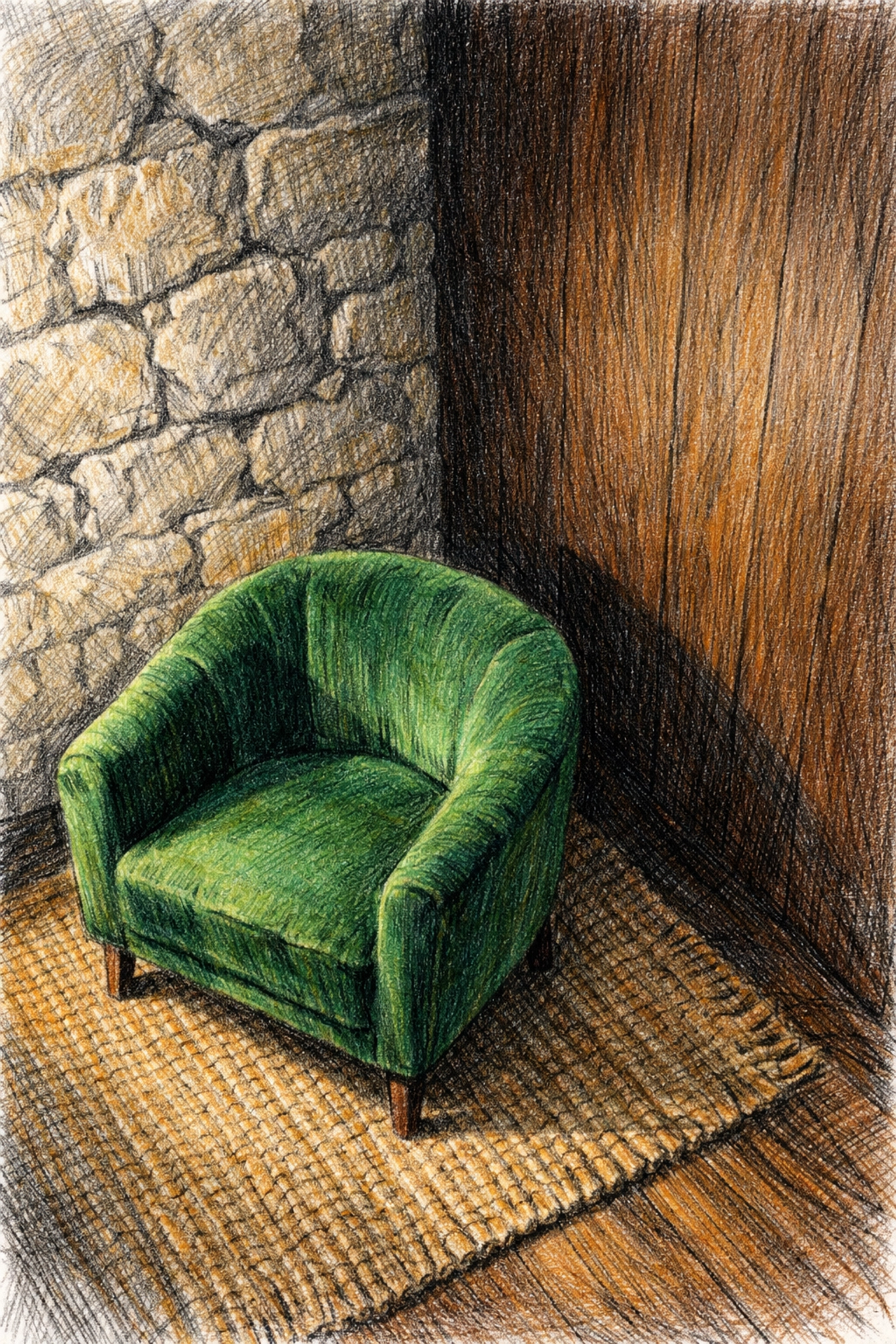
Bernerd doesn't believe in flat designs. She builds "layers." This means mixing different materials to create a rich, multi-dimensional environment.
- Texture: Combining smooth stone with rough-hewn wood.
- Color: Using a palette that reflects the local environment but adds a touch of unexpected "pop."
- Materials: Utilizing tiles, fabrics, and natural elements like clay to influence how a guest feels the moment they walk in.
3. Layout is King
For Bernerd, the layout is the starting point of every design. You can have the most expensive velvet sofa in the world, but if the guest has to walk in a weird circle to get to the elevators, the design has failed.
She prioritizes the "customer journey." This means thinking about the entire experience from the moment a guest arrives at the valet to the moment they close their eyes in bed. She ensures that the flow is intuitive and that moments of "surprise and delight": like a perfectly placed piece of art or a hidden nook for a cocktail: are integrated into the functional layout.
Iconic Projects and Their Influence
To truly understand Bernerd’s impact on luxury hospitality design, we have to look at the work. These three projects highlight her versatility and her commitment to creating unique identities for every property.
The Hari (London & Hong Kong)
The Hari is perhaps the most famous example of Bernerd’s "industrial chic" aesthetic. In London, she used a mix of textured wallpapers, plush velvets, and sleek wood to create a space that feels like a private members' club.
When she took the brand to Hong Kong, she didn't just copy-paste the London design. Instead, she infused it with the energy and dynamism of the city while keeping the core DNA: the "home away from home" feeling: intact. This project proved that a boutique hotel brand could have a consistent soul while still honoring its local neighborhood.
Maroma, A Belmond Hotel (Riviera Maya, Mexico)
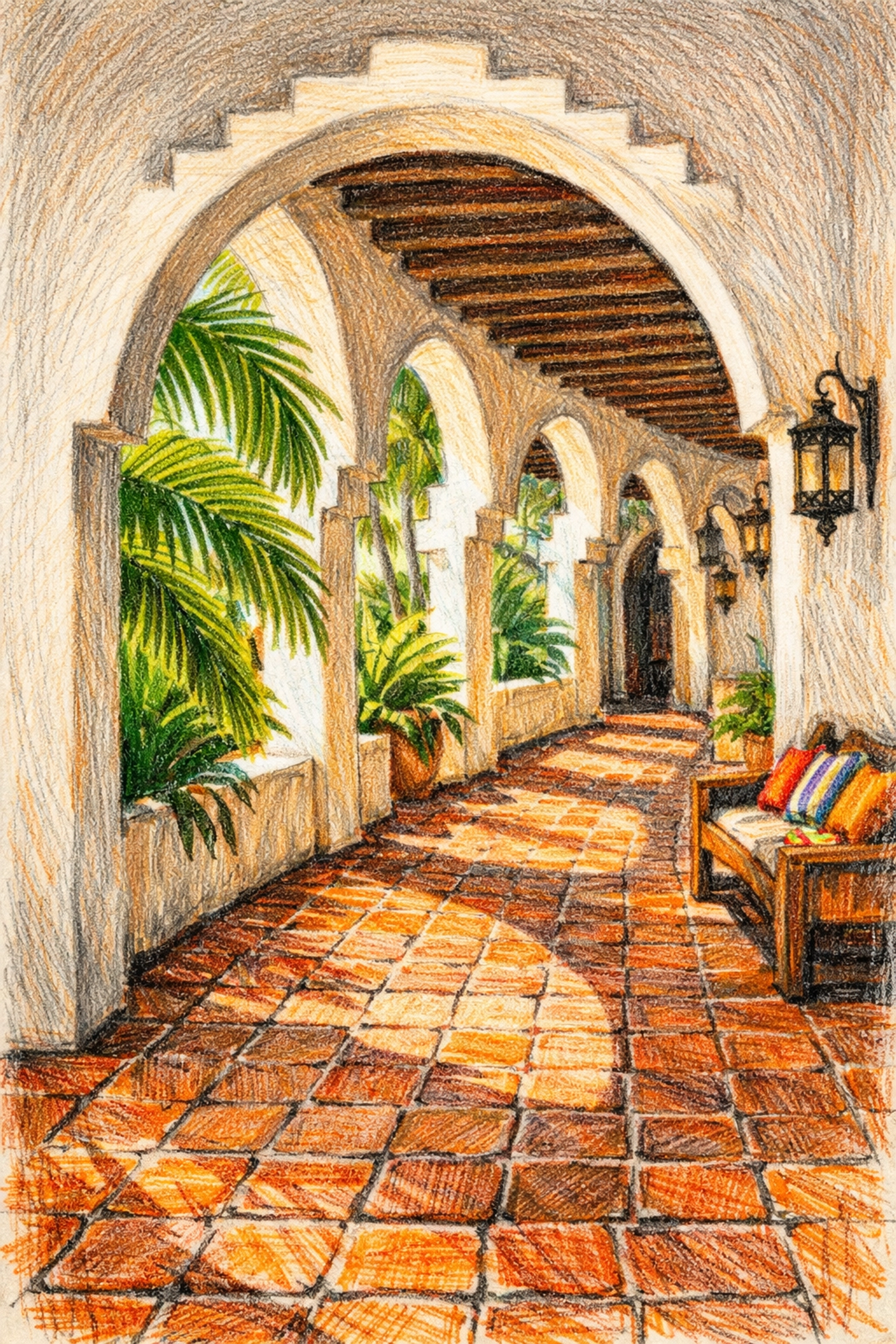
At Maroma, Bernerd took a different approach. Working with a legendary property in a sacred location, she focused on sustainable hotel architecture and traditional craftsmanship.
She collaborated with local Mexican artisans to create bespoke curved furniture and ornaments. The design was informed by the hacienda-style architecture and Mayan geometry. By using local materials and talent, the project didn't just look Mexican; it felt authentically rooted in the soil of the Riviera Maya. This is a perfect example of how luxury design can be sustainable by supporting local economies and preserving traditional skills.
Conrad Los Angeles
Located inside the Frank Gehry-designed "The Grand" complex, this project required Bernerd to work alongside one of the world's most famous architects. Her challenge was to create interiors that could stand up to Gehry’s bold exterior without feeling overwhelmed.
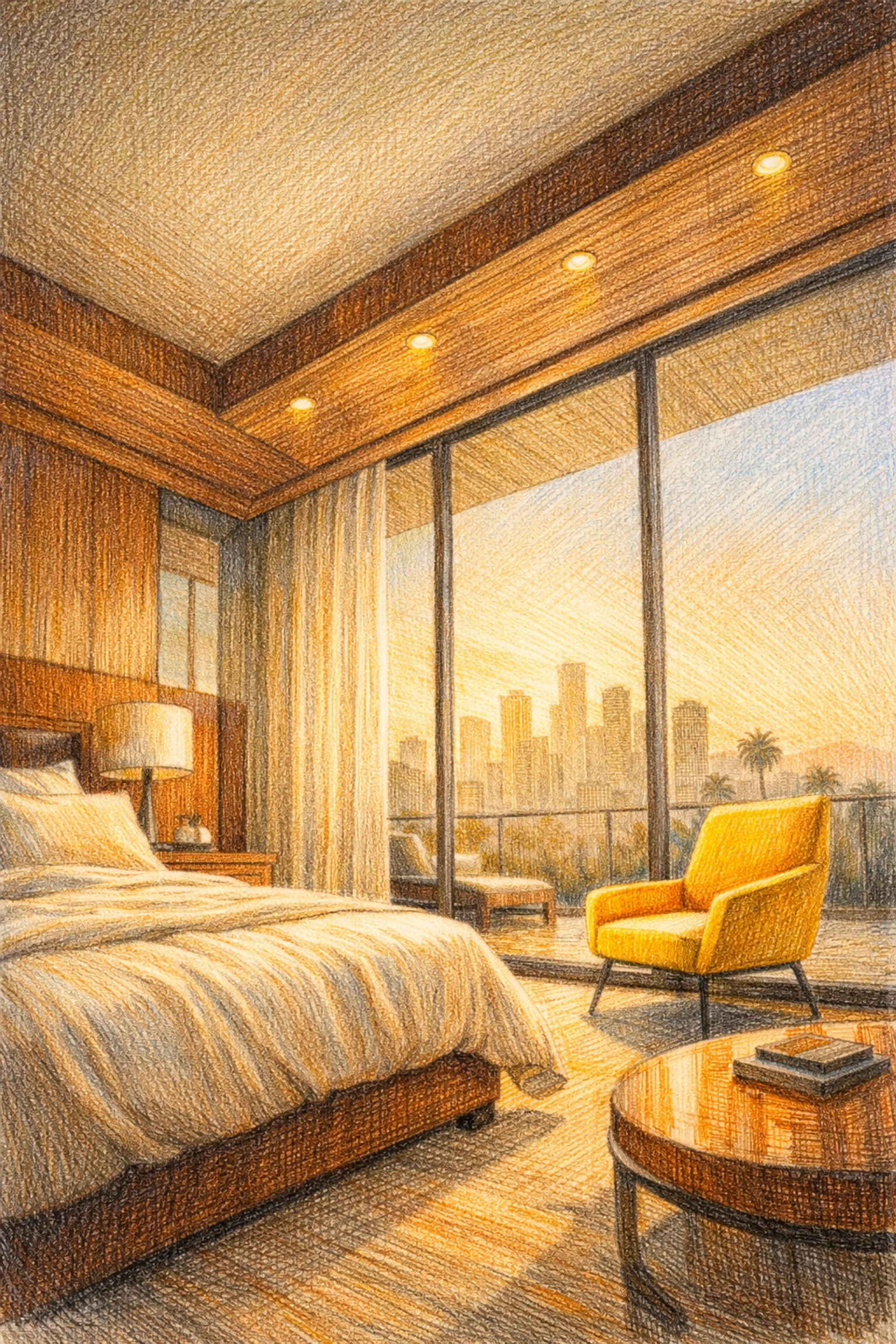
The result is a space that feels like a chic, relaxed L.A. penthouse. She used a palette of sun-drenched yellows, soft linens, and warm woods to create a "laid-back luxury" vibe that feels perfectly at home in Southern California.
Why Sustainability Matters in Her Design
In 2026, you can’t talk about world-class design without talking about sustainability. While Bernerd’s work is undeniably luxurious, it leans heavily into the principles of sustainable hotel architecture.
Sustainability in her world isn't just about solar panels (though those are great). It’s about durability. She believes that good hotel design should stand the test of time. By using high-quality natural materials and smart layouts, she creates spaces that don't need to be ripped out and renovated every five years.
Furthermore, her commitment to working with local artisans reduces the carbon footprint of shipping furniture across the globe and ensures that the hotel contributes positively to the local community. This "slow design" approach is exactly what modern travelers are looking for: they want luxury that has a conscience.
How to Apply Tara Bernerd’s Principles to Your Hotel
You don't need a multi-million dollar budget to take a page out of Bernerd’s book. Here is how you can succeed in boutique hotel interior design by following her lead:
1. Define Your Story First
Before you buy a single chair, ask yourself: What is the story of this building? Is it an old warehouse? A coastal retreat? A mountain lodge? Every design choice you make should support that story. If your hotel is in a historic district, don't try to make it look like a futuristic spaceship. Lean into the history.
2. Focus on the "Lobby-to-Room" Transition
Many hotels have a stunning lobby but disappointing rooms. Bernerd ensures a seamless transition. The guest should feel the same level of care and design intensity in their private room as they do in the public spaces. Use consistent materials: like the same type of wood or a similar color palette: to tie the whole experience together.
3. Invest in Texture
If your budget is tight, skip the expensive art and invest in textures. A mix of linen, leather, and wood can make a room feel expensive even if the furniture itself is simple. It’s the "tactile" experience that guests remember. They might not remember the brand of the lamp, but they will remember the way the rug felt under their feet or the weight of the curtains.
4. Create "Residential" Moments
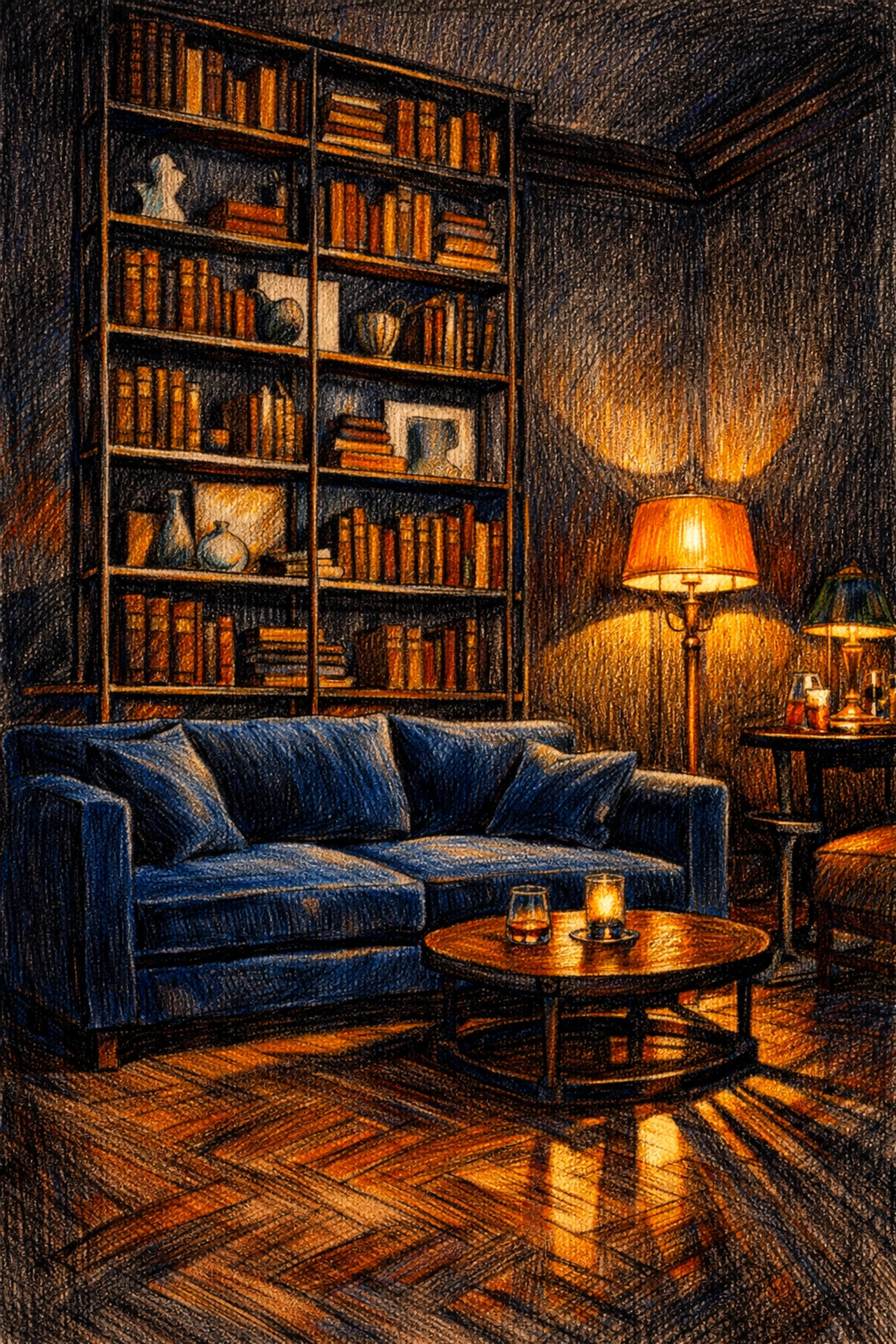
People stay in hotels because they want to go somewhere else, but they come back because they felt "at home." Add bookshelves with real books. Use floor lamps instead of just harsh overhead lighting. Create seating arrangements that encourage conversation rather than just staring at a TV. These small touches create the "laid-back luxury" Bernerd is famous for.
5. Work with Local Talent
Look around your neighborhood. Are there local potters? Woodworkers? Artists? Incorporating local craft into your design adds an authenticity that money can't buy. It gives your guests something to talk about and connects your hotel to the community.
The Future of Luxury Hospitality Design
As we look toward the future of the industry, Tara Bernerd’s influence is only growing. Travelers are moving away from standardized luxury. They don't want the "gold-plated everything" look of the 90s. They want spaces that feel human, emotional, and authentic.
Bernerd has shown the industry that you can be world-class without being cold. You can be luxurious without being formal. By focusing on the psychology of materials, the flow of the guest journey, and a deep respect for local culture, she has set a new standard for what a boutique hotel can be.
At My Hotel Design, we believe that the best hotels are the ones that tell a story. Whether you are building a 10-room boutique inn or a 200-room luxury resort, the lesson from Tara Bernerd is clear: start with the bones, honor the location, and always design with the guest’s emotions in mind.
Are you looking to redefine your hotel's interior? Take inspiration from the masters, but don't be afraid to find your own unique DNA. After all, that’s exactly what Tara Bernerd would do.