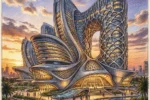
If you’ve ever walked into a building and felt like you were stepping into the future: or perhaps a sci-fi movie: there’s a good chance you were standing in a creation by Zaha Hadid Architects (ZHA).
At My Hotel Design, we’re constantly looking for inspiration that pushes the boundaries of what a guest experience can be. When it comes to modern hotel architecture, no one has pushed those boundaries further than the "Queen of the Curve," the late Dame Zaha Hadid, and her firm.
In this guide, we’re going to deep-dive into the world of ZHA. We’ll look at how they’ve redefined luxury hospitality design, their innovative approach to sustainable hotel architecture, and what you can learn from them to level up your own boutique hotel interior design projects.
The ZHA Philosophy: More Than Just Curves
Before we look at the buildings, we have to understand the mindset. Zaha Hadid didn’t just want to build hotels; she wanted to create "liquid" spaces.
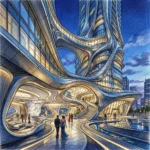
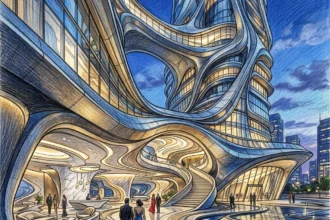
For decades, architecture was stuck in a world of boxes. ZHA broke those boxes. Their signature style is rooted in Parametricism. That sounds like a fancy word, but it basically means using advanced computer algorithms to create complex, fluid shapes that mimic nature rather than rigid geometric forms.
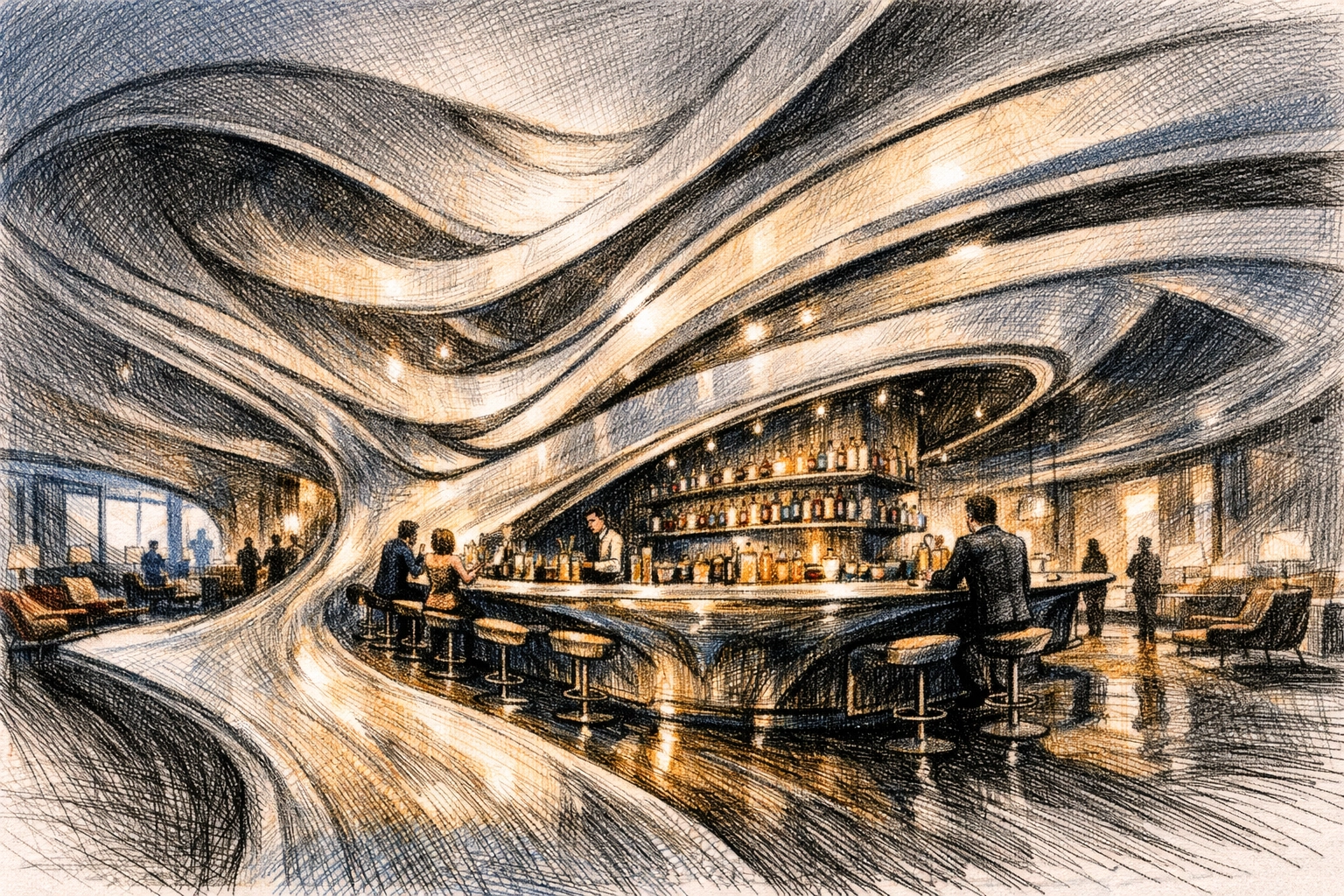
In the world of hotels, this translates to a seamless flow. Instead of a lobby being a separate room from the bar, and the bar being separate from the elevators, ZHA designs spaces where everything melts into each other. It’s about movement, energy, and a sense of discovery for the guest.
Landmark Projects: Redefining the Skyline
To understand how to succeed in modern hotel architecture, you have to look at the masterpieces. ZHA has a portfolio that looks like a dream, but three specific projects stand out for their impact on the hospitality industry.
1. The Morpheus Hotel, Macau: The World’s First Free-Form Exoskeleton
Completed in 2018, the Morpheus is a masterclass in luxury hospitality design. It’s part of the "City of Dreams" resort, and it looks like nothing else on Earth.
What makes it a game-changer?
- The Exoskeleton: Instead of having bulky columns inside the hotel that eat up floor space and block views, ZHA put the support structure on the outside. This "exoskeleton" is a mesh of steel that supports the entire building.
- The Voids: The building features three massive holes (voids) carved through its center. These aren’t just for looks; they create "urban windows" that connect the interior communal spaces with the city outside.
- The Guest Experience: Because there are no internal walls, the 770 guest rooms and sky villas feel incredibly open. It allows for a level of floor plan flexibility that most hotel owners can only dream of.
2. The Opus, Dubai: Solid Meets Void
The Opus is a landmark for a very special reason: it is the only hotel in the world where Zaha Hadid personally designed both the architecture and the interiors.
For anyone interested in boutique hotel interior design, the ME Dubai hotel inside The Opus is the ultimate case study. Hadid explored the balance between solid and void. The building is essentially a cube with a massive, fluid hole carved out of the middle.
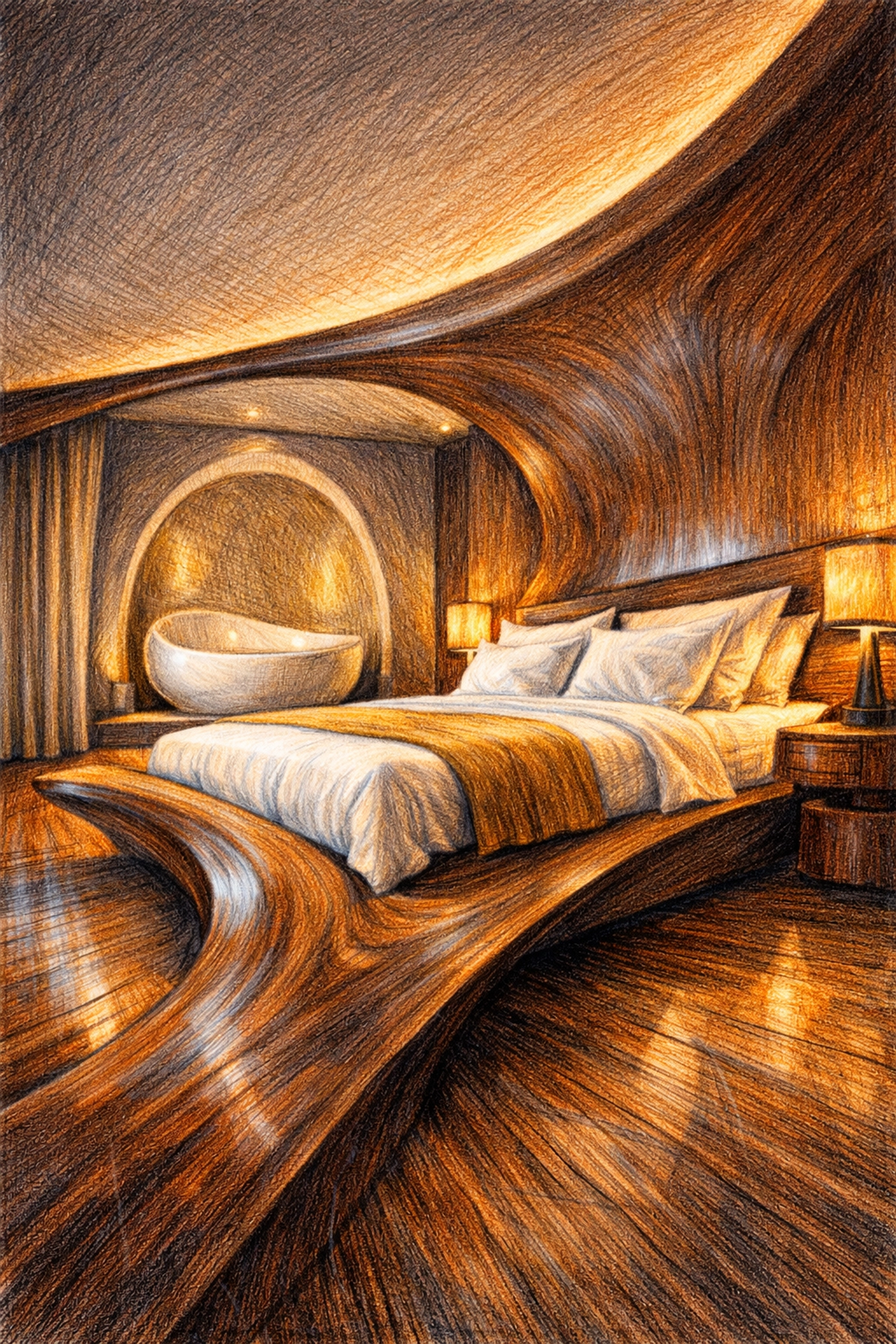
Inside, the furniture feels like it’s growing out of the floor. The beds, the bathtubs, and the sinks all follow that same "liquid" logic. It shows that great design isn't just about the building's shell: it’s about a cohesive vision that follows the guest all the way into their room.
3. The Vertex Hotel, Okinawa: A Leap Toward Sustainable Hotel Architecture
While ZHA is known for futuristic aesthetics, they are also pioneers in sustainable hotel architecture. The Vertex Hotel in Okinawa is a perfect example of how high-tech design can respect the environment.
Rather than flattening the land, the Vertex is designed as a floating structure, elevated 21 feet above the high-water line. This protects the building from typhoons while minimizing the impact on the local ecosystem.
ZHA used year-long digital modeling to study:
- Wind patterns and humidity.
- Solar exposure (to keep the building cool naturally).
- Rainfall patterns.
The result? A hotel that breathes with its environment rather than fighting against it. They even used local Okinawa pine and limestone, proving that "modern" doesn't have to mean "artificial."
3 Lessons for Your Boutique Hotel Interior Design
You might be thinking, "Robert, I don't have a billion-dollar budget to build a steel exoskeleton."
I hear you. But the brilliance of ZHA isn't just in the budget; it's in the principles. Here is how you can apply their "Modern Hotel" secrets to a boutique project:
1. Focus on the Flow (The "Promenade Architecturale")
In a ZHA design, you don't just "arrive" at a room; you journey toward it. In your own design, think about how the guest moves from the entrance to the reception. Can you use curved lighting or floor patterns to guide them? Avoid "dead ends" in your floor plan. Create a sense of continuity.
2. The "Solid and Void" Concept
You can play with light and shadow even in a small space. Use cut-outs in walls, open shelving, or glass partitions to create "voids." This makes small boutique hotels feel much larger and more intriguing. It’s about what you don't fill as much as what you do.
3. Integrated Furniture
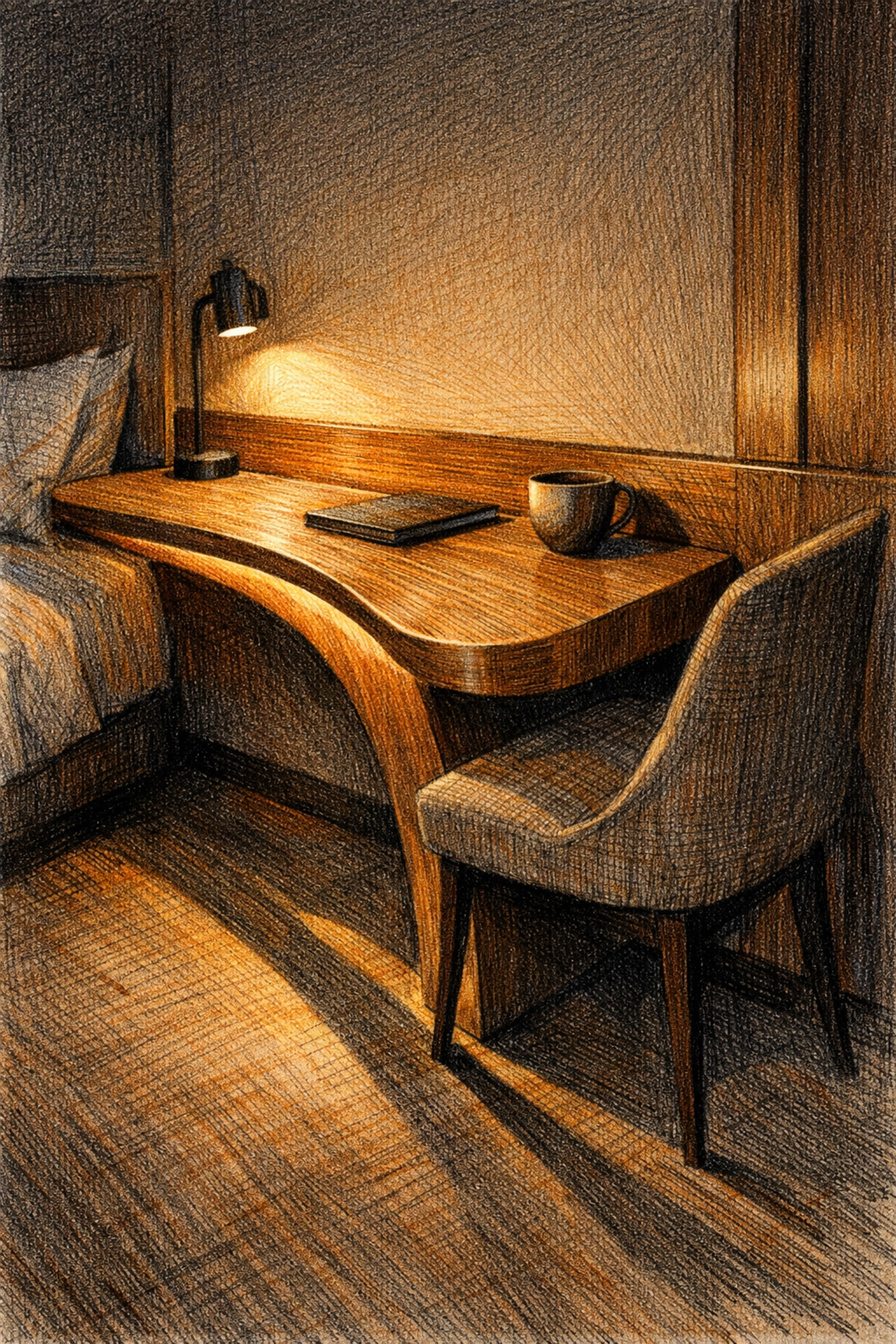
ZHA often designs furniture that feels like an extension of the architecture. In a boutique setting, you can achieve this with custom-built joinery. Instead of a standalone desk, have a work surface that curves off the wall. It creates a high-end, custom feel that guests love and remember.
Why Sustainable Hotel Architecture is the Future
As we look toward 2026 and beyond, sustainability isn't just a "nice to have": it’s a requirement. Zaha Hadid Architects has shown that you don’t have to sacrifice style to be green.
Their use of parametric modeling allows them to calculate exactly how much material is needed, reducing waste during construction. They also design "smart envelopes": building skins that react to the sun to reduce the need for air conditioning.
In luxury hospitality, guests are increasingly looking for "guilt-free" luxury. They want the high-end finishes and the stunning views, but they also want to know the hotel isn't destroying the local habitat. By adopting ZHA’s data-driven approach to site analysis, developers can build hotels that are more efficient and more profitable in the long run.
The Impact on Luxury Hospitality Design
The influence of ZHA has changed what "luxury" means. It used to mean gold leaf and heavy marble. Now, luxury is defined by space, light, and uniqueness.
Modern guests are looking for an "Instagrammable" moment, but more importantly, they are looking for an experience they can't get anywhere else. ZHA projects provide that by being "sculptures you can live in."
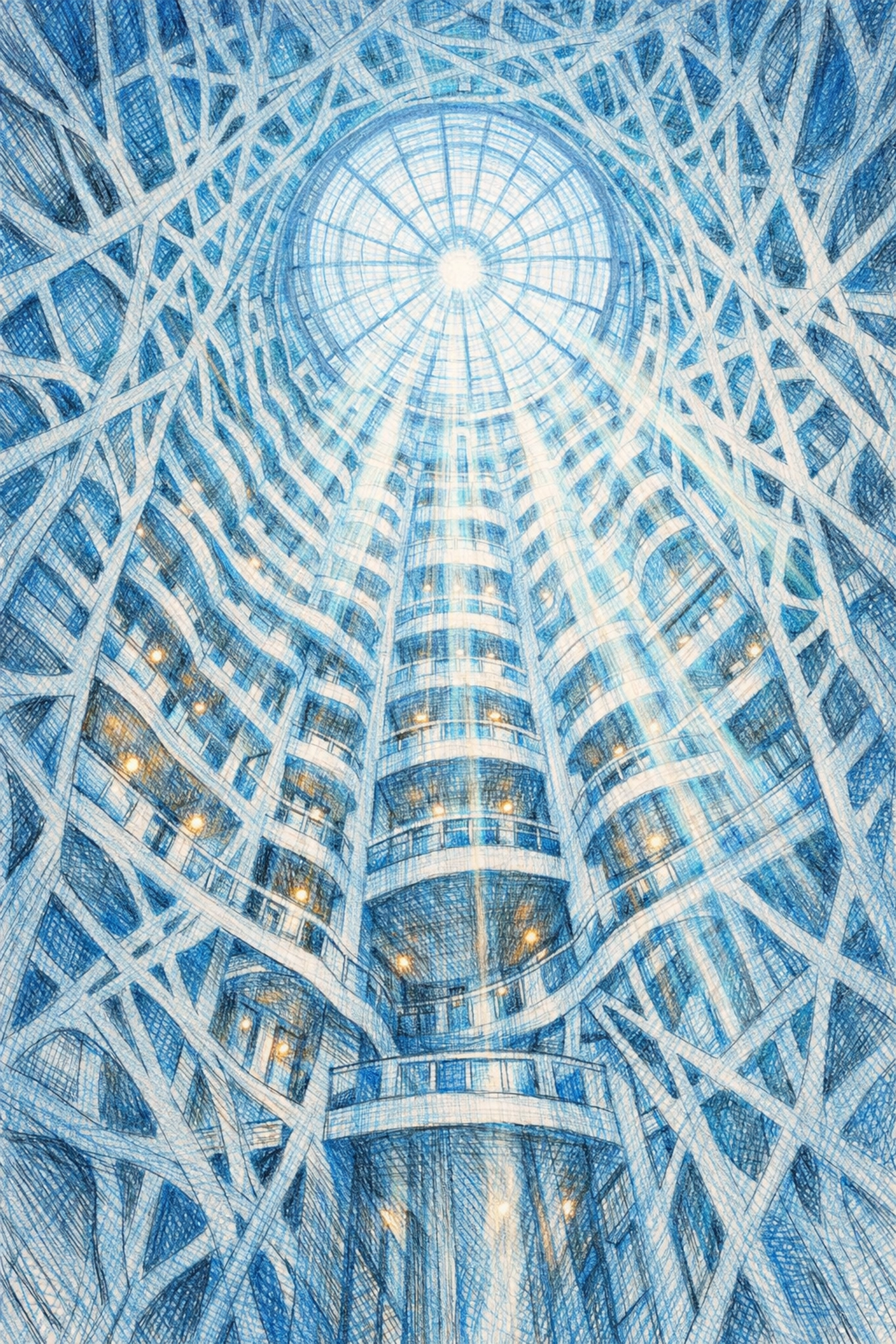
When you are planning your next project, ask yourself: Is this space just functional, or is it emotional? Luxury today is emotional. It’s about the feeling of awe when you look up at a soaring atrium or the sense of calm in a perfectly balanced, fluid guest suite.
Final Thoughts: The Hadid Legacy
Zaha Hadid Architects continues to push the envelope. They've shown us that architecture can be art, and that hotels can be more than just a place to sleep: they can be destinations in their own right.
Whether you're building a 500-room resort in Macau or a 20-room boutique hideaway in the mountains, the lessons from ZHA are clear:
- Don't be afraid to innovate. The "standard" way of doing things is usually the boring way.
- Respect the site. Use technology to understand the wind, the sun, and the land.
- Create a total vision. The interior should speak the same language as the exterior.
At My Hotel Design, we believe that great architecture is the foundation of a great business. If you take even a fraction of the boldness found in a ZHA project and apply it to your work, you're already ahead of the curve.
Ready to start your journey into modern hotel architecture? Stay bold, keep dreaming, and let's build something iconic.
: Robert Rupp, Founder, My Hotel Design