Hey there, it’s Robert Rupp, founder of My Hotel Design. If you’ve spent even five minutes looking at the world’s most stunning hotels lately, you’ve probably seen the work of Andre Fu.
When people ask me who’s currently defining the "look" of modern high-end travel, his name is always at the top of the list. He’s not just an architect or an interior designer; he’s a storyteller who has completely flipped the script on what luxury hospitality design actually feels like.
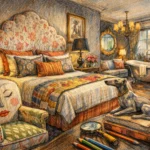
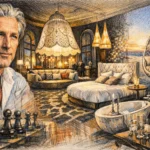
Forget the gold-plated faucets and the stuffy, velvet-roped lobbies of the past. Andre Fu is the king of "relaxed luxury." He creates spaces where you feel equally comfortable in a tuxedo or a pair of slippers. In this guide, we’re going to dive deep into his philosophy, his most iconic projects, and why his approach is the ultimate blueprint for anyone interested in boutique hotel interior design.
Who is Andre Fu?
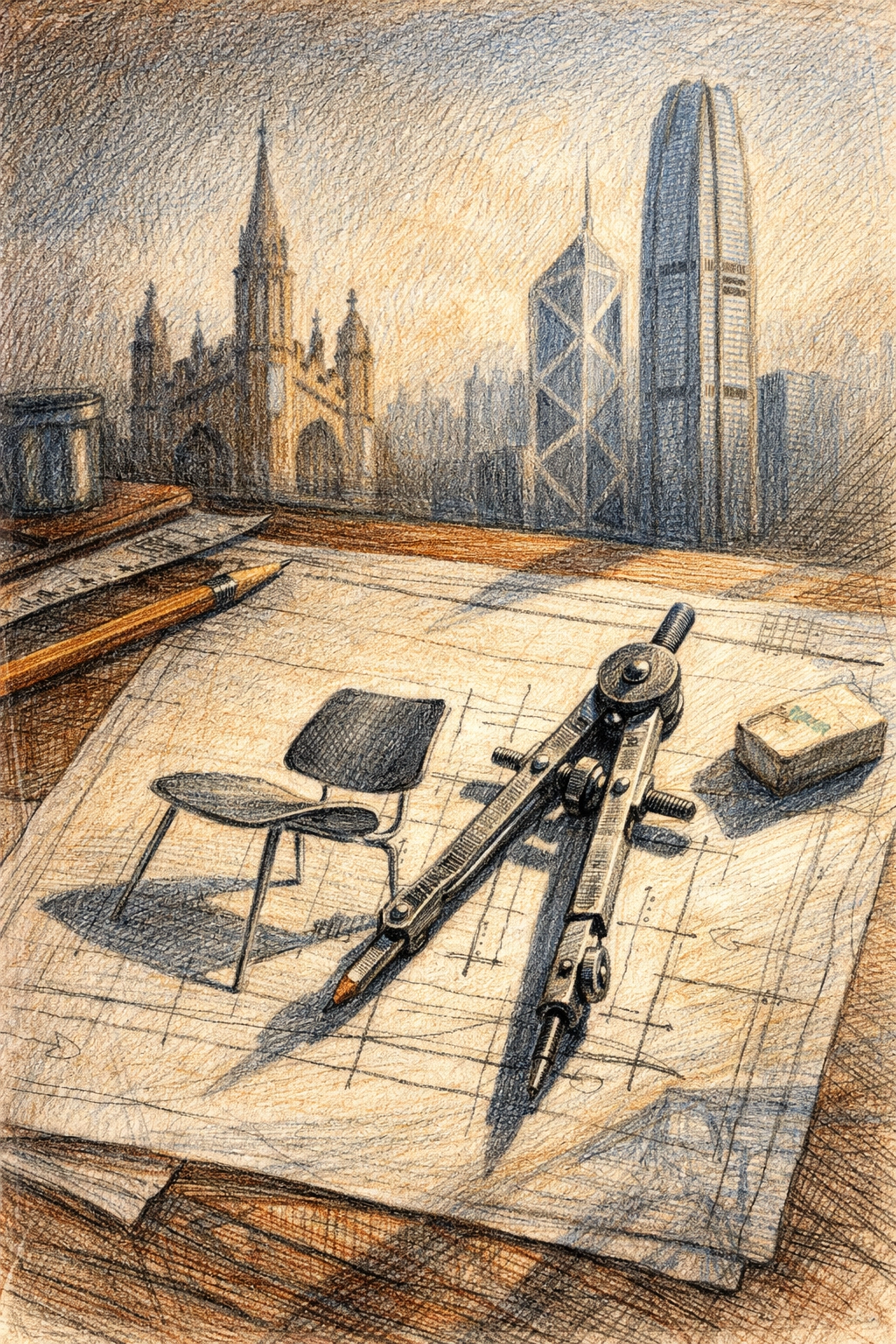
Born in Hong Kong and educated at Cambridge University in England, Andre Fu has a background that perfectly mirrors his design style: a seamless blend of East and West. He spent his formative years in the UK, eventually working under the legendary minimalist John Pawson.
In 2000, he founded his own studio, AFSO (now Andre Fu Studio). For nearly a decade, he worked on high-end residential projects and restaurants, but it wasn’t until 2009 that he truly exploded onto the international scene. That was the year he completed The Upper House in Hong Kong: a project that changed the industry forever.
Today, he is widely considered Asia’s most influential designer. Whether he’s working on a penthouse in London or a historic hotel in Kyoto, his touch is unmistakable.
The Philosophy of "Relaxed Luxury"
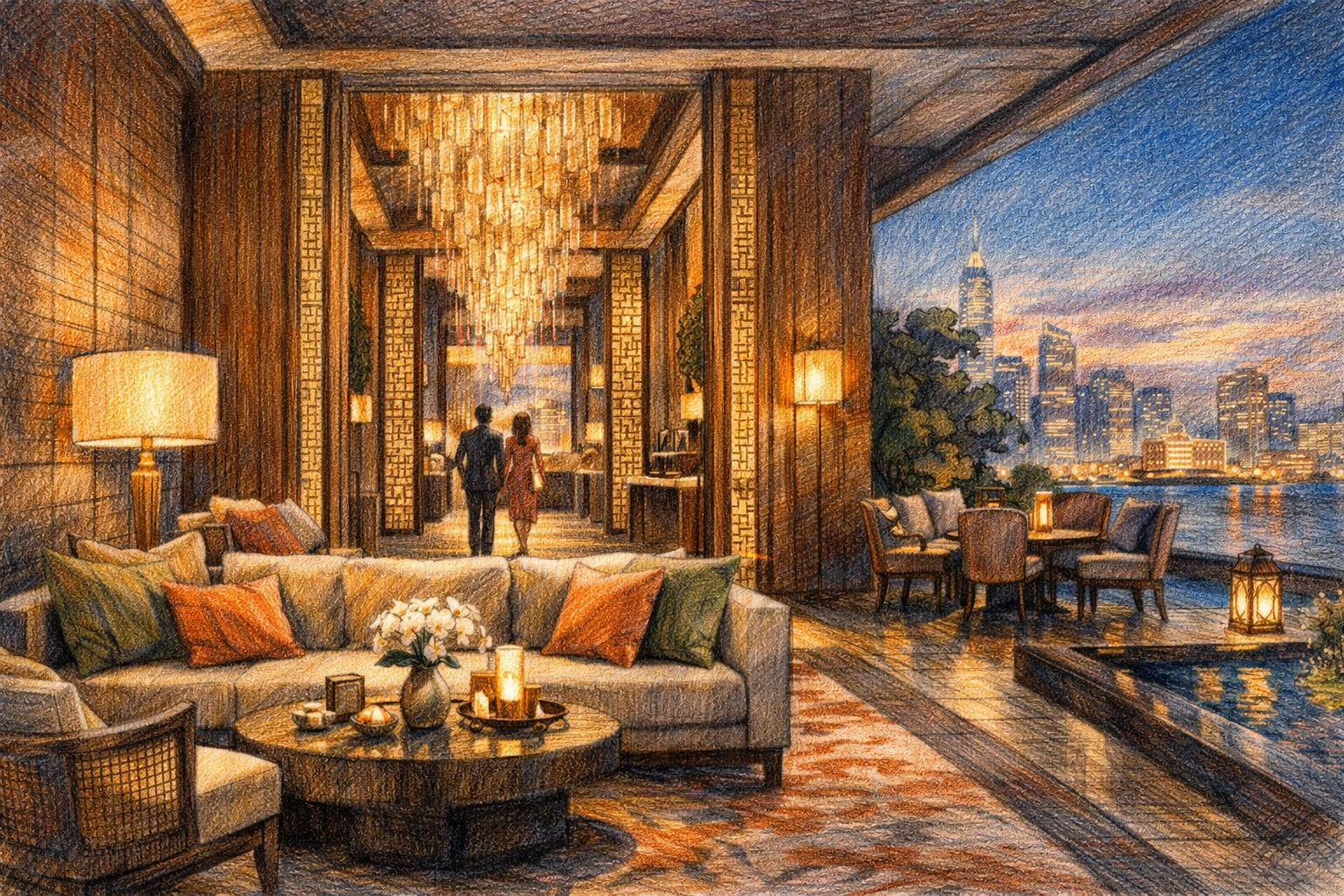
So, what makes an Andre Fu room look like an Andre Fu room? It’s a specific vibe he calls "relaxed luxury."
For a long time, luxury meant "more." More patterns, more colors, more expensive stuff crammed into a room. Fu went the opposite direction. His work is grounded in comfort-forward minimalism. He believes that true luxury isn't about showing off; it's about how a space makes you feel.
1. Comfort is King
In Fu’s world, if a chair looks beautiful but is uncomfortable to sit in, it’s a failure. Every material: from the hand-tufted rugs to the brushed oaks: is chosen because it feels good to the touch. This focus on the "human experience" is what sets his work apart in the world of luxury hospitality design.
2. A New Take on "East Meets West"
We’ve all seen the "East meets West" cliché where a designer just throws a Buddha statue in a modern room. Fu hates that. Instead, he looks at the principles of both cultures. He takes the European eye for proportions and combines it with the Asian dedication to craftsmanship and balance. It’s subtle, sophisticated, and way more interesting than a themed room.
3. Sense of Place
One of Fu’s biggest strengths is his ability to make a hotel feel like it belongs in its city. He doesn't have a "cookie-cutter" style. A project in Osaka looks and feels entirely different from a project in London, yet both carry his signature DNA of calm and refinement.
The Breakthrough: The Upper House, Hong Kong
You can’t talk about Andre Fu without talking about The Upper House. When Swire Hotels hired him, he was a young designer with a tiny team and zero experience designing a full hotel. It was a massive gamble: and it paid off in a big way.
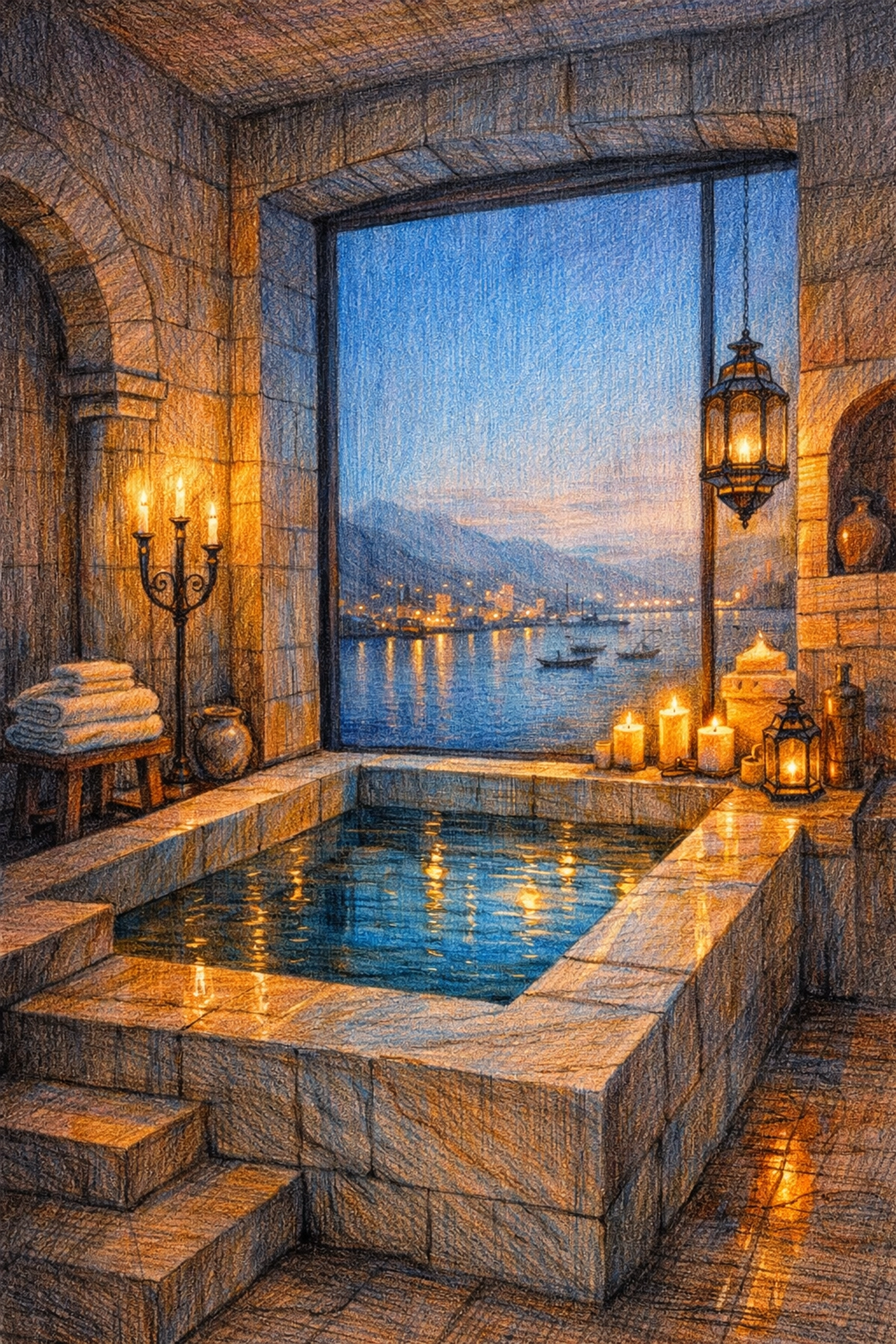
The Upper House redefined boutique hotel interior design. Instead of a massive, bustling lobby, guests are whisked up to a serene, residential-style sanctuary. The rooms are huge, featuring "monastic" bathrooms that feel like private spas. It proved that travelers didn't want a lobby that felt like a train station; they wanted a place that felt like a very, very nice home.
Key Projects That Defined His Career
While The Upper House was the launchpad, Fu has spent the last 15 years building an incredible portfolio. Here are a few standouts:
St. Regis Hong Kong
If The Upper House was about minimalism, the St. Regis was about "curated glamour." Fu took the heritage of the St. Regis brand and filtered it through his Hong Kong lens. He used green lacquer, traditional gas lamps, and soaring ceilings to create a space that feels grand but never intimidating.
Hotel The Mitsui Kyoto
This project is a masterclass in respecting history while embracing the future. Built on the site of a 300-year-old residence, Fu managed to weave modern luxury into a site filled with ancient gardens and heritage gates. It’s a great example of how sustainable hotel architecture can be achieved by preserving the soul of a site rather than tearing it down and starting over.
Claridge’s, London
Designing for Claridge’s is like being asked to paint the Sistine Chapel of hotels. Fu was brought in to design the spa and a new penthouse suite. He managed to bring his "relaxed luxury" to Mayfair without clashing with the hotel’s legendary Art Deco history.
Influence on Sustainable Hotel Architecture
While Fu is primarily known for interiors, his approach has deep implications for sustainable hotel architecture. Sustainability in luxury design isn't just about solar panels (though those are great). It’s about longevity.
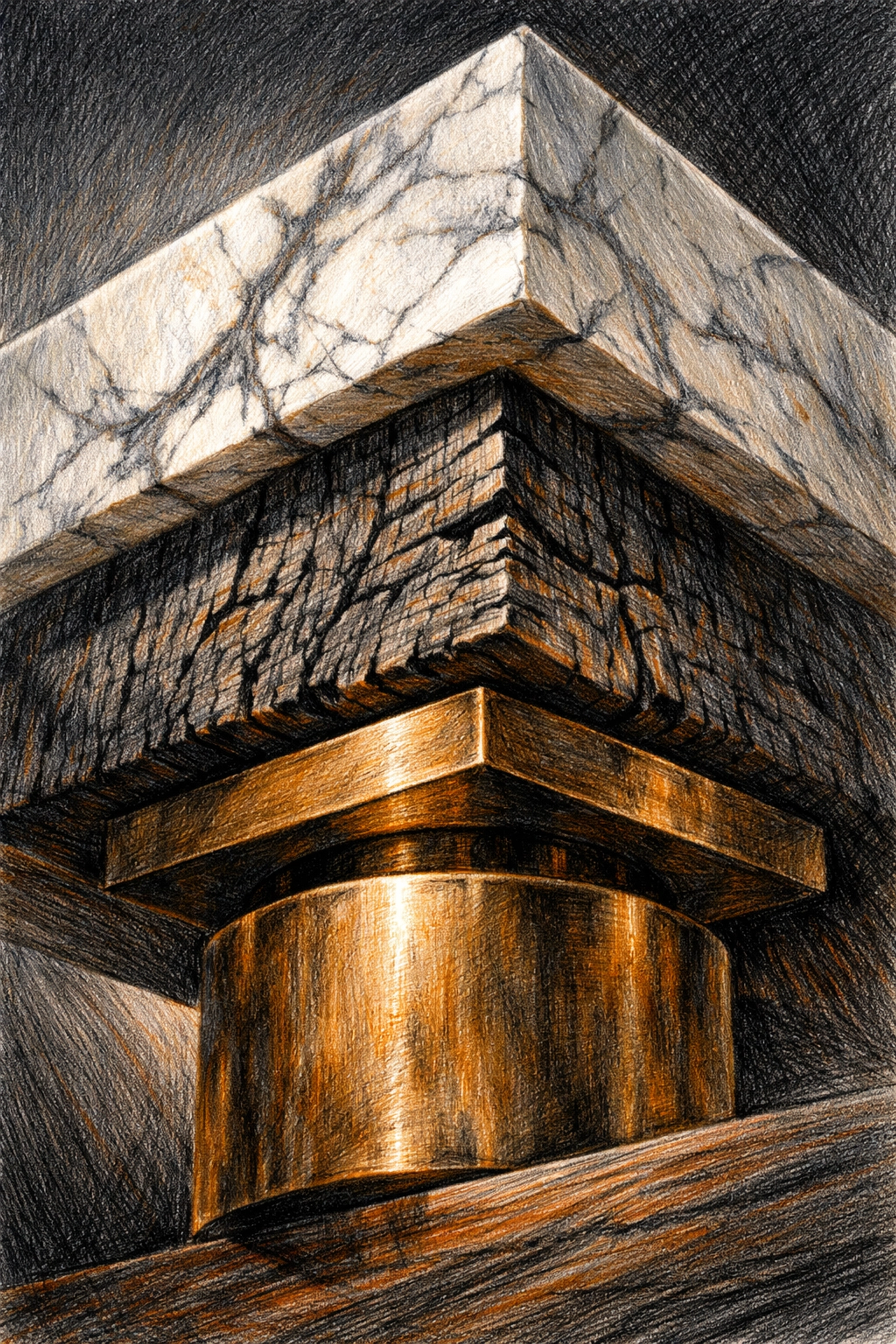
Fu’s designs are built to last. He uses high-quality, natural materials like stone, wood, and bronze that age beautifully. By avoiding "trendy" aesthetics that look dated after three years, he creates spaces that don't need to be ripped out and renovated every decade. This "slow design" approach is one of the most sustainable things a designer can do.
Beyond the Hotel: Andre Fu Living
In 2015, Fu realized that people wanted to take a piece of his hotels home with them. He launched Andre Fu Living (AFL), a lifestyle brand that sells everything from furniture and lighting to fragrance and tableware.
He’s even collaborated with Louis Vuitton on their Objets Nomades collection. This crossover between hospitality, fashion, and product design shows just how far his influence reaches. He isn't just designing rooms; he’s designing a lifestyle.
Why Hotel Owners Should Care
If you’re a hotel owner or an aspiring designer, Andre Fu’s success offers a few massive lessons:
- Identity Matters: Don't try to be everything to everyone. Fu’s commitment to his specific aesthetic is why people seek him out.
- Focus on the Journey: He views a hotel stay as a sequence of experiences: from the moment you step out of the car to the moment you sink into the bathtub.
- Quality Over Flash: People might come for the "wow" factor of a flashy lobby, but they return for the comfort of a well-designed room.
Final Thoughts
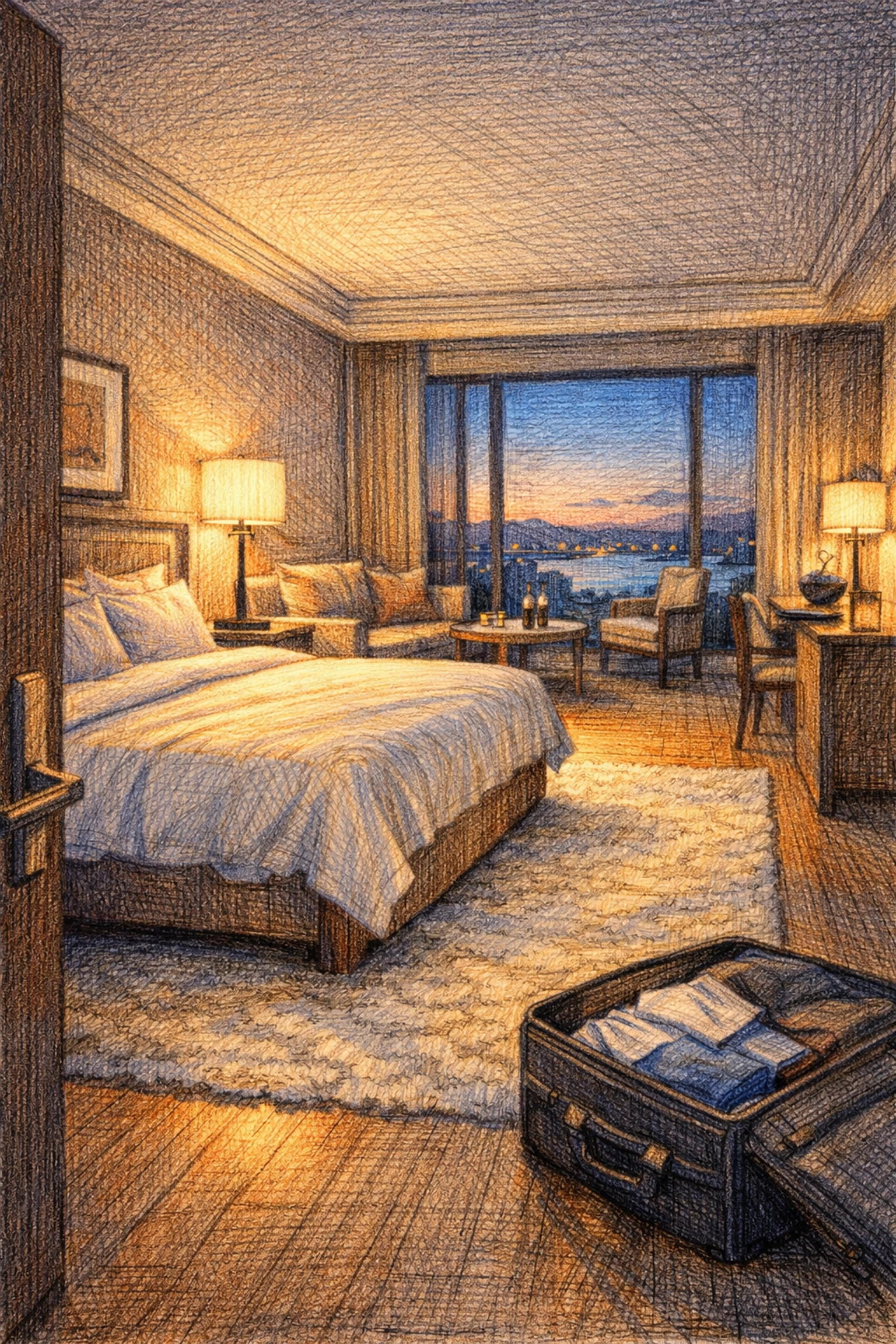
Andre Fu has managed to do something very difficult: he made "modern" feel "warm." He took the cold edges of minimalism and softened them with the best materials and a deep understanding of human comfort.
As we look toward the future of the hospitality industry, the demand for boutique hotel interior design that feels personal, authentic, and "relaxed" is only going to grow. Fu didn't just follow a trend; he created the standard that everyone else is now trying to reach.
Whether you're designing a 10-room boutique inn or a 500-room luxury resort, there is so much to learn from his precision and his passion for the "quiet" side of luxury.
What do you think? Is the "relaxed luxury" look here to stay, or are you craving a return to more opulent, maximalist designs? Let me know: I’m always up for a good design debate.
Catch you in the next post,
Robert Rupp
Founder, My Hotel Design