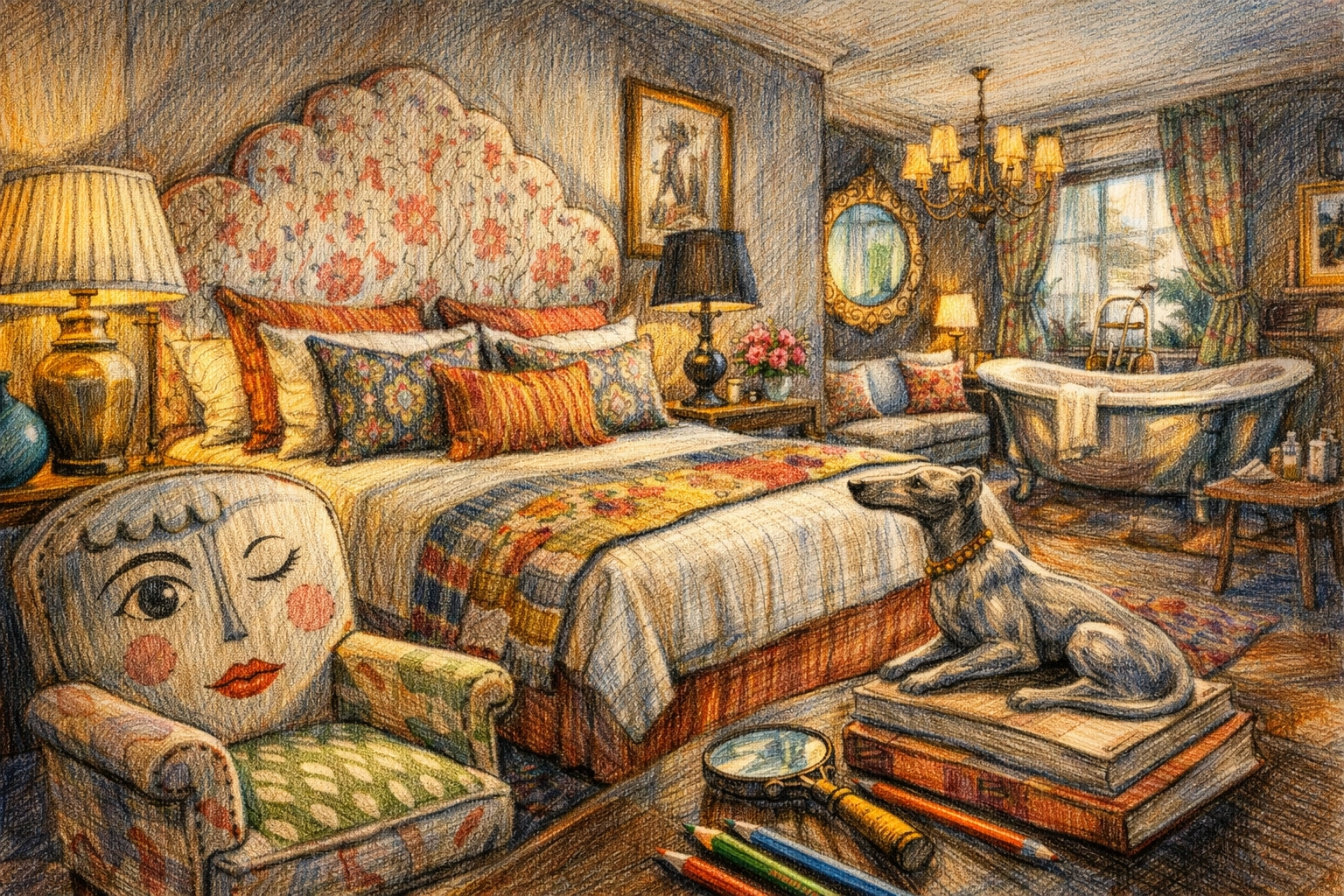
If you’ve ever checked into a high-end hotel and felt like you were standing in a very expensive, very beige waiting room, you’ve experienced the "corporate comfort" trap. For decades, the "experts" in hospitality design preached a specific gospel: keep it neutral, keep it predictable, and for heaven's sake, don't take risks.
Then came Kit Kemp.
As the Design Director and co-founder of Firmdale Hotels, Kit Kemp didn't just break the rules of boutique hotel interior design: she acted like they didn't exist in the first place. While other designers were obsessed with minimalism and "safe" palettes, Kit was turning old dental warehouses and car parks into some of the most vibrant, talked-about spaces in London and New York.
At My Hotel Design, we’re all about the "why" behind great spaces. Today, we’re peeling back the wallpaper to look at the secrets behind Kit Kemp’s success and how her approach redefined luxury hospitality design.
The "Ignorance" Advantage
One of the best-kept secrets about Kit Kemp is that she is largely self-taught in interior design. Originally trained in graphic design, she didn't have a traditional architect's degree whispering "you can't do that" in her ear.
She often says her "ignorance carried her through" those early years. This is a huge lesson for anyone in the hospitality industry. When you don't know the "right" way to do things, you’re free to find the best way. While experts were busy following trends, Kit was following her gut. She focused on how a room made a guest feel, rather than whether it adhered to a specific architectural movement.
The 5 Pillars of the Kemp Philosophy
Kit’s work isn't just a random explosion of color. It’s a calculated, disciplined approach based on five core principles: Colour, Craft, Character, Comfort, and Curation.
1. Colour: Moving Beyond the Beige
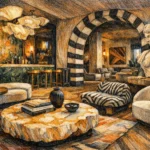
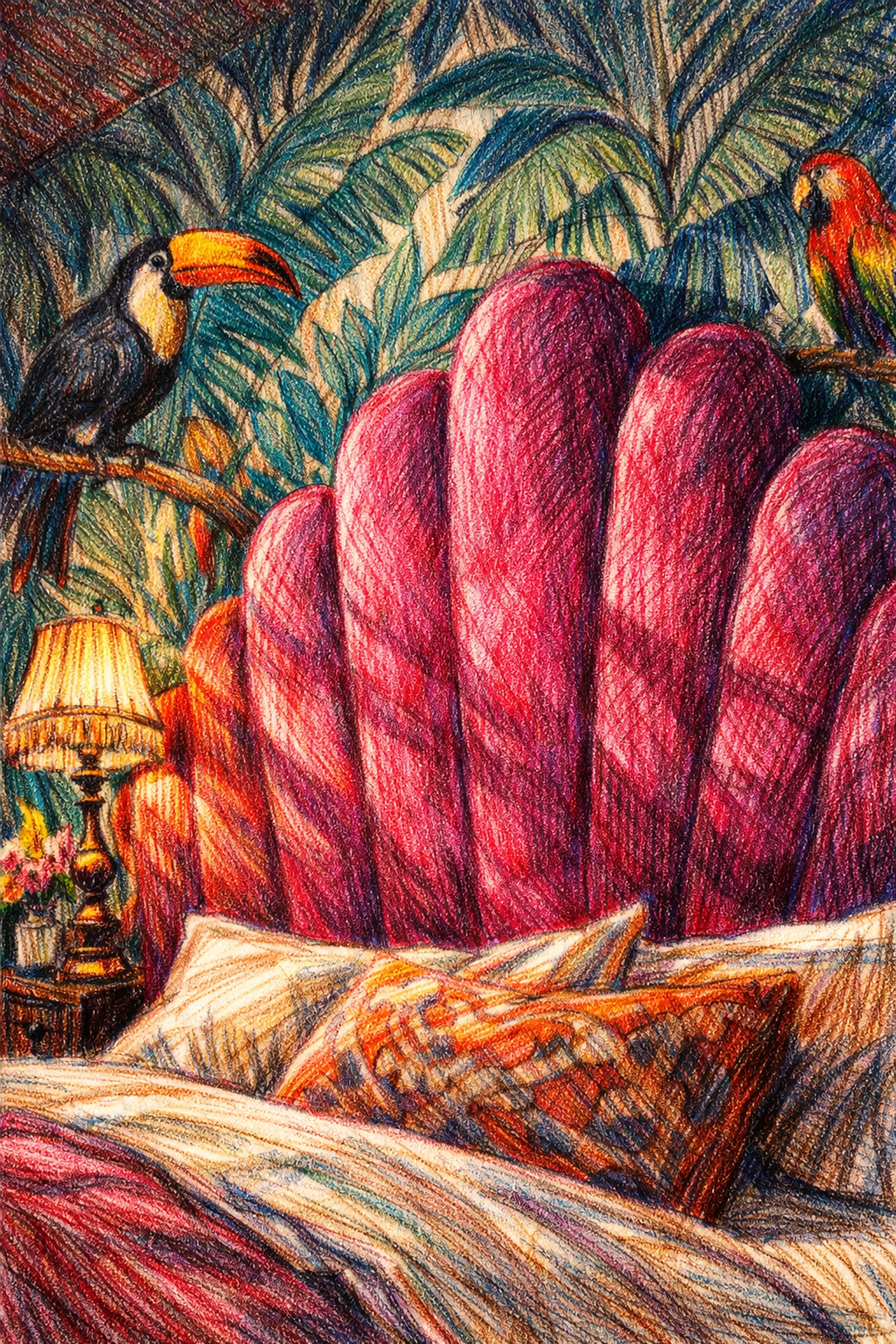
Most hotels use neutral tones because they are afraid of offending anyone. Kit’s secret? Bold color creates a memory. Whether it’s a bright oversized headboard or a hand-painted mural, her use of color makes a space feel alive. She proved that guests actually want to be inspired by hotel interiors: they want ideas they can take back to their own homes.
2. Craft: The Human Touch
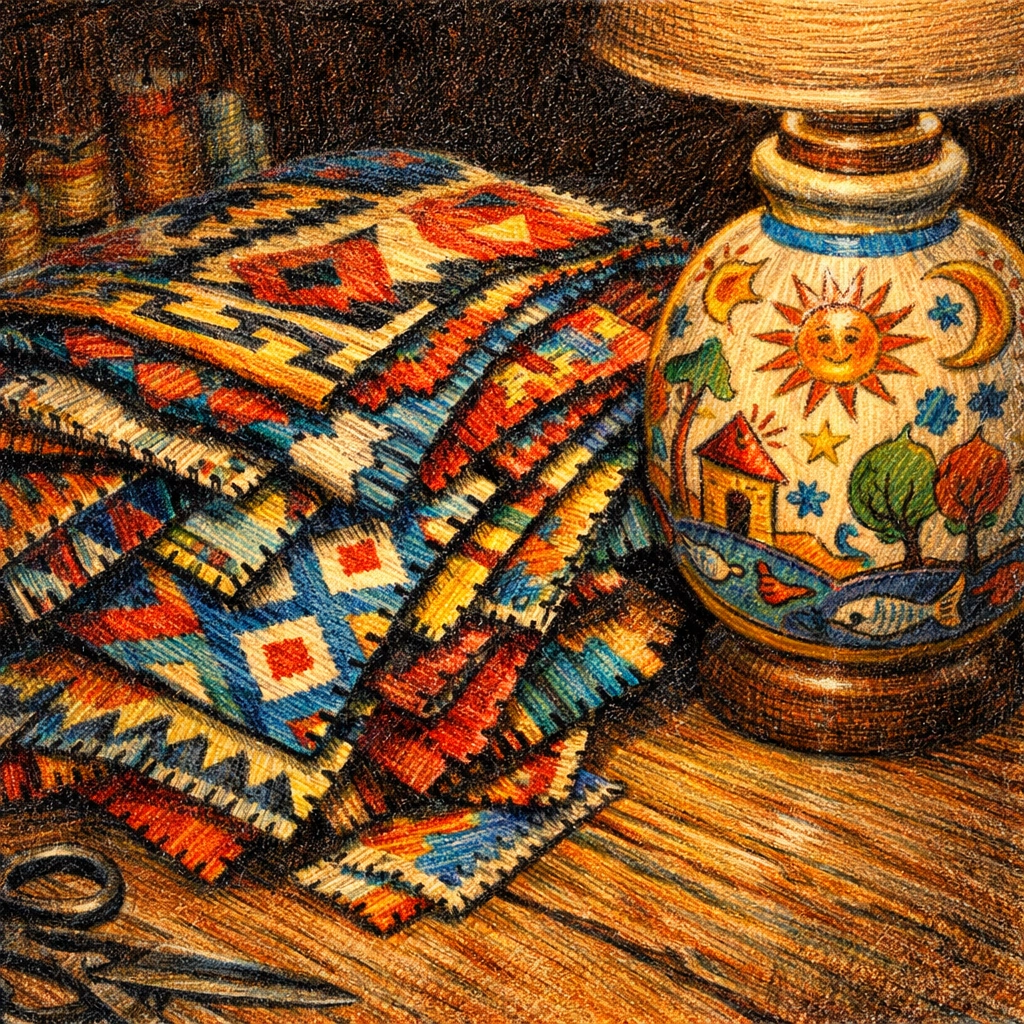
In an era of mass-produced furniture, Kemp prioritizes the artisan. She collaborates with weavers, potters, and painters to create bespoke pieces. This isn't just about aesthetics; it’s about soul. When a guest touches a hand-woven textile or looks at a unique ceramic lamp, they feel a connection to the space that a factory-made chair just can't provide.
3. Character: Giving a Building a Voice
Every hotel has a story. Kit’s talent lies in unearthing the historical background of a property. She doesn't just "decorate"; she narrates. Whether it’s the industrial history of a New York warehouse or the medical past of a French hospital, the design reflects the building’s DNA.
4. Comfort: The Non-Negotiable
You can have the most beautiful room in the world, but if the chair is stiff and the lighting is harsh, it’s a failure. Kemp’s rooms are "lived-in." She champions the idea that luxury should be comfortable, not intimidating.
5. Curation: The Art of the Mix
This is perhaps her biggest "secret." She mixes high-end art with found objects, antiques with modern textiles, and expensive finishes with simple crafts. This curation makes a room feel like it has been collected over time, rather than bought from a catalog in one afternoon.
Transforming the Unconventional
One of the most impressive aspects of Kit and her husband Tim Kemp’s career is their ability to see gold where others see grit. They didn't start with purpose-built hotel shells. They took on "deteriorating properties" that would make most developers run for the hills.
Take the Covent Garden Hotel. Before it was a luxury destination, it was a derelict French hospital. The Charlotte Street Hotel? A former dental warehouse. By transforming these unconventional spaces, they leaned into sustainable hotel architecture before it was even a buzzword. Reusing existing structures instead of tearing them down is the ultimate sustainable move, but it requires a designer who can work with the quirks of an old building rather than trying to hide them.
Why the "Experts" Were Wrong About Luxury
For a long time, the industry thought "luxury" meant "standardized." If you were a high-roller, you expected the same marble lobby and the same heavy drapes whether you were in Paris or Peoria.
Kit Kemp flipped the script. She realized that the modern traveler: the one looking for a true boutique experience: values individuality over uniformity. She proved that a hotel could be high-end without being stuffy.
She also mastered the art of "The Tall Headboard." It sounds like a small detail, but it’s a signature Kemp move. By scaling up the headboard, she creates a focal point that anchors the room and makes even a standard-sized space feel grand and architectural.
The Collaborative Spirit
Kit doesn't work in a vacuum. Her design team is a tight-knit group, including two of her daughters, which keeps the brand’s vision consistent but fresh. Her secret weapon is her relationship with British craftspeople. By commissioning unique fabrics and wallpapers: often through her collaborations with brands like Christopher Farr or Chelsea Textiles: she ensures that no one can easily "copy" the Firmdale look.
This focus on luxury hospitality design through collaboration is what keeps her projects feeling authentic. It’s not just about picking items from a showroom; it’s about creating something that doesn’t exist anywhere else.
Sustainable Architecture: Design for Longevity
When we talk about sustainable hotel architecture, we often think about solar panels and low-flow toilets. While those are important, Kit Kemp champions a different kind of sustainability: aesthetic longevity.
Trends die quickly. If you design a hotel to be "trendy," you’ll be stripping it down and sending furniture to a landfill in five years. Kit’s "curated" style ages beautifully. Because her rooms are filled with art, textiles, and antiques, they don't feel "dated" when the next big trend hits. They just feel like a well-loved home. This "design-to-last" mentality is a crucial, often overlooked part of being environmentally conscious in the hospitality world.
How to Bring the Kemp "Secrets" to Your Project
You don't need a Firmdale budget to use Kit Kemp’s secrets. Whether you're a hotel owner or a designer, here’s how to apply her logic:
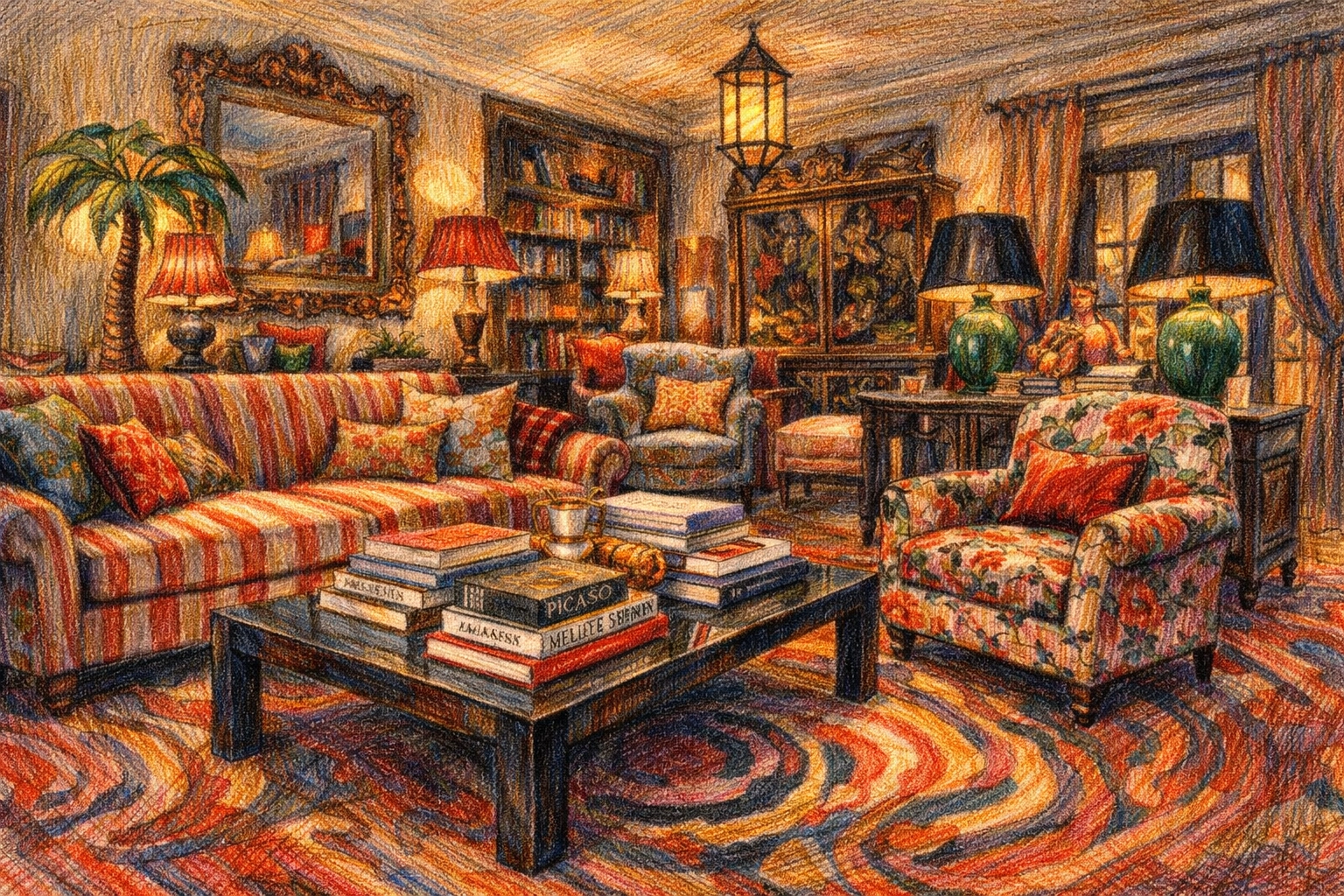
- Don't Fear the Floor: Kit often uses patterned rugs or interesting floor finishes to add layers to a room. The floor is the "fifth wall": don't leave it blank.
- Mix Your Textures: Combine rough linens with smooth silks, and weathered wood with polished chrome. Contrast is what makes a room feel expensive.
- Lighting is Everything: Avoid the "interrogation" look of overhead recessed lighting. Use lamps, sconces, and varied light sources to create a warm, residential glow.
- Tell a Story: Before you pick a color palette, ask: "What was this building's previous life?" Let that answer guide your choices.
The Lasting Influence of Kit Kemp
Kit Kemp changed the industry because she treated hotel guests like people with taste, not just room numbers. She understood that when we travel, we want to be transported. We want to stay in a place that feels like the best version of a home: full of color, art, and life.
Her influence can be seen in almost every successful boutique hotel today. The "residential" feel that is now standard in the industry? That started with Kit. The move toward local craft? Kit again.
The biggest secret Kit Kemp revealed is that there are no secrets: only the courage to trust your eye, respect the building’s history, and never, ever settle for a room that feels "beige."
At My Hotel Design, we’re constantly inspired by designers who push the boundaries of what a hotel can be. If you’re looking to inject some of that "Kemp Magic" into your next project, remember: start with the story, and the design will follow.
Want more insights into the world of hospitality design? Keep following Robert Rupp and the team at My Hotel Design for the latest on luxury, sustainability, and the architects changing the way we travel.