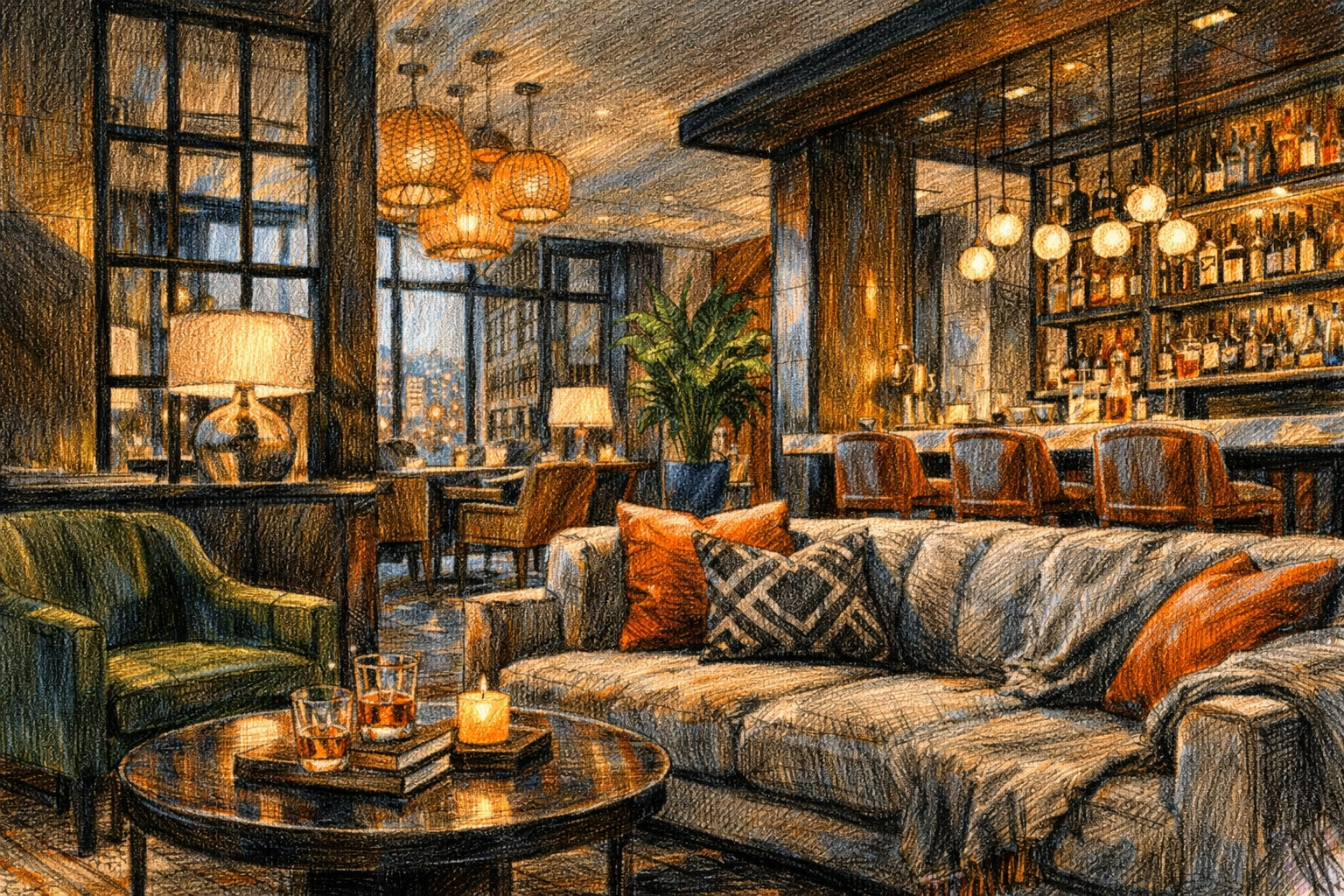
Hey there, I’m Robert Rupp, founder of My Hotel Design. If you’ve been following the world of high-end hotels for a while, there is one name that keeps popping up: Tara Bernerd.
She isn’t just a designer; she’s a storyteller. Her firm, Tara Bernerd & Partners, has become the go-to for some of the biggest names in the business: Four Seasons, Rosewood, and Thompson Hotels, just to name a few. But what makes her work so special? And more importantly, how can you take those same principles and apply them to your own boutique hotel interior design?
Whether you’re planning a 20-room hideaway or a 200-room urban luxury spot, the "Bernerd approach" is a masterclass in how to balance grit with glamour. Let’s dive into the ultimate guide to succeeding in the world of luxury hospitality design.
Who is Tara Bernerd?
Before we get into the nuts and bolts, we have to look at the source. Based in London but working globally, Tara Bernerd has spent the last twenty years redefining what "luxury" actually means. For her, it’s not about gold-plated faucets or stuffy lobbies. It’s about "industrial glamour."
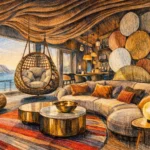
She has a knack for making a space feel "handsome." It’s a word she uses often. Think dark woods, rich leathers, exposed brick, and crittall windows, all balanced with incredibly soft fabrics and world-class art. She’s the person who made it cool for a five-star hotel to feel like a high-end loft.
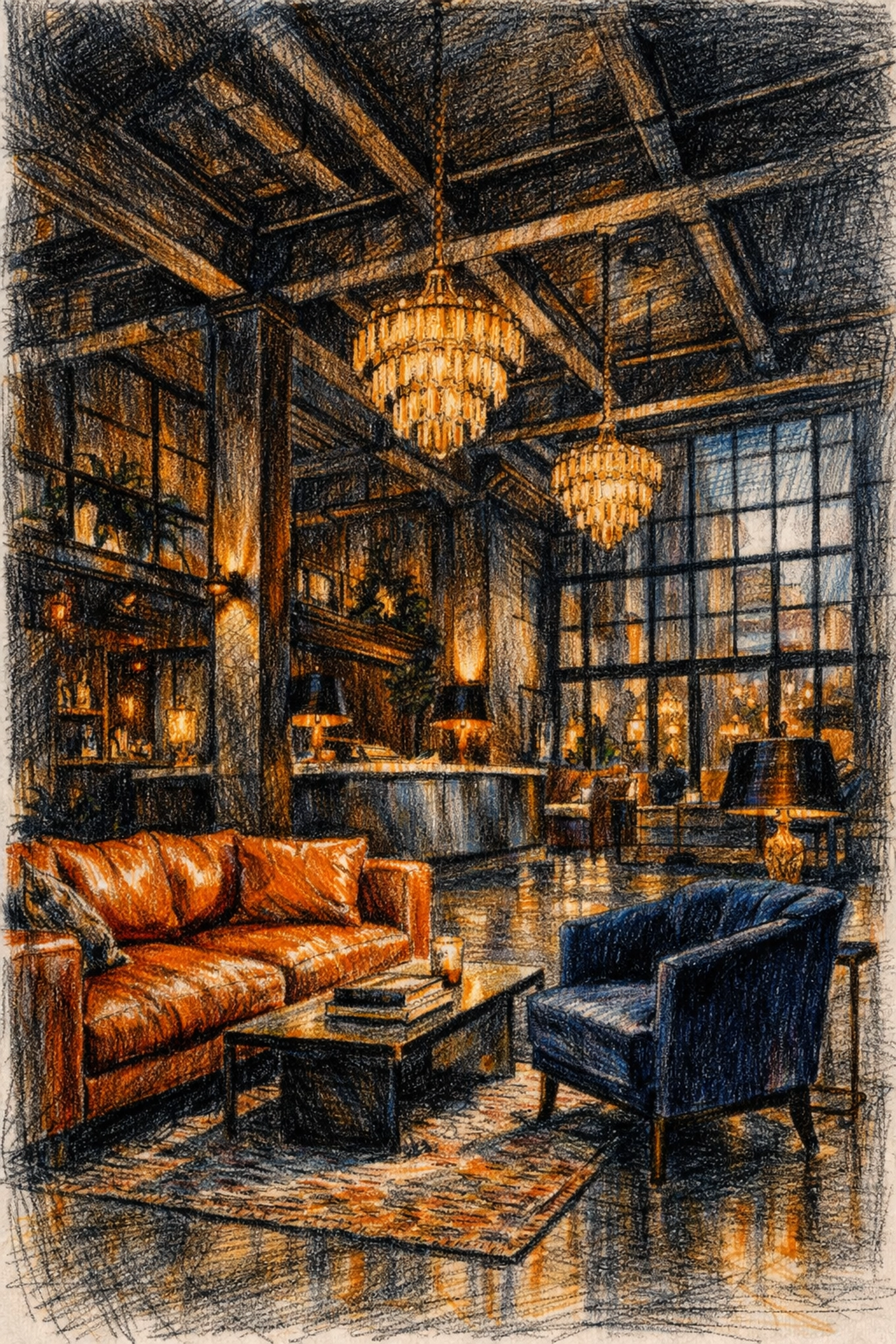
1. Finding Your "Industrial Glamour" DNA
The foundation of Tara Bernerd’s success in boutique hotel interior design is a consistent "DNA" that still allows for local variation. She doesn't do "cookie-cutter."
To design like Tara, you need to start with the bones of the building. If you’re working with an old warehouse, don't hide the pipes: celebrate them. If you’re building from scratch, look for ways to introduce raw, honest materials.
How to get the look:
- The Palette: Focus on "masculine" base tones. Deep charcoal, navy, chocolate brown, and forest green.
- The Materials: Mix hard and soft. Pair a cold, polished concrete floor with a massive, plush velvet rug. This contrast is where the magic happens.
- The Hardware: Skip the generic chrome. Go for blackened steel, brushed brass, or oil-rubbed bronze.
2. Emphasizing Local Culture and Identity
One of the biggest mistakes I see in boutique hotel interior design is the "anywhere-ness" of the rooms. You wake up and don't know if you're in New York or New Delhi.
Tara Bernerd avoids this by doing deep-dive research into the location. For the Rosewood Munich, she pulled from the city’s architectural history. For the Thompson Chicago, she leaned into the mid-century vibe of the neighborhood.
Robert’s Tip: Don't just put a picture of a local landmark on the wall. That’s lazy. Instead, work with local craftsmen. Use stone from a local quarry. Hire a local artist to create a custom installation for the lobby. This creates an authentic connection that guests can feel the moment they walk in.
3. Strategic Color and Texture Layering
In luxury hospitality design, texture is actually more important than color. Why? Because guests touch everything. They touch the headboard, the curtains, the menus, and the upholstery.
Bernerd is a master of "tactile layering." She might layer a wool throw over a leather chair sitting on a sisal rug. This variety creates visual depth and makes a room feel "expensive" without being flashy.

Mastering the Layers:
- The "Rough" elements: Exposed brick, raw timber, matte stone.
- The "Smooth" elements: Polished marble, silk cushions, glass partitions.
- The "Warm" elements: Lighting is the ultimate texture. Warm color temperatures (2700K–3000K) make those textures pop.
4. The Lobby as a "Social Hub"
The days of the lobby being just a place to check in are over. Tara Bernerd treats lobbies like a living room. She creates layouts that encourage people to hang out, work, or grab a drink.
In boutique design, your common areas are your biggest marketing tool. They are the "Instagrammable" spots that get people through the door. To succeed like Tara, you need to move the check-in desk to the side and put a fireplace or a stunning bar in the center.
5. Lighting: The Secret Sauce
You can spend millions on furniture, but if the lighting is bad, the design is a failure. Tara Bernerd uses layered lighting to create a "cinematic" feel.
She doesn't rely on bright overhead lights. Instead, she uses:
- Ambient Lighting: Hidden LED strips in coves to give a soft glow.
- Task Lighting: Beautiful, heavy desk lamps and bedside reading lights.
- Accent Lighting: Spotlights on art and "up-lighting" on architectural features.
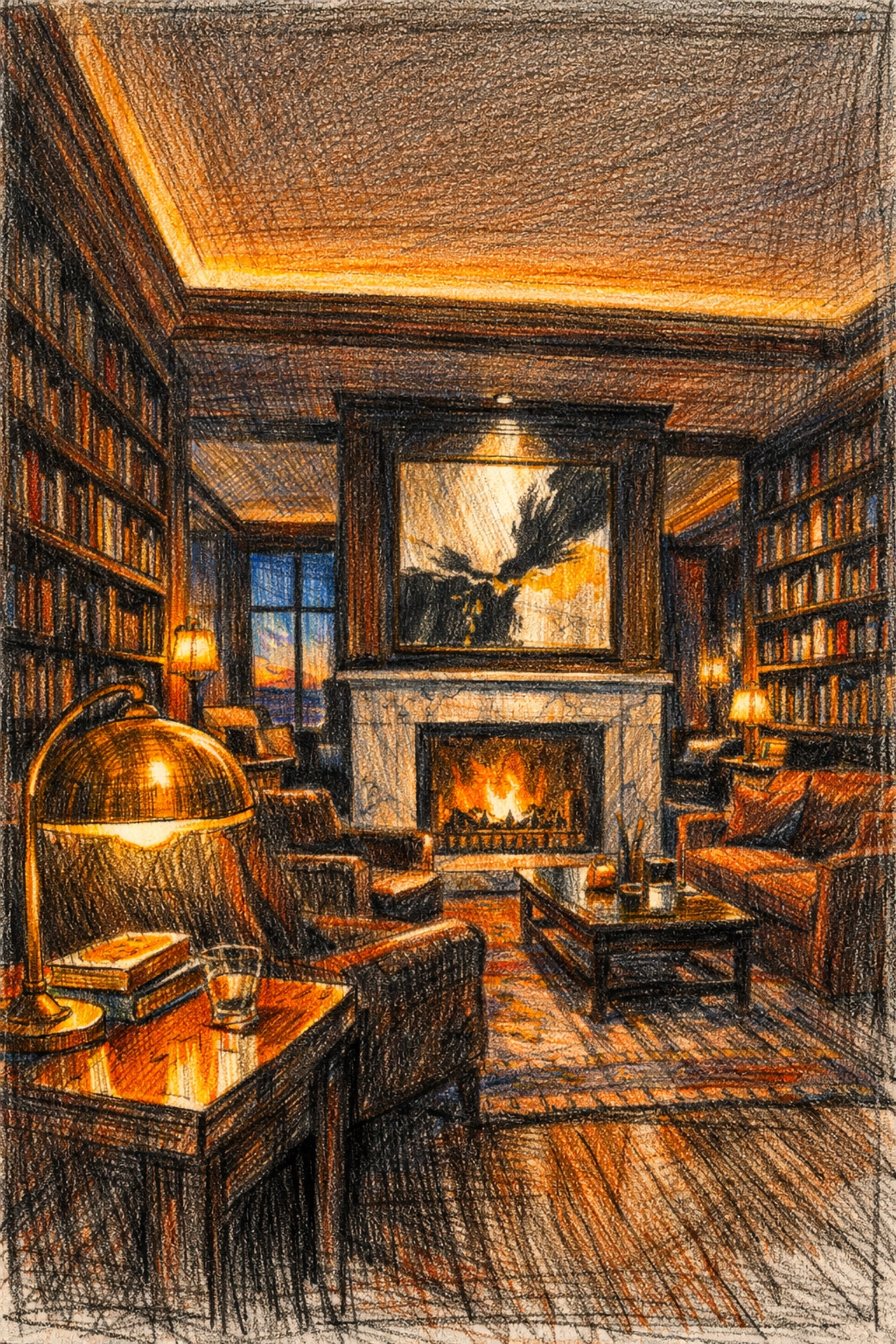
6. Sustainable Hotel Architecture: Quality Over Quantity
Sustainable hotel architecture is a hot topic right now, but many people get it wrong. They think it’s just about solar panels. While those are great, true sustainability in luxury design is about longevity.
Tara Bernerd’s designs are built to last. She uses high-quality materials that age gracefully. A cheap laminate floor looks terrible after two years of guest traffic. A solid oak floor or a natural stone tile gets better with age.
When you choose materials that don't need to be replaced every five years, you are practicing the most effective form of sustainable design. You are reducing waste and ensuring the hotel looks great for decades.
7. Functionality is King
I’ve stayed in plenty of "cool" boutique hotels where I couldn't find a plug for my phone or the shower controls were impossible to figure out. Tara Bernerd never makes this mistake.
Her philosophy is "handsome but functional." A room can look like a piece of art, but it still needs to work for the guest.
Checklist for functional luxury:
- Intuitive Layouts: Can the guest find the light switch in the dark?
- Smart Storage: Even small rooms need a place for a suitcase that isn't the floor.
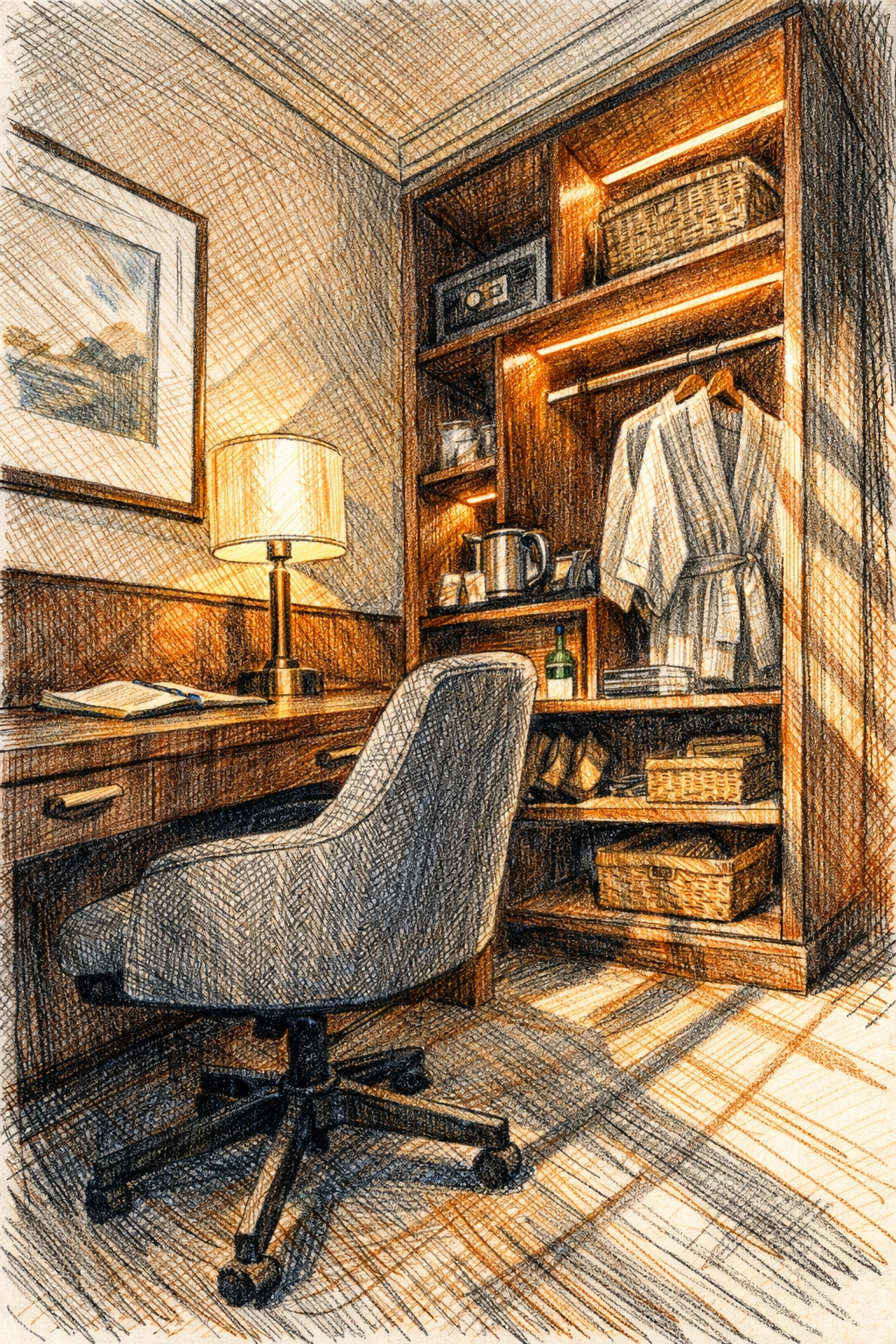
- The "Work" Factor: Even on vacation, people work. A comfortable chair and a solid desk (or a well-placed table) are non-negotiable.
8. Case Study: Four Seasons New York Downtown
If you want to see the pinnacle of Bernerd’s style, look at the Four Seasons in Lower Manhattan. This wasn't your typical uptown Four Seasons. It had to be edgier to fit the neighborhood.
She used a palette of muted blues, warm greys, and rich woods. The lobby features massive stone pillars and a dramatic staircase. It feels like a private club. It’s the perfect example of how to take a global brand and give it a boutique, localized soul.
How to Apply This to Your Project
You might not have a Four Seasons budget, but you can definitely have a Tara Bernerd mindset. Here is how I suggest you start:
- Pick a Narrative: Before you buy a single chair, write down three words that describe your hotel’s personality. Stick to them.
- Invest in the "Touchpoints": If you have to save money, do it on the things people don't touch (like ceiling finishes). Spend the money on high-quality linens, heavy door handles, and comfortable seating.
- Don't Fear the Dark Side: Many owners are scared of dark colors because they think it makes a room feel small. In reality, dark colors create intimacy and luxury. Use them in your bar or your smaller "snug" rooms.
- Art is Not an Afterthought: Don't just buy "hotel art." Find pieces that have a voice. Even a few well-placed, high-quality prints are better than a dozen generic ones.
The Bottom Line
Boutique hotel interior design is a balancing act. You’re trying to create a space that is both aspirational and comfortable. You want it to look like a magazine shoot but feel like home.
By following the lead of designers like Tara Bernerd, you focus on the things that actually matter: authenticity, texture, functionality, and a touch of "handsome" glamour.
At My Hotel Design, we’re all about making these high-end concepts accessible. You don't need a hundred-million-dollar budget to create a space that leaves a lasting impression. You just need a clear vision and a commitment to quality.
So, what’s your hotel’s story going to be?
If you're ready to start planning your next project, keep these principles in mind. Luxury isn't about what you spend: it's about how you make your guests feel.
Talk soon,
Robert Rupp
Founder, My Hotel Design