If you have spent any time looking at the world’s most stunning hotels lately, you have likely encountered the work of Patricia Urquiola. Based in Milan but born in Spain, Urquiola is more than just an architect or an interior designer: she is a force of nature in the hospitality industry.
At My Hotel Design, we are constantly looking for creators who push the boundaries of what a guest experience can be. Urquiola doesn’t just "decorate" rooms; she builds emotional landscapes. Whether she is transforming a mid-century office building in Milan into a five-star sanctuary or designing a sustainable retreat in the Mediterranean, her work serves as a masterclass in boutique hotel interior design.
If you are looking for bold inspiration for your next project, or if you simply want to understand why her name is synonymous with modern luxury, here are 10 things you should know about Patricia Urquiola’s approach to luxury hospitality design.
1. She Prioritizes Material Richness Over Size
In the old days of luxury hospitality design, "luxury" was often measured in square footage. The bigger the lobby, the more expensive the chandelier, the "better" the hotel. Urquiola has flipped that script.
She believes that luxury is found in the tactile experience. Instead of focusing on massive, empty spaces, she pours her energy into material quality and spatial character. When you walk into a room designed by her, your hands want to touch everything. She uses walnut paneling that feels like silk, cool marble with deep veining, brushed brass, and supple leather. By focusing on these high-quality materials, she creates an intimate sense of luxury that feels far more personal than a giant, cavernous hall.
2. She Respects and Reimagines Historic Architecture
One of the hardest things to do in sustainable hotel architecture is to take an old, existing structure and make it feel brand new without losing its soul. Urquiola is a master of this.
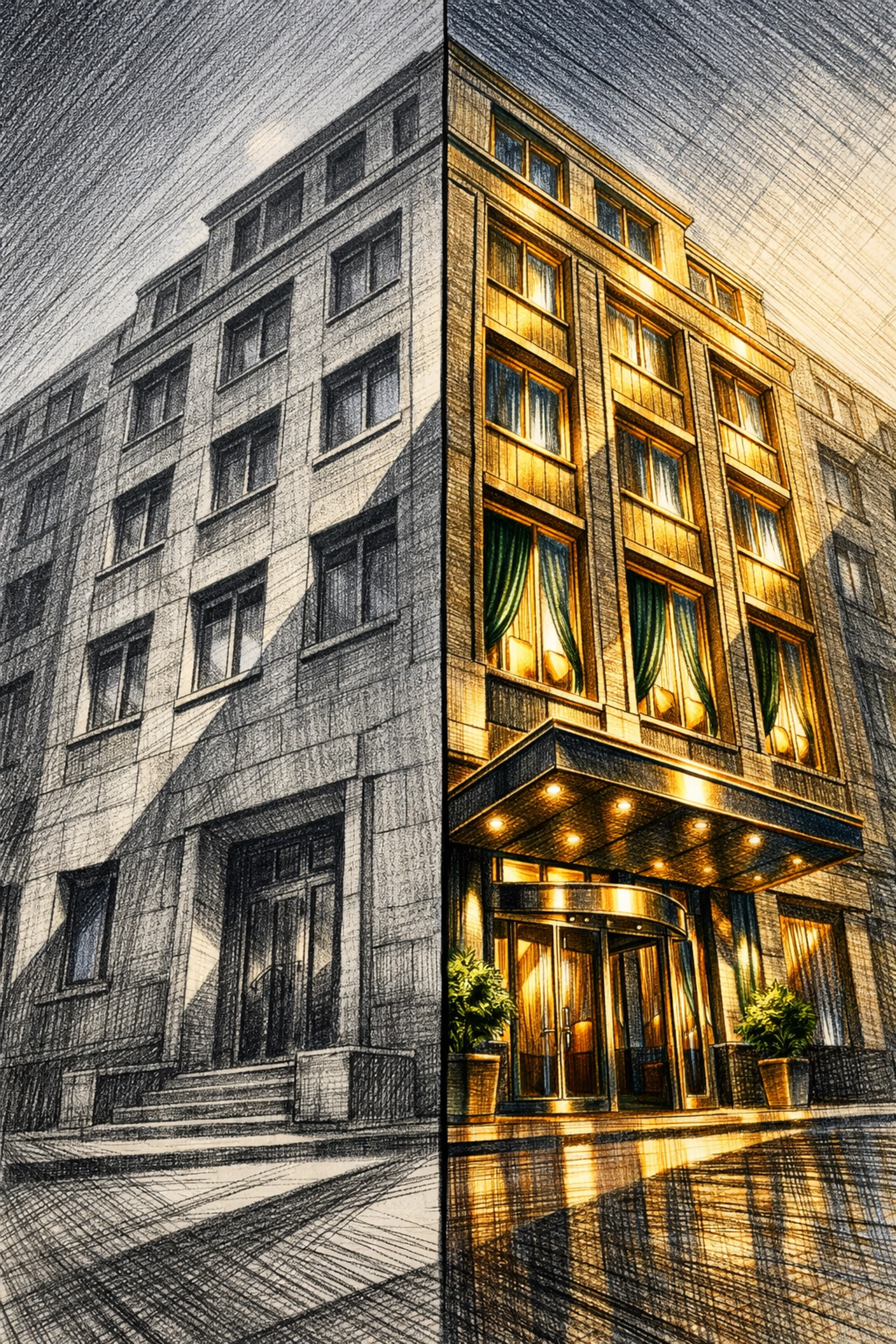
She doesn't believe in the "white box" approach where you gut a building and ignore its history. Instead, she does deep research into the original significance of a site. Take the Casa Brera in Milan, for example. It was originally a mid-century office building. Instead of hiding that history, Urquiola honored it, rebuilding the space with a nod to its architectural roots while infusing it with five-star elegance. This approach is not only aesthetically pleasing but also a cornerstone of sustainable design: reusing the "bones" of our cities rather than tearing them down.
3. She Combines Rationalist Geometry with Warmth
If you look closely at Urquiola’s work, you will see a lot of lines. She is heavily influenced by Italian Rationalism: an architectural movement that prizes logic, order, and geometry. However, she has a magical way of making those rigid lines feel incredibly warm and welcoming.
You might see a checkerboard rug paired with a gridded ceiling, but because she uses soft textures and a sophisticated color palette, it never feels "cold." She uses these vertical and horizontal lines to create a sense of rhythm in a hotel, guiding the guest’s eye through the space in a way that feels organized but never clinical. It is this balance between the mathematical and the emotional that makes her boutique hotel interior design so unique.
4. She Emphasizes Craftsmanship and Local Tradition
In a world of mass-produced furniture, Urquiola goes the other way. She is a massive advocate for local artisans. When she works on a project, she looks at the surrounding region for inspiration and talent.
Whether it is incorporating hand-blown Murano glass in Venice, colorful Vietri tiles in Capri, or traditional Venetian glassblowing techniques, she ensures that the hotel feels like it belongs exactly where it is. This doesn't mean the designs look "old-fashioned." She takes these traditional crafts and pushes them in contemporary directions, creating a bridge between the past and the future of luxury hospitality design.
5. She Creates Distinct Narratives for Each Project
The "cookie-cutter" hotel is the enemy of the modern traveler. People want an experience that tells a story. Urquiola understands this better than almost anyone. She doesn't have a single "template" that she applies to every hotel. Instead, she develops an original concept tied to the specific identity of the location.
When she designs in Milan, the narrative is one of urban elegance and industrial history. When she works in the Mediterranean, the story is about light, water, and relaxation. By giving each project its own "voice," she ensures that guests feel like they are staying somewhere truly special, rather than just another luxury room in a global chain.
6. She Integrates Contemporary Art Strategically
Art shouldn't be an afterthought in a hotel; it should be part of the architecture. Urquiola treats art as a fundamental building block of her designs. She frequently collaborates with fashion photographers, painters, and sculptors to commission original works that celebrate the local culture.
In her projects, you might find a striking photograph by Tim Walker or a piece of modern sculpture that acts as the focal point of a lobby. This isn't just decoration; it’s about creating an intellectual and creative environment. It encourages guests to stop, look, and think, elevating the hotel from a place to sleep to a place of inspiration.
7. She Designs Custom Furnishings for Each Space
A huge part of why an Urquiola hotel looks so cohesive is that she often designs the furniture herself. In addition to being an architect, she is the art director for Cassina, one of the most prestigious furniture manufacturers in the world.
Because she understands how a chair or a table functions within a larger architectural space, she can create pieces that fit perfectly. Many of the iconic chairs and sofas you see in her hospitality work were created exclusively for those projects. This level of customization is what defines true luxury hospitality design today: it is the knowledge that the environment you are in was curated down to the very last stitch on a cushion.
8. She Embraces Sustainable and Eco-Conscious Materials
Sustainability is no longer a "nice to have"; it is a requirement. Urquiola has been a pioneer in integrating sustainable hotel architecture practices into the luxury sector. She is constantly experimenting with recyclable, compostable, and environmentally responsible materials.
From biodegradable armchairs to plant pots made from sustainable cement-based materials, she proves that you don’t have to sacrifice style to be green. For Urquiola, sustainability is another layer of the "material richness" we discussed earlier. It adds a level of integrity to the design that modern, conscious travelers deeply appreciate.
9. She Coordinates Interior and Exterior Spaces
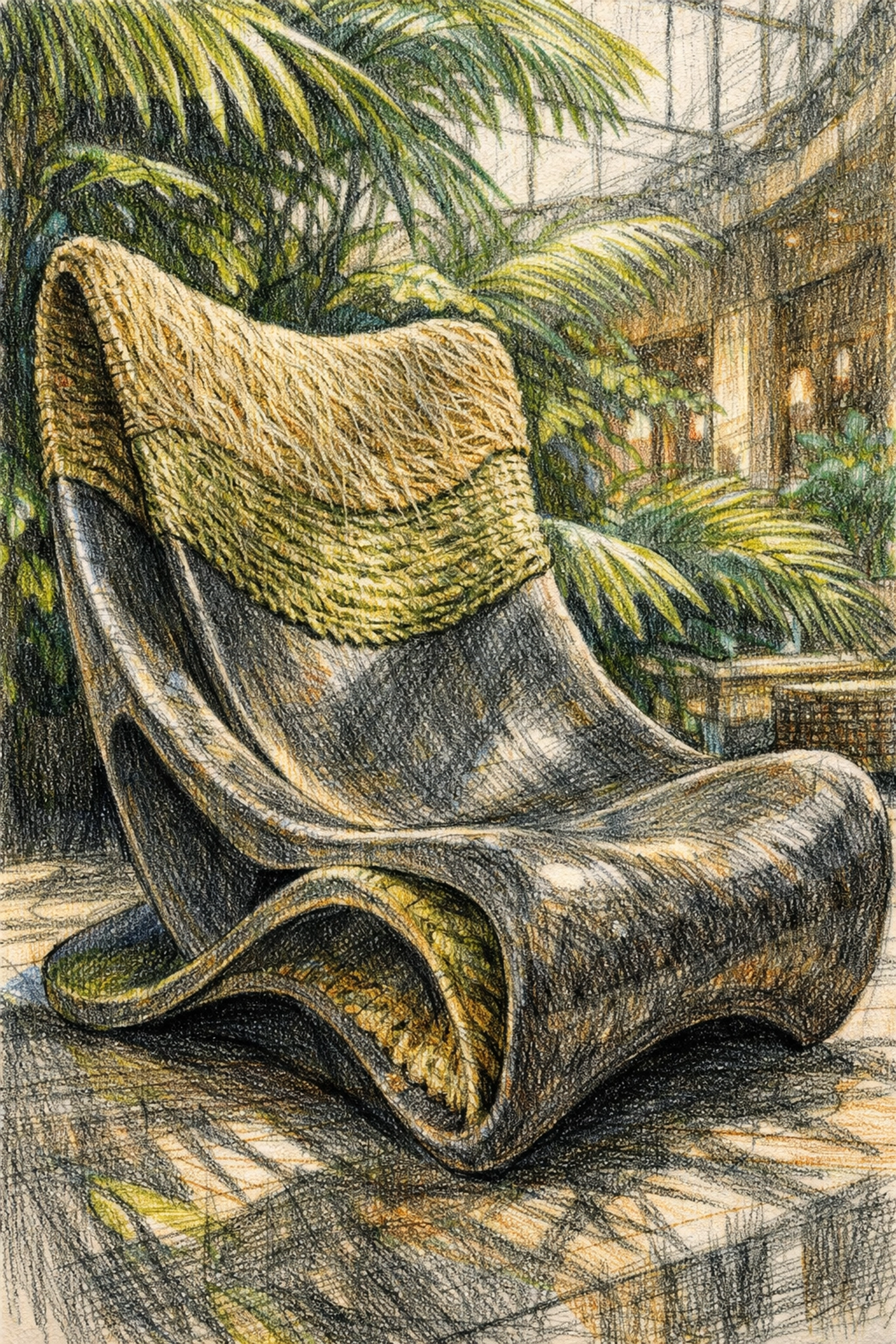
One of the hallmarks of a great boutique hotel interior design is how it handles the transition from the inside to the outside. Urquiola is known for creating "fluid spatial experiences." She doesn't want there to be a hard line where the lobby ends and the terrace begins.
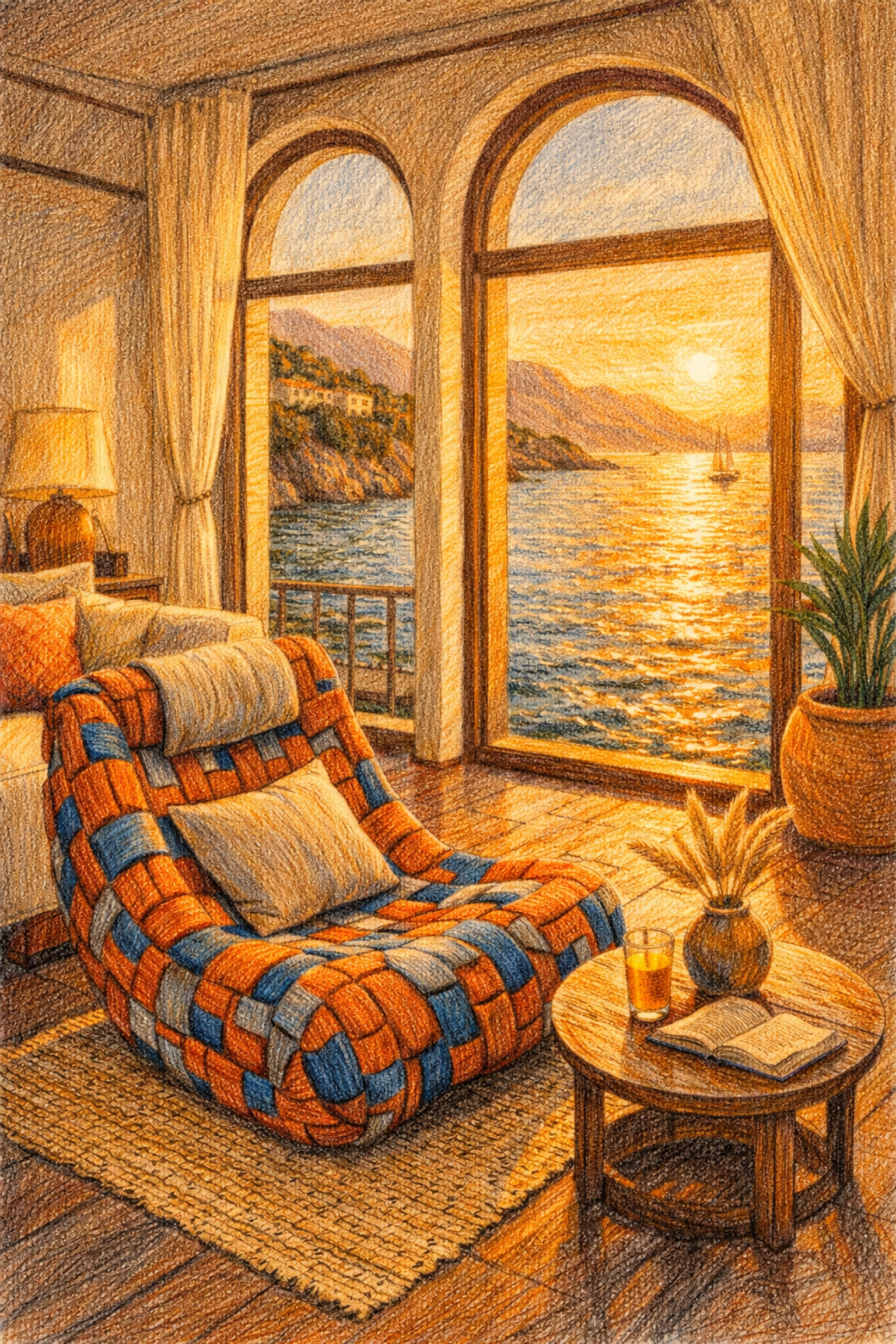
Her rooftop bars and terrace designs are famous for their seamless connection to the interior environments. She often uses the same color palettes or floor materials to blur the boundaries, making the hotel feel like one continuous, breathing space. This is particularly effective in luxury resorts where the natural landscape is a key part of the guest’s draw.
10. She Uses Color and Texture to Evoke Emotion
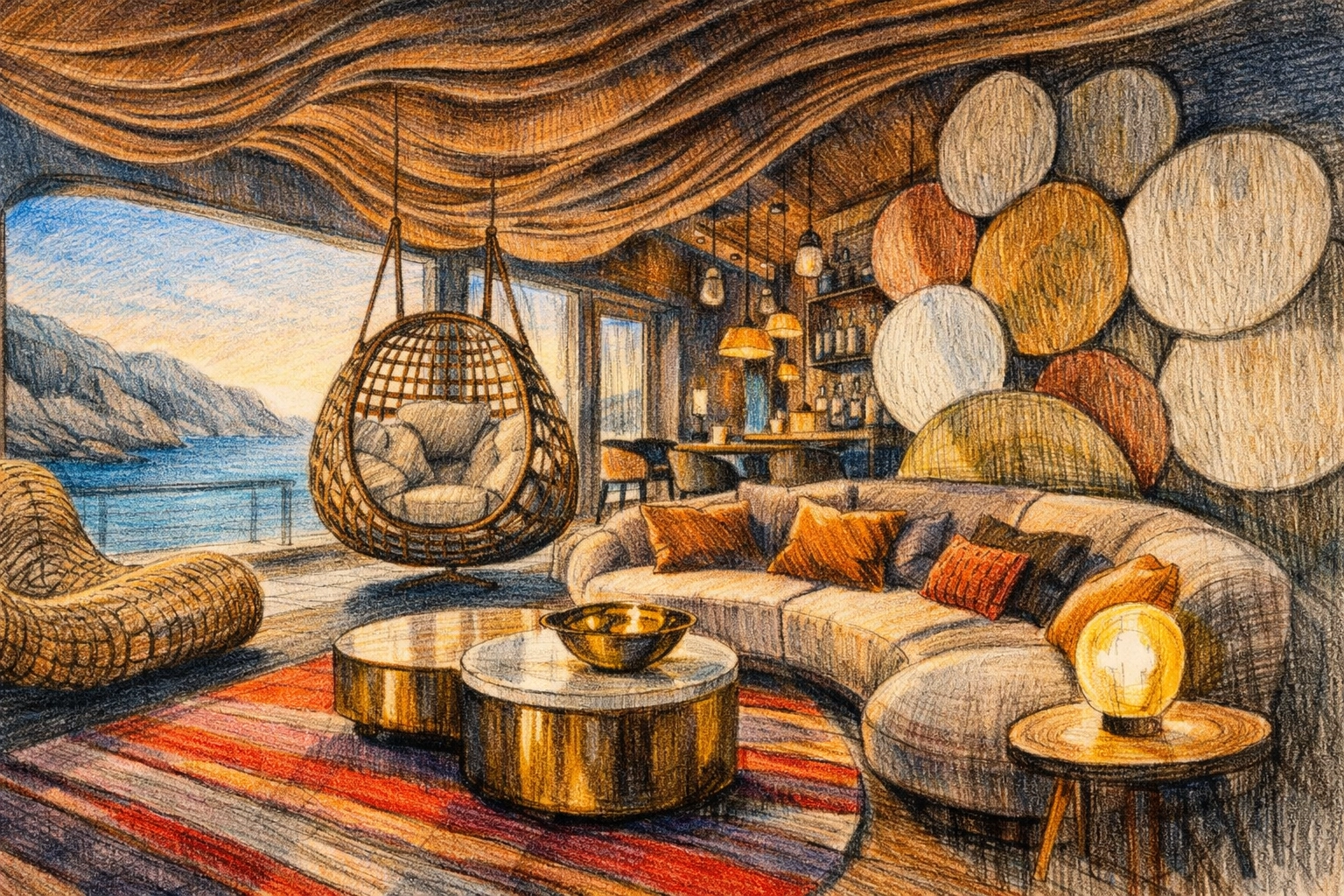
Finally, Urquiola is a master of "sensations." While many luxury designers play it safe with beige, grey, and cream, Urquiola isn't afraid of color. She uses vibrant textiles and rich, layered materials to establish an emotional connection with the guest.
She understands that a deep blue can make a room feel calm, while a textured, mustard-yellow fabric can provide energy. Her use of color is never random; it is calculated to make the guest feel a certain way the moment they walk through the door. This emotional resonance is what makes her work stay in your mind long after you have checked out.
Seeing the Work in Action: Major Projects
To truly appreciate these ten points, you have to look at her recent portfolio.
- Casa Brera (Milan): A stunning example of how she reclaims mid-century architecture and turns it into a high-end destination in the heart of Milan’s Piazzetta Bossi.
- Ca’ di Dio (Venice): A luxury hotel that pays homage to Venetian history through the use of local glass and stone, while maintaining a crisp, contemporary feel.
- The Emory (London): Her contribution to this all-suite hotel shows her ability to create "quiet luxury": spaces that are incredibly expensive and detailed, yet feel understated and peaceful.
- Jumeirah Capri Palace (Capri): Here, she showcases her ability to blend Mediterranean sensibility with modern art, creating suites that feel like private galleries overlooking the sea.
The Urquiola Influence
Patricia Urquiola has changed the way we think about hospitality. She has shown the industry that you can be sustainable and luxurious at the same time. She has proven that "local" doesn't have to mean "rustic," and that geometry can be just as cozy as a plush rug.
For those of us at My Hotel Design, her work is a constant reminder that every detail matters. Whether you are a hotel owner looking to renovate or a designer seeking a new perspective, Urquiola’s principles offer a roadmap to creating spaces that are bold, thoughtful, and: above all: human.
The next time you’re thinking about a project, ask yourself: How can we make this space feel more tactile? How can we tell a story that hasn't been told before? If you follow Urquiola’s lead, the answer will likely be something bold, beautiful, and completely unforgettable.