If you’ve spent any time looking at the world’s most stunning hotels lately, you’ve likely come across the name Tara Bernerd. She isn’t just another designer; she’s a force of nature in the hospitality world. From the rugged peaks of the Swiss Alps to the sun-drenched beaches of Mexico, Bernerd and her team at Tara Bernerd & Partners are rewriting the rulebook on what a luxury hotel should feel like.
At My Hotel Design, we talk a lot about how a space makes you feel. It’s not just about expensive chairs or shiny marble; it’s about the soul of the building. Tara Bernerd gets this better than almost anyone else in the industry right now. She has moved away from the "stiff" luxury of the past and replaced it with something she calls "approachable luxury."
But what does that actually mean? And why is the entire industry: from boutique owners to global giants like the Four Seasons: clinging to her every word? Let’s take a deep dive into the world of Tara Bernerd’s boutique hotel interior design and see why her influence is shaping the future of travel.
The Concept of "Design DNA"
One of the biggest complaints travelers have about big hotel chains is that they all look the same. You could wake up in a room in Singapore and feel exactly like you’re in Chicago. Tara Bernerd fights against this "cookie-cutter" approach with a philosophy she calls "Design DNA."
Every project she takes on starts with a deep dive into the local culture, history, and geography. If she’s designing a hotel in Belgravia, London, she’s looking at the sartorial traditions of Savile Row. If she’s working in Mexico, she’s studying Mayan architecture and local craftsmanship.
She doesn’t just "decorate" a room; she builds a narrative. This approach ensures that every hotel feels authentic to its location. This is the heart of successful boutique hotel interior design: making the guest feel like they are truly somewhere, not just anywhere.

Approachable Luxury: The New Gold Standard
For a long time, "luxury" in the hotel world meant white gloves, hushed voices, and a lot of gold leaf. It was impressive, sure, but was it comfortable? Not always.
Bernerd has championed the shift toward approachable luxury. She believes that if you walk into a room, you should instinctively feel like you can kick off your shoes and relax, even if the room costs $1,000 a night. It’s a sophisticated, high-end look that doesn't feel precious or fragile.
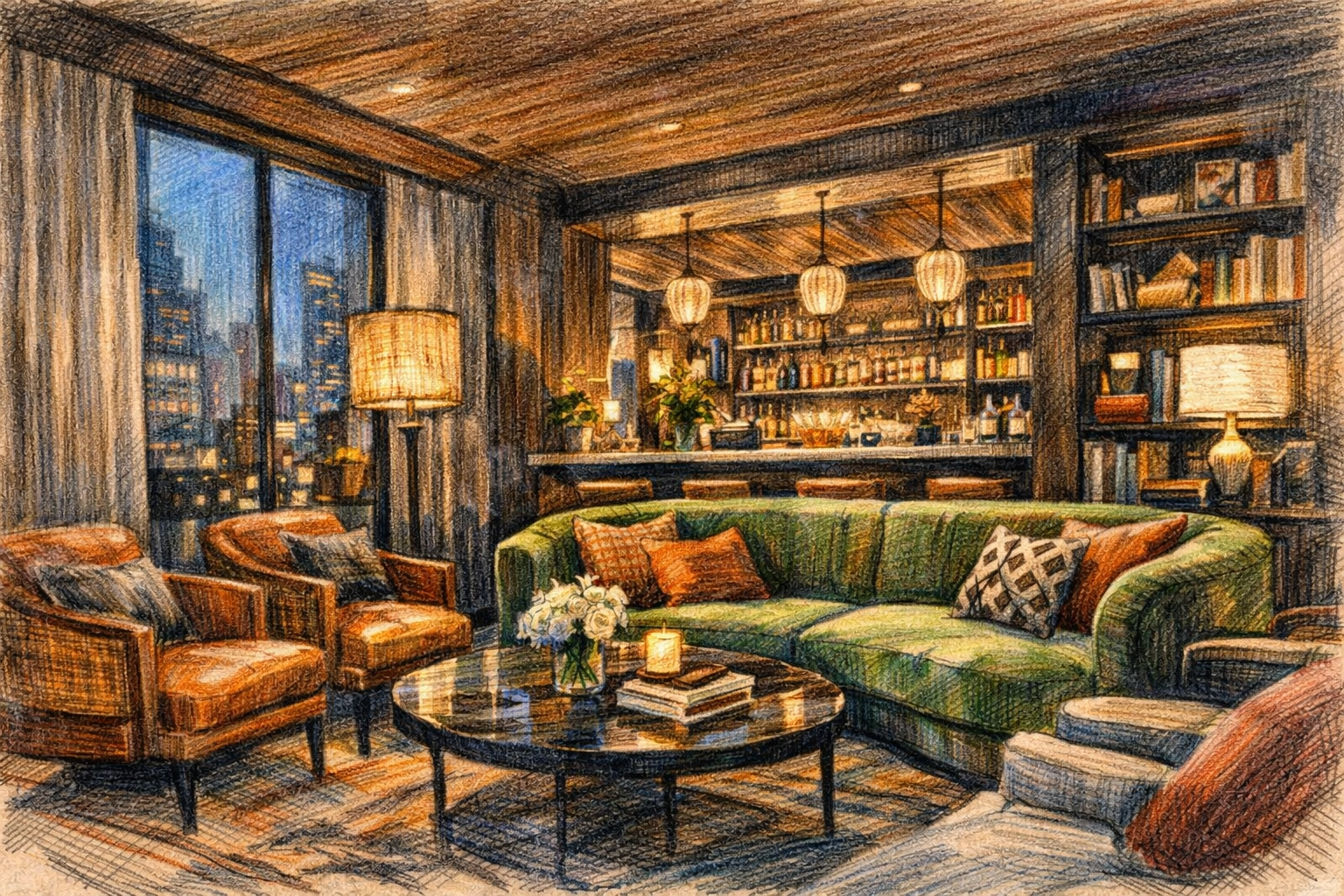
She achieves this through a masterclass in layering. She mixes industrial elements with soft velvet, rugged stone with warm woods, and contemporary art with vintage-inspired furniture. This layering creates a sense of "home" that resonates emotionally with guests. In a world where we are all more stressed than ever, a hotel that offers an immediate sense of calm and connection is the ultimate luxury.
Spotlight on Major Projects
To understand her influence, you have to look at her portfolio. It’s a global map of high-end hospitality.
Maroma, A Belmond Hotel (Riviera Maya, Mexico)
This project is a perfect example of her commitment to local context. Instead of importing a European aesthetic to Mexico, Bernerd worked with local artisans to celebrate the region's heritage. The design features handmade tiles, local woods, and textures that mirror the surrounding jungle and sea. It’s a masterclass in luxury hospitality design that respects its environment.
Four Seasons Hotel London at Park Lane
Designing for the Four Seasons is a high-pressure gig, but Bernerd’s redesign of the Empire Suite and other spaces brought a fresh, contemporary energy to one of London’s most prestigious addresses. She managed to keep the brand's legendary sophistication while making the spaces feel more relevant to the modern traveler.
Thompson Hotels (Global)
Bernerd’s long-standing relationship with the Thompson Hotels brand (including properties in Chicago, New York, and Hollywood) helped define the "lifestyle hotel" category. These spaces are cool, edgy, and masculine, yet incredibly inviting. They proved that boutique hotel interior design could be both fashionable and functional on a large scale.

The Architecture of Space
While many designers focus on the "fluff": the cushions and the curtains: Bernerd’s background is deeply rooted in spatial planning. She views herself as an interior architect as much as a designer.
She is famous for her ability to solve complex spatial challenges. If a lobby feels awkward or a suite doesn't flow, the guest experience is ruined, no matter how pretty the wallpaper is. Bernerd optimizes layouts to improve natural light and creates multiple "zones" within a single space.
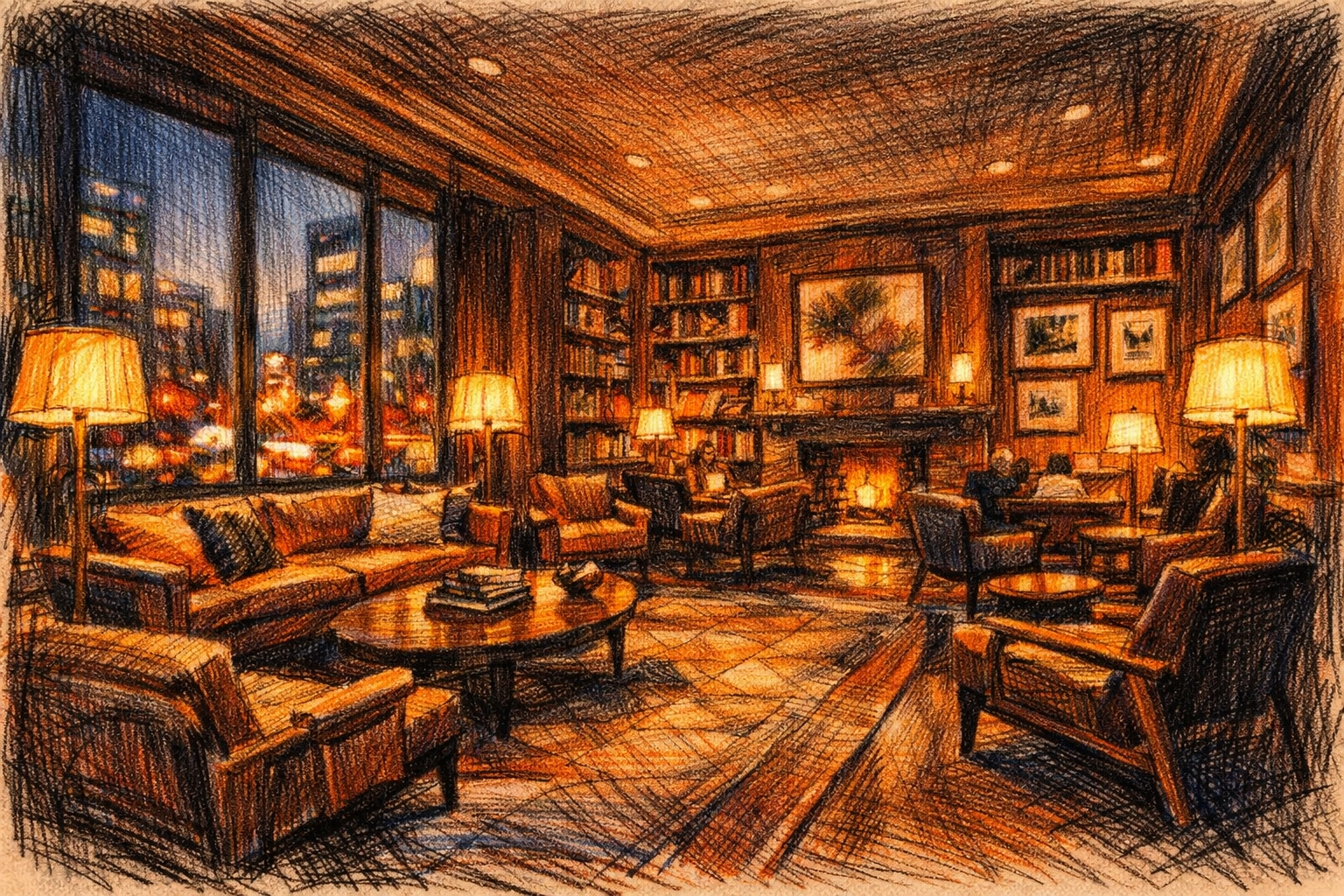
For example, a lobby shouldn't just be a place to check in. In a Bernerd-designed hotel, the lobby is a social hub with quiet nooks for working, cozy corners for coffee, and vibrant areas for cocktails. This focus on "zoning" is a key reason why her hotels feel so alive and functional.
Sustainable Hotel Architecture and Local Craft
You can’t talk about modern design without talking about sustainability. But for Tara Bernerd, sustainability isn’t just about solar panels (though those are important). It’s about longevity and localism.
Her focus on sustainable hotel architecture often manifests through the use of local materials. By sourcing stone, timber, and textiles from the region where the hotel is located, she reduces the carbon footprint of the project and supports the local economy.
More importantly, her designs are built to last. She avoids fleeting trends that will look dated in three years. By creating timeless interiors, she ensures that hotels don't need frequent, wasteful renovations. A Bernerd room looks as good ten years later as it did on opening day.

Why Hoteliers are Choosing Her Style
From a business perspective, why is everyone chasing the Bernerd look? It’s simple: it sells.
In the age of Instagram and TikTok, a hotel needs to be photogenic. But more than that, it needs to provide an experience that people want to talk about. When a hotel feels personal, curated, and deeply comfortable, guests become brand ambassadors. They stay longer, they spend more at the bar, and they come back.
Bernerd’s ability to create a "residence-away-from-home" vibe is exactly what the modern luxury traveler is looking for. They don't want a hotel; they want a lifestyle. They want to feel like the coolest version of themselves while they are staying there.
Lessons for Your Own Project
Even if you aren't building a 200-room resort in Mexico, there are lessons to be learned from Tara Bernerd’s approach that can apply to any boutique hotel interior design project:
- Context is King: Before you pick a color palette, look outside. What is the history of your building? What does the local landscape look like? Use these answers to anchor your design.
- Focus on Layout First: Don't buy a single piece of furniture until you’ve mastered the flow of the room. How will people move through the space? Where will the light hit?
- Mix Your Textures: Avoid using the same finish everywhere. Mix hard and soft, rough and smooth. This creates the "layered" look that makes a room feel expensive but cozy.
- Embrace "Honest" Materials: Use real wood, real stone, and real metal. Guests can feel the difference between something authentic and something synthetic.
- Think About Lighting: Bernerd is a master of "mood." Use multiple light sources (lamps, sconces, pendants) rather than just overhead LEDs to create a warm, inviting atmosphere.

The Future of Hospitality Design
As we look toward the future, the influence of designers like Tara Bernerd is only going to grow. We are moving away from the era of "grand" hotels and into the era of "intimate" hotels. People want connection, authenticity, and a sense of place.
Her role as the 2024 Guest Editor for Hospitality Design magazine confirms what we already knew: she is a thought leader who is shaping the tastes of the next generation of travelers. Whether she’s working on a private yacht or a massive urban hotel, her commitment to the "Design DNA" remains the same.
At My Hotel Design, we are constantly inspired by how she bridges the gap between high-end architecture and the human need for comfort. She has proven that luxury doesn't have to be loud to be powerful. Sometimes, the most luxurious thing in the world is simply a room that makes you feel like you belong.
If you’re planning a hotel project, take a page out of Tara’s book. Stop thinking about "decorating" and start thinking about "storytelling." Your guests will thank you for it.