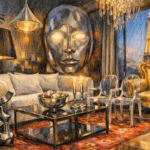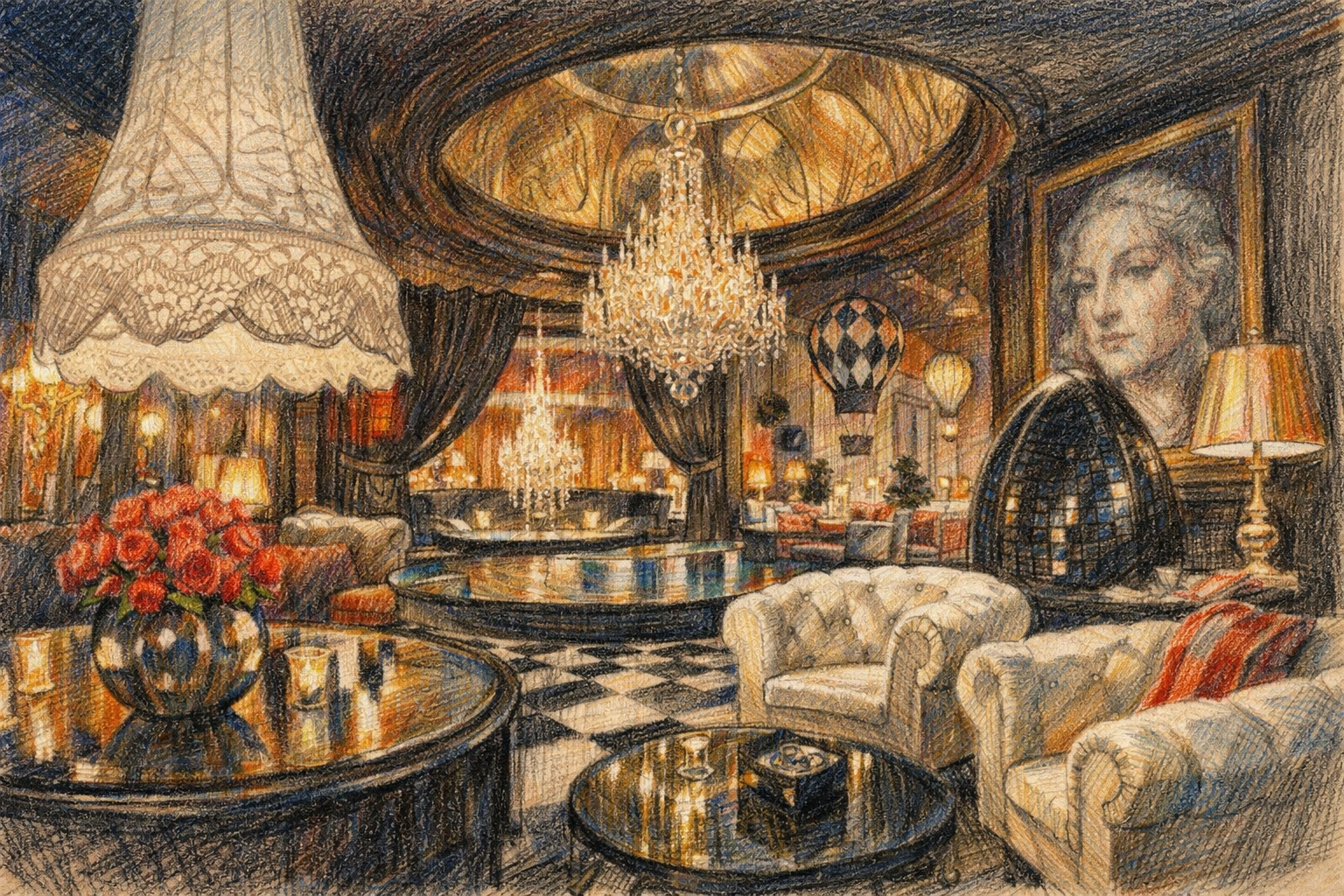
If you’ve stepped into a high-end hotel in the last decade and felt like you were walking through a dream: where the chairs are oversized, the patterns are intricate, and the atmosphere feels more like a storybook than a lobby: there’s a good chance you’ve experienced the work of Marcel Wanders.
Often called the "Lady Gaga of Design," Wanders has spent over three decades challenging the idea that luxury has to be cold, minimal, or "safe." At My Hotel Design, we’re always looking at the visionaries who shift the landscape of luxury hospitality design, and Wanders is at the top of that list. He didn’t just change how hotels look; he changed how they make us feel.
Let’s dive into why everyone in the industry is still obsessed with him and how his unique approach has redefined the guest experience.
The Man Who Humanized Design
Before Marcel Wanders hit the scene, high-end design was often synonymous with "Mid-Century Modern" or "Ultra-Minimalism." It was all about clean lines, grey palettes, and a certain industrial coldness. Wanders took one look at that and decided to do the opposite.
His philosophy is simple: he designs for people, not for industry. He believes that the modern movement lost its soul by focusing too much on the "how" and not enough on the "who." For Wanders, a hotel room shouldn't just be a functional space to sleep; it should be a place of "poetry, fantasy, and romance."
This "human-centric" approach is why his work resonates so deeply in the world of boutique hotel interior design. He uses what he calls "contemporary heritage": mixing traditional shapes and historical references with cutting-edge technology and materials.
The Breakthrough: The Knotted Chair
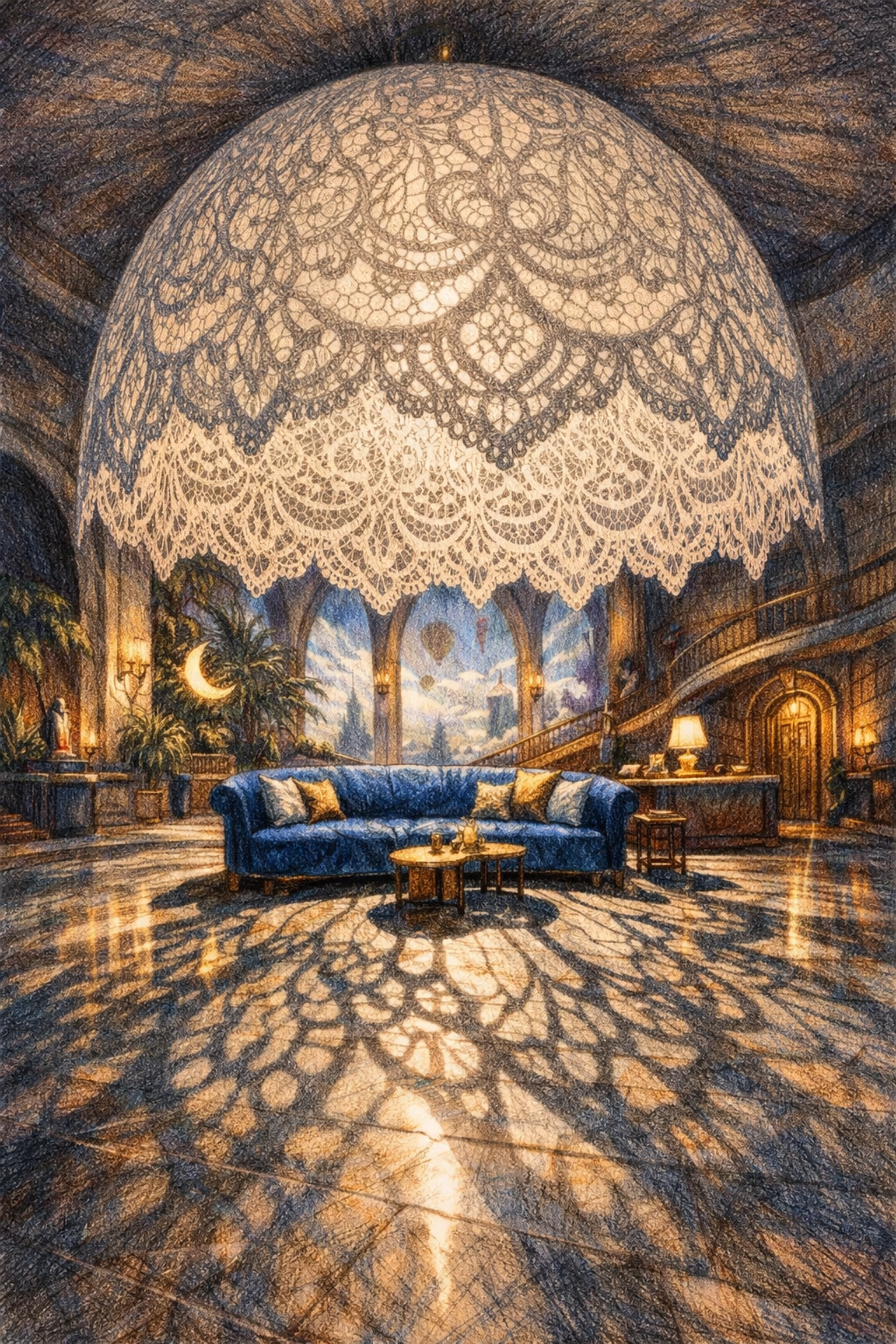
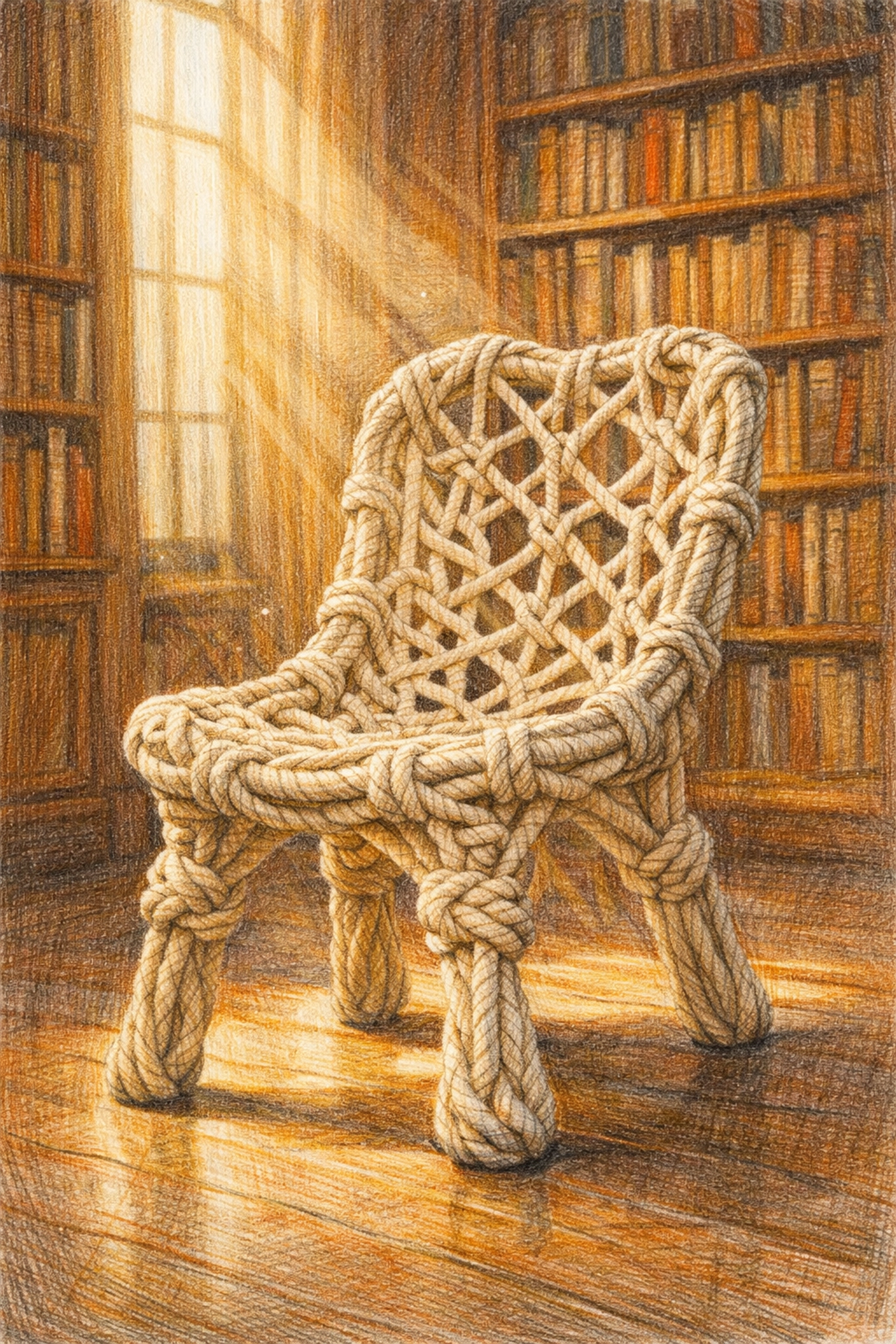
You can’t talk about Wanders without mentioning the piece that put him on the map in 1996: The Knotted Chair. At first glance, it looks like a delicate piece of macramé or a traditional handcrafted stool. In reality, it’s made from aramid and carbon fibers, coated in epoxy resin to make it rigid and incredibly strong.
This chair was a manifesto. It proved that you could take "low-tech" traditional techniques and marry them to "high-tech" materials. This duality: the old world meeting the new: is the DNA of his signature style. For hotel owners, this was a revelation. It showed that you could create spaces that felt cutting-edge without losing the warmth of history.
Redefining the Luxury Hotel Experience
When Wanders moved into hospitality, he didn’t just design furniture; he designed entire universes. His projects are immersive experiences that start the moment you pull up to the valet.
Mondrian Doha: A Modern Arabian Fantasy
One of his most legendary projects is the Mondrian Doha in Qatar. It’s a masterclass in luxury hospitality design. Instead of leaning into the standard "gold-plated everything" look often found in luxury Middle Eastern hotels, Wanders created a literal wonderland.
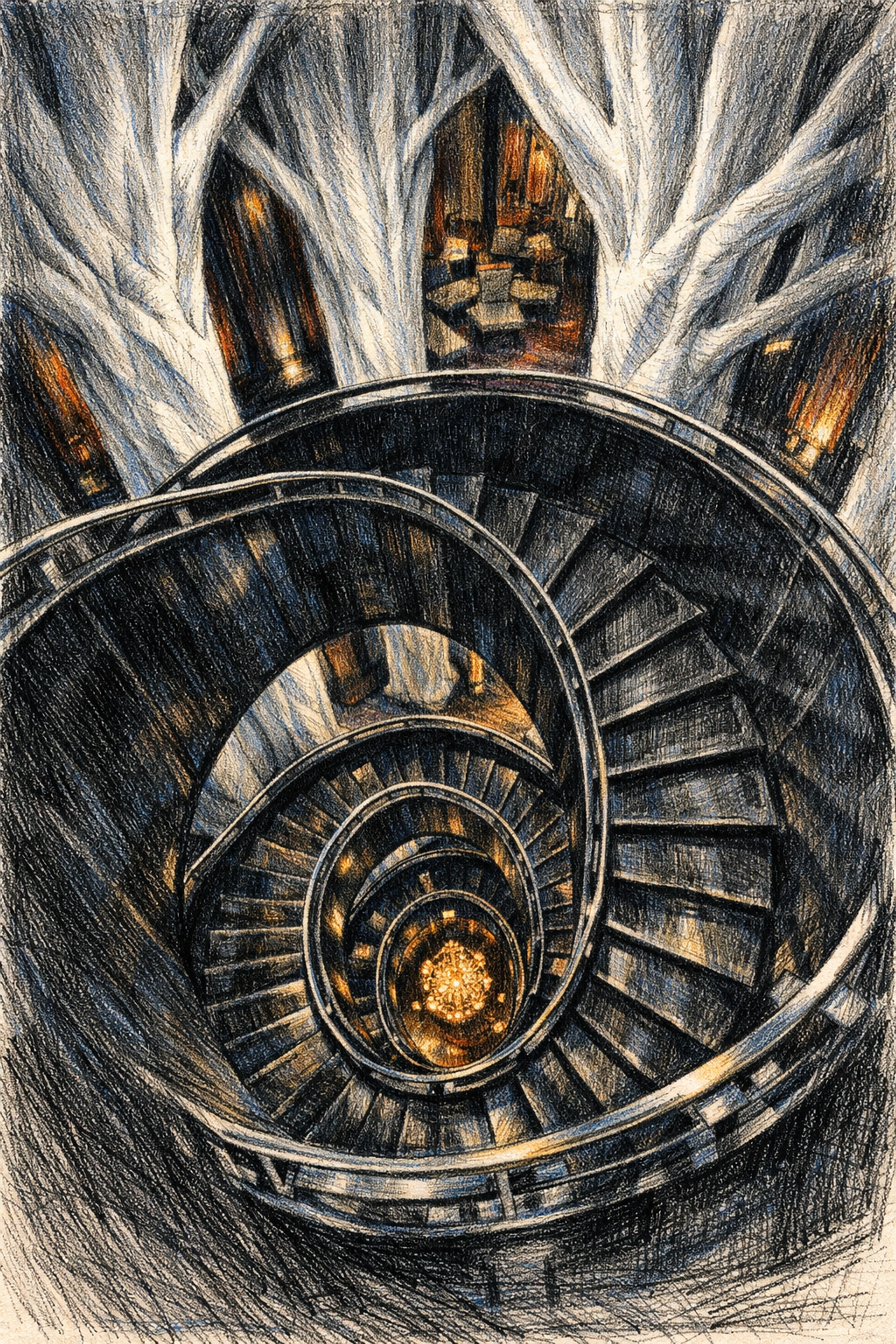
The hotel features a massive black spiral staircase that looks like it belongs in a giant’s library, oversized white forest-like columns in the lobby, and custom patterns that pay homage to traditional Arabic calligraphy and textures. It’s bold, it’s theatrical, and it’s unforgettable. In a world where every hotel is trying to be "Instagrammable," Wanders was doing it before the app even existed.
Andaz Amsterdam Prinsengracht: Storytelling in Design
Another standout is the Andaz Amsterdam. Located in a former public library, the design is a love letter to Dutch history. Wanders used the concept of "The Golden Age" and Dutch maritime history as a jumping-off point.
You’ll find wallpaper that tells the story of the city’s past, "Alice in Wonderland" proportions in the garden, and custom-made bells used as chandeliers. This is the essence of boutique hotel interior design: taking a local story and magnifying it until the building itself becomes a narrator. Guests don’t just stay at the Andaz; they live inside a Dutch folk tale.
The Sustainability Factor: Design for Longevity
When we talk about sustainable hotel architecture, we often focus on solar panels or low-flow faucets. While those are important, Wanders brings a different perspective to the table: the sustainability of the soul.
Wanders argues that the most "sustainable" thing we can do is create objects and spaces that people love so much they never want to throw them away. In a "throwaway culture," he designs for the ages.
By using high-quality materials and creating designs that feel "timeless" because they don't follow passing trends, he contributes to a more sustainable world. When a hotel’s interior design is so iconic that it doesn’t need a renovation every five years, that is a win for the environment and the owner's bottom line. His focus on "contemporary heritage" ensures that his designs don’t feel dated; they feel like they’ve always been there, even when they’re brand new.
Moooi and the Power of Collaboration
In 2001, Wanders co-founded Moooi, a design label that has become a powerhouse in the hospitality world. The word "mooi" is Dutch for "beautiful," and the extra 'o' stands for an extra value in terms of beauty and uniqueness.
Through Moooi, Wanders has provided a platform for other designers to push boundaries. If you see a lighting fixture in a boutique hotel that looks like a giant bird or a chair that looks like it’s been burnt to a crisp (the Smoke Chair by Maarten Baas), it likely came from Moooi. By fostering this community, Wanders has ensured that the "whimsical luxury" movement continues to evolve and stay fresh.
Why It Matters for Your Next Project
You might be thinking, "This all sounds great, but I’m not building a $500 million hotel in Doha."
The lesson we take from Marcel Wanders at My Hotel Design is that scale doesn't dictate soul. Whether you are opening a 10-room boutique inn or a 200-room luxury resort, the principles Wanders uses are universal:
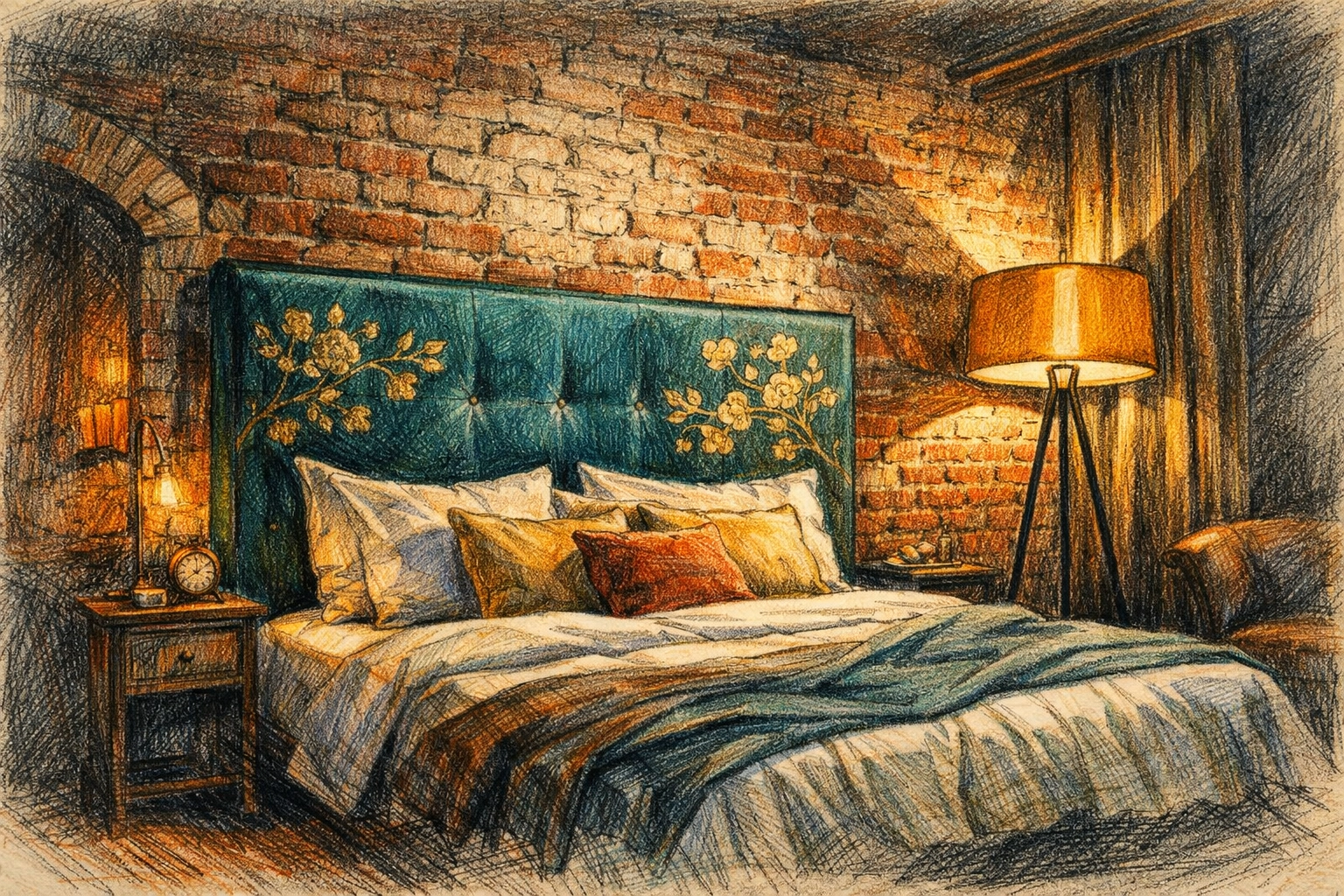
- Don't be afraid of the "Wow": Neutral palettes are safe, but they aren't memorable. Find one area: the lobby, the bar, the headboards: to go big and bold.
- Tell a Local Story: Use the history of your building or your city to guide your design choices. It gives the space a sense of place that guests crave.
- Mix the Old with the New: You don’t have to choose between "modern" and "traditional." The magic happens in the middle.
- Design for Emotion: Ask yourself how you want a guest to feel when they walk in. If the answer is "at home," "inspired," or "surprised," design toward that feeling.
The Legacy of Marcel Wanders
Marcel Wanders proved that luxury doesn't have to be serious to be sophisticated. He brought back the idea that designers should be "servants" to the user’s imagination. By blending the craftsmanship of the past with the possibilities of the future, he has set a new standard for what luxury hospitality design can achieve.
As we look toward the future of the industry, his influence is everywhere. We see it in the rise of maximalism, the focus on artisanal details, and the move toward creating "experiential" spaces rather than just "functional" ones.
Wanders once said, "I am here to create an environment of love, live with passion, and make our most exciting dreams come true." For those of us in the world of hotel design, that’s a mission statement worth following.
At My Hotel Design, we’re inspired by this kind of bold thinking. If you’re looking to bring a bit of that Wanders-esque magic to your next project: balancing tradition, innovation, and a whole lot of personality: you're in the right place.
Luxury isn't about how much you spend; it's about the richness of the story you tell. And as Marcel Wanders has shown us, there are still plenty of amazing stories left to tell.