If you have spent any time scrolling through design magazines or Instagram over the last decade, you have almost certainly seen her work. You know the one: the incredibly famous, candy-pink room at Sketch in London? That is the work of India Mahdavi.
As the founder of My Hotel Design, I’ve spent years looking at what makes a hotel transition from just a place to sleep into a global destination. India Mahdavi is one of the few designers who consistently manages to pull this off. Based in Paris but with a background that spans Iran, Egypt, and the United States, she brings a "polyglot" sensibility to boutique hotel interior design. She doesn’t just design rooms; she creates moods.
Whether you are an owner looking to refresh your property or a designer seeking that next spark of genius, understanding Mahdavi’s approach is essential. Here are 10 things you should know about her iconic style and how it has redefined luxury hospitality design.
1. She is the Undisputed "Queen of Color"
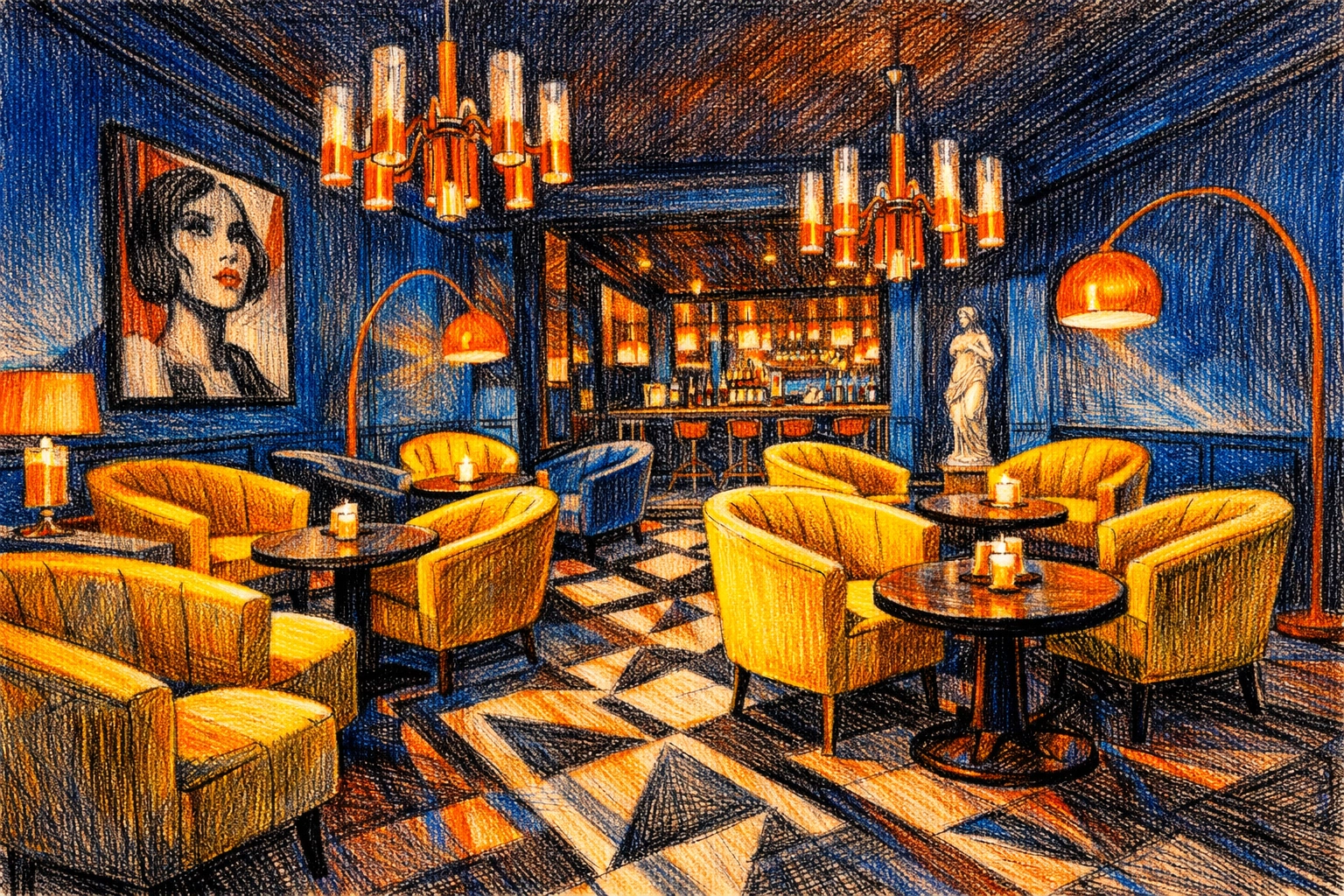
Most luxury designers play it safe with beige, gray, and "greige." Mahdavi does the opposite. She treats color as a primary material, not just a finishing touch. Her palettes are often inspired by the masters of art: think of the vivid yellows and deep blues you’d find in a Van Gogh painting.
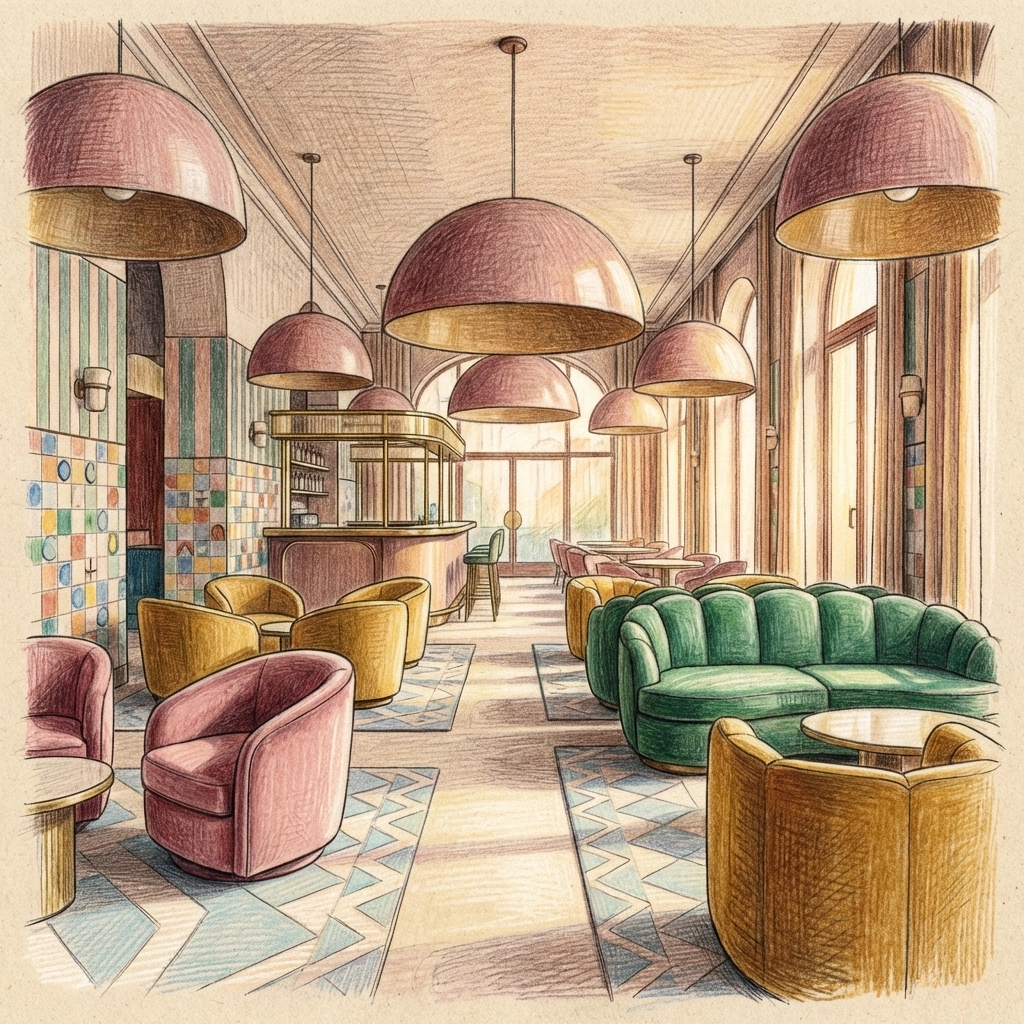
In her projects, you’ll see splashes of cadmium yellow, chrome orange, and maritime blues that feel both incredibly modern and deeply nostalgic. This isn't just about being bright; it’s about using color to manipulate the guest's emotion. In the world of boutique hotel interior design, color is one of the most cost-effective ways to create a "signature" look, and Mahdavi is the master of the craft.
2. The "Sexy Chic" Aesthetic
There is a specific term often used to describe her work: "Sexy Chic." But what does that actually mean? In Mahdavi’s world, it’s the perfect balance between sophisticated elegance and a playful, almost flirtatious sense of fun.
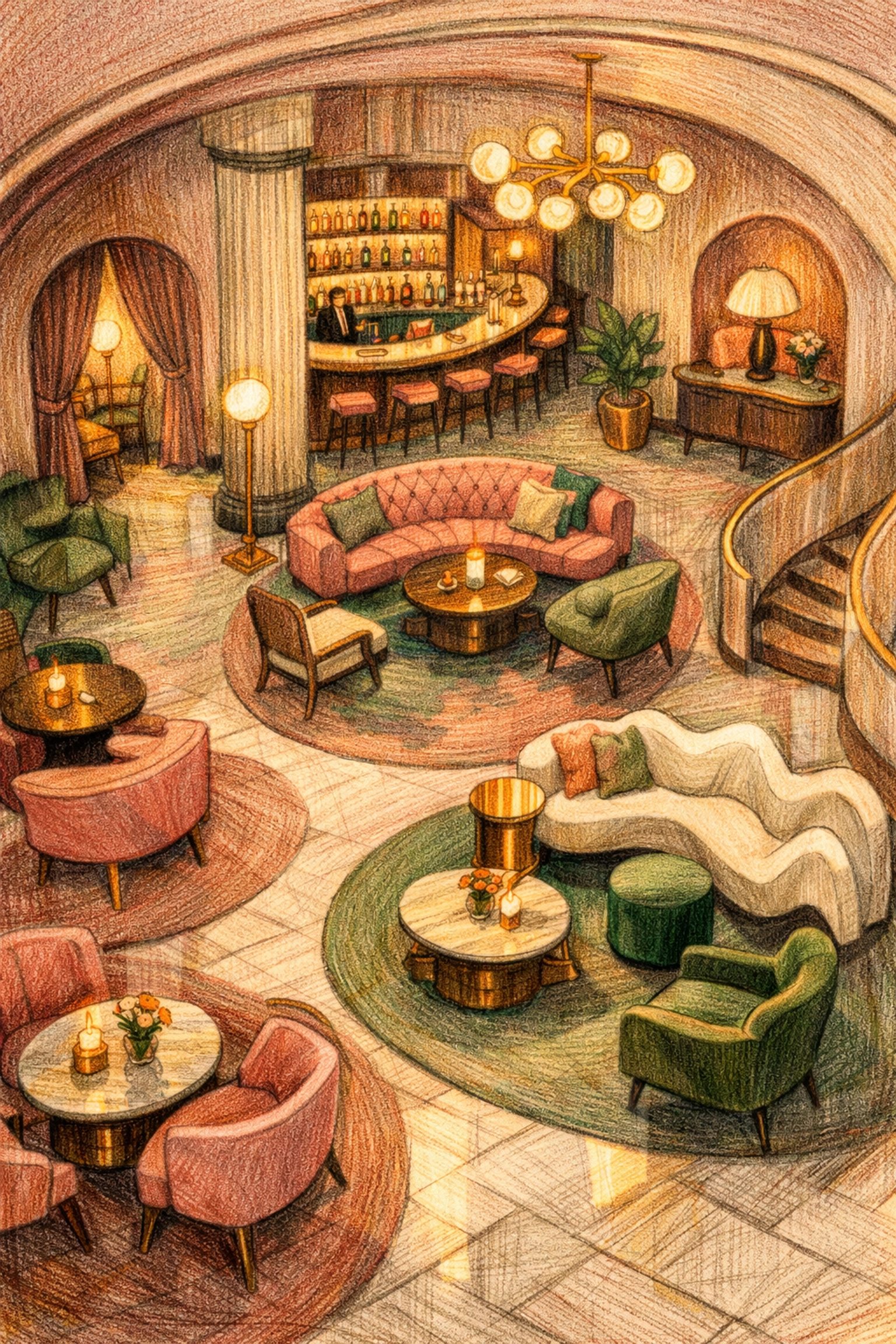
Luxury can sometimes feel stiff or intimidating. You walk into a five-star lobby and feel like you can’t touch anything. Mahdavi breaks that barrier. Her designs invite you to sit down, stay a while, and enjoy yourself. By mixing soft curves with high-end finishes, she makes high luxury feel approachable and inviting.
3. A Deep Respect for Historical Architecture
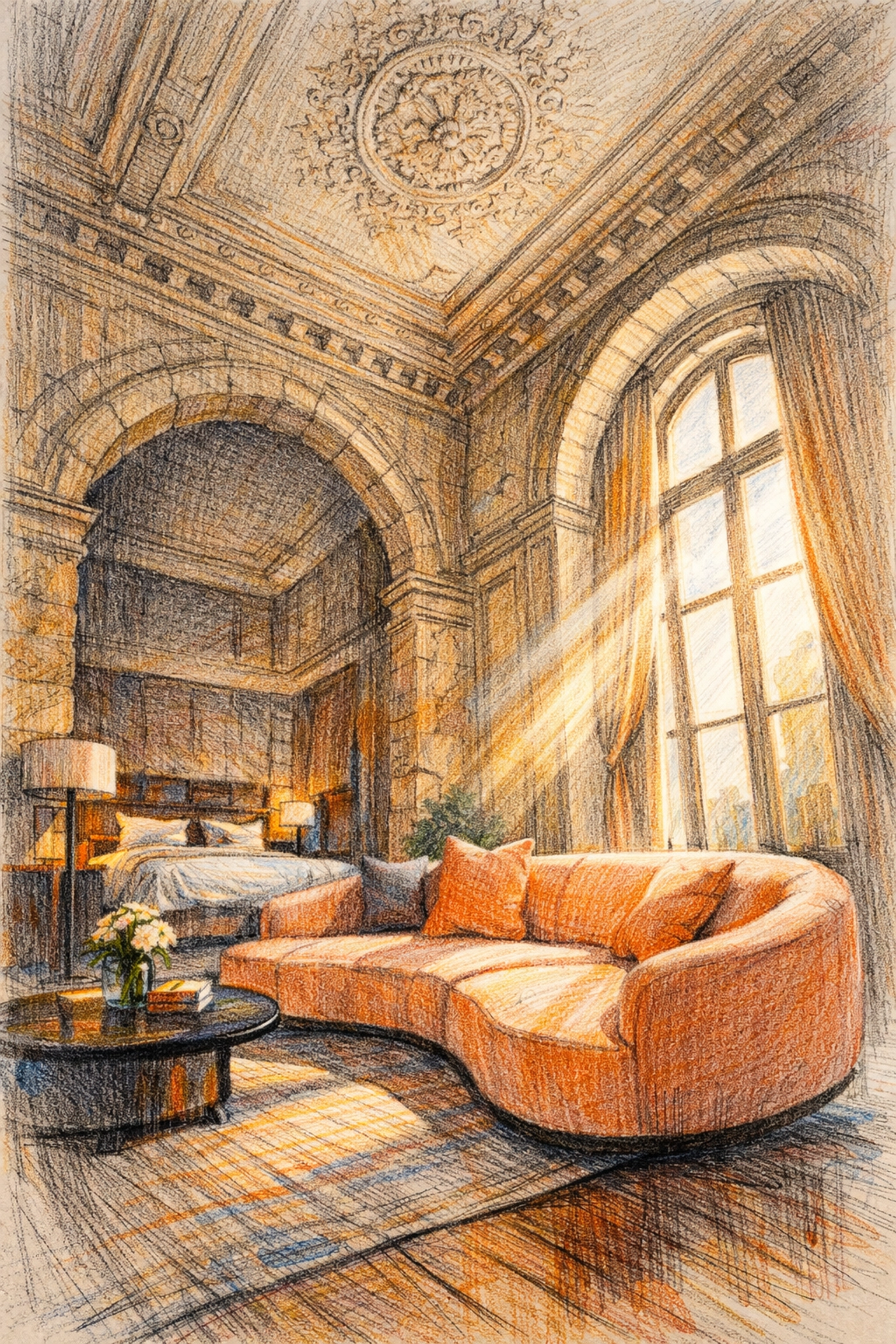
When she takes on a project involving a historic building, she doesn’t try to erase the past. Instead, she treats the original architecture with reverence while injecting it with a shot of modern energy.
Take her work on the Monte-Carlo Beach hotel, for example. She preserved the architectural heritage: the high ceilings and the classic bones of the building: but used vibrant, modern elements to bring it into the 21st century. This balance is crucial for sustainable hotel architecture. By reusing and celebrating existing structures rather than tearing them down, designers can create spaces that feel timeless rather than trendy.
4. Playful Pattern Integration
Patterns can be scary. Use too many, and the room feels chaotic; use too few, and it feels flat. Mahdavi uses patterns: stripes, diamonds, and geometric shapes: to create visual rhythm.
She often looks back at artistic heritage to find these patterns, ensuring they feel grounded in culture. These aren't just random shapes; they are intentional choices that guide the eye through the room. For a hotel, this means every corner becomes a discovery, keeping the guest engaged with their surroundings.
5. The Art of the "Mix"
You won't find a "showroom" look in an India Mahdavi interior. She is a master at mixing different styles and eras. She will pair a custom-made, bespoke velvet sofa with a minimalist Scandinavian chair or a piece of vintage furniture found at a local market.
This curated approach is what makes a hotel feel "boutique." It feels personal, like it was collected over time by a very stylish friend, rather than ordered from a catalog. For hotel owners, this is a great lesson: you don't have to buy everything from one supplier. The "mix" is where the magic happens.
6. A Deep Connection to the Environment
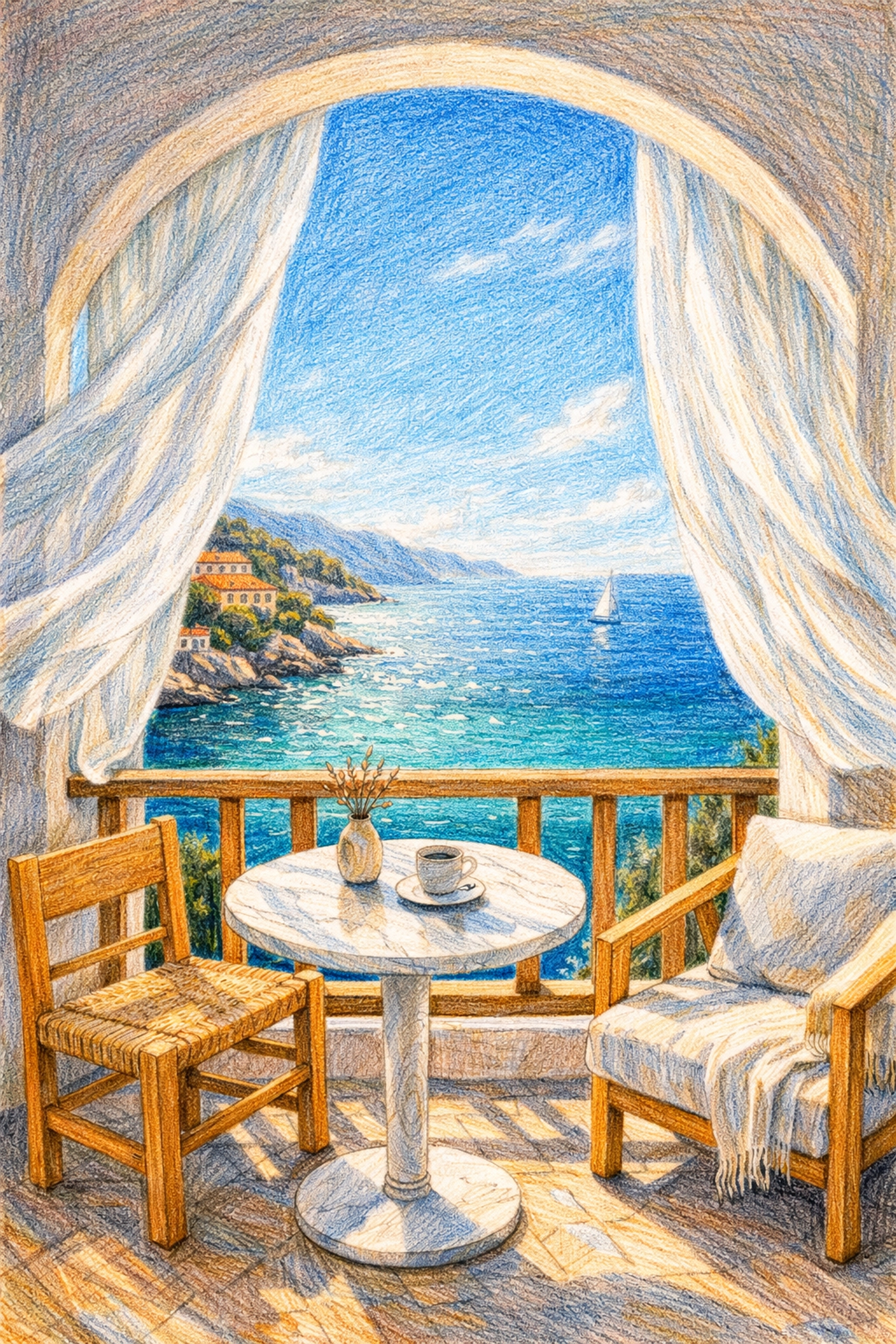
One thing people often overlook about Mahdavi’s work is how well it sits within its landscape. Her designs embrace their settings by maximizing natural light and using colors that reflect the outside world.
Whether it’s the sunny yellows of a Mediterranean resort or the cool, crisp whites of a coastal retreat, her interiors feel connected to the world outside the windows. This connection is a key pillar of luxury hospitality design. Guests want to feel like they are somewhere specific, not just in a generic luxury box that could be in any city in the world.
7. Harmony Over Ostentation
In the early 2000s, luxury was often synonymous with "more." More gold, more crystals, more marble. Mahdavi pushed back against that. For her, true luxury comes from the perfect harmony of form and function.
She prioritizes proportion and the quality of materials over obvious displays of wealth. It’s a more refined, "quiet" luxury. This approach is actually a big part of sustainable hotel architecture: by choosing quality over flash, the design stays relevant for decades rather than needing a renovation every five years.
8. Regional and Cultural References
Mahdavi is a global citizen, and it shows. Her projects always incorporate local imagery and heritage. When she worked in Arles, France, she captured the passionate temperament of Provence. When she worked in London, she captured a certain cosmopolitan wit.
By weaving local culture into the design, she creates a sense of "place." This is what modern travelers are looking for: an authentic experience that feels rooted in the local community. It turns a hotel stay into a cultural immersion.
9. The Use of "Noble" Materials
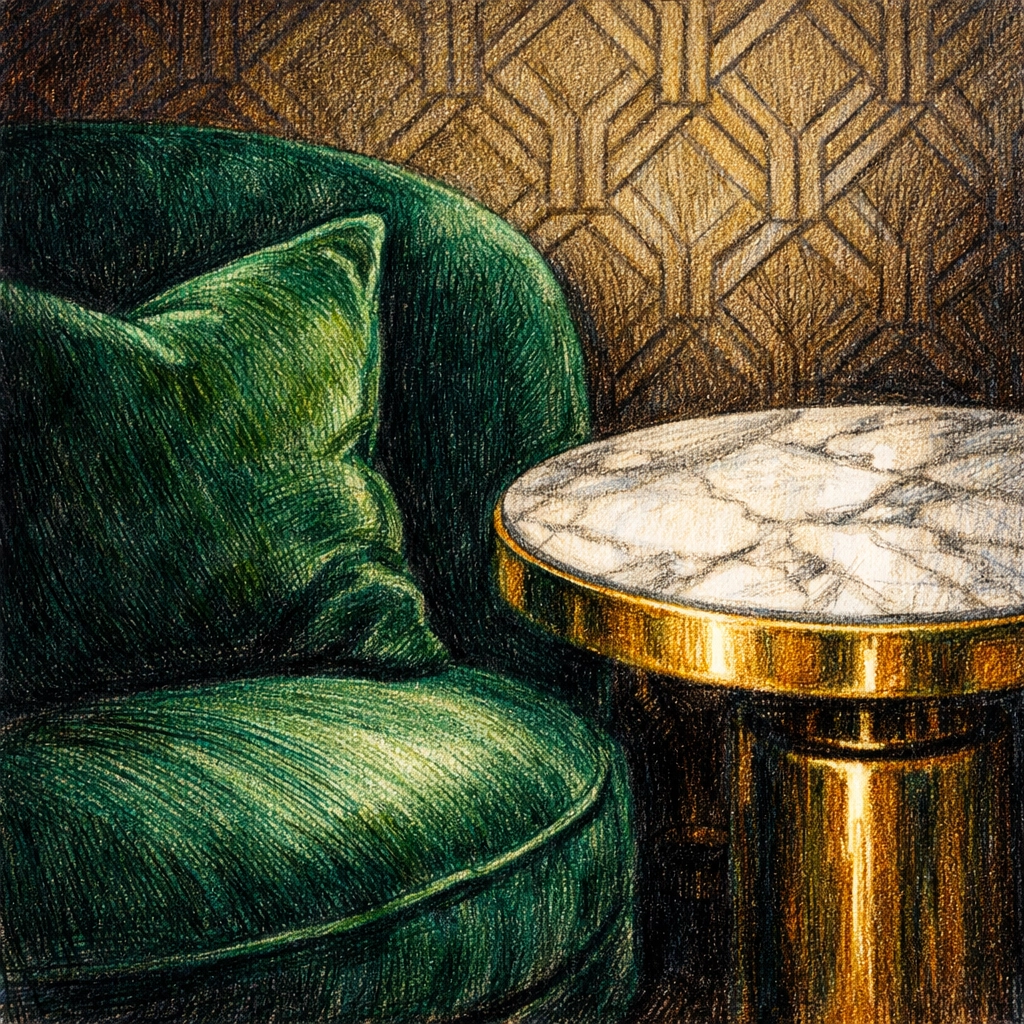
While her style is playful, her materials are serious. She frequently uses what she calls "noble" materials: marble, brass, polychrome velvet, and high-quality woods like Scandinavian pine.
These materials feel good to the touch and age beautifully. In boutique hotel interior design, the "tactile" experience is just as important as the visual one. If a guest touches a cold, cheap plastic surface, the illusion of luxury is broken. Mahdavi ensures that every surface a guest encounters feels premium.
10. A Cross-Disciplinary Mindset
India Mahdavi doesn't just do hotels. She designs restaurants, retail stores (like the stunning REDValentino shops), galleries, and even private airplane interiors.
This cross-disciplinary approach allows her to bring fresh ideas into the hospitality world. She might take a lighting idea from a gallery or a seating arrangement from a high-end retail concept and apply it to a hotel lobby. This versatility is why her work always feels fresh; she isn't stuck in the "hospitality bubble."
Why India Mahdavi Matters for Your Next Project
So, why am I telling you all this? Because the hospitality industry is changing. Guests aren't just looking for a room; they are looking for an identity. They want to stay in a place that has a point of view.
Mahdavi’s work proves that you can be bold, colorful, and playful while still maintaining the highest standards of luxury. She also shows us that sustainable hotel architecture isn't just about solar panels and low-flow toilets: it's about creating spaces that are so well-loved and well-built that they never need to be replaced.
If you’re looking for inspiration for your next project, take a page out of Mahdavi’s book:
- Don't be afraid of color. It's your strongest tool.
- Mix the old with the new. Custom pieces give a soul to the space.
- Respect the building. Let the history of the site guide your design.
- Focus on the feel. Luxury is about how a guest feels, not how much the chandelier cost.
At My Hotel Design, we’re always looking at how these global icons are shaping the future of travel. India Mahdavi has set a high bar, but the principles she uses: harmony, color, and cultural connection: are things any hotelier can aim for.
Final Thoughts
Designing a hotel is a marathon, not a sprint. It takes a clear vision to see a project through from the initial sketches to the day the first guest checks in. By studying designers like India Mahdavi, we can see that the most successful projects are the ones that aren't afraid to have a personality.
Whether you're going for a "sexy chic" vibe or something more understated, remember that the best designs are the ones that tell a story. What story is your hotel telling?
If you need help finding your hotel's signature style, or if you're looking to integrate more sustainable hotel architecture into your next build, feel free to reach out. We're here to help you build something iconic.
: Robert Rupp, Founder, My Hotel Design