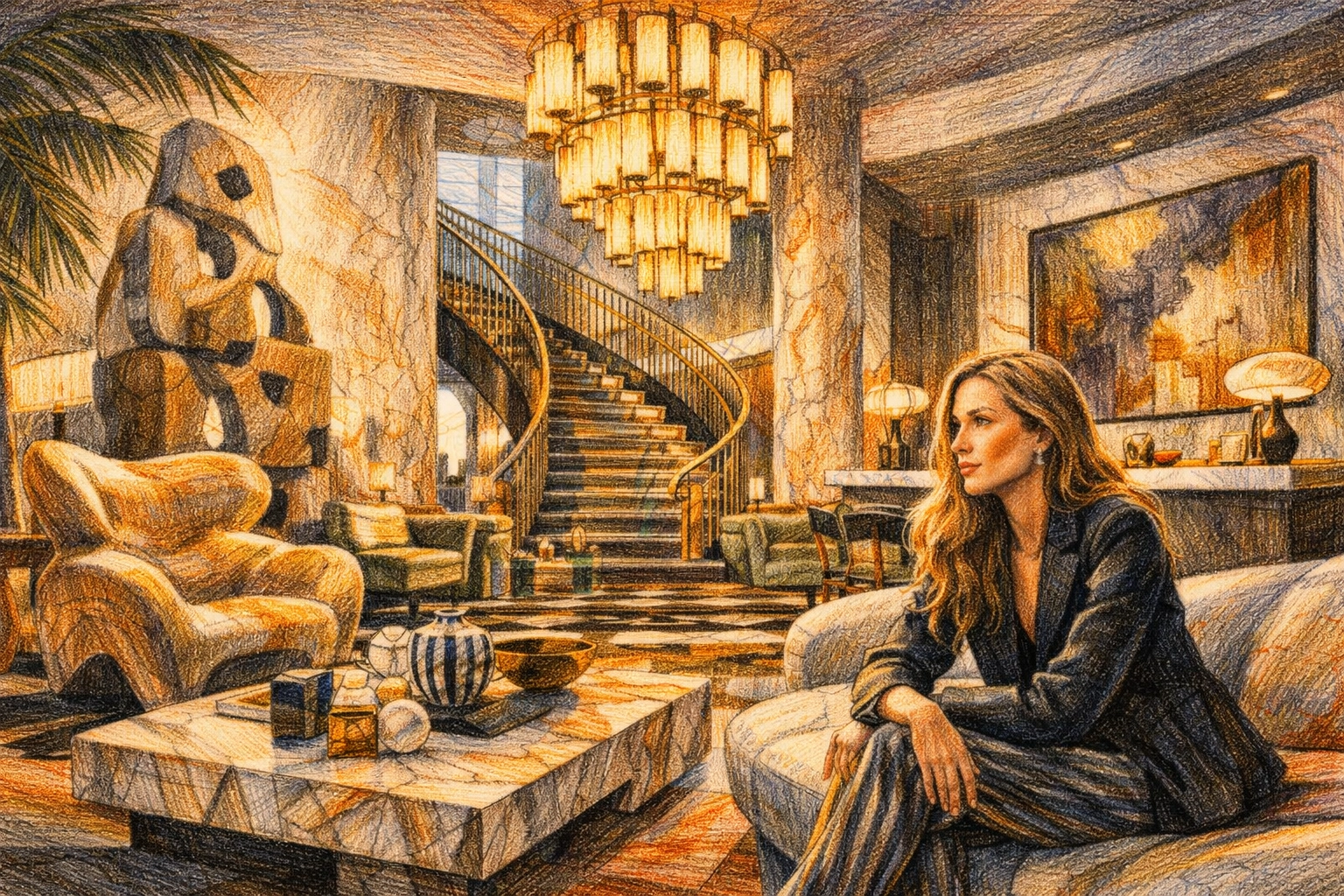
If you have spent even five minutes looking at a design magazine or scrolling through a high-end travel feed over the last two decades, you have encountered the work of Kelly Wearstler. She is often called the "Presiding Grande Dame of West Coast Interior Design," but honestly, that feels a bit too formal for someone who has spent her career breaking every rule in the book.
At My Hotel Design, we are constantly looking at the giants of the industry to see what makes a space truly iconic. When it comes to luxury hospitality design, Kelly Wearstler isn't just a name; she’s a movement. From the mid-century revivalism of the late 90s to the soul-stirring maximalism of the modern Proper Hotels, she has redefined what it means to stay in a "boutique" space.
In this guide, we are diving deep into her world. We’ll look at how she started, her signature "raw-meets-refined" style, and why her approach is the blueprint for anyone looking to succeed in the competitive world of high-end hotel development.
The Designer Who Changed Everything
Kelly Wearstler didn’t start with a massive firm. She started with a solo practice in 1995. But the real "big bang" moment for her career: and for boutique hotel interior design as a whole: happened in 1999 with the Avalon Hotel in Beverly Hills.
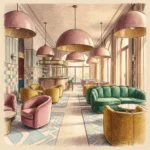
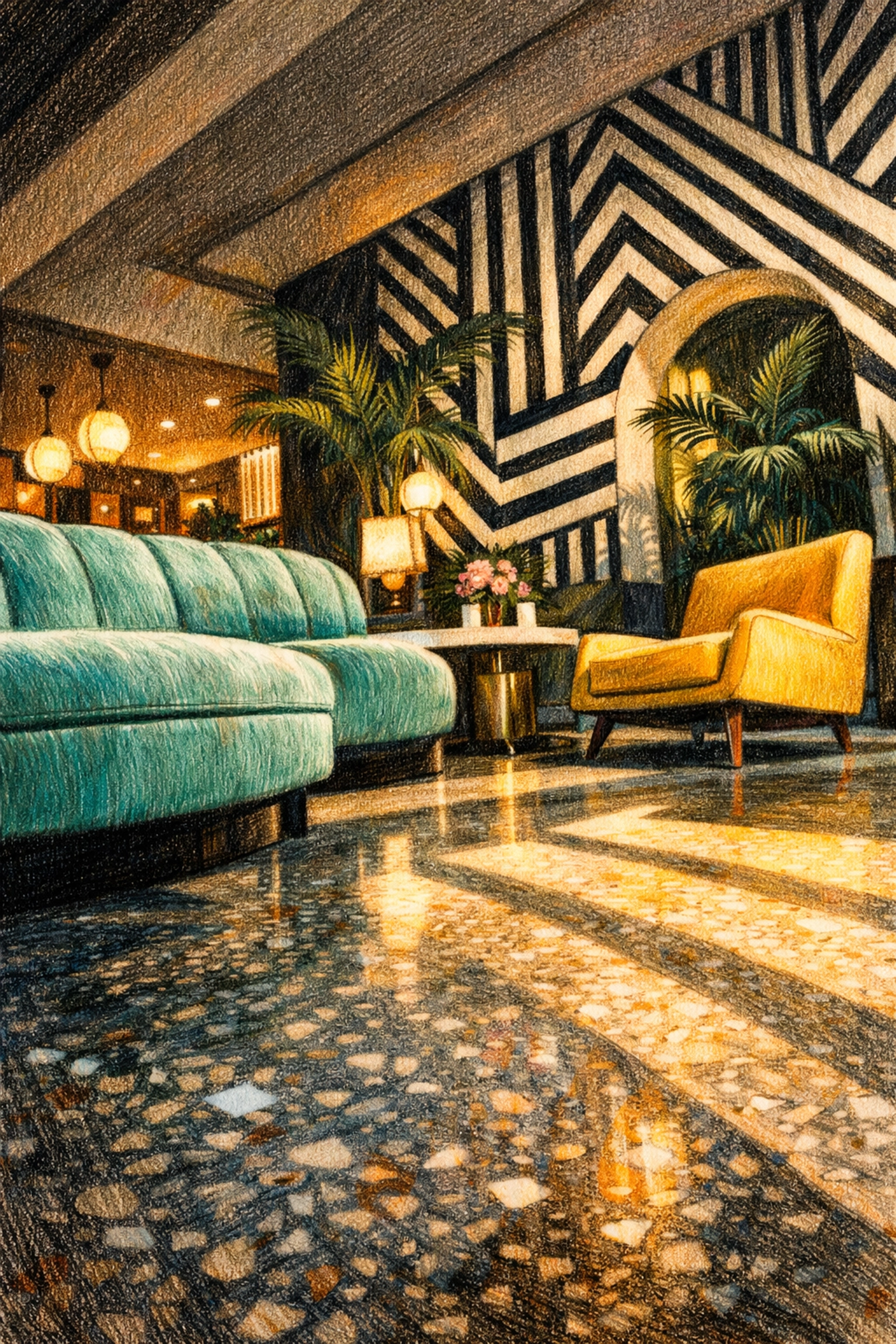
Before the Avalon, boutique hotels were often trying to be either ultra-minimalist (think Ian Schrager’s white-on-white era) or traditional luxury. Wearstler did something different. She introduced what the media called "medieval modernism." She took mid-century shapes, added playful colors like seafoam green and yellow, and mixed them with graphic patterns that shouldn’t have worked together, but did.
It was a wake-up call for the industry. It proved that a hotel didn't have to look like a museum or a corporate office. It could look like a very wealthy, very eccentric friend's home.
The Wearstler Philosophy: Sensory Overload (In a Good Way)
What makes a Wearstler project instantly recognizable? It’s rarely one single item. Instead, it’s the vibe. Her design philosophy is built on the idea that a space should be a multi-layered, stimulating sensory experience. She doesn’t want you to just look at a room; she wants you to feel it, smell it, and be provoked by it.
1. Juxtaposition is King
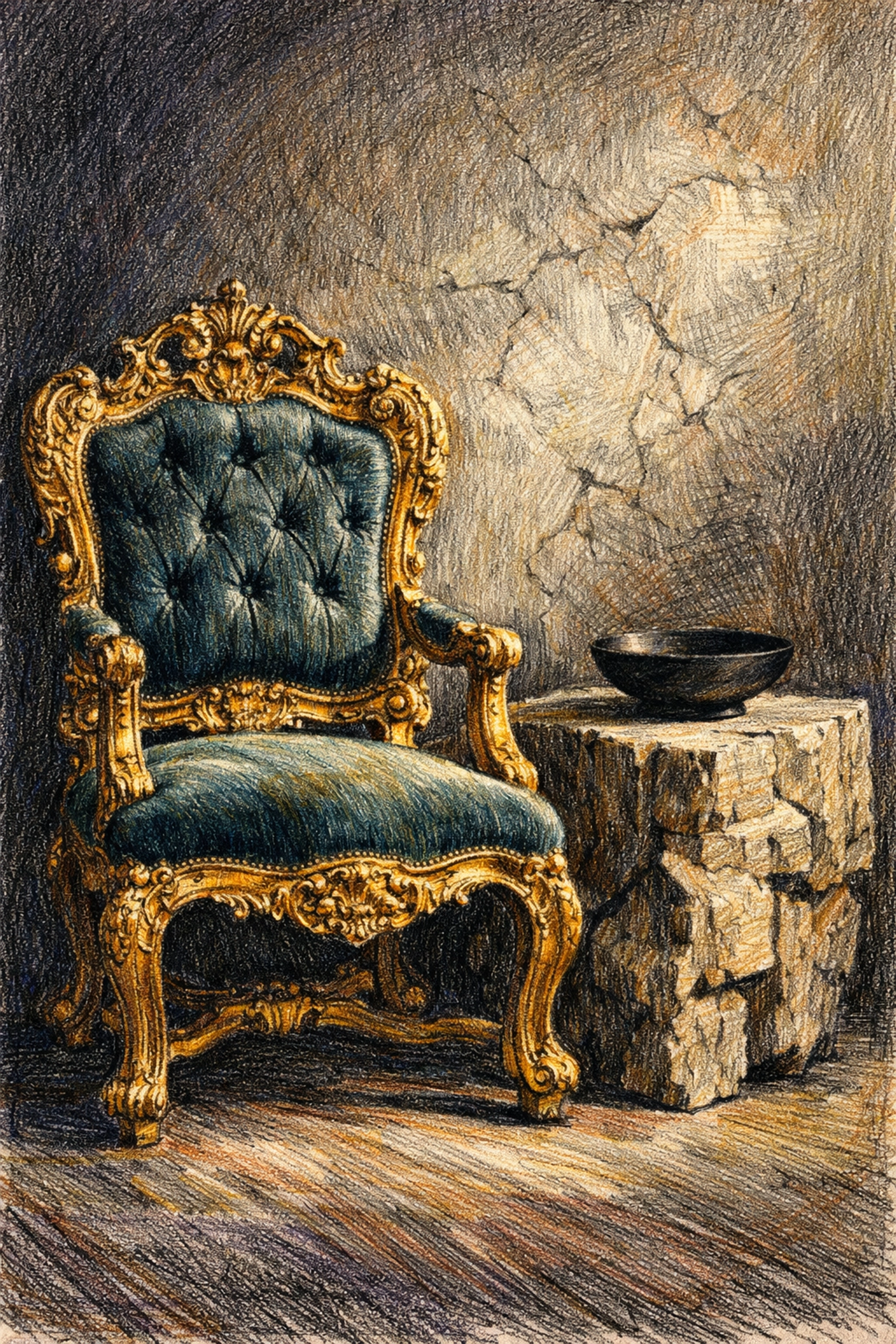
Wearstler is the master of the "mix." You’ll see a 17th-century French chair sitting next to a custom-made geometric brass table, under a piece of hyper-modern street art. She believes that pairing contemporary and vintage elements creates a sense of history that a brand-new building often lacks. In luxury hospitality design, this is crucial because it makes the guest feel like the hotel has a soul.
2. Materiality and Texture
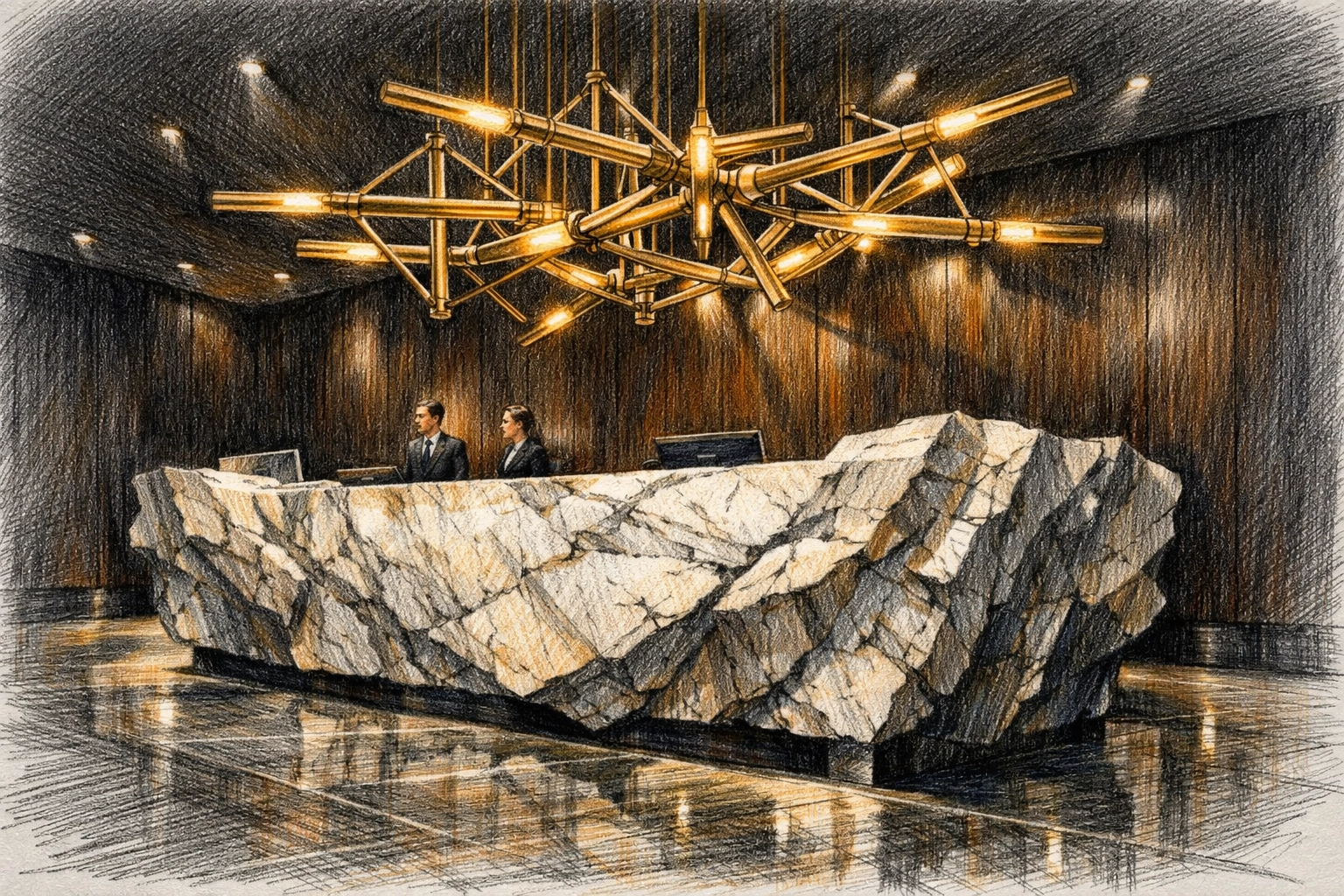
She is obsessed with materials. We’re talking raw stone, hand-blown glass, charred wood, and metals that patina over time. She often uses "architectural" forms: things that look like they were carved out of a mountain: and pairs them with "organic" forms that feel soft and feminine. This contrast keeps the eye moving and makes every corner of a hotel lobby worth investigating.
3. The Power of Graphic Design
Wearstler actually studied graphic design, and you can see it in her work. Whether it’s a bold black-and-white marble floor or a custom wallpaper pattern, she uses strong lines and repetition to create a sense of rhythm. This is a great tip for anyone in hotel design: a strong floor pattern can anchor a massive lobby and give it a clear identity.
The Proper Hotels: A Masterclass in Modern Luxury
If the Avalon was her debut, the Proper Hotel chain is her magnum opus. Collaborating with the Proper Hospitality group, Wearstler has created a series of hotels in San Francisco, Santa Monica, Austin, and Downtown LA that represent the current pinnacle of boutique hotel interior design.
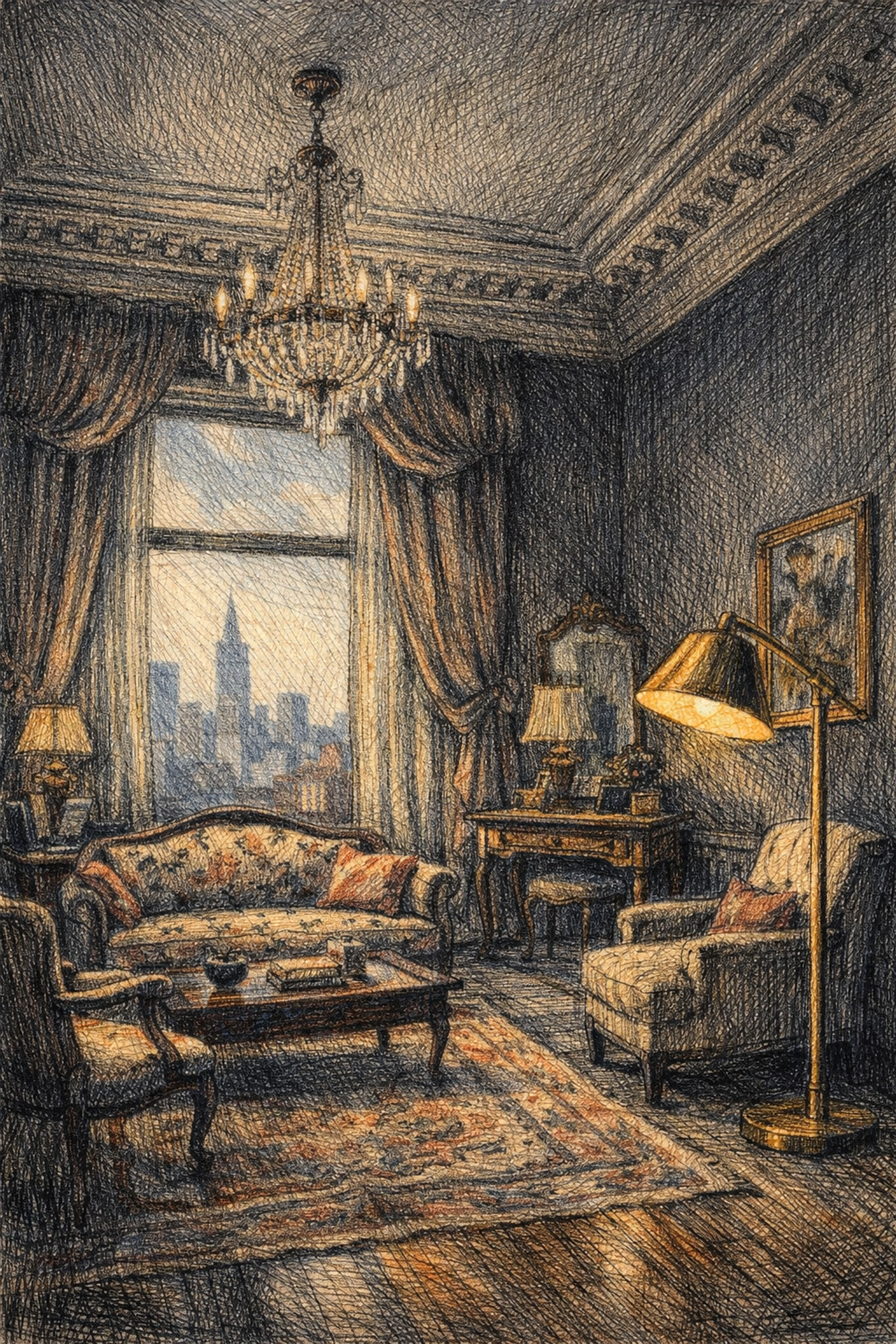
Take the San Francisco Proper, for example. The building is a flatiron-style historic landmark. Instead of fighting the old architecture, she leaned into it. She used deep, moody colors and an incredible amount of vintage furniture sourced from all over Europe. It feels like a bohemian palace.
Contrast that with the Santa Monica Proper, which is all about the "California Cool" aesthetic. It’s lighter, using neutral tones, sandy textures, and indoor-outdoor flows. Even though the two hotels look completely different, they share that same "Wearstler DNA": the feeling that every single object was hand-picked for that specific spot.
Sustainability Through Longevity and Craft
When we talk about sustainable hotel architecture and design, people often think about solar panels and low-flow toilets. While those are important, Wearstler’s approach offers another perspective: sustainability through quality and vintage sourcing.
By using high-quality natural materials like stone and bronze, she creates spaces that don't need to be ripped out and replaced every five years. They age gracefully. Furthermore, her heavy use of vintage pieces is the ultimate form of recycling. Instead of mass-producing new furniture that will end up in a landfill, she breathes new life into mid-century treasures.
In the modern hospitality market, guests are looking for authenticity. A hotel that feels "disposable" is no longer luxury. A hotel that feels like it’s built to last a century? That’s the new standard for sustainable hotel architecture.
How to Design Like Kelly (Without the Multi-Million Dollar Budget)
You might not have a 50-person team in West Hollywood, but you can still apply her principles to your own hospitality projects. Here’s how:
- Don't be afraid of the dark: Wearstler often uses deep tones to create "mood." Don't feel like every hotel room has to be white to feel clean.
- Layer your lighting: Never rely on just overhead lights. Mix floor lamps, table lamps, and sconces at different heights to create drama.
- Invest in "Hero" pieces: You don’t need every chair to be a designer original. Pick one or two incredible pieces for the lobby: a massive stone front desk or a wild chandelier: and build the rest of the room around them.
- Celebrate the "Ugly": Kelly often uses objects that are a bit weird or "off." A lumpy ceramic vase or a chair with an odd shape adds character. Perfection is boring; personality is luxury.
The Influence on the Industry
Kelly Wearstler’s impact on the hospitality industry cannot be overstated. She took the "boutique" concept and made it "lifestyle." She proved that a hotel could be a destination in itself, not just a place to sleep.
Because of her, developers now understand that design isn't just an expense: it's a primary revenue driver. People book the Santa Monica Proper specifically because they want to experience the interior. They want the Instagram photo, sure, but they also want to feel the texture of the walls and sit in those specific chairs.
Her work with luxury houses like Dior and Louis Vuitton, as well as her own product lines, shows that her "eye" is a brand in itself. For anyone working in luxury hospitality design, the lesson is clear: have a point of view. Don't try to please everyone. The more specific and bold your vision is, the more loyal your guests will be.
Final Thoughts
Kelly Wearstler continues to push the boundaries because she refuses to stay in one lane. She is constantly experimenting with new technologies, 3D printing, and digital art, while still keeping one foot firmly planted in the history of architecture.
At My Hotel Design, we believe the future of hotels lies in this balance. We need to be sustainable, we need to be functional, but above all, we need to be inspiring. Kelly has shown us that when you lead with emotion and a bit of a "rebel" spirit, you can create something truly timeless.
Whether you're planning a 200-room luxury resort or a 10-room boutique hideaway, remember: every surface is an opportunity to tell a story. Make sure yours is worth listening to.
Want to stay updated on the latest trends in hotel design? Keep following Robert and the team at My Hotel Design for more deep dives into the world’s most influential architects and designers.