When we talk about the intersection of high fashion, architecture, and ultra-luxury hospitality, one name stands above the rest: Peter Marino. Often called "The Leather Architect" because of his signature personal style, Marino has spent decades redefining what it means to step into a luxury space.
At My Hotel Design, we’re always looking at the masters to see what boutique hotel owners can learn. Whether you’re planning a 20-room hideaway or a high-end urban retreat, Peter Marino’s approach to boutique hotel interior design offers a masterclass in texture, art, and the "total work of art" (Gesamtkunstwerk) philosophy.
In this deep dive, we’ll look at 15 specific designs, projects, and strategies from Marino’s portfolio that can help you level up your own hospitality strategy.
The Marino Philosophy: Architecture Meets Art
Before we jump into the projects, let’s talk about his vibe. Marino doesn't just pick out furniture. He curates an experience. His work is characterized by a "richness" that isn't just about gold and marble; it’s about the tactile quality of materials, bronze, leather, wood, and stone.
For a boutique hotel, this is the gold standard. You want your guests to feel something the moment they touch the check-in desk or sit in a lobby chair.
1. Cheval Blanc Paris: The Art of the Grand Entrance
Located in the heart of Paris, the Cheval Blanc is a lesson in luxury hospitality design. Marino took a 1920s Art Deco building and turned it into a 72-room masterpiece. The strategy here? Use the lobby as a cultural statement.
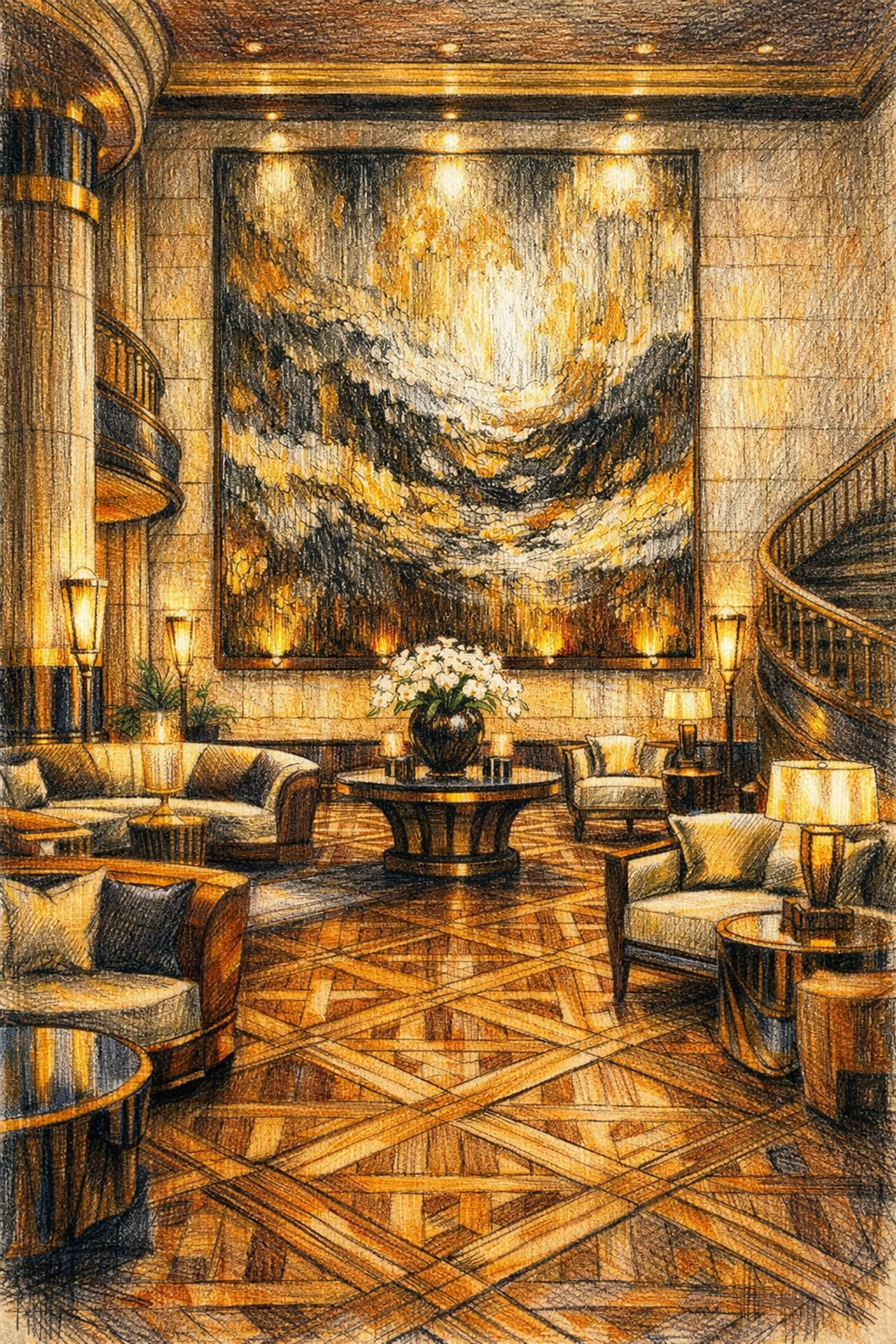
The main lobby features flooring inspired by Versailles parquet and contemporary artwork by Vik Muniz. For boutique hotels, the lesson is clear: don't just make a lobby a waiting room. Make it a gallery that tells the story of your location.
2. Hotel Cipriani, Venice: Balancing Heritage and Now
How do you refresh a legend without losing its soul? At the Hotel Cipriani, Marino updated 13 suites by blending 270-degree views of the Venetian Lagoon with contemporary Italian furniture.
He didn't tear down the history; he polished it. If your boutique hotel is in a historic building, follow Marino’s lead. Use local craftsmanship, like Murano glass or Venetian silks, but pair them with modern silhouettes to keep the space from feeling like a museum.
3. The Four Seasons New York: The Ty Warner Penthouse
While technically a suite, this is widely considered one of the most expensive and well-designed spaces in the world. Marino used cantilevered glass balconies and semi-precious stones.
The strategy for your hotel? Heightened Materiality. Even if you don't have a multi-million dollar budget, choosing one "hero" material, like a unique local stone for the bathroom vanities, creates a sense of "exclusive luxury" that guests remember.
4. Costa Smeralda Villas: Maritime Sophistication
In Sardinia, Marino’s work reflects the Mediterranean. He uses white and blue tones, but it’s the textures that do the heavy lifting. Think rough-hewn stone paired with smooth, polished wood.
For a coastal boutique hotel, avoid the "nautical" clichés (no anchors or rope mirrors, please). Instead, use the natural colors of the landscape in high-quality materials.
5. The "Retail-to-Hospitality" Pipeline
Marino is the go-to designer for Chanel, Dior, and Louis Vuitton. Why does this matter for your hotel? Because luxury retail is about "the linger." He designs spaces that make people want to stay.
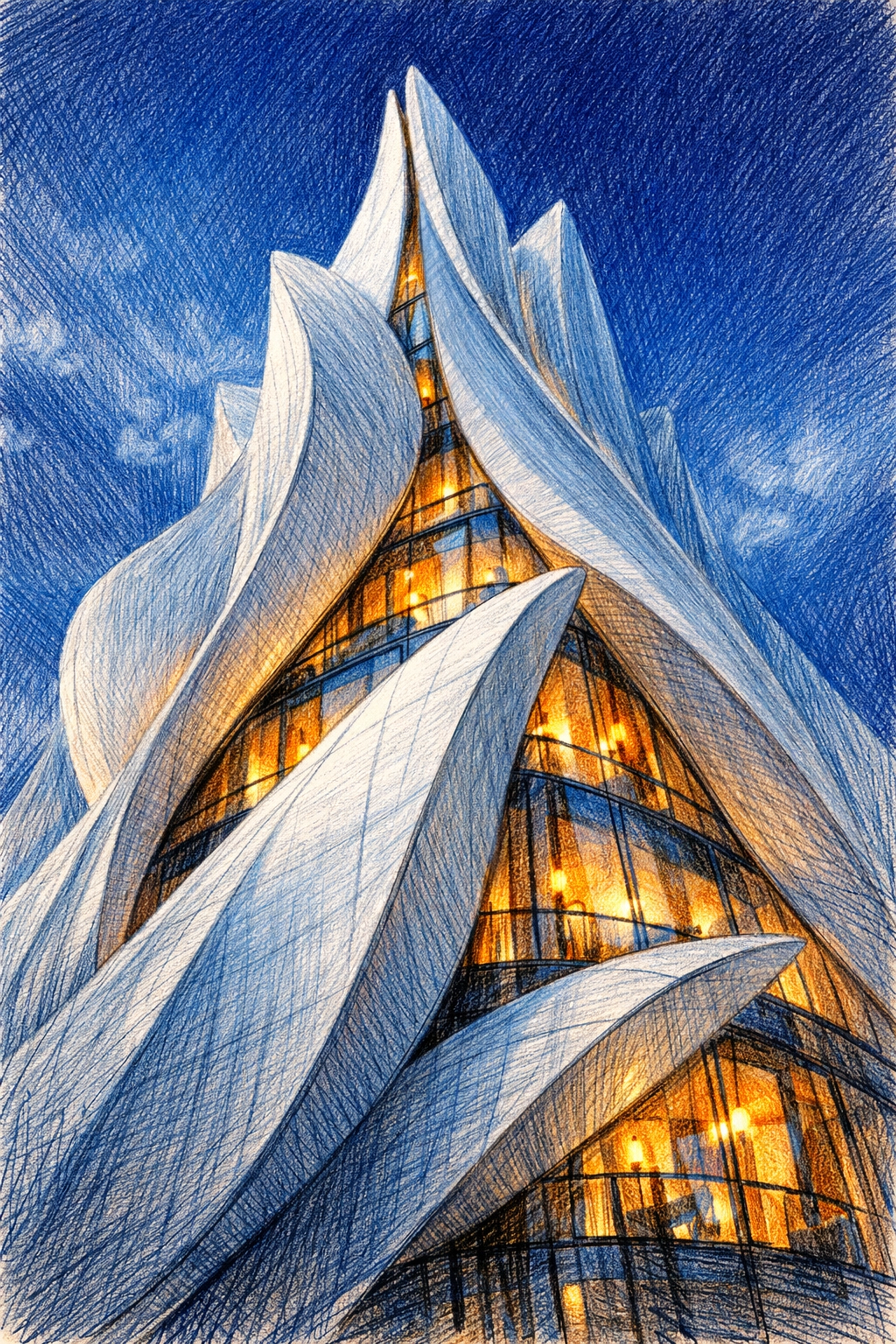
Take the Dior flagship in Seoul. The building itself is a sculpture. You can apply this to sustainable hotel architecture by making the building's exterior so iconic that it becomes a landmark, reducing the need for heavy traditional marketing.
6. Texture as a Language
If you look at any Marino project, you’ll see leather. Lots of it. Embossed, stitched, or raw. In a boutique hotel, the tactile experience is what separates you from the big chains.
Try wrapping a handrail in leather or using textured wallpaper that guests can’t help but touch. It builds a sensory connection to the brand.
7. Integrating Site-Specific Art
Marino is famous for commissioning art specifically for the space. In the Cheval Blanc, the art isn't just "on" the walls; it’s part of the walls.
When developing your boutique hotel interior design strategy, move away from generic "hotel art." Work with local artists to create pieces that could only exist in your hotel. This adds layers of authenticity.
8. Lighting as Drama
Marino rarely uses "flat" lighting. He uses light to create shadows, highlight textures, and guide the guest’s eye.
In your guest rooms, skip the standard overhead light. Use layers: floor lamps for warmth, task lighting for the desk, and accent lighting to highlight a piece of furniture or an architectural feature.
9. The Tokyo Influence: Cosmopolitan Luxury
His projects in Tokyo often blend high-tech sleekness with traditional Japanese minimalism. This "East meets West" approach is perfect for urban boutique hotels.
The strategy: Use clean lines and hidden technology. Your guests want a smart room, but they don't want to see the wires. Hide the tech inside beautiful, hand-crafted cabinetry.
10. Sustainable Luxury through Longevity
One of the core tenets of sustainable hotel architecture is durability. Marino’s designs are built to last decades, not years. He uses solid bronze, heavy stone, and thick leathers.
In your design strategy, avoid "fast furniture." It’s better to have five high-quality, durable pieces in a lobby than fifteen cheap ones that will need replacing in two years. This is better for the planet and your long-term bottom line.
11. Curated Color Palettes
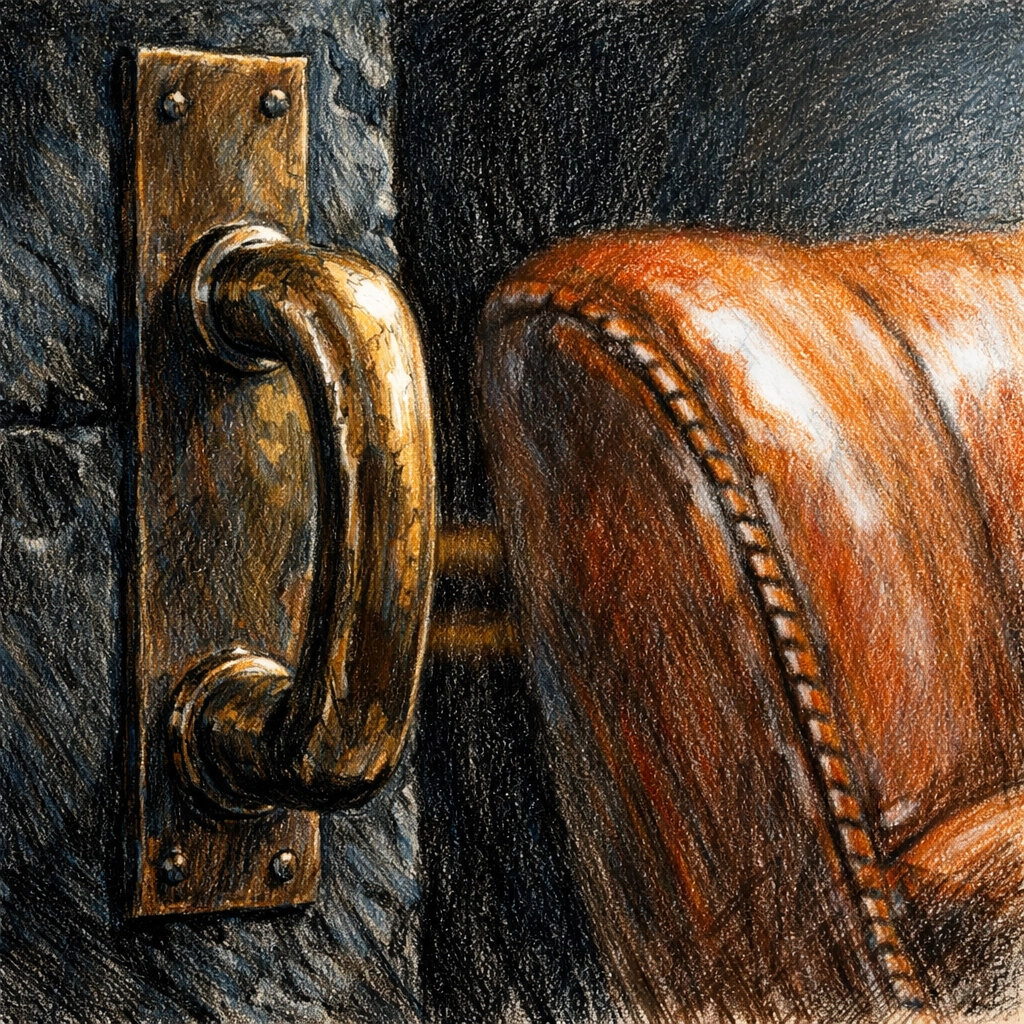
Marino often sticks to a "DNA" of colors. For Chanel, it’s black, white, and gold. For a boutique hotel, you need a signature palette.
Don't try to use every color in the rainbow. Pick three core tones and vary the textures. A monochromatic room with five different fabrics (silk, wool, linen, velvet, leather) looks far more expensive than a multi-colored room with cheap materials.
12. The "Residential" Feel
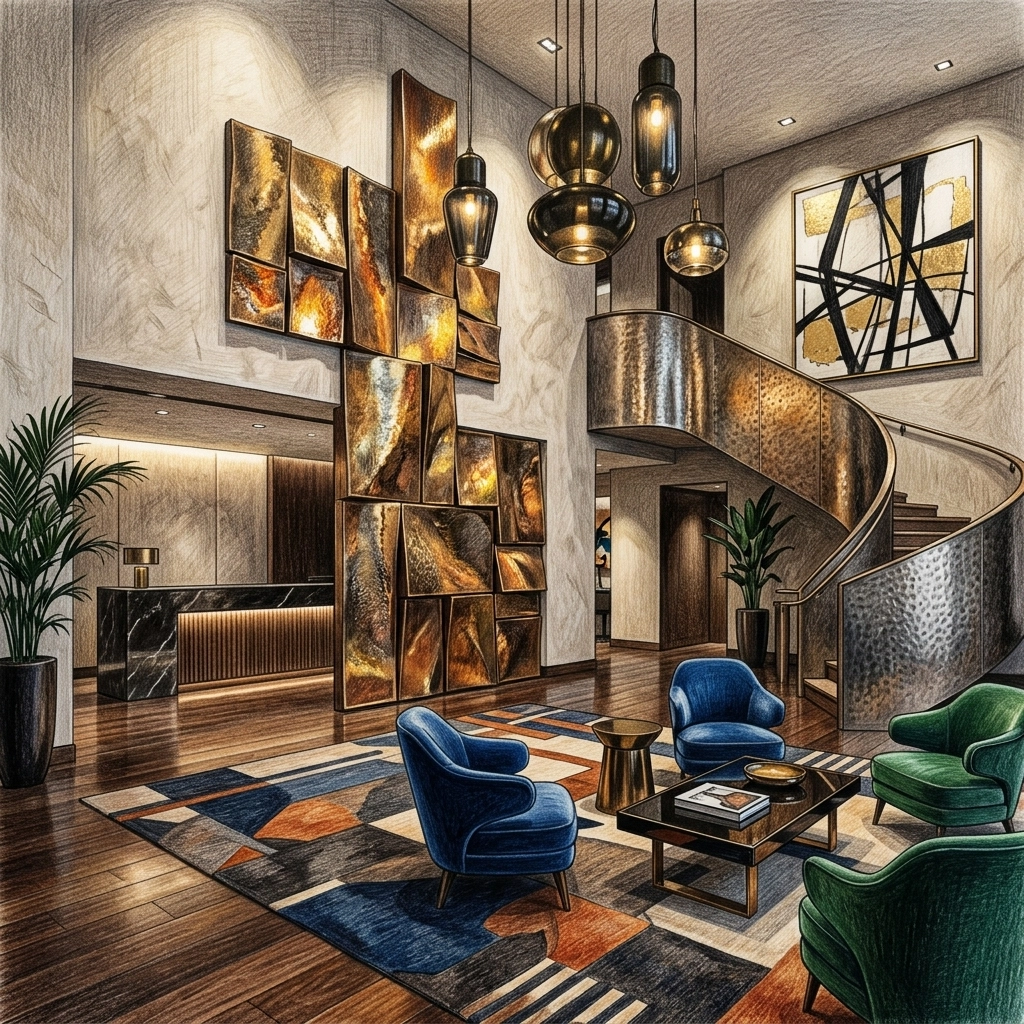
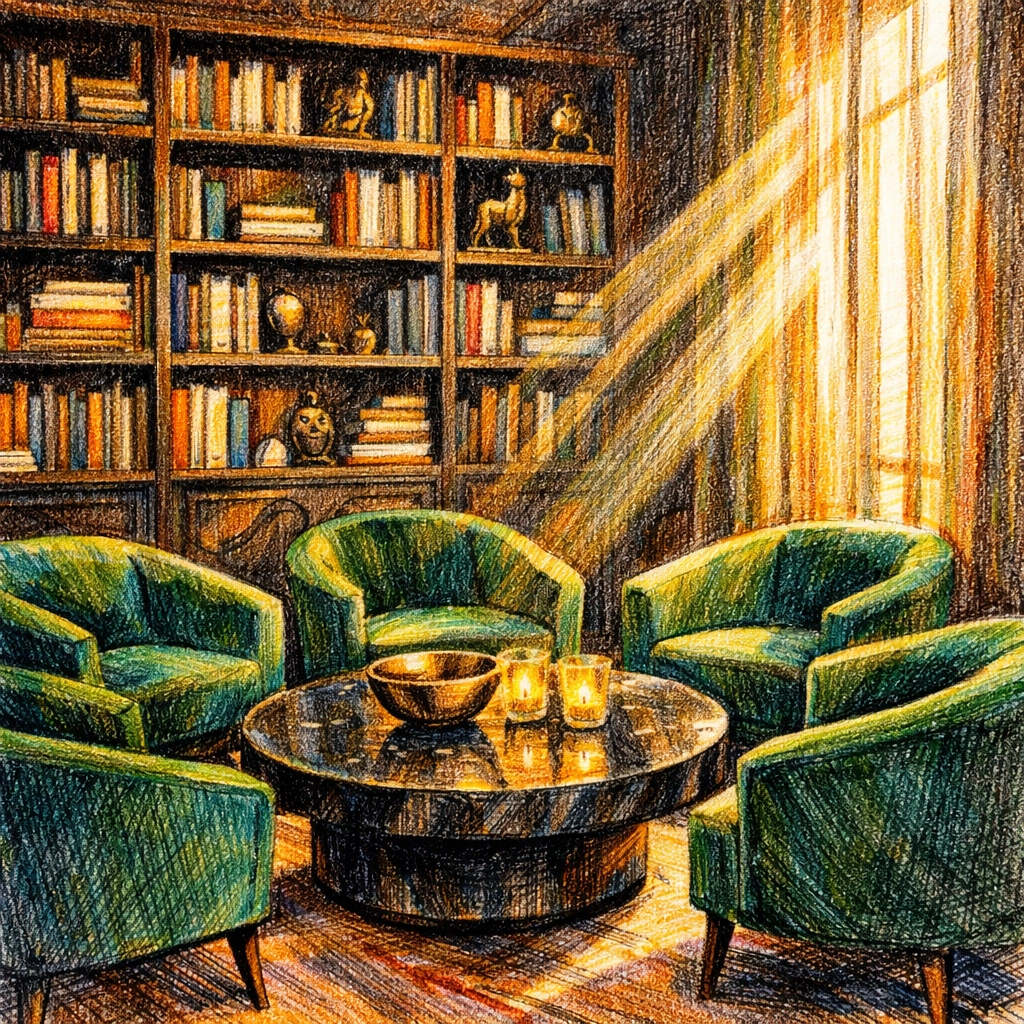
One of Marino’s greatest strengths is making a massive luxury space feel like a home (albeit a very rich person’s home). He uses bookshelves, personal objects, and "clusters" of furniture to create intimacy.
In your boutique hotel, break up large lobbies into smaller "living rooms." It encourages guests to hang out, order a drink, and feel at home.
13. Bathroom as Sanctuary
In Marino’s hotel designs, the bathroom is never an afterthought. It’s a spa. He uses floor-to-ceiling stone and oversized fixtures.
Strategy: If you’re going to overspend on one area of the guest room, make it the bathroom. A high-end shower experience is the #1 thing guests mention in positive reviews.
14. Outdoor-Indoor Flow
Especially in his Mediterranean and tropical projects, Marino blurs the line between the lobby and the terrace.
Use large-scale sliding glass doors or consistent flooring materials that move from the inside to the outside. This makes your boutique hotel feel larger and more connected to its environment.
15. The "Total Look" Strategy
Marino doesn't just design the room; he often influences the uniforms, the scent, and even the music. This is the ultimate level-up for your hotel.
A cohesive design strategy means the physical space matches the staff's vibe and the background playlist. When everything is in sync, it creates a "world" that guests never want to leave.
Why Peter Marino Matters for Your Business
You might be thinking, "I don't have a Peter Marino budget." That’s okay. The takeaway from his work isn't the price tag: it’s the intentionality.
Marino’s influence on luxury hospitality design comes from his refusal to be boring. He treats every surface as an opportunity for beauty. For a boutique hotel owner, this means looking at your space through a lens of craft.
Applying the Lessons:
- Focus on touch: Upgrade the things guests touch most (handles, linens, chairs).
- Invest in art: Stop buying prints; start buying stories.
- Think long-term: Choose materials that age gracefully. A scratched leather chair looks like "character," but a scratched plastic chair just looks "broken."
Final Thoughts
Peter Marino has shown the world that luxury isn't a "style": it's a level of care. By incorporating these 15 strategies into your boutique hotel interior design, you’re not just building a place for people to sleep; you’re building a destination.
In the competitive world of hospitality, being "just another hotel" is a death sentence. Use the Marino method: be bold, be tactile, and above all, be unforgettable.
If you're ready to start your next project or need a fresh eye on your current design strategy, My Hotel Design is here to help you turn these high-level concepts into a reality that fits your brand and your budget. Let’s build something legendary.