If you’ve stepped into a high-end hotel in the last decade and felt an immediate sense of "calm" rather than "clutter," there’s a good chance you were standing in a space influenced by Andre Fu.
At My Hotel Design, we’re always looking at the visionaries who shift the landscape of how we experience travel. When it comes to luxury hospitality design, few names carry as much weight as Andre Fu. He didn't just design hotels; he redefined what luxury looks like for the modern traveler. Gone are the days of heavy velvet drapes and over-the-top gold leaf. Fu brought us something he calls "relaxed luxury."
In this guide, we’re doing a deep dive into the life, the projects, and the design philosophy of the man who bridged the gap between East and West. Whether you’re a hotel owner looking for inspiration or just a design geek like us, here is everything you need to know about Andre Fu.
The Man Behind the Aesthetic: From Cambridge to Hong Kong
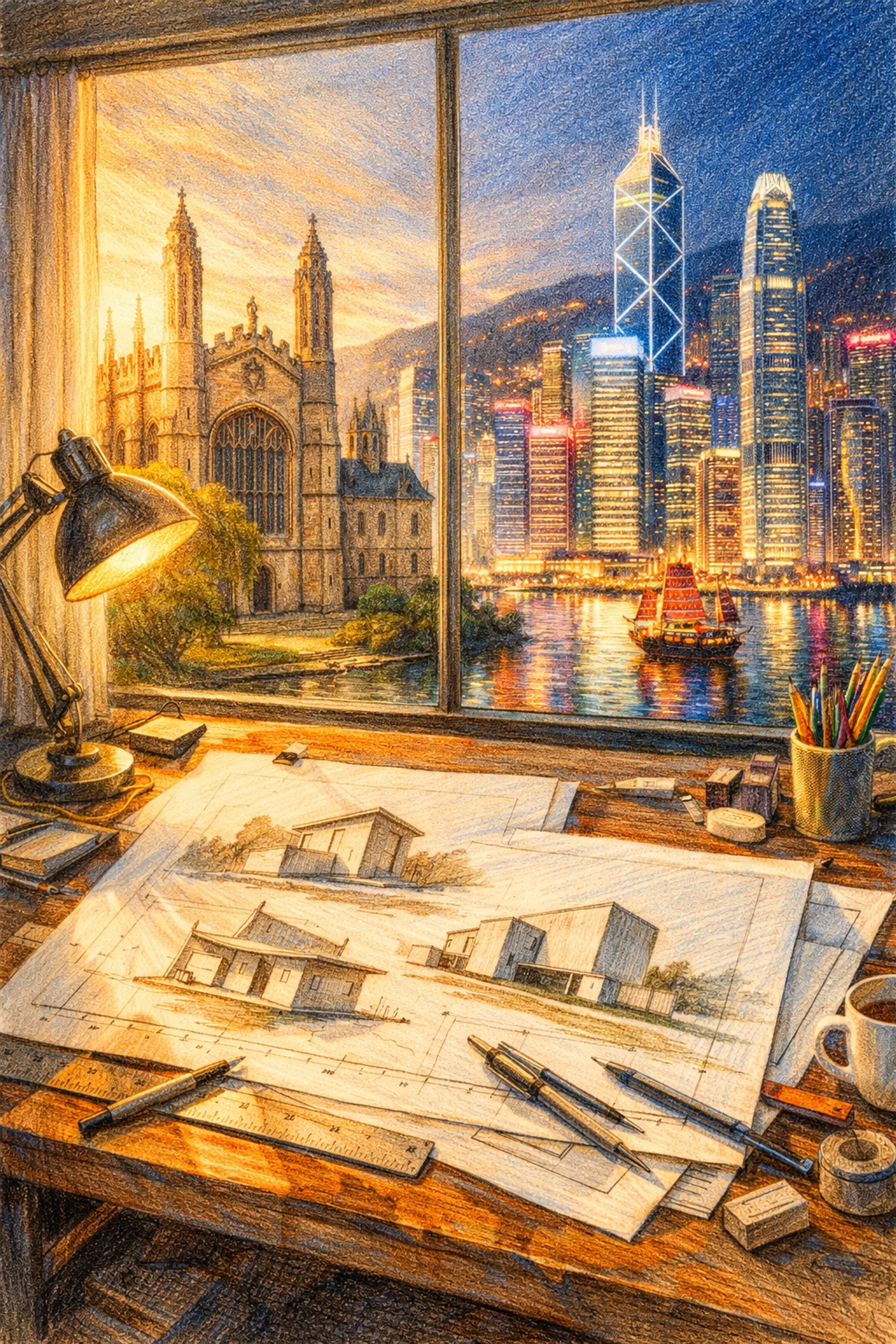
Andre Fu wasn't born into the world of hospitality, but he was born with an eye for detail. Growing up in Hong Kong before moving to the UK at age 14, he lived a life caught between two distinct cultures. This duality is the secret sauce in his work.
He studied architecture at the University of Cambridge, where he was mentored by the legendary John Pawson (the master of minimalism). You can see that influence in Fu’s work: the clean lines, the respect for space, and the lack of "noise." After finishing his Masters, he founded his studio, AFSO, in 2000.
While many young architects start with residential projects or small retail spaces, Fu’s trajectory was different. He didn’t want to just build walls; he wanted to curate experiences. This led him straight into the heart of boutique hotel interior design, where the goal is to make a guest feel something the moment they walk through the door.
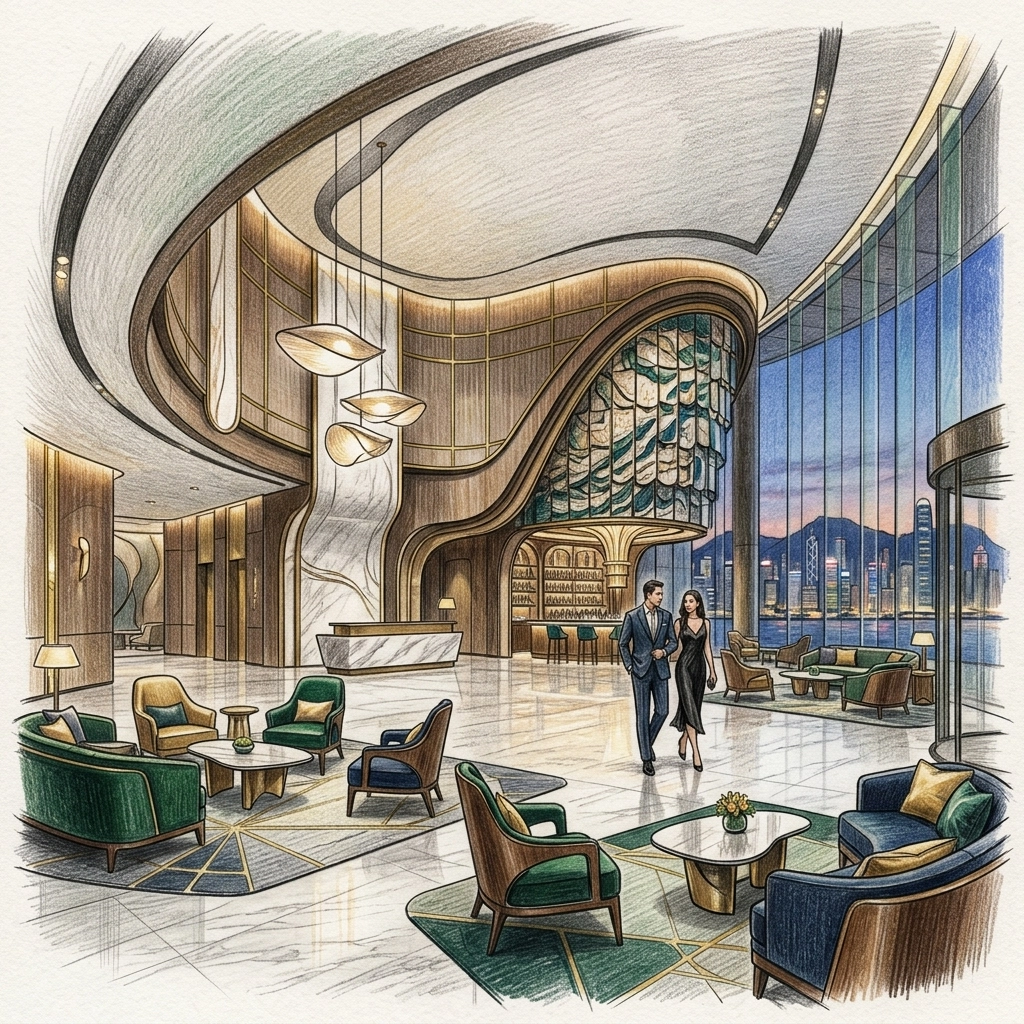
Defining "Relaxed Luxury"
So, what exactly is "relaxed luxury"? If you ask Andre, he’ll tell you it’s about a sense of "ease."
In the old world of luxury hospitality design, luxury was about status. It was about showing off wealth. Fu flipped the script. To him, luxury is about comfort, light, and the way a person moves through a room.
1. The Spatial Journey
Fu often talks about the "journey." He doesn't just design a lobby; he designs the transition from the busy street to the sanctuary of the hotel. He uses lighting and layering to slow the guest down. It’s a psychological trick that makes a hotel stay feel like a true escape.
2. The Bridge Between East and West
His style isn't "Oriental" or "Western." It’s a hybrid. You might see a clean, European-style mid-century chair sitting next to a hand-carved stone wall inspired by Japanese tradition. He takes the precision of Western architecture and softens it with the warmth and craftsmanship of Asian heritage.
3. Materiality and Craft
You won't find many synthetic materials in an Andre Fu project. He’s a purist. He loves solid oak, honed marble, and hand-tufted carpets. By using real materials, he taps into sustainable hotel architecture: not just in the sense of "green energy," but in the sense of longevity. A room designed with high-quality natural materials doesn't need to be ripped out and replaced every five years. It ages gracefully, which is the ultimate form of sustainability in design.
The Breakthrough: The Upper House, Hong Kong (2009)
You can't talk about Andre Fu without talking about The Upper House. This is the project that put him on the global map.
At the time, Swire Hotels took a massive gamble. They hired a young designer with zero hotel experience to design a luxury property in a competitive market. The result? A revolution.
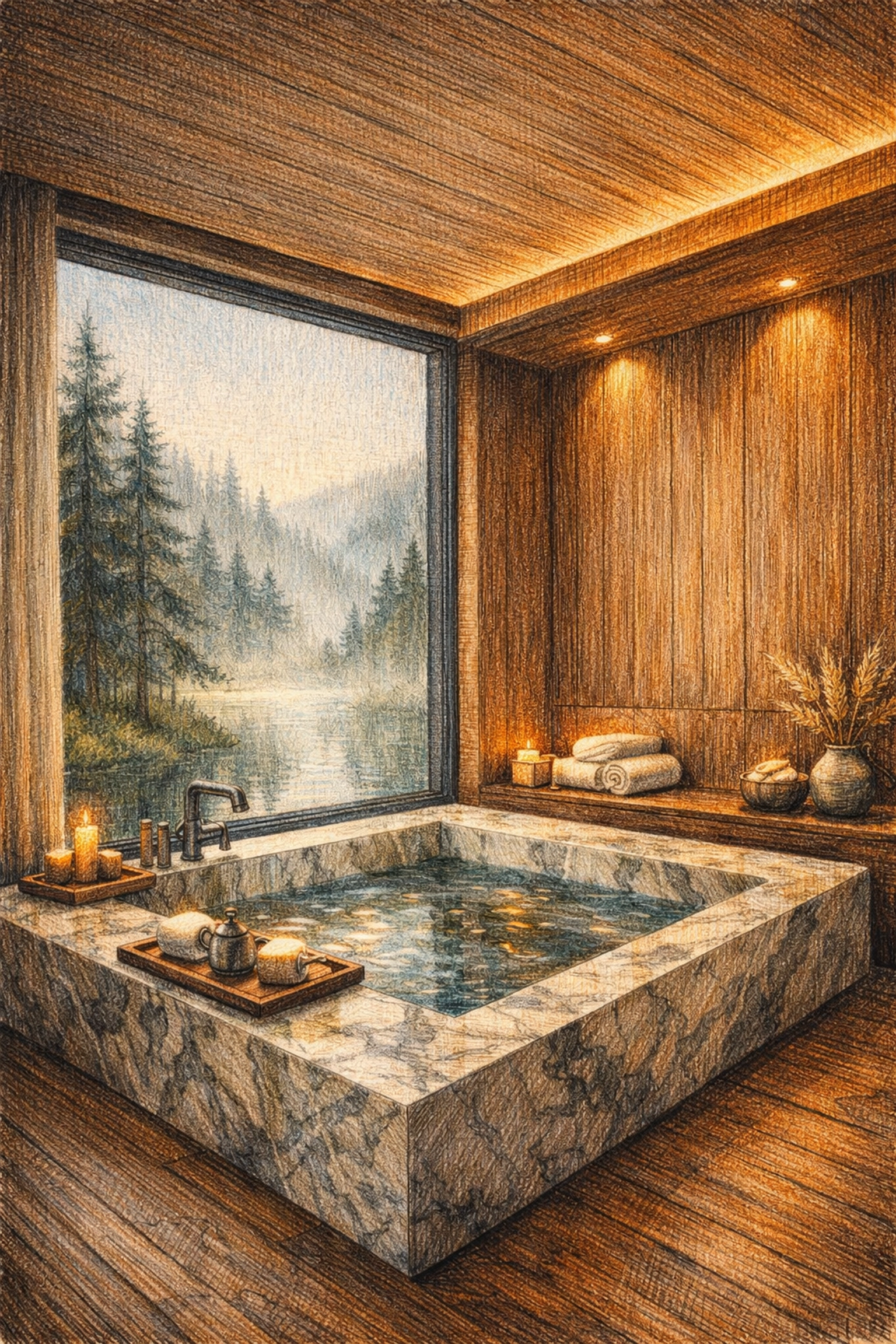
The Upper House felt more like a private residence than a hotel. There was no traditional check-in desk. Instead, you were greeted by a guest experience team and whisked away to your room. The design featured floor-to-ceiling windows, massive soaking tubs, and an incredible use of wood and stone. It proved that a hotel could be incredibly high-end without being stuffy.
Today, it remains one of the most iconic examples of boutique hotel interior design in the world.
Signature Projects Across the Globe
Since the success of The Upper House, Fu has been on a tear, completing projects that span from the heart of London to the hills of Provence.
The St. Regis Hong Kong
If The Upper House was about "relaxed residential" vibes, the St. Regis was about "curated heritage." Fu took the DNA of the original St. Regis in New York and reimagined it through the lens of Hong Kong’s history. Think grand proportions, dramatic lighting, and a color palette that feels like a classic gentleman's club updated for 2026.
Villa La Coste, Provence
Located in a world-famous vineyard and art park, Villa La Coste allowed Fu to experiment with the European landscape. Here, he focused on "organic luxury." The design is meant to frame the surrounding nature. Large glass walls and a pale, neutral palette ensure that the architecture never competes with the stunning French countryside.
Hotel The Mitsui Kyoto
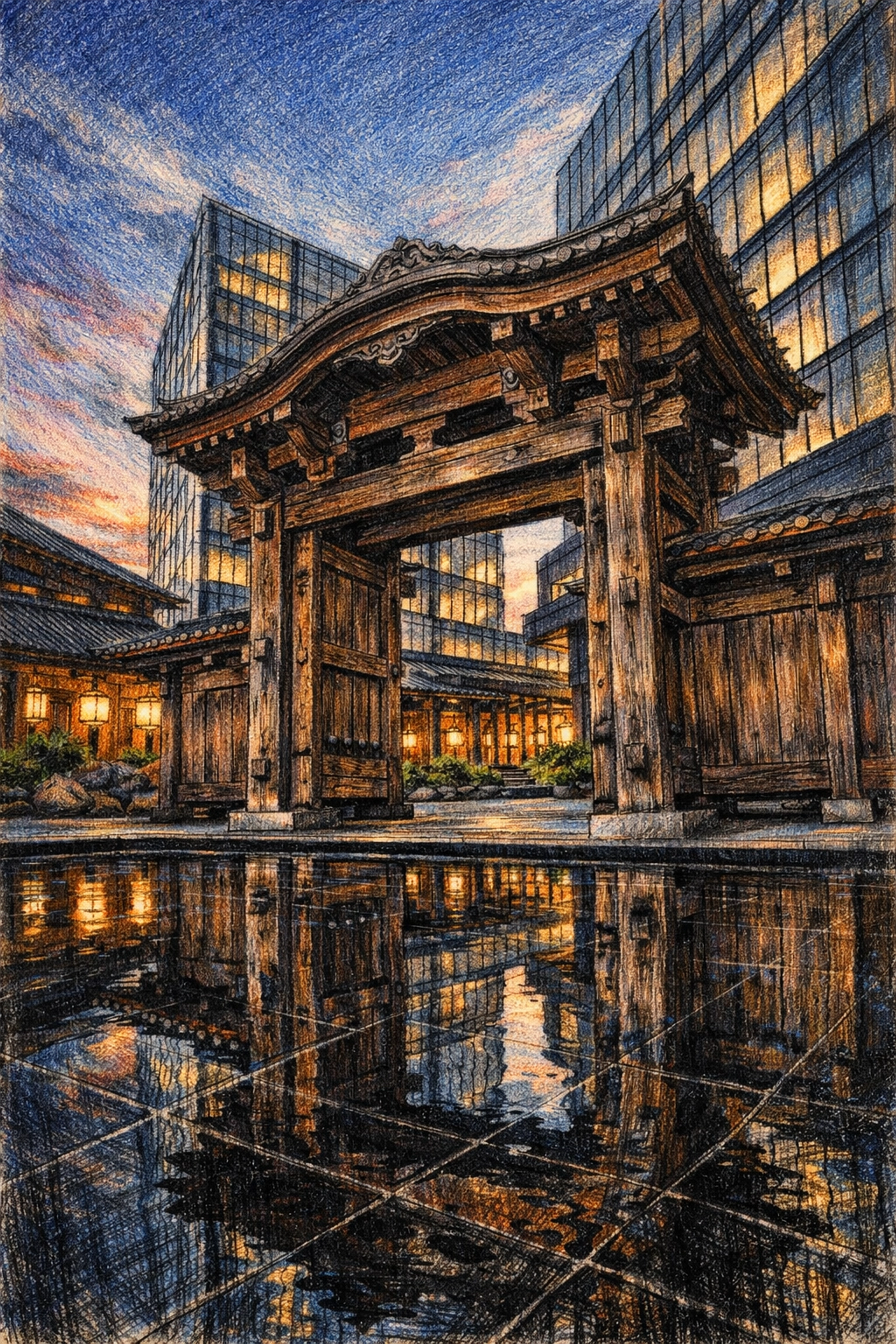
This project is a masterclass in respecting tradition. Built on a site that belonged to the Mitsui family for centuries, the hotel incorporates a 300-year-old gate. Fu’s job was to bring modern luxury to a place steeped in history. He used water features and traditional Japanese joinery to create a space that feels like a contemporary sanctuary.
Andre Fu and Sustainable Hotel Architecture
In today’s world, you can’t talk about hospitality without talking about the environment. While Fu’s work is visually stunning, it also touches on the principles of sustainable hotel architecture.
His approach to sustainability isn't about "gadgets." Instead, it focuses on three pillars:
- Timelessness: By avoiding trends, his designs don't become "dated." This reduces the need for frequent renovations, which are incredibly taxing on the environment.
- Local Craftsmanship: Fu often works with local artisans. Whether it’s ceramicists in Japan or stone masons in France, sourcing local talent and materials reduces the carbon footprint of a project while supporting local economies.
- Quality Over Quantity: His philosophy of "less but better" means using fewer resources but ensuring they are of the highest quality possible.
Beyond Hotels: Andre Fu Living
In 2019, Andre expanded his empire with Andre Fu Living (AFL). He realized that travelers wanted to take a piece of that "relaxed luxury" home with them.
AFL produces everything from furniture and lighting to tableware and scents. He’s even collaborated with Louis Vuitton for their Objets Nomades collection. This lifestyle brand allows him to apply his hospitality principles to the home environment, proving that the boundary between "hotel" and "house" is becoming increasingly blurred.
Why His Influence Matters for the Future of Hospitality
So, why should we care about one designer? Because Andre Fu changed the "vibe" of modern travel.
Before him, luxury was often intimidating. It was designed to make you feel like you had to be on your best behavior. Fu’s work did the opposite. It gave guests permission to exhale.
For those of us at My Hotel Design, his work serves as a blueprint for the future of luxury hospitality design. We see a shift toward:
- Personalization: Hotels that feel like homes, not institutions.
- Tactility: Using textures (velvets, silks, rough stone) to create a sensory experience.
- Wellness through Design: Using natural light and spatial flow to improve the mental well-being of the guest.
How to Bring the Andre Fu Aesthetic to Your Project
If you're looking to capture a bit of that Fu magic in your own boutique hotel interior design, here are a few takeaways:
- Focus on the Entryway: Don't just make it a place to sign a credit card slip. Make it a decompression chamber.
- Invest in Lighting: Fu is a master of "indirect lighting." Avoid harsh overheads. Use lamps, floor lights, and cove lighting to create layers.
- Stick to a Cohesive Palette: Pick a tight range of neutral tones and vary the textures. A room in all beige can be stunning if you mix silk, wool, and stone.
- Respect the Location: Don't drop a generic "luxury" design into a city. Look at the local culture, materials, and history, and weave them into the narrative.
Final Thoughts
Andre Fu is more than just an architect; he’s a storyteller. Through his work, he tells a story of a world that is globalized yet rooted in tradition, luxurious yet incredibly simple.
As we look toward the future of the hospitality industry, the principles he championed: thoughtfulness, craftsmanship, and a deep respect for the guest’s experience: will continue to be the gold standard. Whether he’s designing a skyscraper in Singapore or a villa in France, Fu reminds us that at the end of the day, a hotel is more than just a place to sleep. It’s a place to feel.
If you’re ready to start your own journey in luxury hospitality design, remember that it doesn't always take the biggest budget: it takes the clearest vision.
Stay inspired,
Robert Rupp
Founder, My Hotel Design