If you’ve ever walked into a hotel and felt like you were stepping onto a perfectly choreographed film set or into the private home of a very chic, very eccentric friend, you’ve likely experienced the "Hempel Effect."
Before the term "boutique hotel" was a buzzword used by every chain from Marriott to IHG, there was Anouska Hempel. A former Bond girl turned design icon, Hempel didn't just design rooms; she created worlds. At My Hotel Design, we’re constantly looking at the pioneers who shaped the hospitality industry, and Hempel is arguably the most influential of them all.
In this deep dive, we’re going to peel back the layers of her signature style. Whether you’re a seasoned architect or a property owner looking to level up your luxury hospitality design, there’s a lot to learn from the woman who basically invented the category.
The Birth of the Boutique Hotel: Blakes London
To understand Hempel, you have to go back to 1978. At the time, hotels were mostly one of two things: grand, stuffy institutions for the elite, or beige, corporate boxes for the business traveler. There was no "middle ground" of high-style, intimate lodging.
Then came Blakes.
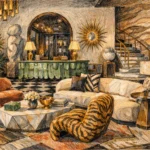
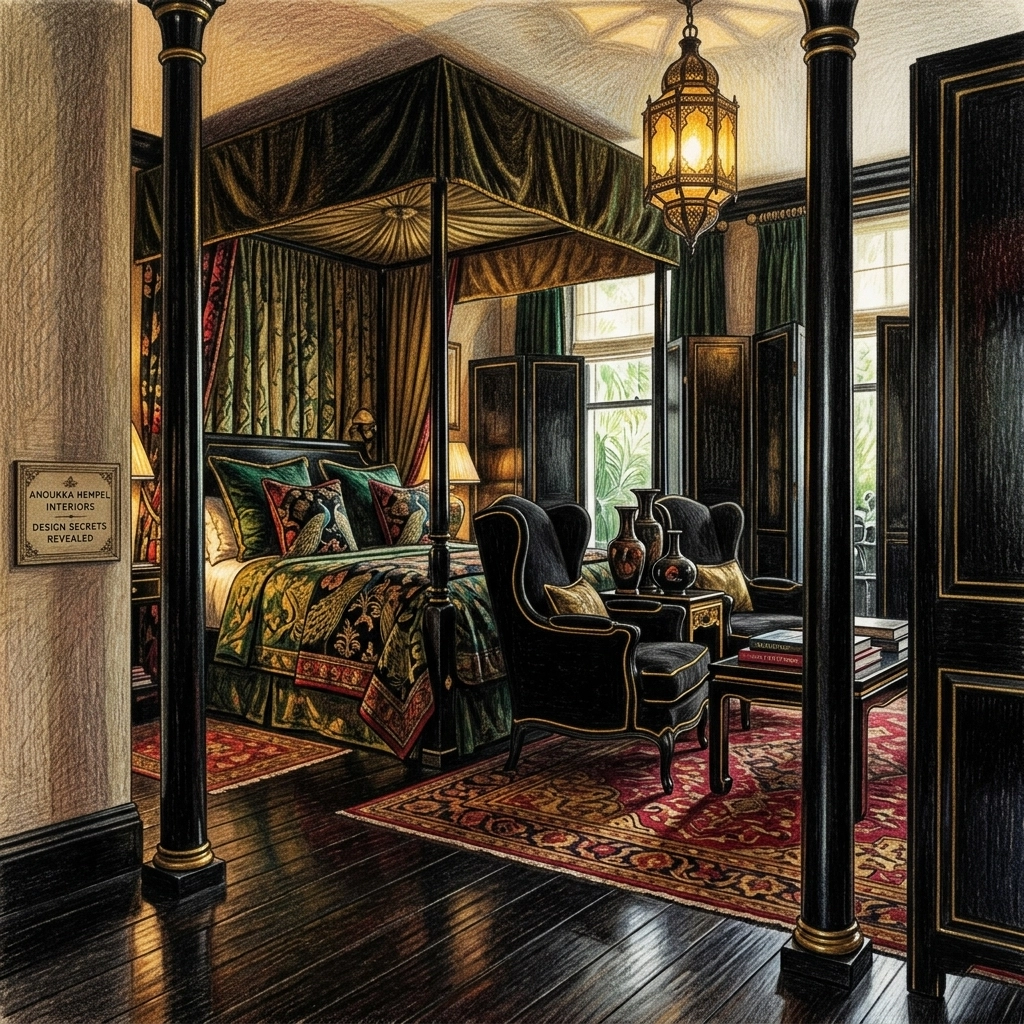
Located in a row of Victorian townhouses in South Kensington, Blakes was a revolution. Hempel didn't want a hotel that felt like a commercial business; she wanted it to feel like a "private house, without a hint of corporate commercialism." It was moody, it was dark, it was filled with artifacts from across the globe, and it was undeniably sexy.
She proved that guests weren't just looking for a bed, they were looking for an identity. They wanted to feel like someone more interesting while they were staying there. This shift is the foundation of modern boutique hotel interior design.
Secret #1: The Vision (Beauty) Comes First
Most design projects start with a floor plan, a budget, and a list of structural constraints. Hempel does things a bit differently. Her philosophy is simple: the vision of beauty comes first.
In her world, the emotional impact of a space dictates the architecture, not the other way around. She starts with a dream of how a guest should feel the moment they cross the threshold. Only once that vision is clear does she bring in the interiors, the styling, and the structural changes needed to support it.
The Lesson: Don't let the "math" of the building kill the "magic" of the experience. If you’re designing a space, start with the vibe. What is the one word you want guests to say when they walk in? "Peaceful?" "Daring?" "Opulent?" Build everything around that word.
Secret #2: Lighting as Atmospheric Alchemy
If there is one thing Hempel is obsessed with, it’s lighting. She views it as the foundation of spatial design.
She doesn't just use light to make things visible; she uses it to transform a space. A Hempel-designed room is a shape-shifter. In the morning, it might be a serene, bright oasis where you can enjoy a coffee in peace. But as the sun sets, her "lighting alchemy" takes over.
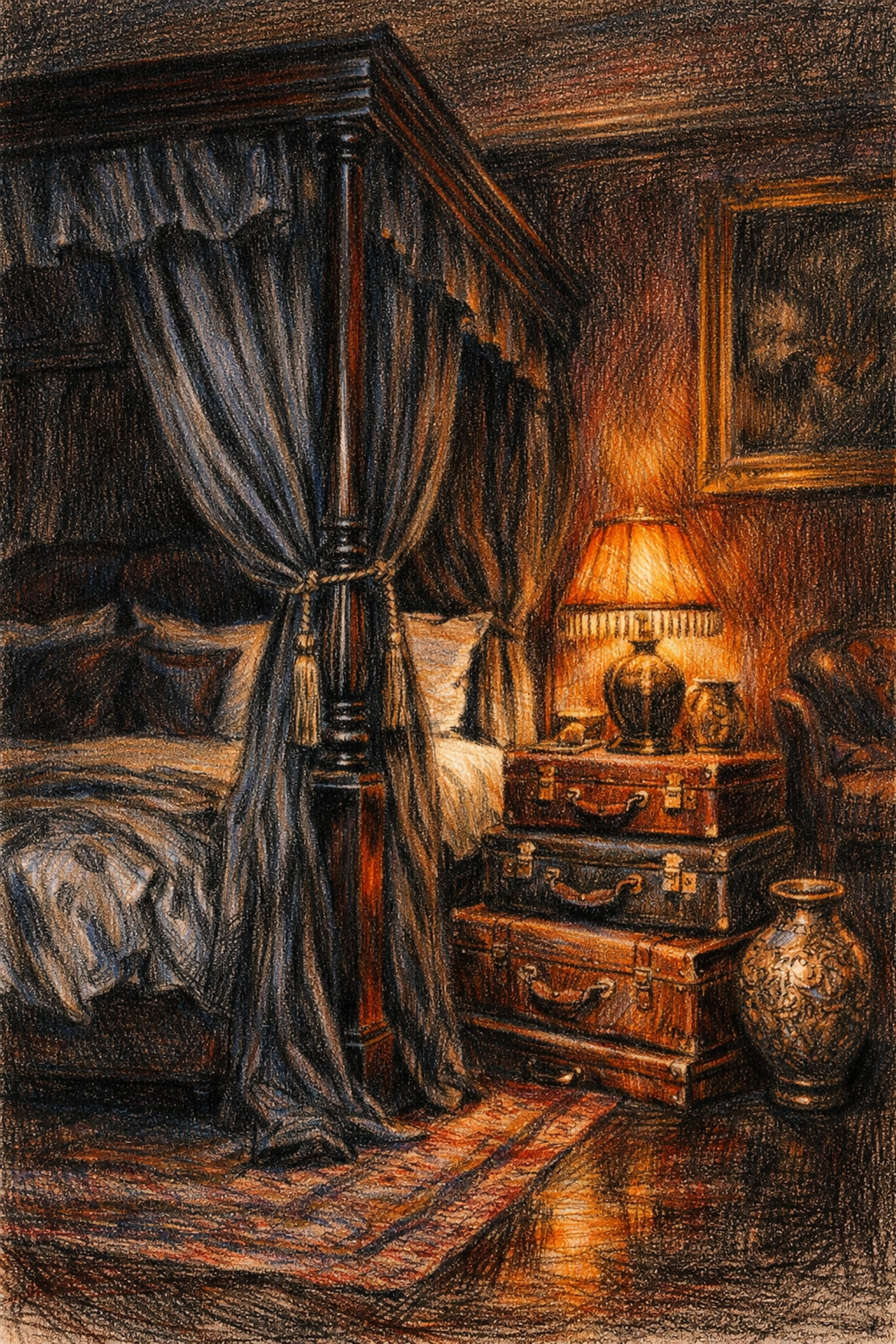
By layering hanging pumpkin lanterns, floor lamps, and strategic shadows, she turns the same room into an intimate, enchanting environment that feels like a hidden lair. She avoids harsh overhead lighting like the plague, opting instead for a "theatrical" approach that hides what needs to be hidden and highlights what needs to be seen.
The Lesson: Lighting isn't just a utility; it's a mood-setter. In luxury hospitality design, you should always design your lighting in "layers." Think about how the room needs to change from 8:00 AM to 8:00 PM.
Secret #3: Design from a Single Point of Inspiration
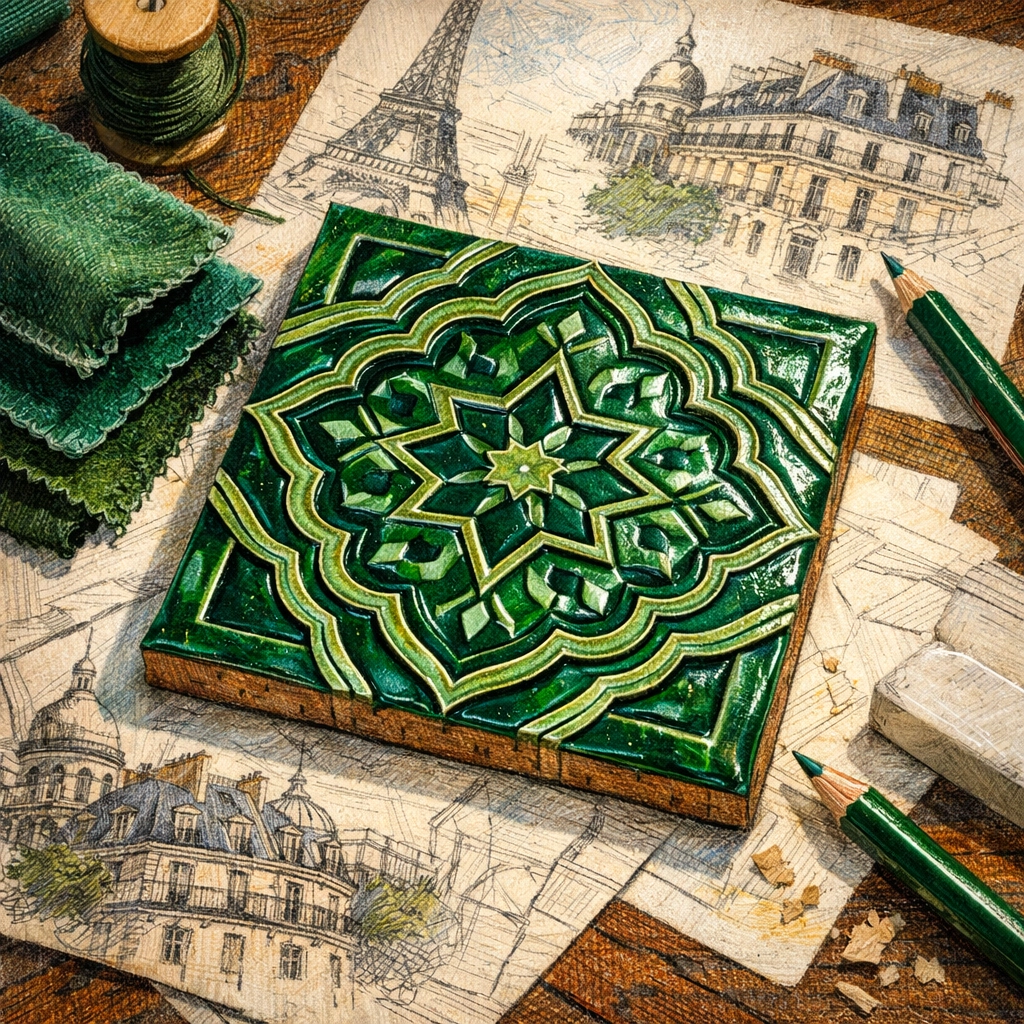
One of the coolest things about Hempel’s process is her "Single Object" theory. Instead of following a trend or a catalog, she often builds an entire hotel concept from one tiny, specific item.
For her project Monsieur George in Paris, the entire design language, the color palette, the textures, the soul of the building, was inspired by a single green tile she found in a Moroccan market. That one tile dictated the shades of emerald and forest green used throughout the hotel, creating a narrative coherence that you just can't get by picking colors from a fan deck.
Secret #4: Intimacy Over Grandeur
In the world of luxury hospitality design, there’s a common mistake: thinking that "bigger is better." Huge lobbies, soaring ceilings, and vast corridors often end up feeling cold and impersonal.
Hempel’s work leans into intimacy. She uses "layered restraint", clean lines softened by rich textiles, wicker, and bentwood elements. Her spaces feel like they are wrapping their arms around you. She prefers a small, perfectly designed nook over a massive, empty hall. This focus on the "experiential" rather than the "commercial" is what makes a boutique hotel feel special.
Secret #5: The Obsession with Total Design
If you visit a Hempel hotel, you’ll notice that everything matches the vision. And we mean everything.
She is famous for her obsessive attention to detail. She doesn't just pick out the furniture; she often designs it. She’s been known to design the door handles, the napkins, the staff uniforms, and even the way the flowers are arranged.
At Blakes, the design was so cohesive that guests constantly asked to buy the bedside lamps and the four-poster beds. This is "Total Design." When every single touchpoint feels intentional, the guest feels cared for in a way that corporate hotels can't replicate.
The Lesson: Don't stop at the wallpaper. Look at the small stuff. Are the pens on the desk cheap plastic, or do they fit the room? Does the scent of the lobby match the visual style? Consistency is the key to luxury.

Secret #6: Sustainable Hotel Architecture through Timelessness
While Hempel is a master of aesthetics, there is an underlying lesson in sustainable hotel architecture within her work: the power of timelessness.
Sustainability in the hospitality industry is often discussed in terms of solar panels and low-flow toilets (which are great), but the most sustainable thing a designer can do is create a space that doesn't need to be ripped out and renovated every five years.
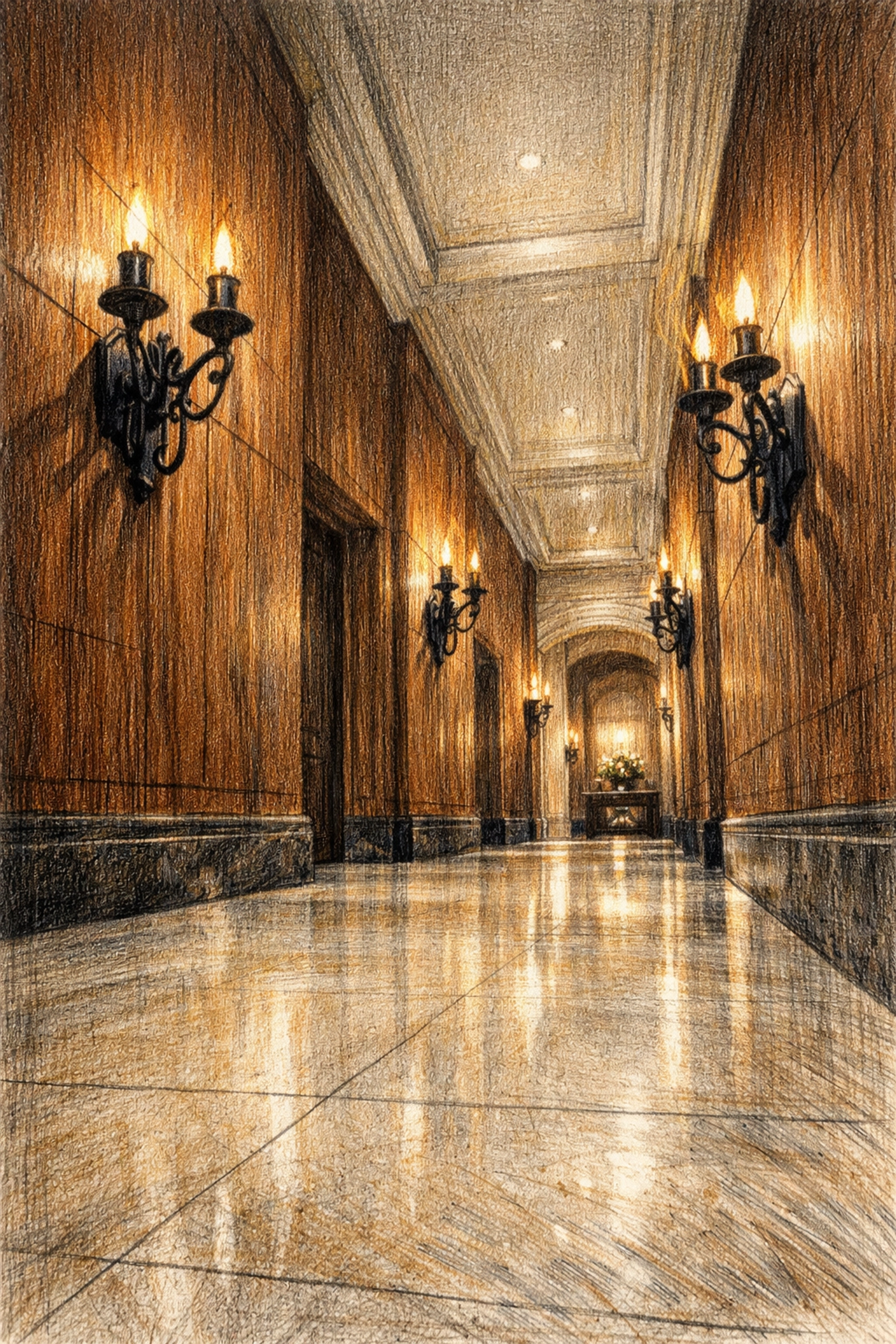
Hempel uses high-quality, natural materials, stone, wood, iron, and heavy silks. Because her designs are built on a specific vision rather than a passing trend (like "Millennial Pink" or "Industrial Chic"), they stay relevant for decades. Blakes London is still iconic nearly 50 years after it opened. That is true sustainability.
How to Apply the "Hempel Touch" to Your Project
You don't need a Bond-girl budget to learn from Hempel. Here are a few ways to bring that boutique magic to your own hospitality project:
- Define Your Hero Object: Find one antique, a piece of art, or even a textile that captures the "soul" of your hotel. Use it as your North Star for every design decision.
- Shadows are Your Friend: Don't be afraid of the dark. Use low-level lighting to create corners of mystery and intimacy.
- Think Like a Homeowner, Not a Manager: Ask yourself, "Would I put this in my own house?" If the answer is "No, it looks too much like a hotel," then don't use it.
- Focus on the "Touch" Points: Invest in things guests actually touch: door handles, linens, and faucets. These physical interactions leave a lasting impression of quality.
- Layer Your Textures: Mix hard and soft. If you have a stone floor, add a plush rug. If you have clean, modern walls, add a textured wicker chair. This balance prevents a room from feeling "cold."
Final Thoughts
Anouska Hempel changed the way we think about travel. She taught us that a hotel isn't just a place to sleep: it’s a place to dream. By prioritizing beauty, obsessing over the details, and focusing on the guest experience above all else, she set the gold standard for what a boutique hotel should be.
At My Hotel Design, we believe that every hotel has the potential to tell a story. Whether you’re going for "minimalist zen" or "maximalist drama," remember that the best designs aren't found in a catalog: they’re found in a vision.
What’s your "Single Point of Inspiration?" Let us know in the comments or reach out if you’re ready to start your next design journey. Robert and the team are always here to help you turn that vision into a reality.