If you’ve spent any time in a high-end hotel over the last decade, there’s a very good chance you’ve walked through a space designed by George Yabu and Glenn Pushelberg. Whether you realized it or not, you were likely standing in a masterclass of what we now call "modern luxury."
At My Hotel Design, we spend a lot of time looking at who is moving the needle in the hospitality world. While many firms do great work, Yabu Pushelberg is in a league of its own. Founded in 1980 in Toronto, this duo has grown from a small design shop into a global powerhouse that defines how the world’s elite travelers experience space, light, and comfort.
But why is everyone talking about them right now? And more importantly, how did they become the go-to names for the most ambitious projects in the industry? Let's dive into the world of Yabu Pushelberg.
The Story of George and Glenn
Before they were the darlings of the hospitality world, George Yabu and Glenn Pushelberg were just two design students who met at Ryerson University in Toronto. They started their firm during a time when hotel design was often synonymous with "stuffy." Think heavy floral curtains, thick carpets, and a lot of gold leaf.
They took a different path. Starting in retail design, they learned how to move people through a space and create an emotional connection with a brand. By the time they pivoted fully into luxury hospitality design, they brought a fresh, retail-inspired eye that prioritized the guest's journey over traditional, rigid hotel layouts.
Today, with offices in New York and Toronto, they aren’t just designers; they are creative directors for entire lifestyles. They design the furniture, the lighting, and even the textiles, ensuring that every inch of a property feels like it belongs to a single, coherent story.

What Makes a "Yabu Pushelberg" Space?
When you talk about boutique hotel interior design, the goal is usually to make a space feel unique and personal. Yabu Pushelberg has perfected the art of doing this on a massive scale. Here are the pillars of their signature style:
1. Emotional Resilience and Narrative
They don’t just pick out nice sofas. Every project starts with a story. Who is the guest? Why are they here? What do they want to feel? This narrative-driven approach ensures that a Park Hyatt in Bangkok feels fundamentally different from a Four Seasons in New York. They create "emotionally charged" interiors that stay with you long after you’ve checked out.
2. The "Super Boutique" Concept
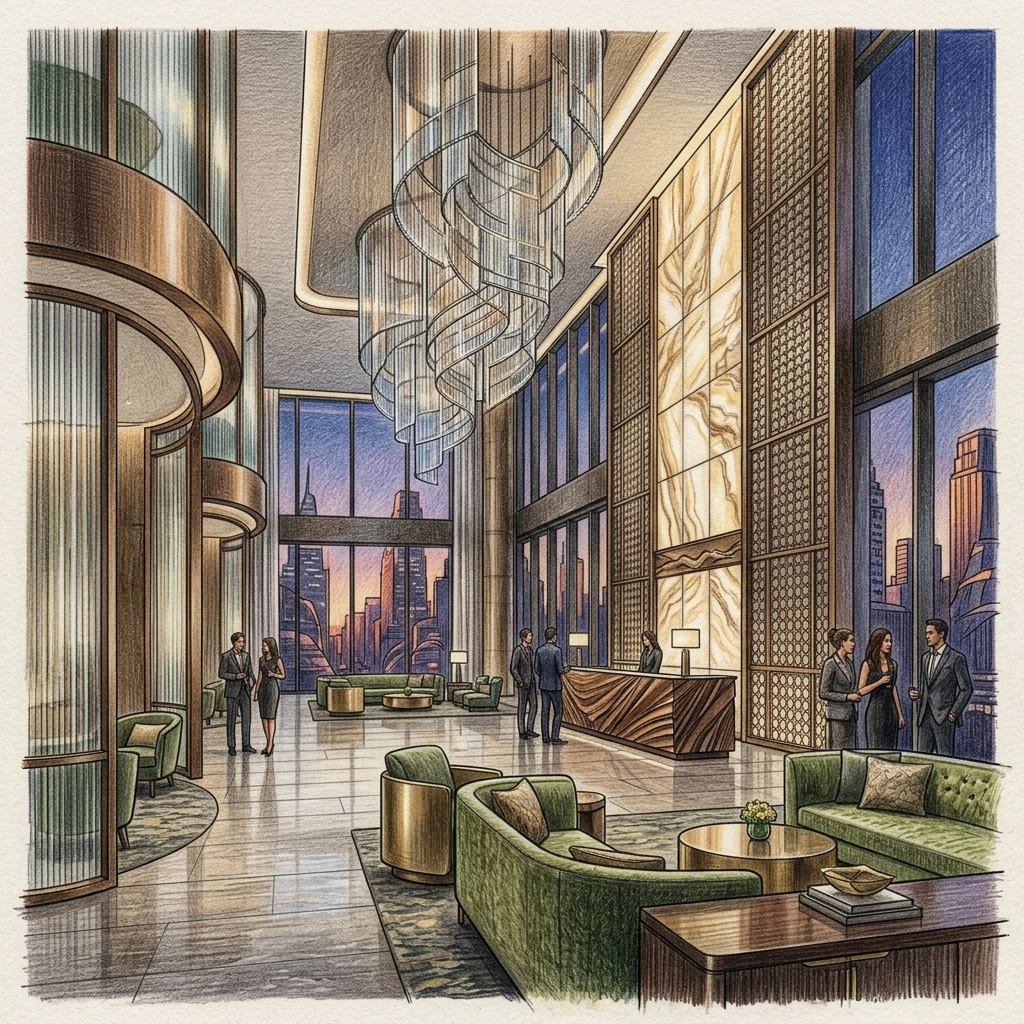
One of their greatest achievements is the "super boutique" hotel. Traditionally, boutique hotels are small: maybe 50 to 100 rooms. Once you hit 300 rooms, you lose that intimate feel, right? Not if Yabu Pushelberg is involved. They use clever zoning, layered lighting, and residential-style furniture to make a 350-room hotel feel as private and personalized as a small guest house.
3. Materiality and Craftsmanship
If you look closely at their work, you’ll see an obsession with materials. They don’t just use "stone"; they find a specific, artisanal stone and pair it with hand-stitched leather or custom-oxidized bronze. Their approach to sustainable hotel architecture often manifests in the longevity and quality of these materials. By choosing elements that age beautifully rather than following "fast fashion" design trends, they create spaces that don't need a total renovation every five years.
4. Residential Comfort
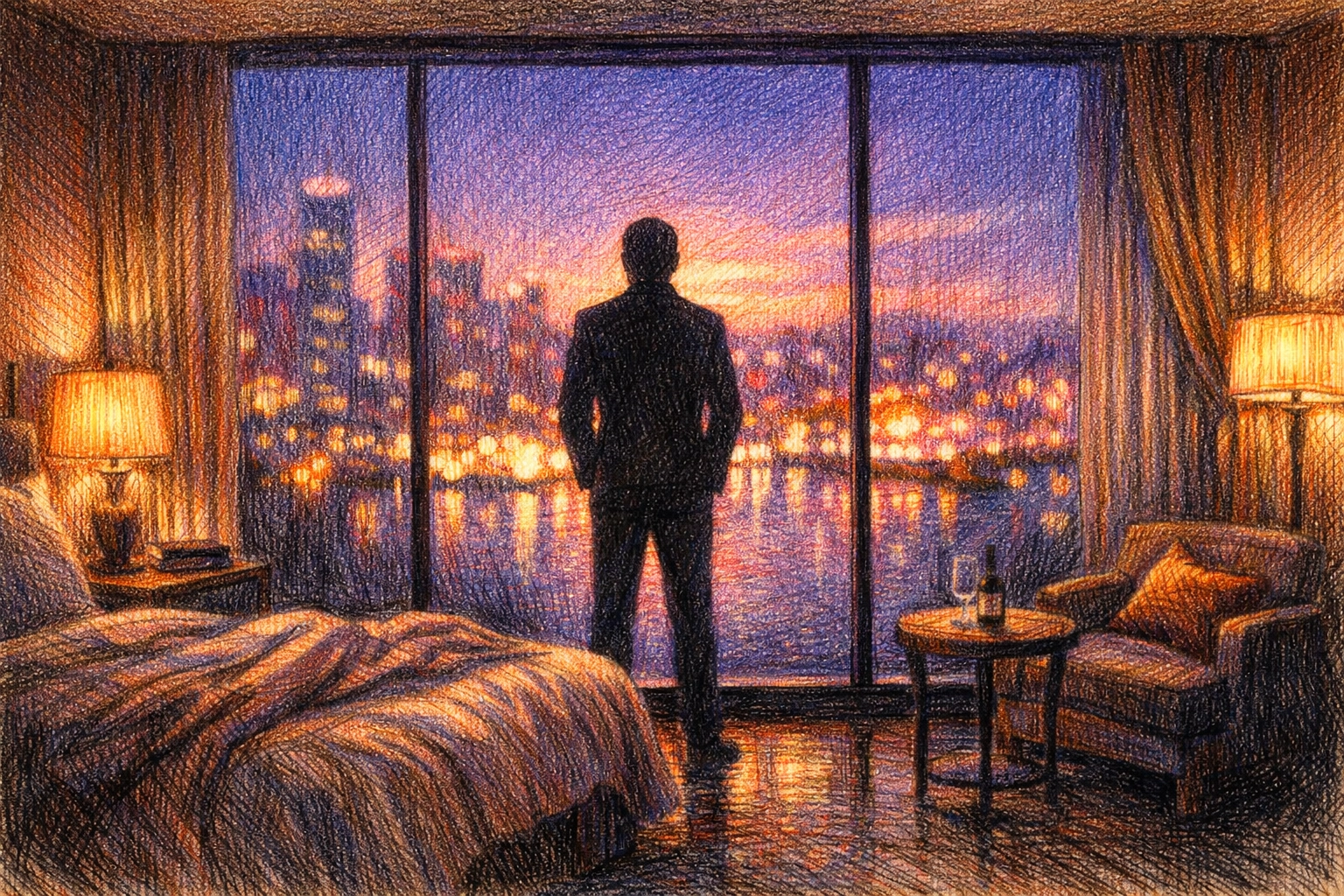
The "home away from home" cliché is overused in hospitality, but George and Glenn actually deliver it. They pioneered the move away from the "desk-and-chair" hotel room layout toward a more relaxed lounge atmosphere. Think dark oak paneling, custom upholstered headboards, and bathrooms that feel like private spas.

Landmark Projects That Changed the Game
To really understand their influence, you have to look at the properties that have become benchmarks for the industry.
The Londoner (London)
Billed as the world’s first "super boutique hotel," The Londoner is a feat of engineering and design. Located in Leicester Square, it features 16 stories (half of them underground). Yabu Pushelberg managed to make this massive building feel like a collection of private clubs. It’s sophisticated, edgy, and deeply rooted in the London art scene, proving that scale doesn't have to kill the boutique vibe.
Las Alcobas (Mexico City & Napa Valley)
These properties are favorites among design junkies. In Mexico City, the signature rosewood spiral staircase is a piece of art in itself. These hotels showcase their ability to integrate local culture and materials without falling into "touristy" tropes. In Napa, the focus shifts to the landscape, showing how their luxury hospitality design can adapt to natural surroundings just as easily as urban ones.
The Four Seasons Portfolio
Yabu Pushelberg has a long-standing relationship with Four Seasons. They were instrumental in modernizing the brand, moving it away from its more traditional roots toward a sleek, contemporary aesthetic. Their work on the Four Seasons New York Downtown, for example, uses a palette of bronze, oak, and stone to create a sanctuary in the middle of Manhattan's hustle.

Their Influence on Sustainable Hotel Architecture
In the modern era, you can't talk about luxury without talking about sustainability. While Yabu Pushelberg is known for opulence, their approach to sustainable hotel architecture is subtle and effective.
It starts with "timelessness." The most unsustainable thing a designer can do is create a space that looks dated in three years. By leaning into high-quality craftsmanship and avoiding fleeting trends, they ensure their designs last for decades.
Furthermore, their holistic design approach: designing everything from the building's flow to the individual chairs: means they can control the supply chain and material sourcing more effectively. They often work with local artisans and prioritize materials that have a lower environmental impact, blending high-end luxury with a responsible ethos.
Why the Industry Follows Their Lead
So, why does every new hotel developer want the "Yabu Pushelberg look"?
It's because they solved the biggest problem in modern travel: the "anywhere-ness" of luxury. For a long time, luxury hotels looked the same whether you were in Paris or Peoria. George and Glenn broke that mold. They proved that you can have world-class service and high room counts while still maintaining a soul.
They also understood early on that modern luxury isn't about showing off wealth; it’s about privacy, comfort, and intellectual stimulation. This is why you’ll see curated art collections and rotating exhibitions in their hotels. They treat the guest as someone who is culturally engaged, not just someone with a high credit limit.
Looking to the Future
As we move through 2026, the influence of Yabu Pushelberg is only growing. We are seeing more designers attempt to replicate their "layered" look, and more brands trying to achieve that elusive "super boutique" feel.
For those of us in the hospitality industry, their work serves as a constant reminder that design is about more than just aesthetics. It’s about the human experience. Whether they are designing a private jet, a luxury residence, or a 500-room resort, George Yabu and Glenn Pushelberg keep the focus on the person moving through the space.
At My Hotel Design, we believe that the best hotels are the ones that tell a story you want to be a part of. Yabu Pushelberg doesn't just tell stories; they build worlds. And that is exactly why everyone is still talking about them.
What do you think of Yabu Pushelberg’s style? Is it the future of luxury, or are you craving something more traditional? Let us know in the comments below!