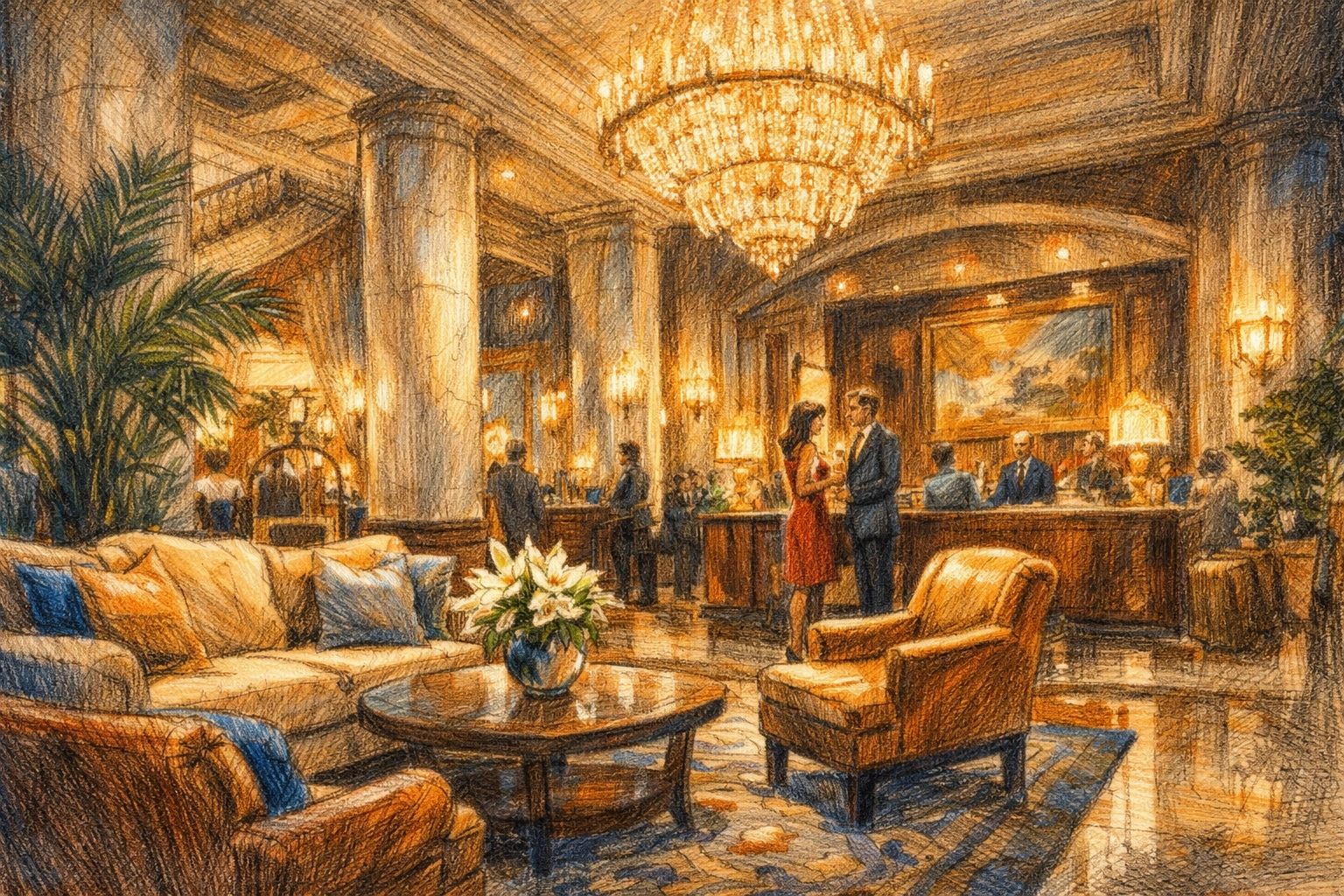
If you’ve been in the hospitality business as long as I have, you remember the traditional hotel lobby. It was usually a cavernous, slightly cold space with a massive marble desk, a few stiff high-back chairs that nobody actually sat in, and maybe a bowl of green apples if you were lucky. It was a transition zone: a place to stand in line, get your key, and get out as fast as possible.
Fast forward to today, and that model is completely dead.
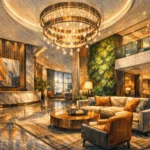
At My Hotel Design, we’ve seen a massive shift in how guests use common spaces. The lobby has evolved from a functional "waiting area" into the beating heart of the hotel. It’s now a "Third Space": a place that isn't home and isn't the office, but a hybrid that blends work, play, and social interaction.
If your lobby is still just a place to check in, you’re missing out on more than just design points; you’re missing out on revenue and guest loyalty. Let’s dive into why the modern lobby is changing and how you can design yours for the new age of travel.
The Death of the Front Desk (As We Know It)
The first thing to go in the modern lobby is the physical barrier. For decades, the front desk acted like a fortress between the staff and the guests. It was formal, transactional, and honestly, a bit intimidating.
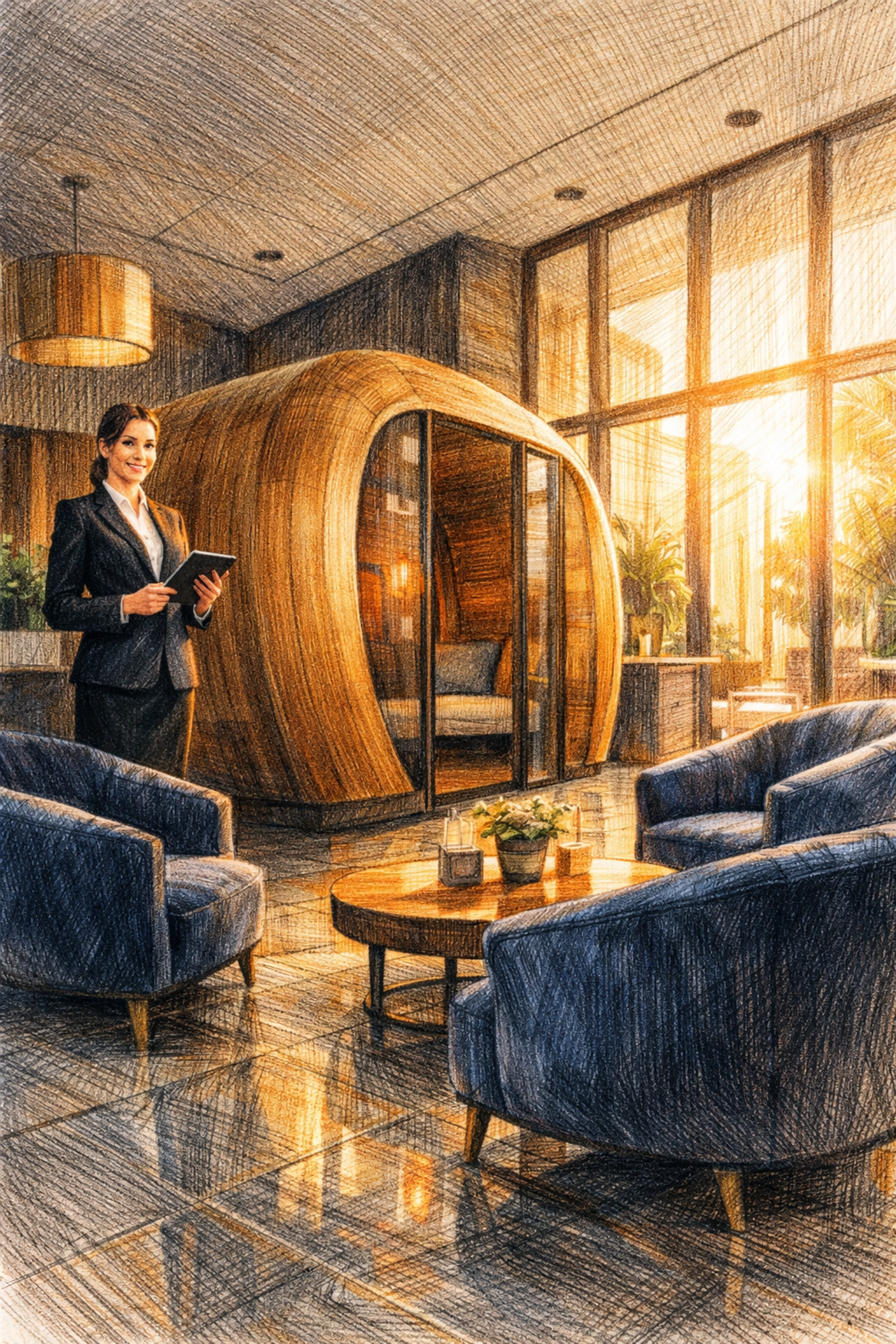
Today, we are seeing those massive desks shrink or disappear entirely. Some of the most innovative hotels are moving toward "pod" desks or even just staff members with tablets who greet you on a sofa. By removing the physical barrier, you instantly change the vibe from "corporate transaction" to "welcome home."
When the lobby is designed without a massive barricade at the entrance, the whole room opens up. It signals to the guest that this is a space for them to inhabit, not just pass through.
Designing for the Digital Nomad
We can’t talk about modern lobbies without talking about the "Work from Anywhere" crowd. Even before the world went remote, business travelers were tired of being stuck in their rooms at a tiny desk facing a wall. They wanted to be where the energy was.
To design for productivity, you need more than just a communal table. You need to think about the "psychology of work."
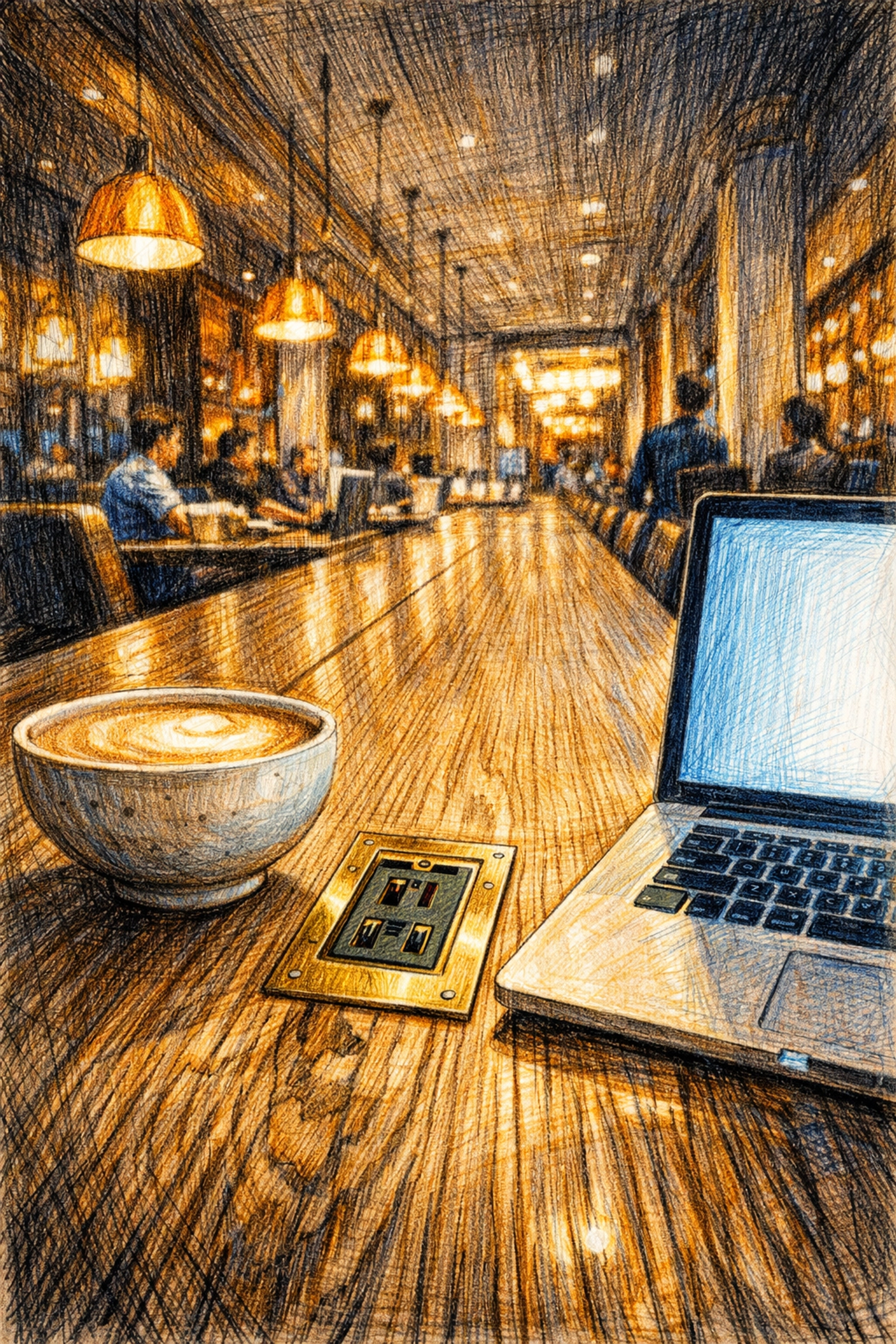
- Power is Everything: If a guest has to crawl under a table to find an outlet, you’ve failed. In a modern lobby, power outlets should be integrated into the furniture: under the lip of the bar, built into the communal tables, and next to the lounge chairs.
- Zone Your Lighting: Work areas need clearer, brighter light, while lounging areas can be moodier. Using layered lighting helps guests intuitively understand where they should take a Zoom call and where they should have a cocktail.
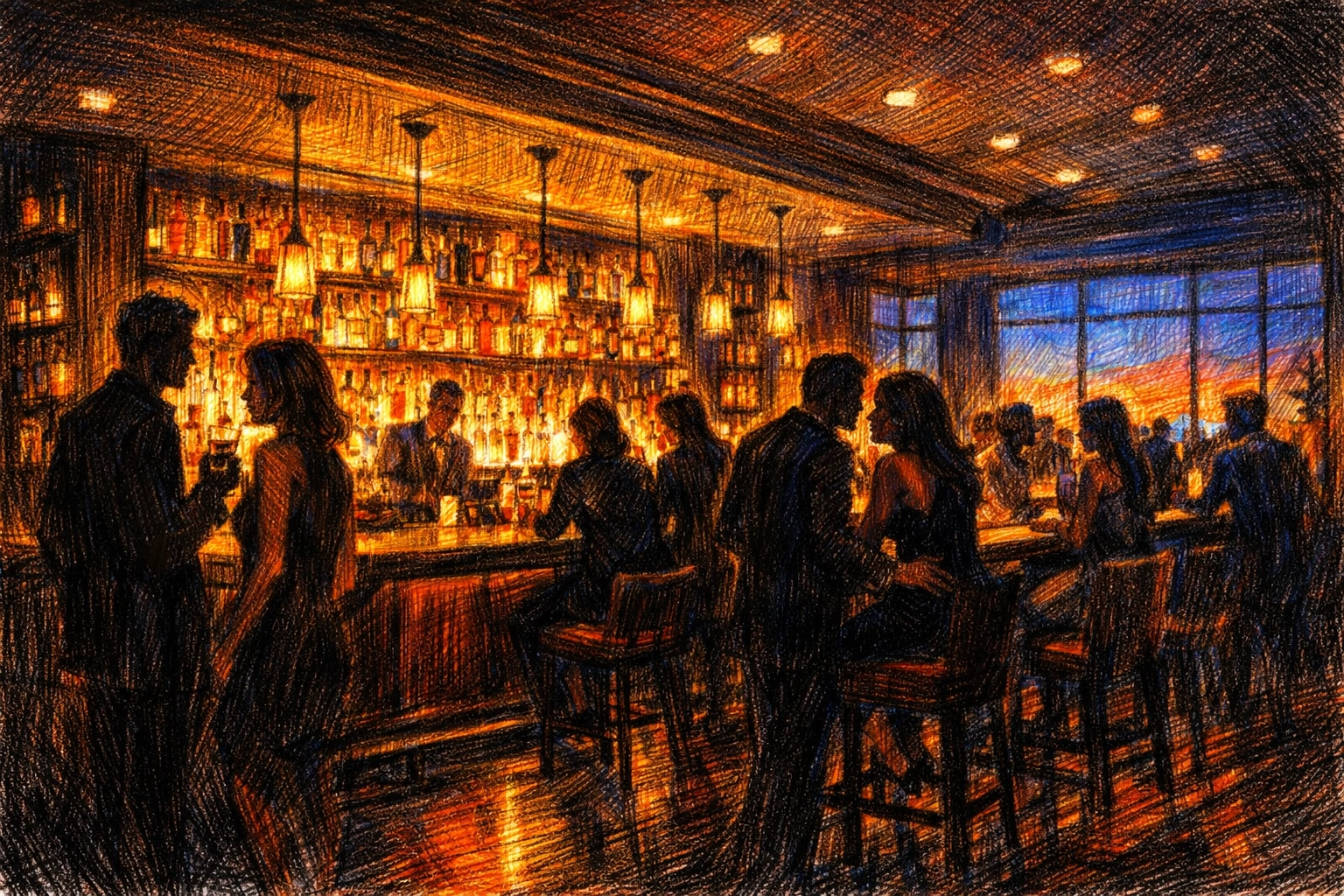
- The "Coffee-to-Cocktail" Pivot: A great lobby works 24/7. In the morning, it needs to feel like a high-end cafe with the smell of fresh espresso and plenty of space for laptops. By 5 PM, that same space should transition. Dim the lights, change the music, and suddenly that communal work table becomes a place for a shared cheese board and a glass of wine.
Creating Social "Clusters"
One mistake I see often is "airport seating": rows of chairs facing the same direction or stuck against the walls. This is a social killer.
The goal of a modern lobby is to encourage interaction, even if it’s just "social friction" (being near others while doing your own thing). We achieve this by creating clusters of furniture. Think of it like a living room. You want a mix of:
- Small Nooks: For a private conversation or a solo traveler reading a book.
- Large Communal Tables: For groups or individuals who want to work side-by-side.
- Lounge Pits: Deep, comfortable sofas that encourage people to stay for more than ten minutes.
When you give people options, they stay longer. And when they stay longer, they spend more at your lobby bar or cafe.
The Lobby as a Local Gallery
Travelers today: especially Millennials and Gen Z: are looking for "authenticity." They don’t want a cookie-cutter experience that looks the same in Des Moines as it does in Dubai. They want to feel the soul of the city they are in.
The lobby is the perfect place to showcase local culture. We’ve been working with hotels to integrate local art, locally sourced materials, and even "pop-up" retail spaces for local makers.
Instead of generic art from a catalog, imagine a rotating gallery featuring a local photographer. Instead of a standard gift shop, imagine a small shelf featuring handmade ceramics from a studio down the street. This doesn't just look good; it creates a story. When a guest takes a photo of your lobby because it feels unique, that’s free marketing for your brand.
Biophilic Design: Bringing the Outside In
We’ve talked about this before, but it’s worth repeating: humans have an innate need to connect with nature. This is called biophilic design. In a lobby, where people might be arriving stressed from a long flight or a busy workday, plants and natural light act as an immediate "reset" button.
I’m not just talking about a fern in the corner. I’m talking about living walls, large indoor trees, and using natural materials like raw wood, stone, and linen. These textures soften the "hardness" of a commercial building. They make the space feel breathable.
Research shows that spaces with biophilic elements can actually lower heart rates and improve mood. If a guest feels better the moment they walk into your lobby, they are already starting their stay with a positive bias toward your hotel.

Invisible Tech
While we want the design to feel natural and "human," the technology needs to be top-tier: but it should be invisible.
Nobody wants to see a tangle of wires or a glowing server rack in the middle of a beautifully designed lounge. The tech should just work. This means high-speed, seamless Wi-Fi that doesn't require a 16-digit code every time you move five feet. It means smart climate control that keeps the lobby comfortable without blowing a draft on guests sitting near the windows.
We are also seeing a rise in "ambient soundscapes." Instead of a local radio station with commercials, high-end lobbies use curated playlists or even generative AI music that changes based on the time of day and the "energy" of the room. It’s a subtle touch, but it makes a huge difference in how the space feels.
The Business Case: Why This Matters for Your Bottom Line
I get it: designing a multifunctional lobby is an investment. It’s cheaper to just buy ten identical chairs and call it a day. But from a business perspective, the "Active Lobby" model is a revenue generator.
- Increased F&B Revenue: If your lobby is comfortable and functional, guests won't leave to go to the Starbucks down the street. They’ll buy their morning latte and their evening beer from you.
- Higher ADR (Average Daily Rate): Guests are willing to pay more for a hotel that offers a "lifestyle" experience. A great lobby makes the entire property feel more premium.
- Local Foot Traffic: If your lobby is inviting enough, locals will start using it as a coworking space or a meeting spot. This brings in additional revenue and gives the hotel a "buzz" that travelers love to see. Nothing kills a vibe faster than an empty lobby.
Final Thoughts
Your lobby is the first and last thing a guest sees. It’s your "handshake." In 2026, a handshake that is cold, formal, and purely functional just won't cut it.
We need to design spaces that are flexible enough to handle a morning board meeting, an afternoon nap, and a late-night cocktail: all in the same square footage. By focusing on comfort, local identity, and productivity, you turn a pass-through space into a destination in its own right.
At My Hotel Design, we’re obsessed with finding that balance between "simple" and "stunning." If you’re looking at your current lobby and seeing a lot of wasted potential, maybe it’s time for a rethink. Let’s make that space work as hard as you do.
Stay inspired,
Robert Rupp
Founder, My Hotel Design