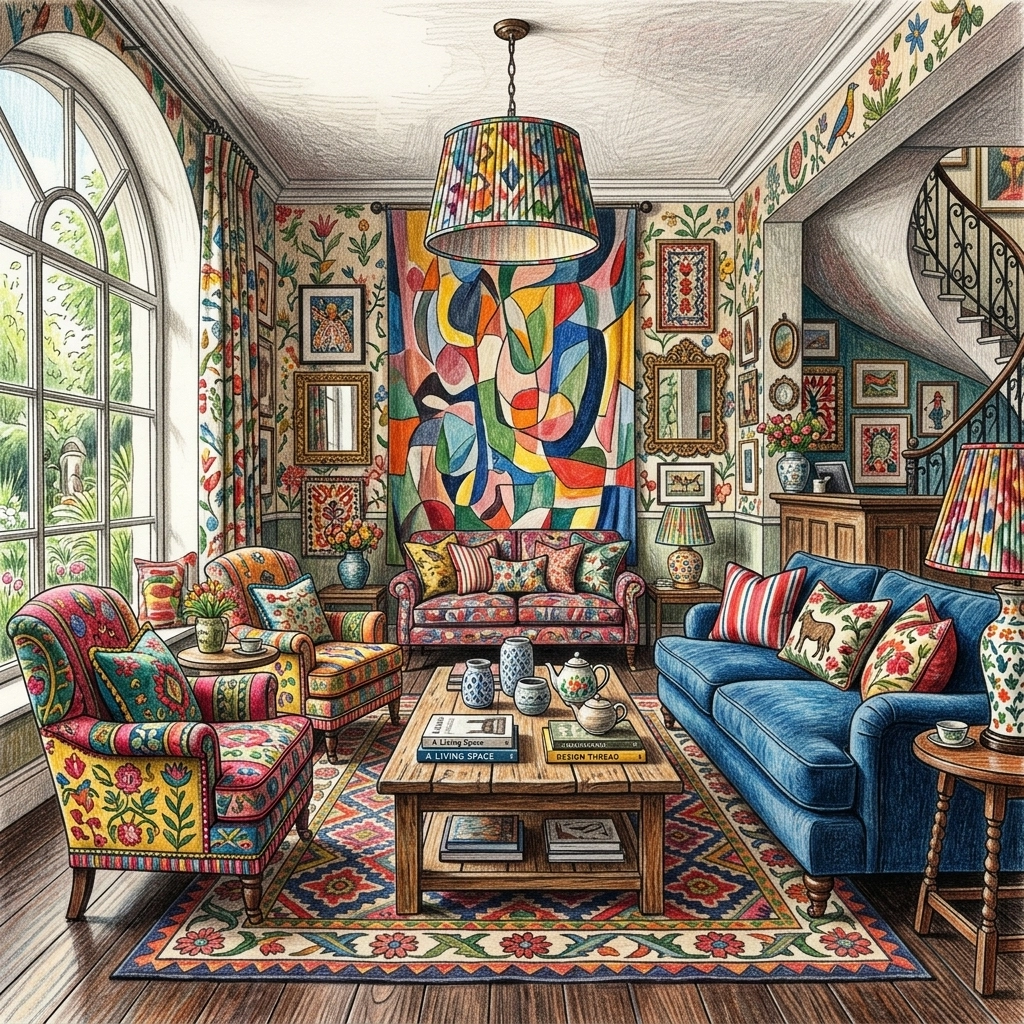
If you’ve ever stepped into a hotel and felt like you were walking into a living, breathing work of art rather than a corporate lobby, there’s a good chance you were experiencing the work of Kit Kemp.
As the Design Director and co-founder of Firmdale Hotels, Kit Kemp has spent the last four decades completely rewriting the rulebook for boutique hotel interior design. While many luxury brands were leaning into beige minimalism and "safe" corporate aesthetics, Kit was busy throwing patterns, bold colors, and oversized sculptures together to create something entirely new.
At My Hotel Design, we’re constantly looking at the giants of our industry for inspiration. Kit Kemp isn't just a designer; she’s a storyteller. If you’re looking to elevate your own project, whether it’s a small bed and breakfast or a massive urban development, understanding Kit’s philosophy is a great place to start.
Here are 10 things you should know about the woman who defined the modern boutique aesthetic.
1. She’s a Self-Taught Powerhouse
You might assume that a designer of Kit’s stature spent years in traditional architecture schools, but her path was much more organic. Kit is actually self-taught in interior design. Her background is in graphic design, which explains her incredible eye for balance, framing, and visual weight.
Before she started Firmdale Hotels with her husband, Tim, she worked for an auctioneer and later for the Polish architect Leszek Nowicki. These experiences gave her a deep appreciation for the history of objects and the structural bones of a building. It’s a reminder to all of us in the industry that great design isn't just about a degree: it’s about how you see the world.
2. Color, Craft, and Storytelling Are Her Pillars
If you had to sum up a Kit Kemp room in three words, they would be color, craft, and story. She is famous for her "fearless" use of color. You won't find many "greige" rooms in her portfolio. Instead, you’ll see vibrant pinks, deep blues, and grassy greens working in harmony.
But it’s not just about bright colors for the sake of it. Everything in a Kit Kemp room tells a story. She sources one-off pieces from art fairs, galleries, and obscure craftspeople from all over the world. This focus on craftsmanship is what gives her spaces their soul. In the world of luxury hospitality design, this "human touch" is what guests are willing to pay a premium for.
3. She Founded Firmdale to Combat "Generic" Hotels
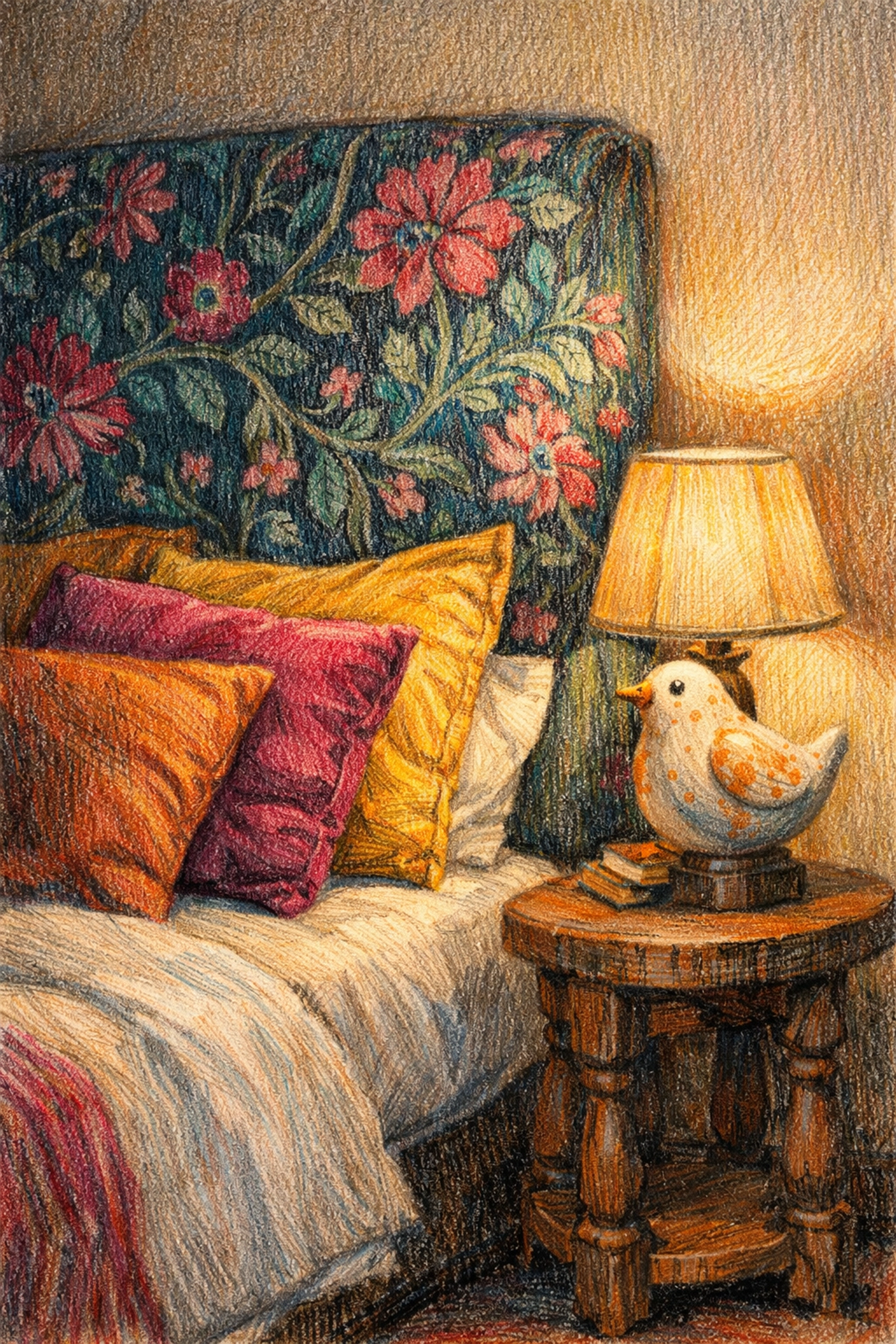
The story of Firmdale Hotels began in 1985 because Kit and Tim Kemp simply hated staying in hotels. Back then, most luxury hotels felt "cellophane-wrapped": predictable, stuffy, and boring. They wanted to create something that felt like a home, but better.
Today, Firmdale operates 11 luxury hotels and eight restaurants across London and New York. Each one is distinct. This was a radical move in an era where "brand consistency" meant making every hotel room in every city look exactly the same. Kit proved that guests don't want consistency; they want an experience.
4. She’s a Pioneer of Urban Regeneration
One aspect of Kit’s work that doesn't get enough credit is her contribution to sustainable hotel architecture. Long before "adaptive reuse" was a buzzword, the Kemps were specializing in it. They didn't just build new glass boxes; they took neglected warehouses, old car parks, and dilapidated offices and turned them into world-class destinations.
A prime example is the Haymarket Hotel in London. The project involved the regeneration of a historic building that had seen better days, earning them the Crown Estate’s Urban Business Award. By choosing to restore and repurpose existing structures rather than tearing them down, Kit’s work aligns with modern sustainability goals while preserving the character of the neighborhood.
5. Her Design Style Is Instantly Recognizable (But Never Repeated)
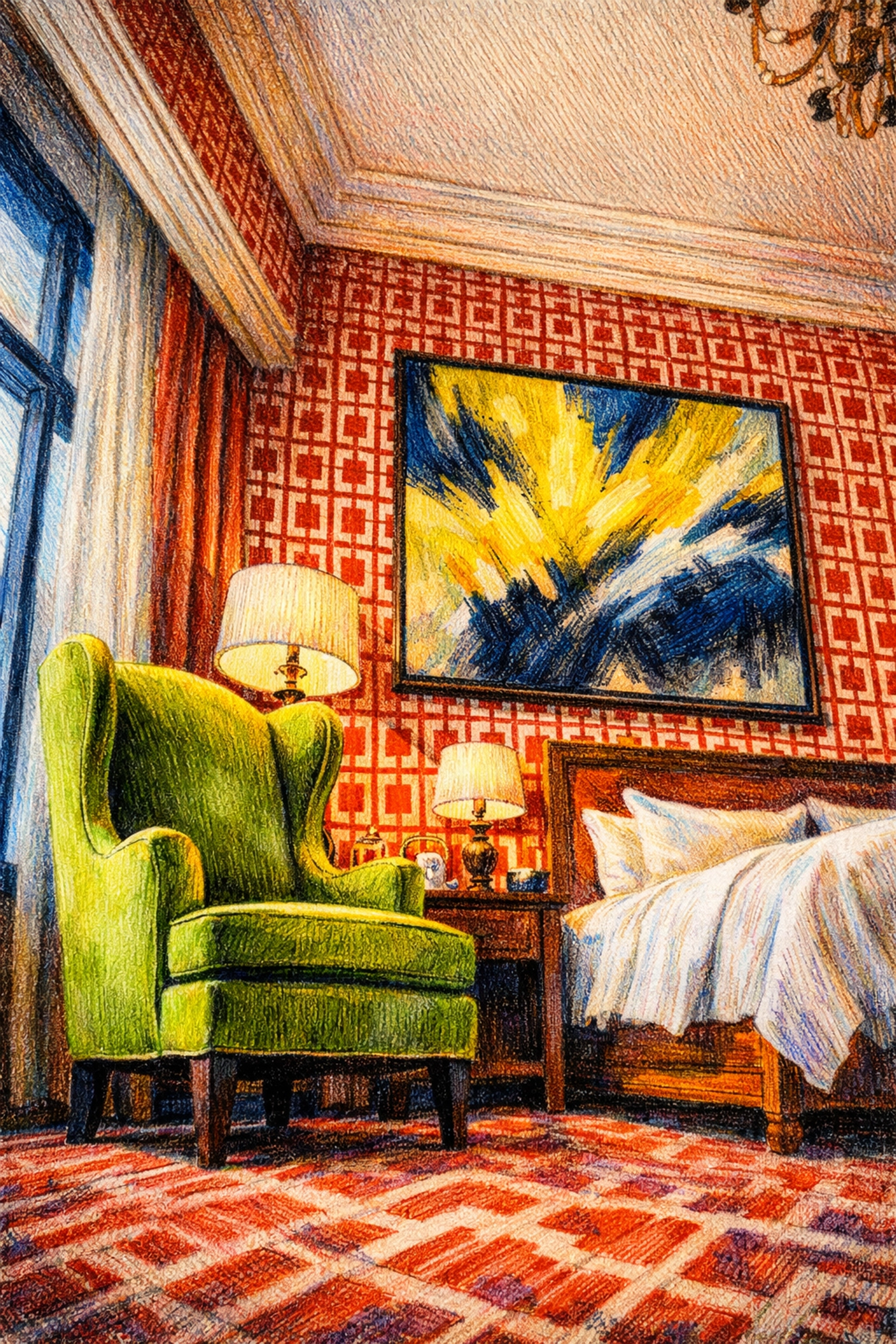
There is a specific "Firmdale Look": the fabric-covered walls, the tall bed headboards, the eclectic mix of modern art and antiques. However, no two rooms are the same. Even within a single hotel like the Soho Hotel or the Ham Yard Hotel, every guest room has its own personality.
This is a massive undertaking for a design team, but it’s what makes her hotels feel like "boutique" properties despite their global fame. She uses interesting works of art combined with curious antiques to ensure that the eye always has something new to discover.
6. It’s a Family Affair
Designing on this scale requires a massive amount of coordination. Kit leads an in-house design team of nine people, which includes two of her three daughters. Having a family-led design team allows the brand to maintain its core DNA while also evolving with younger perspectives.
This tight-knit structure allows them to be agile. They don't have to wait for a corporate board to approve a daring fabric choice or an unconventional piece of furniture. That creative freedom is visible in every corner of their properties.
7. She’s Won the Industry's Biggest Awards
You don't get to where Kit Kemp is without the industry taking notice. She has been named House & Garden’s Hotel Designer of the Year and won the Andrew Martin International Interior Designer of the Year award.
Perhaps most impressively, her hotels consistently top the "Best in the World" lists from Condé Nast Traveller. For those of us in boutique hotel interior design, these accolades serve as a benchmark. They prove that you don't have to follow the trends to be the best: you just have to be authentic.
8. She Literally Wrote the Book on It
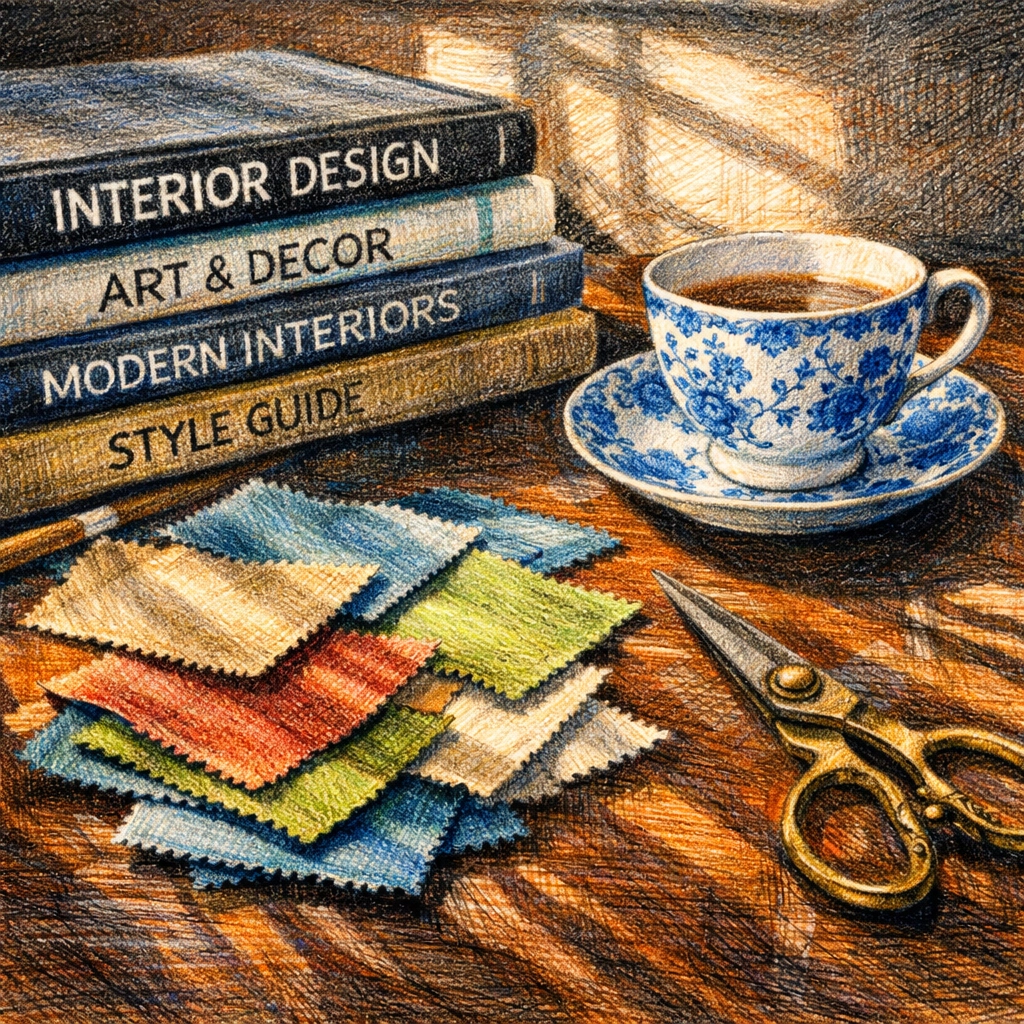
Actually, she wrote four of them. If you want to dive deeper into her process, Kit has published several books:
- A Living Space (2012)
- Every Room Tells A Story (2015)
- Design Thread (2019)
- Design Secrets (2021)
In these books, she breaks down how to use textiles, how to hang art, and how to create "flow" in a room. For any aspiring hotelier, these are essential reading. They offer a rare look behind the curtain of luxury hospitality design.
9. She’s More Than Just a Hotel Designer
Kit’s creativity doesn't stop at the hotel door. She has collaborated with some of the biggest names in lifestyle and home goods. She’s designed embroidered fabrics for Chelsea Textiles, rugs for Christopher Farr, and a stunning collection of bone china for Wedgwood.
She even has her own bath and body range called Rik Rak, which you’ll find in all Firmdale guest rooms. This brand extension is a masterclass in how to turn a design aesthetic into a full-scale lifestyle brand. It allows guests to take a piece of that "Firmdale feeling" home with them.
10. Her Style Is Always Fluid and Local
Finally, the most important thing to know about Kit Kemp is that she refuses to be pinned down. She’s often asked to describe her "style," but she’s skeptical of categories. She describes her approach as "whimsical, eclectic, and hard to pin down."
Her designs are heavily influenced by the location of the hotel. The Crosby Street Hotel in New York captures the industrial, cool vibe of SoHo, while the Warren Street Hotel reflects the evolving character of its neighborhood. This commitment to "local character" is what makes her work feel timeless. It’s not a trend; it’s a response to a place.

What Can We Learn from Kit Kemp?
As we look at the future of the hospitality industry, Kit Kemp’s influence is everywhere. She taught us that "luxury" isn't about how much gold leaf you can put in a room; it’s about the quality of the craft and the feeling of the space.
If you’re working on a hotel project, here are three quick takeaways from Kit’s career:
- Don’t Fear the Pattern: Minimalist designs are easy, but they can feel cold. Don't be afraid to mix fabrics and textures to create warmth.
- Sustainability Starts with the Building: Consider sustainable hotel architecture by looking at how you can repurpose existing structures. Character is often found in the old "bones" of a building.
- Invest in Art: Art shouldn't be an afterthought. It should be the starting point of the room's story.
Kit Kemp transformed the hospitality world by being herself. At My Hotel Design, we believe that’s the best way to approach any design project. Whether you're a fan of her bold style or prefer something a bit quieter, there's no denying that Kit Kemp has made the world of travel a much more colorful place.