If you’ve spent any time looking at the world’s most stunning hotels over the last decade, you’ve definitely seen André Fu’s work: even if you didn’t realize it. At My Hotel Design, we’re constantly looking at the visionaries who shift the industry, and André Fu is at the very top of that list.
I’m Robert Rupp, and today I want to dive deep into why this Hong Kong-based architect has become the go-to designer for the world’s most prestigious hotel brands. From the game-changing Upper House in Hong Kong to the historic halls of Claridge’s in London, Fu has redefined what "luxury" actually feels like in the 21st century.
He doesn't just design rooms; he designs experiences that feel calm, curated, and incredibly personal. Let’s break down everything you need to know about the man who turned boutique hotel interior design into an art form.
The Architect of "Relaxed Luxury"
To understand André Fu, you have to understand his core philosophy: "relaxed luxury."
For a long time, luxury hospitality design was synonymous with "more." More gold leaf, more marble, more giant chandeliers, and more stuffy formalities. Fu took a look at that and decided to go the opposite way. He realized that true modern luxury isn't about showing off; it's about how a space makes you feel.
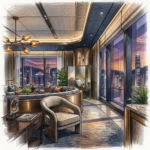
He focuses on comfort-forward minimalism. This doesn't mean the rooms are empty: far from it. It means every single item in the room is there for a reason. There is a sense of ease and a residential feel that makes guests feel like they are staying in a very wealthy friend’s guest wing rather than a cold, corporate hotel.
A Bridge Between East and West
Born in Hong Kong and educated at Cambridge University, Fu’s background is the secret sauce to his success. He bridges two very different design worlds.
He takes the European principles of structured aesthetics and blends them seamlessly with Asian traditions of craftsmanship and balance. This "cross-cultural" approach is why his designs work just as well in the heart of London as they do in the middle of Kyoto. He understands the rhythm of international travel and creates spaces that serve as a quiet sanctuary from the chaos of the outside world.
The Turning Point: The Upper House, Hong Kong
You can’t talk about André Fu without talking about The Upper House. In 2009, this project changed his life: and the hospitality industry: overnight.
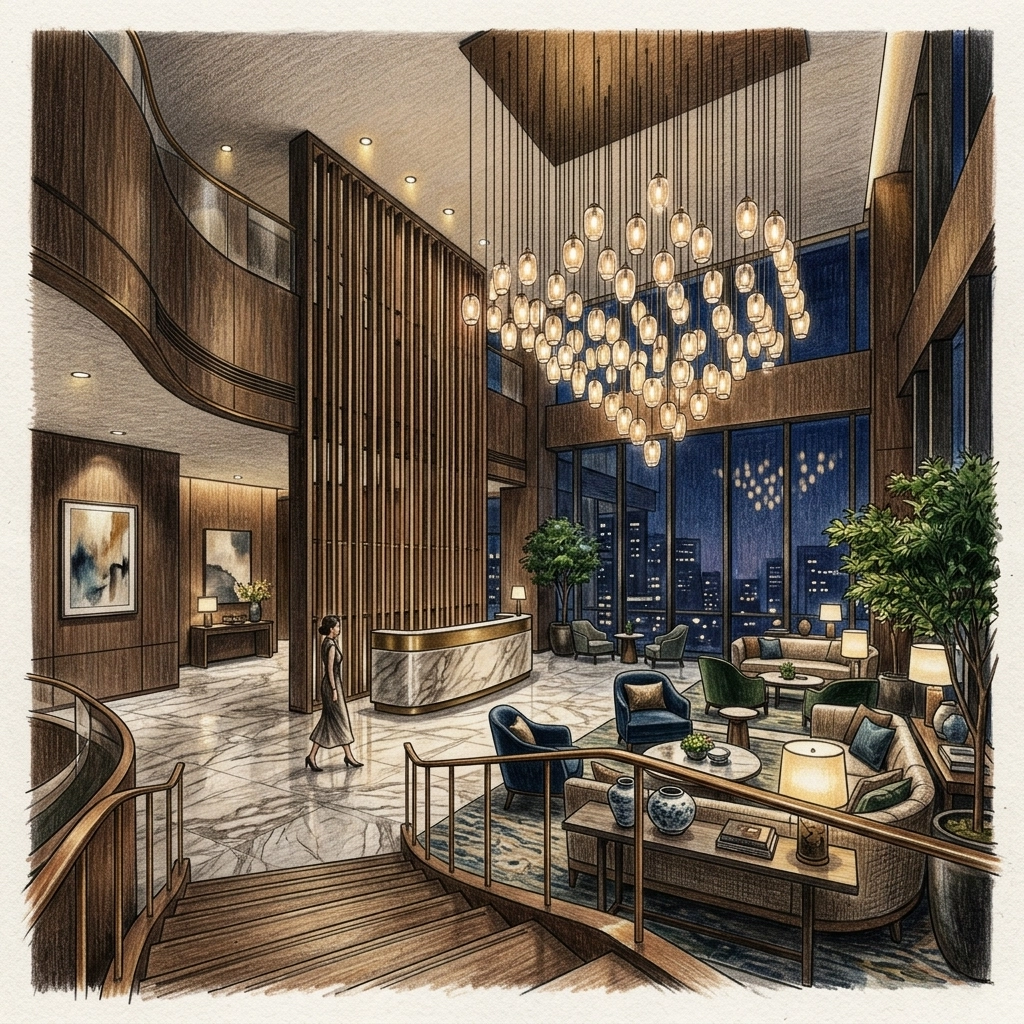
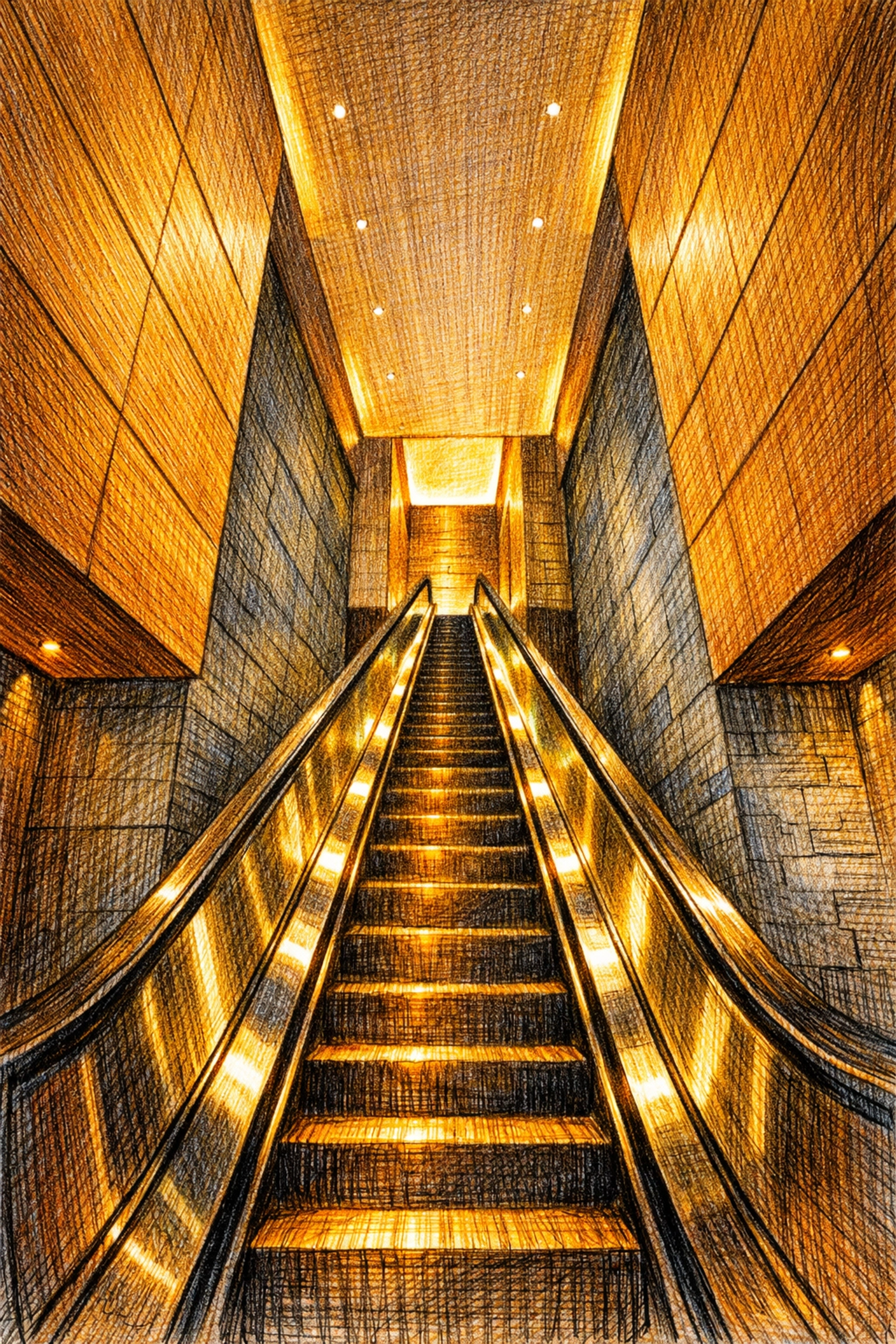
At the time, Fu was relatively unknown and had never designed a hotel before. But the Swire Hotels group took a chance on him, and the result was revolutionary. He ditched the traditional grand lobby. Instead, guests are whisked up a silent, glowing escalator into a space that feels like a private residence high above the city.
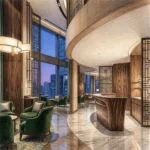
The use of natural wood, lime-green accents, and massive floor-to-ceiling windows overlooking Victoria Harbour set a new standard for boutique hotel interior design. It proved that you didn't need a traditional reception desk or a velvet-rope aesthetic to be world-class. You just needed a clear vision and a focus on the guest’s emotional journey.
Signature Projects That Defined a Decade
Since the success of The Upper House, Fu’s studio, AFSO, has been on a roll. Here are a few projects that every design lover should know:
1. St. Regis Hong Kong
While The Upper House is minimalist, the St. Regis is Fu’s take on "classic glamour." He managed to reference the heritage of the St. Regis brand (think New York 1904) while keeping it firmly rooted in Hong Kong’s culture. The result is a space that feels grand but never intimidating.
2. Hotel The Mitsui Kyoto
This project is a masterclass in respecting history. Located right next to Nijo Castle, the hotel incorporates a 300-year-old gate. Fu’s design connects the interior rooms with the stunning Japanese gardens, making the landscape the star of the show. This is a perfect example of how sustainable hotel architecture isn't just about solar panels: it’s about creating a timeless design that respects the environment and the heritage of the land.
3. The Berkeley and Claridge’s, London
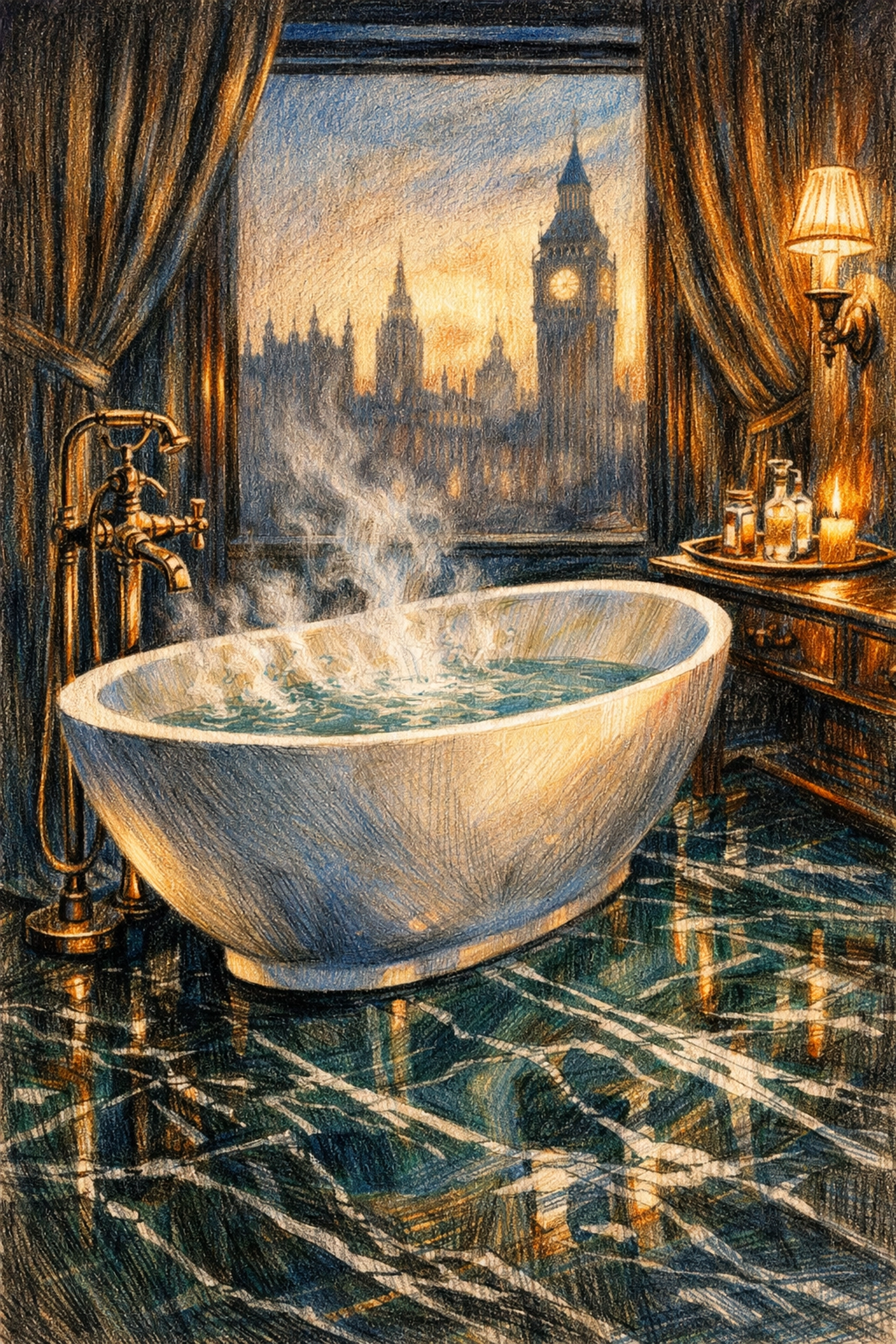
London’s "Old Guard" hotels are notoriously difficult to renovate because their history is so beloved. However, Fu brought a fresh, contemporary energy to the Berkeley’s Pavilion suites and the spa at Claridge’s. He didn't erase the history; he just gave it a modern heartbeat.
The Elements of an André Fu Space
If you’re a designer or a hotelier looking for inspiration, here are the signature "moves" that make a space feel like an André Fu creation:
- Subdued Palettes: You won't find neon colors here. He uses earthy tones, mineral grays, and soft creams. This keeps the visual "noise" low.
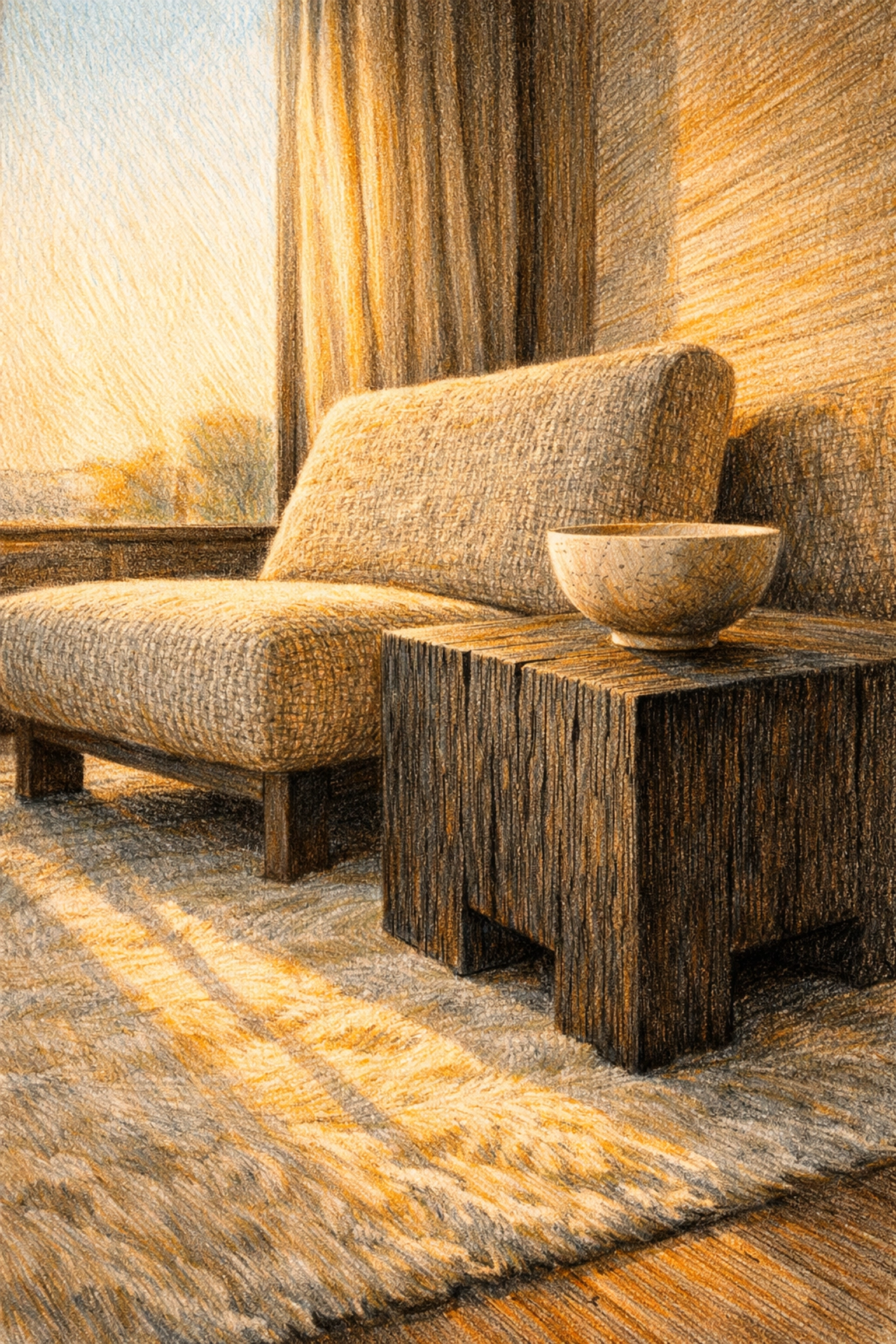
- Tactile Materials: He loves materials that feel good to the touch: brushed bronze, solid oak, hand-tufted rugs, and textured stone.
- Symmetry and Flow: His architectural background is obvious in how he lays out a room. Everything is balanced. There is a clear path for the eye to follow, which creates a sense of psychological calm.
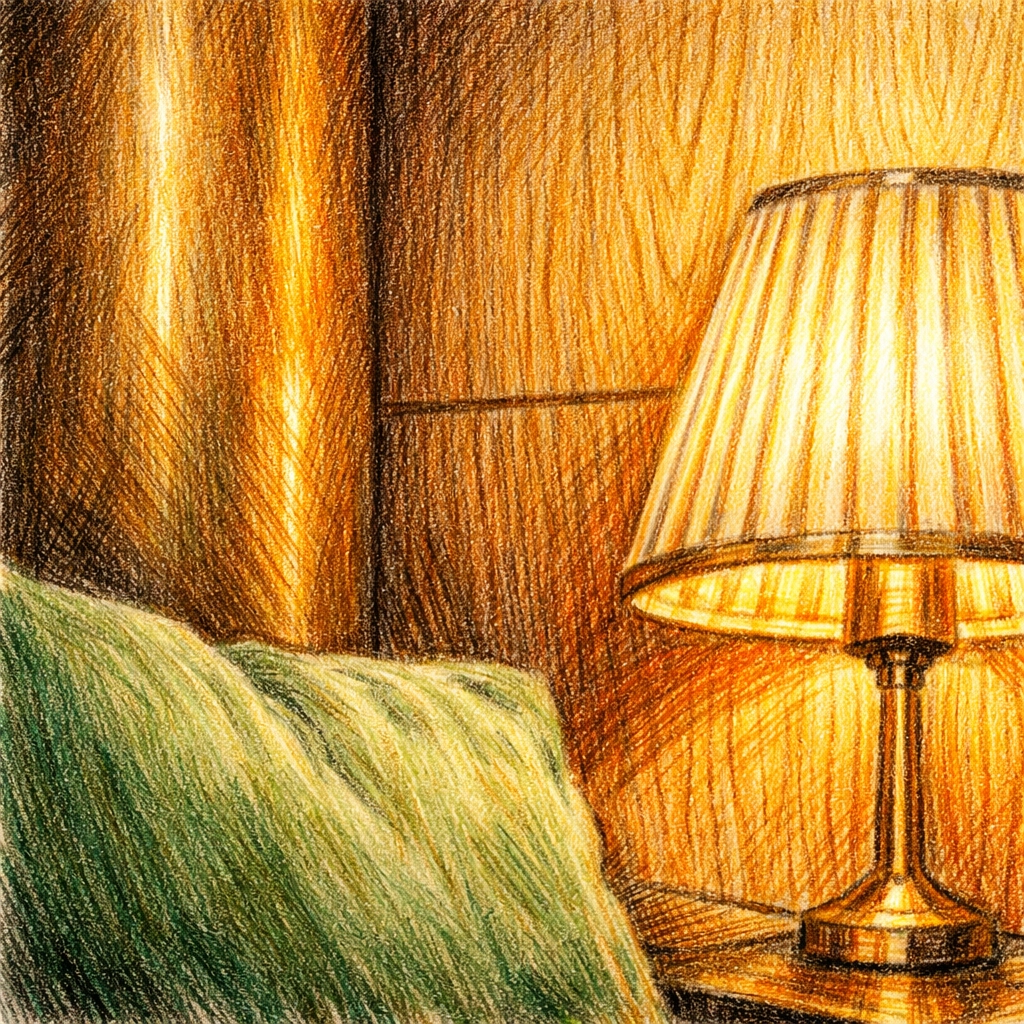
- Layered Lighting: Fu is a master of "mood." He rarely uses harsh overhead lights. Instead, he layers floor lamps, table lamps, and hidden LED strips to create a soft, warm glow that makes everyone look and feel better.
André Fu Living: Beyond the Hotel Walls
In 2019, he launched André Fu Living, a lifestyle brand that allows people to bring his aesthetic into their own homes. This wasn't just a side project; it was a response to fans who kept asking where they could buy the chairs, lamps, and tableware they saw in his hotel projects.
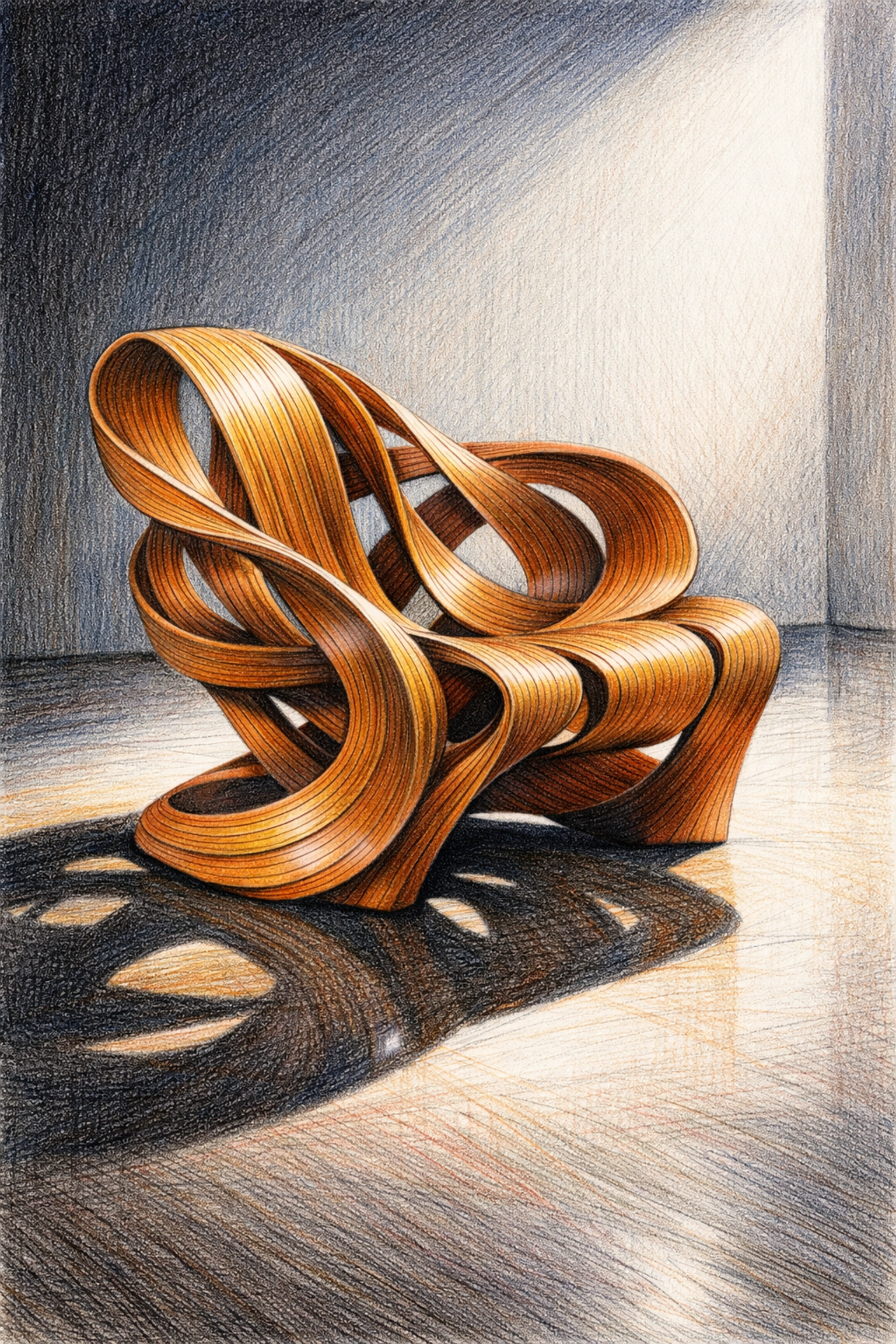
His collaboration with Louis Vuitton for their Objets Nomades collection: specifically the "Ribbon Dance" chair: further cemented his status as a global design icon. It showed that his eye for proportion and luxury translates perfectly from the scale of a 50-story hotel to a single piece of furniture.
The Importance of Longevity and Sustainability
In today’s world, we have to talk about sustainability. For André Fu, sustainable hotel architecture is deeply tied to the idea of longevity.
The most "unsustainable" thing a hotel can do is follow a fleeting trend that requires a full renovation every five years. That creates massive amounts of waste. Fu’s approach is different. By choosing high-quality natural materials and sticking to a timeless aesthetic, he creates spaces that look just as good ten years later as they did on opening day.
The Upper House is over 15 years old now, and it still feels incredibly modern. That is true sustainability: building things that last and don't need to be replaced.
Why André Fu Matters to the Future of Hospitality
The world of travel is changing. Modern guests are tired of "cookie-cutter" luxury. They want authenticity. They want a "sense of place."
André Fu understands this better than almost anyone. He doesn't just drop a "signature style" into a city. He spends months researching the local culture and history to ensure the hotel feels like it belongs there. Whether it’s a spa in Provence or a skyscraper in Osaka, his work feels grounded and intentional.
As we look toward the future of luxury hospitality design, Fu’s influence will only grow. He has taught the industry that the greatest luxury of all is peace, quiet, and a space that lets you breathe.
Final Thoughts
André Fu has managed to do something very difficult: he created a brand of luxury that is both elite and welcoming. He proved that you don't need to shout to be heard.
For those of us at My Hotel Design, his work is a constant reminder that the best design is the kind that serves the human experience first. If you’re ever in a city with an André Fu-designed hotel, do yourself a favor and walk through the lobby. You’ll feel the difference immediately.
What’s your favorite André Fu project? Or are you more of a fan of the traditional, ornate style of luxury? Let us know: we love hearing your thoughts on where hotel design is headed next!