If you’ve stepped into a high-end hotel in the last decade and felt an immediate sense of calm: like the building itself was giving you a quiet, sophisticated hug: there’s a good chance you were standing in a space designed by André Fu.
At My Hotel Design, we’re constantly looking at the visionaries who shift the landscape of how we experience travel. When it comes to luxury hospitality design, few names carry as much weight as André Fu. Based in Hong Kong but educated in the UK, Fu has managed to do something most designers struggle with for their entire careers: he created a brand-new vocabulary for luxury.
He calls it "relaxed luxury." I call it a masterclass in modern hospitality.
In this guide, we’re going to dive deep into the world of André Fu. We’ll look at how he went from a young architect with a three-person studio to the go-to designer for the world’s most prestigious hotel brands. If you're interested in boutique hotel interior design or the future of sustainable hotel architecture, this is the story of a man who is currently writing the blueprint.
The Architect of "Relaxed Luxury"
To understand André Fu’s work, you first have to understand his philosophy. He isn't interested in the "gilded age" version of luxury. You won't find over-the-top gold leaf or heavy, intimidating velvet curtains in his projects. Instead, Fu focuses on what he calls "relaxed luxury": a sense of ease, comfort, and quiet sophistication.
Born in Hong Kong and moved to the UK at age 14, Fu eventually earned his Masters in Architecture from Cambridge University. This dual-cultural upbringing is the secret sauce in his designs. He seamlessly bridges Eastern and Western sensibilities. He takes the European principles of aesthetic and scale and marries them with Asian traditions of craftsmanship, quality, and a deep respect for the user's journey through a space.
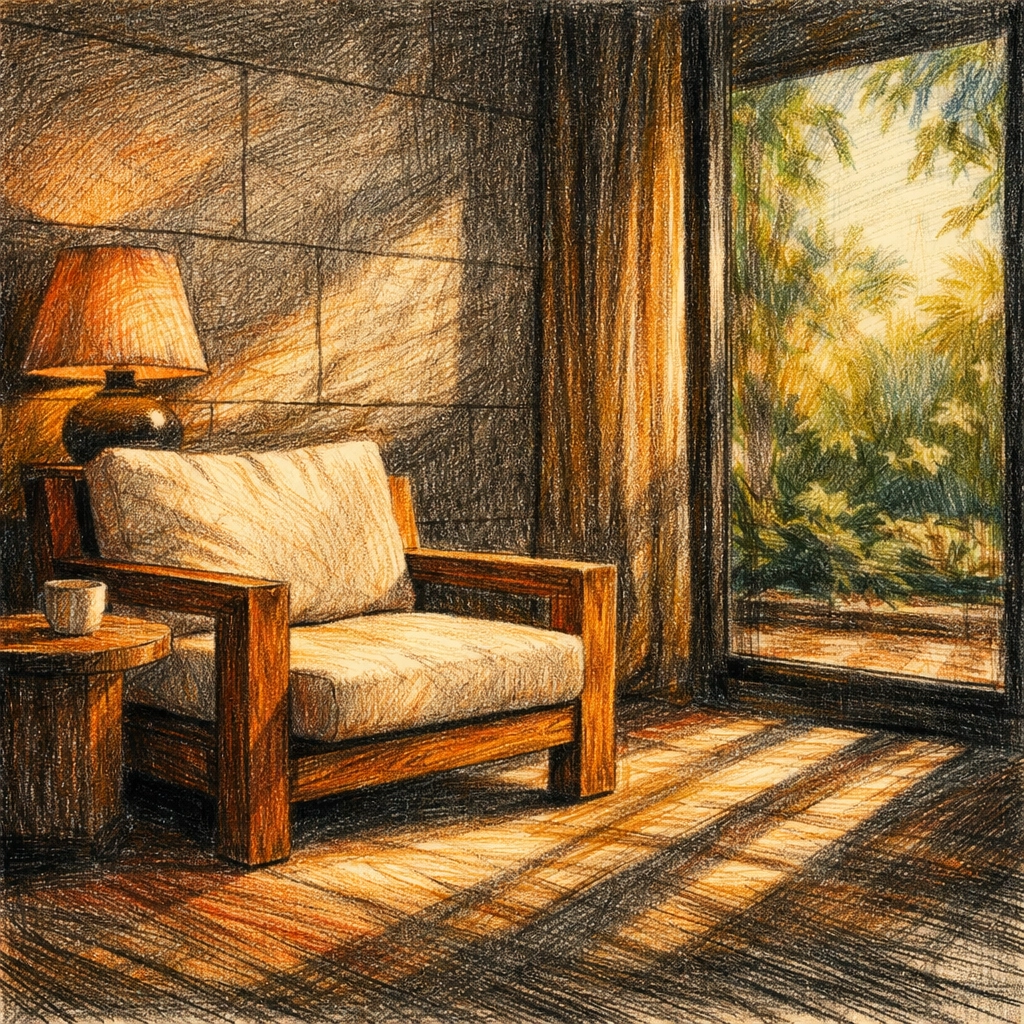
His work is characterized by clean lines, a muted but warm color palette, and a focus on tactile materials. He wants you to touch the stone, feel the grain of the wood, and notice how the light hits a curved wall at 4:00 PM.
The Breakthrough: The Upper House, Hong Kong
You can’t talk about André Fu without talking about The Upper House. Launched in 2009, this project didn't just put Fu on the map; it fundamentally changed what a luxury hotel could look like.
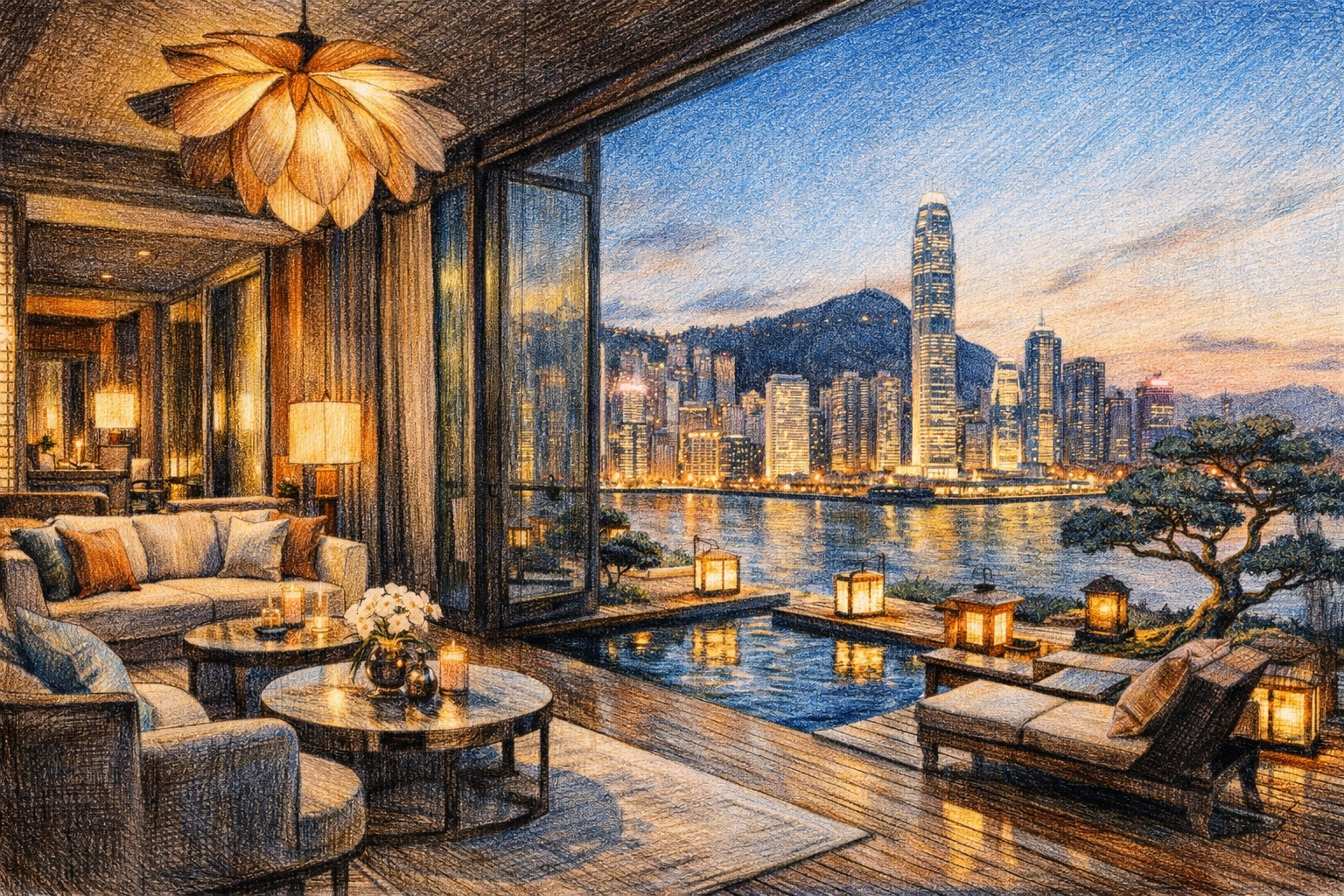
At the time, "luxury" usually meant a massive lobby with a giant chandelier and a formal check-in desk. Fu threw that script out the window. The Upper House was designed to feel like a private residence. There was no traditional front desk. Instead, guests were ushered straight to their rooms for a paperless check-in.
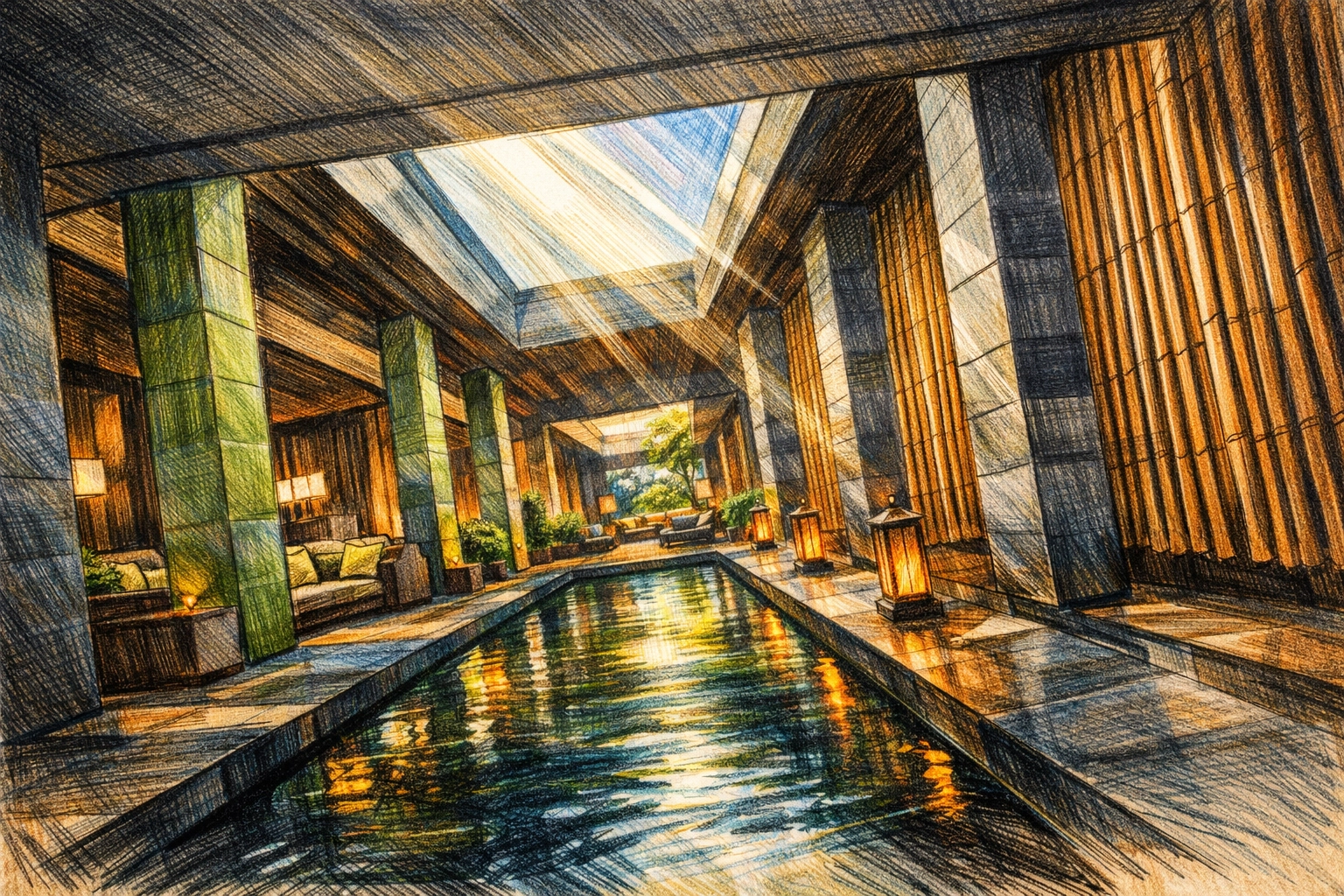
The design featured a lot of bamboo, natural stone, and huge windows that framed the Hong Kong skyline like living art. It felt intimate. It felt boutique. It proved that boutique hotel interior design could be applied to a high-rise luxury setting without losing its soul. Even today, over 15 years later, The Upper House feels incredibly modern. That’s the hallmark of Fu’s work: it’s timeless.
Signature Projects: From London to Kyoto
Since The Upper House, Fu’s portfolio has expanded to include some of the most iconic properties in the world. Each project is a "site-specific" response, meaning he doesn't just copy-paste a style. He looks at the history and the culture of the location.
The St. Regis Hong Kong
While The Upper House was about residential minimalism, the St. Regis was about "curated glamour." Fu drew inspiration from the original St. Regis in New York but filtered it through the lens of Hong Kong’s history. The result is a space that feels grand but deeply personal, featuring 18-meter-high ceilings and a stunning courtyard that feels like a sanctuary in the middle of a concrete jungle.
The Berkeley, London
Fu has a long-standing relationship with Mayfair’s legendary Berkeley hotel. From the Pavilion Suites to the Opus Suite, his work here shows how he can breathe new life into a historic British institution. He brought a sense of light and openness to spaces that could have easily felt stuffy, proving that luxury hospitality design is about evolution, not just preservation.
Hotel The Mitsui Kyoto
In Kyoto, Fu took on the challenge of designing a hotel on a site that had been the home of the Mitsui family for over 250 years. This project is a masterclass in "East meets West." He worked with local craftsmen to ensure the hotel felt rooted in Japanese heritage while providing the modern comforts global travelers expect.
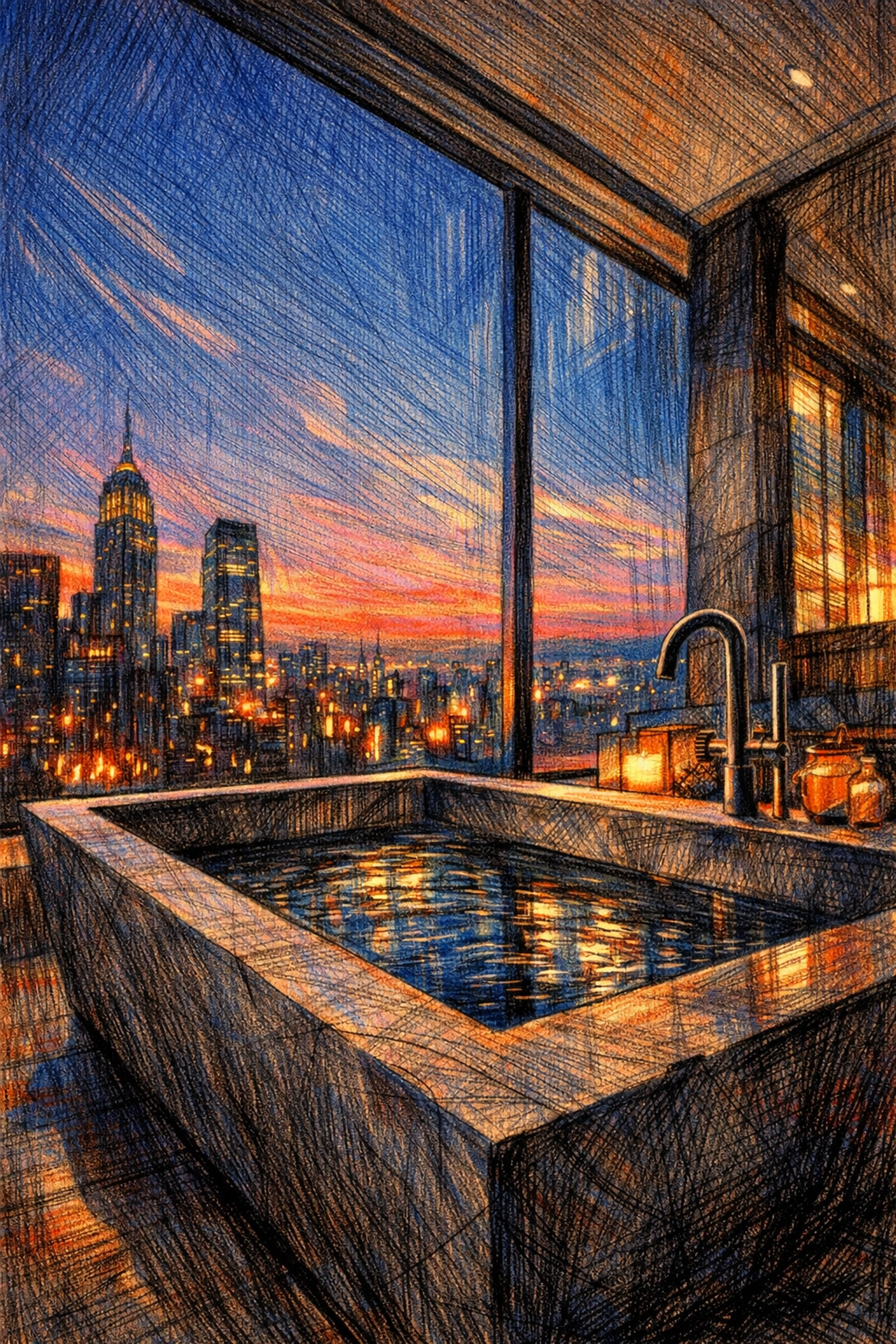
Materiality and the Sensory Experience
One thing I’ve always admired about André Fu is his obsession with the details you don't see at first glance. It’s about the "spatial journey." He thinks about how a guest moves from the entrance to the elevator, and then into their room.
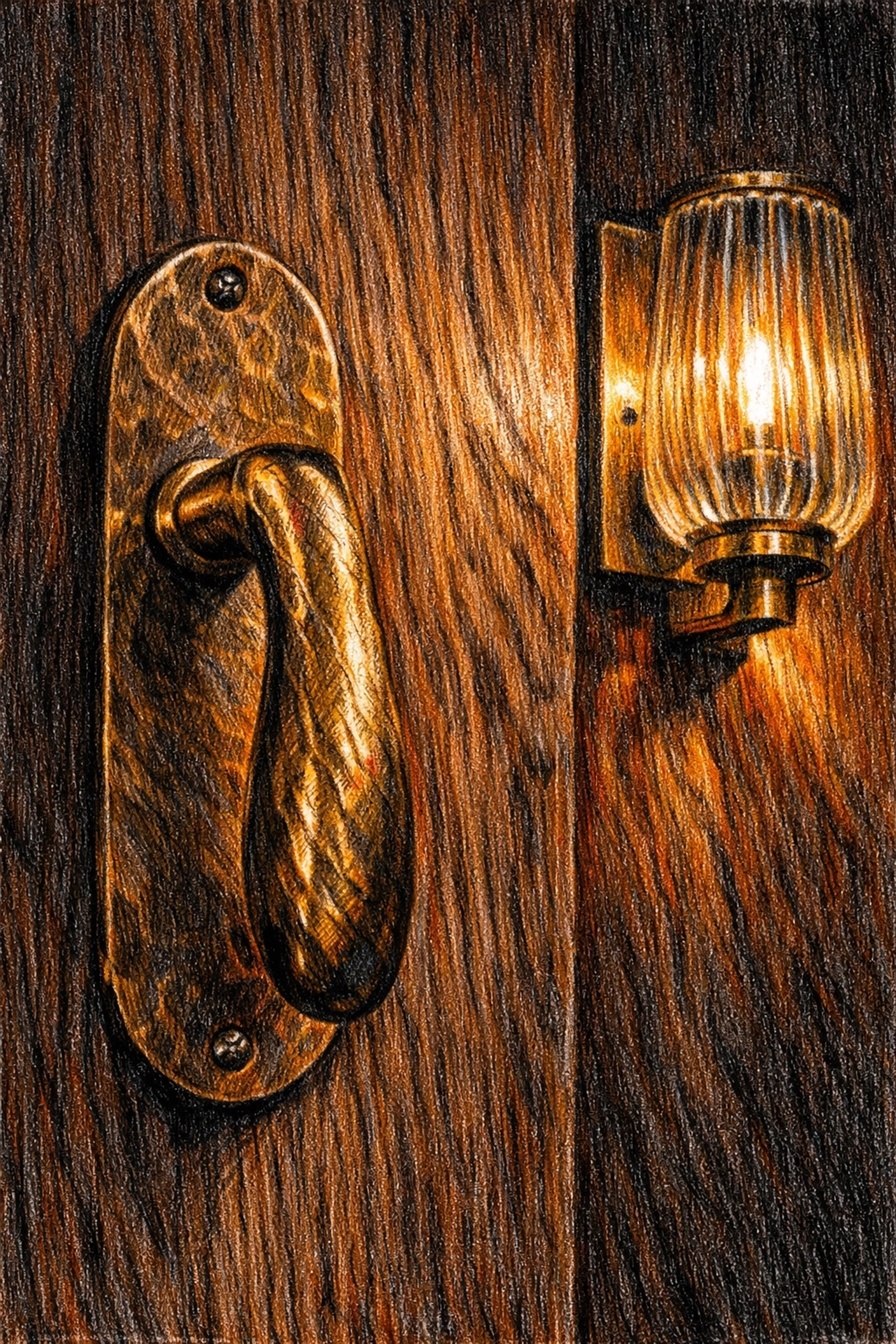
His choice of materials is legendary. He often uses:
- Honed Stone: For a matte, sophisticated finish that feels soft to the touch.
- Solid Oak and Walnut: To bring warmth and a sense of "home" to large spaces.
- Bespoke Lighting: Fu almost always designs the lighting fixtures himself, ensuring the glow is exactly right for the mood he’s trying to create.
By focusing on these elements, he creates a sensory experience that goes beyond just looking good in a photo. It’s about how the space makes you feel.
Sustainability through Longevity
When we talk about sustainable hotel architecture, we often focus on solar panels or greywater systems. And while those are vital, there’s another side to sustainability: longevity.
The most unsustainable thing you can do in design is create something trendy that needs to be ripped out and replaced in five years. André Fu’s approach is the polar opposite of "fast fashion" architecture. By using high-quality natural materials and a timeless aesthetic, his designs are built to last decades.
His focus on light and air: integrating indoor and outdoor spaces: also reduces the "heavy" feeling of traditional buildings, often allowing for more natural ventilation and a better relationship with the local climate.
André Fu Living: Beyond the Walls
In 2016, Fu launched "André Fu Living" (AFL). He realized that people didn't just want to stay in his hotels; they wanted to take a piece of that "relaxed luxury" home with them.
The lifestyle brand includes everything from furniture and lighting to tableware and even scents. He has collaborated with major names like Louis Vuitton for their Objets Nomades collection, creating pieces that are both functional and artistic. This expansion into product design allows him to control every aspect of the guest experience, right down to the weight of the fork in a hotel restaurant.
Why He Matters to the Future of Hospitality
So, why are we dedicating a whole guide to André Fu? Because he represents a shift in what travelers want.
Modern guests are tired of "cookie-cutter" luxury. They don't want to wake up in a hotel room and have no idea if they are in Paris, Peoria, or Phuket. They want a sense of place. They want to feel like the space was designed for them, not for a thousand people.
Fu’s ability to scale "boutique" thinking into massive luxury hotels is his greatest gift to the industry. He has taught us that:
- Simplicity is a luxury. Getting a space to look "simple" is actually incredibly difficult and expensive to execute perfectly.
- Comfort is king. A beautiful chair that you can’t sit in for an hour is a failure.
- Context is everything. The best designs are those that listen to the city they are in.
Final Thoughts
André Fu is more than just a designer; he’s a storyteller. Through his studio, he continues to push the boundaries of what a hotel can be. Whether he's working on a spa in London’s Claridge's or a brand-new resort in Bangkok, his goal remains the same: to create a sanctuary.
For those of us in the industry, looking at Fu’s work is a reminder that great design isn't about shouting; it's about whispering. It’s about the quiet confidence of a well-placed light, the perfect texture of a stone wall, and the way a room makes you feel like you’ve finally arrived.
If you’re planning your next project or just dreaming of your next getaway, keep an eye on André Fu. He isn't just following trends: he’s the one setting them.
What’s your favorite André Fu project? Drop a comment or reach out to us at My Hotel Design. We’d love to chat about how "relaxed luxury" is changing your world.
: Robert Rupp, Founder, My Hotel Design