If you’ve stepped into a world-class hotel in the last decade and felt an immediate sense of calm: a feeling that the space wasn't just "expensive" but deeply thoughtful: there’s a good chance you were experiencing the influence of André Fu.
As the founder of My Hotel Design, I’ve seen trends come and go. I’ve seen the "bling" era of the early 2000s fade into the "Instagrammable" era of the 2010s. But through it all, André Fu has remained a constant North Star for what luxury hospitality design should actually look like. He didn't just follow the rules; he rewrote them.
In this guide, we’re going to do a deep dive into the world of André Fu. We’ll look at how a kid from Hong Kong, educated in the UK, became the go-to architect for the world’s most prestigious hotel brands. We’ll explore his signature style, his most iconic projects, and why his approach to boutique hotel interior design is more relevant today than ever.
The Architect of "Relaxed Luxury"
To understand André Fu, you have to understand his background. Born in Hong Kong and moved to the UK at age 14, he eventually earned his Master’s in Architecture from Cambridge. This bicultural upbringing is his superpower. He bridges the gap between the meticulous craftsmanship of the East and the classic, structural sensibilities of the West.
When Fu burst onto the scene, luxury usually meant one of two things: gold-plated opulence or cold, clinical minimalism. Fu found a third way. He calls it "relaxed luxury." It’s about creating spaces that feel like a high-end residence rather than a stiff, formal institution.
His philosophy isn't about how much money you can throw at a wall; it’s about how a guest moves through a space. It’s about the "journey." In Fu’s world, luxury is found in the silence, the lighting, and the tactile quality of a hand-woven rug.
The Breakthrough: The Upper House, Hong Kong
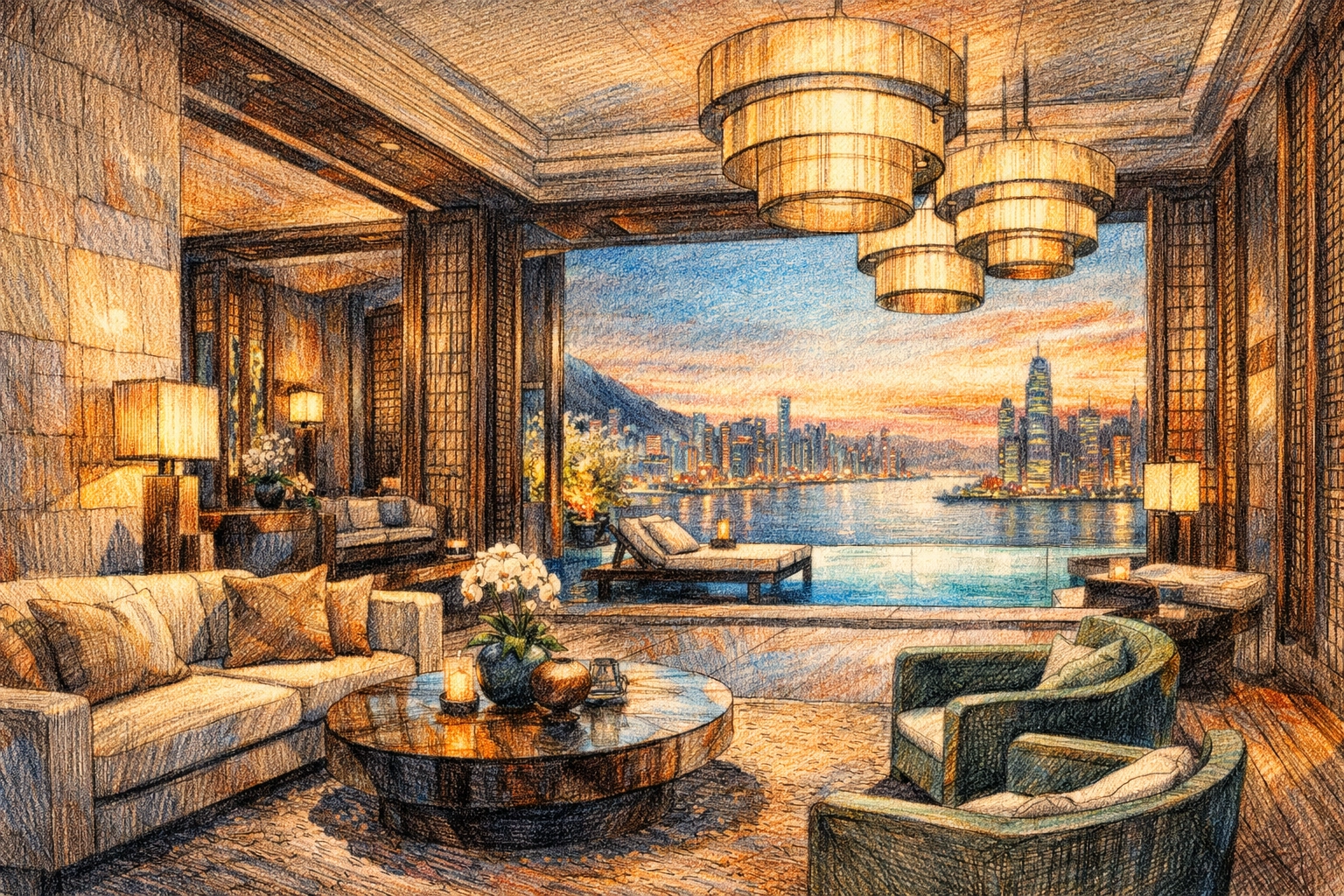
You can’t talk about André Fu without talking about The Upper House. Opened in 2009, this project was a seismic shift in the world of boutique hotel interior design.
At the time, most luxury hotels in Asia were competing to see who could have the biggest crystal chandelier. Then came The Upper House. It was located in a former serviced apartment block, which meant the layout was unconventional. Fu leaned into this, creating a "vertical journey" that took guests away from the chaos of Hong Kong and into a sanctuary of wood, stone, and glass.
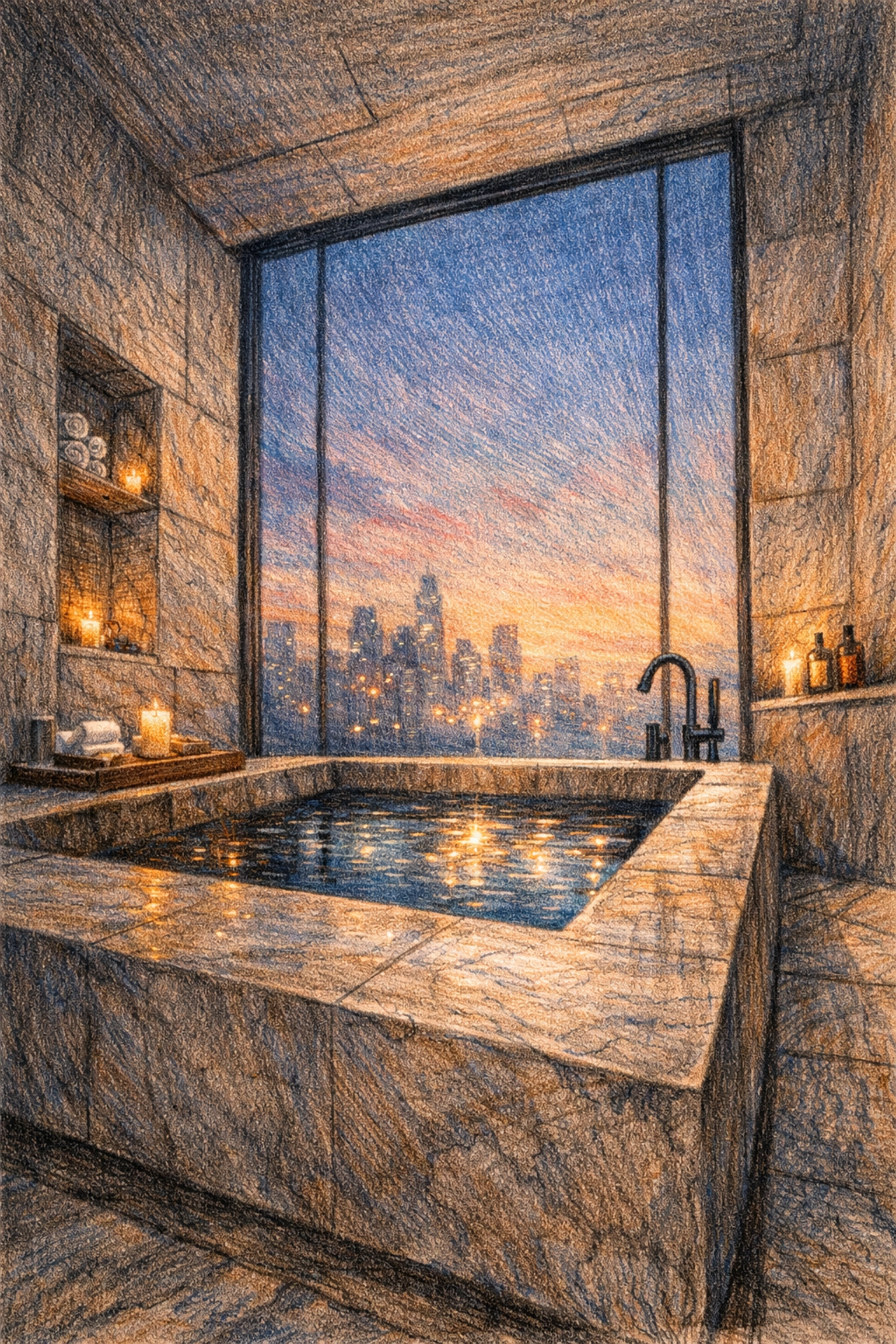
What made it famous? The bathrooms. Huge, limestone-clad spaces with freestanding tubs overlooking the harbor. It proved that a hotel didn’t need a massive lobby or three ballrooms to be the best in the world. It just needed to make the guest feel something. This project solidified his reputation for creating "understated" spaces that still felt incredibly grand.
Bridging East and West: A Cultural Narrative
One of the hardest things to do in luxury hospitality design is to incorporate local culture without it feeling like a gimmick. We’ve all seen hotels that put a few local statues in the lobby and call it "cultural integration."
Fu goes deeper. For him, it’s about the spirit of a place.
Take the Andaz Singapore, for example. Instead of just copying the aesthetic of the nearby historic shophouses, he interpreted their vibrant colors and alleyway culture into the hotel’s "neighborhood" concept. He used abstract interpretations of traditional facades and focused on creating social hubs that felt like modern versions of old Singaporean meeting spots.
This ability to weave a narrative into the architecture is what sets him apart. He doesn’t just design a room; he designs a story that fits the city it’s in.
Key Projects: Defining the Modern Hotel
Let's look at a few other heavy hitters in his portfolio that show his range:
1. St. Regis Hong Kong
The St. Regis brand is known for old-world glamour: think butler service and Afternoon Tea. Fu took that DNA and modernized it. He focused on the heritage of Hong Kong’s Wan Chai district, blending the brand’s New York roots with local architectural elements. The result is a space that feels timeless but distinctly "now."
2. Villa La Coste, Provence
This was a departure for Fu. Set in a vineyard in the south of France, surrounded by world-class art and architecture, he had to create something that could hold its own against works by Tadao Ando and Renzo Piano. He designed the spa and several dining areas, focusing on intimacy and natural light. It showed that his "relaxed luxury" worked just as well in the French countryside as it did in a dense Asian metropolis.
3. Waldorf Astoria Bangkok
In Bangkok, Fu embraced the concept of "Thai-ness" without the clichés. He used silhouettes inspired by traditional Thai dance and local craftsmanship, but the overall feeling remained sleek and international. It’s a masterclass in how to be globally relevant while staying locally rooted.
Sustainable Hotel Architecture and Longevity
While "sustainability" is often used as a buzzword involving solar panels and greywater systems, André Fu approaches sustainable hotel architecture through the lens of longevity.
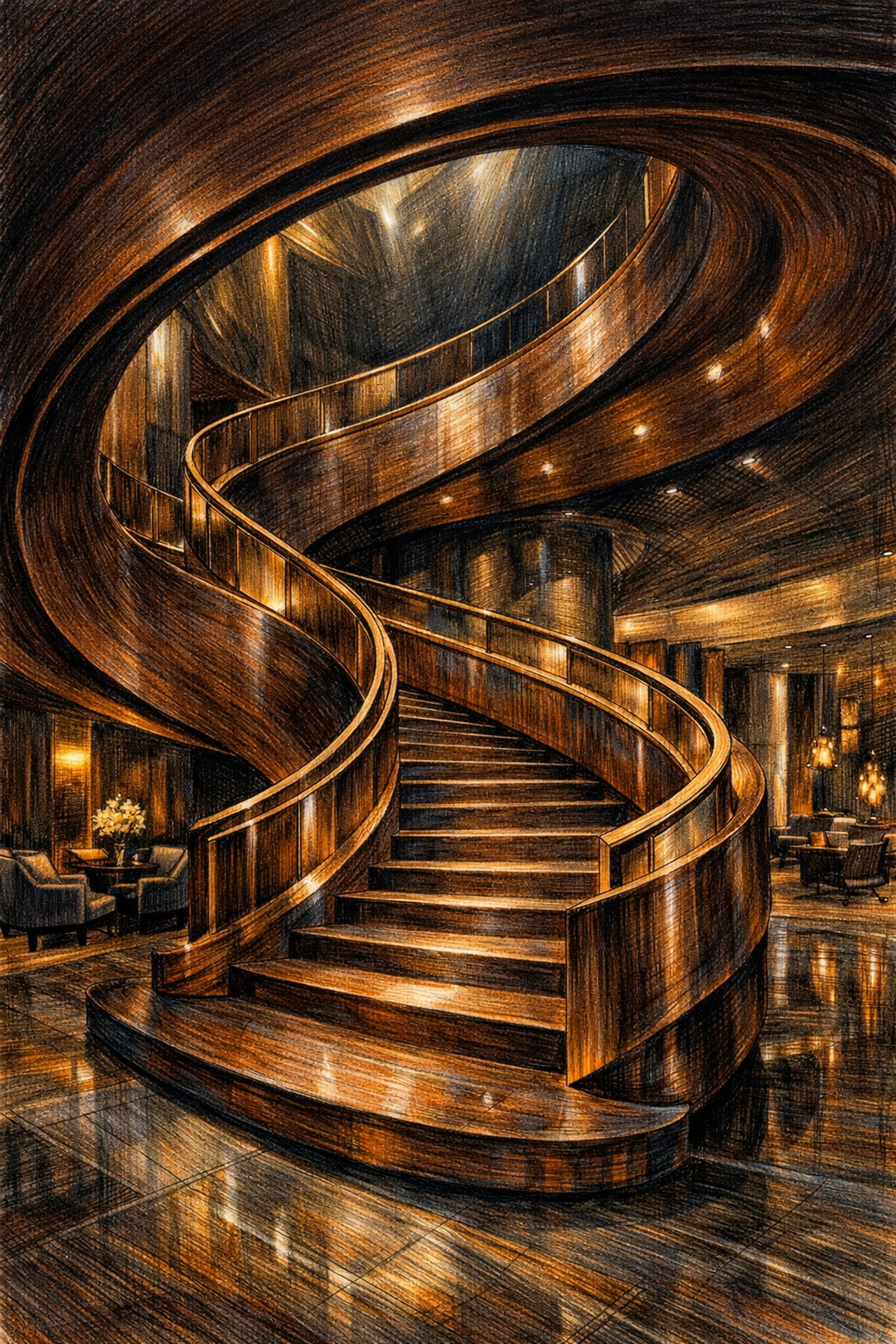
In the design world, the most "unsustainable" thing you can do is design something that looks dated in five years and needs to be ripped out. Fu’s obsession with high-quality, natural materials: solid oak, eucalyptus, bronze, and stone: means his interiors age gracefully. They develop a patina. They don't need to be replaced because they aren't following a fleeting trend.
By focusing on craftsmanship and timelessness, he creates spaces that remain relevant for decades. This "slow design" approach is a crucial pillar of modern sustainability. When we talk about sustainable hotel architecture, we have to talk about the environmental impact of the entire lifecycle of a building, and Fu’s work is built to last.
André Fu Living: Beyond the Four Walls
Fu eventually realized that guests didn't just want to stay in his rooms; they wanted to take the "feeling" home. This led to the launch of André Fu Living (AFL).
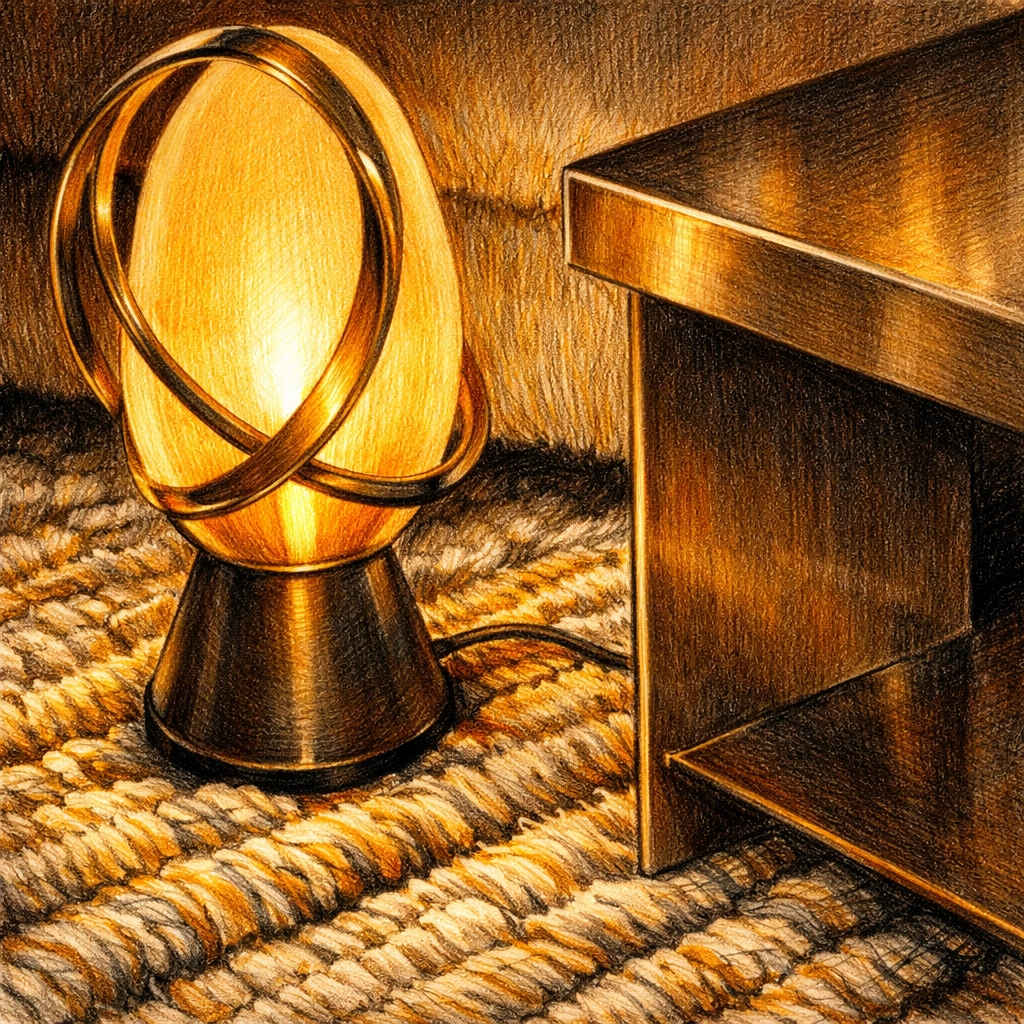
AFL is a collection of lifestyle products: everything from lighting and furniture to tableware and scents. It allows him to control the smallest details of the guest experience. If he can’t find the perfect lamp for a bedside table, he designs it himself. This holistic approach ensures that every touchpoint in a hotel project feels cohesive.
The Influence on Modern Hospitality
So, why does any of this matter to you? Whether you’re a hotel owner, a developer, or just a design enthusiast, Fu’s influence is everywhere.
He taught the industry that:
- Intimacy is more valuable than scale. You don't need a 500-room hotel to make a big impact.
- Lighting is everything. His use of soft, layered lighting creates a residential "glow" that makes guests feel instantly at ease.
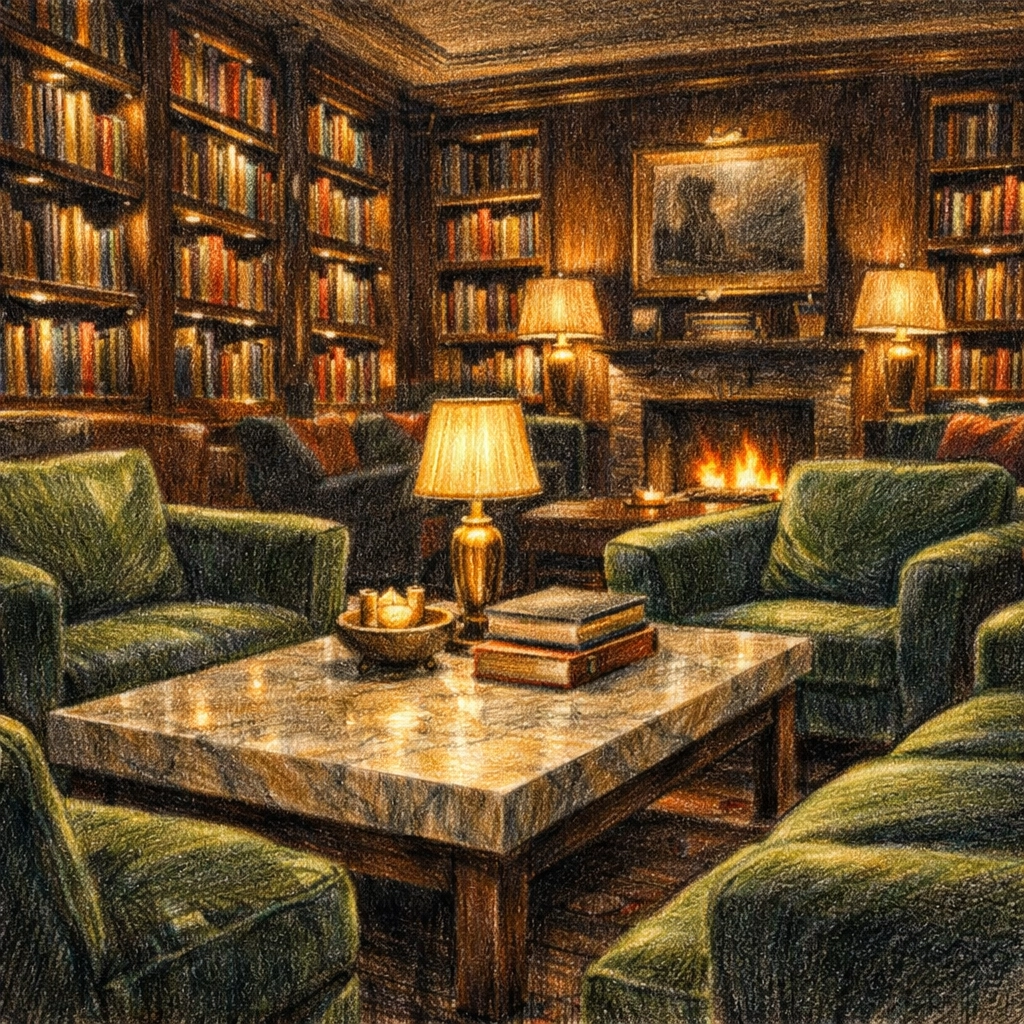
- The "Residential" feel is the goal. People travel to feel inspired, but they also want to feel at home. Fu’s use of bookshelves, comfortable seating groups, and warm materials bridges that gap.
His work has forced major brands to rethink their brand standards. You see his fingerprints on the "lifestyle" wings of Marriott, Hilton, and Hyatt. They are all trying to capture a bit of that André Fu magic.
How to Bring the André Fu Aesthetic to Your Project
If you’re looking to incorporate some of this "modern elegance" into your own boutique hotel interior design, here are a few takeaways:
- Focus on the Entry Experience: Don't just build a check-in desk. Build a transition zone that helps the guest leave the street behind.
- Prioritize Tactility: Use materials that people want to touch. Wood, velvet, and textured stone go a long way in making a space feel "expensive" without being flashy.
- Think in Layers: Don't rely on one big design feature. Build the space through layers of lighting, art, and furniture arrangements.
- Embrace the "Sense of Place": Don't just copy a Pinterest board. Look at the history of your building or your neighborhood and find a subtle way to tell that story.
Final Thoughts
André Fu has done something rare: he’s created a signature style that is recognizable but never repetitive. He’s shown us that luxury hospitality design can be quiet, thoughtful, and deeply connected to its surroundings.
At My Hotel Design, we’re constantly looking at innovators like Fu to inspire our own work. He reminds us that at the end of the day, hotel design isn't about the architect: it's about the guest. It’s about creating a place where someone can truly rest, connect, and be inspired.
What do you think of André Fu’s "relaxed luxury" approach? Is it the future of the industry, or do you miss the old-school glamour of the past? Let us know in the comments.
: Robert Rupp, Founder of My Hotel Design