If you’ve spent more than five minutes researching the world’s most stunning resorts, you’ve run into the name Bill Bensley. Often called the "Willy Wonka of Landscape Architecture," Bensley has spent the last three decades proving that luxury hospitality design doesn't have to come at the expense of the planet.
At My Hotel Design, we’re obsessed with how spaces make people feel. But more importantly, we’re focused on how those spaces sit within their environment. Bill Bensley is the gold standard for this. His firm, BENSLEY, has designed over 200 properties in 30 countries, and his "minimal intervention" philosophy is a blueprint for the future of sustainable hotel architecture.
In this deep dive, we’re looking at 15 of his most iconic masterpieces that every hotelier, architect, and design enthusiast needs to know.
The Bensley Philosophy: High Yield, Low Impact
Before we hit the list, it's important to understand the "Bensley Way." His approach to boutique hotel interior design isn't just about picking pretty fabrics. It’s about building around nature, rather than over it. He famously refuses to cut down trees, prefers tents over concrete, and champions the "Luxury Human Zoo" concept: where humans are confined to small, low-impact footprints while nature thrives around them.
1. Capella Ubud, Bali (Indonesia)
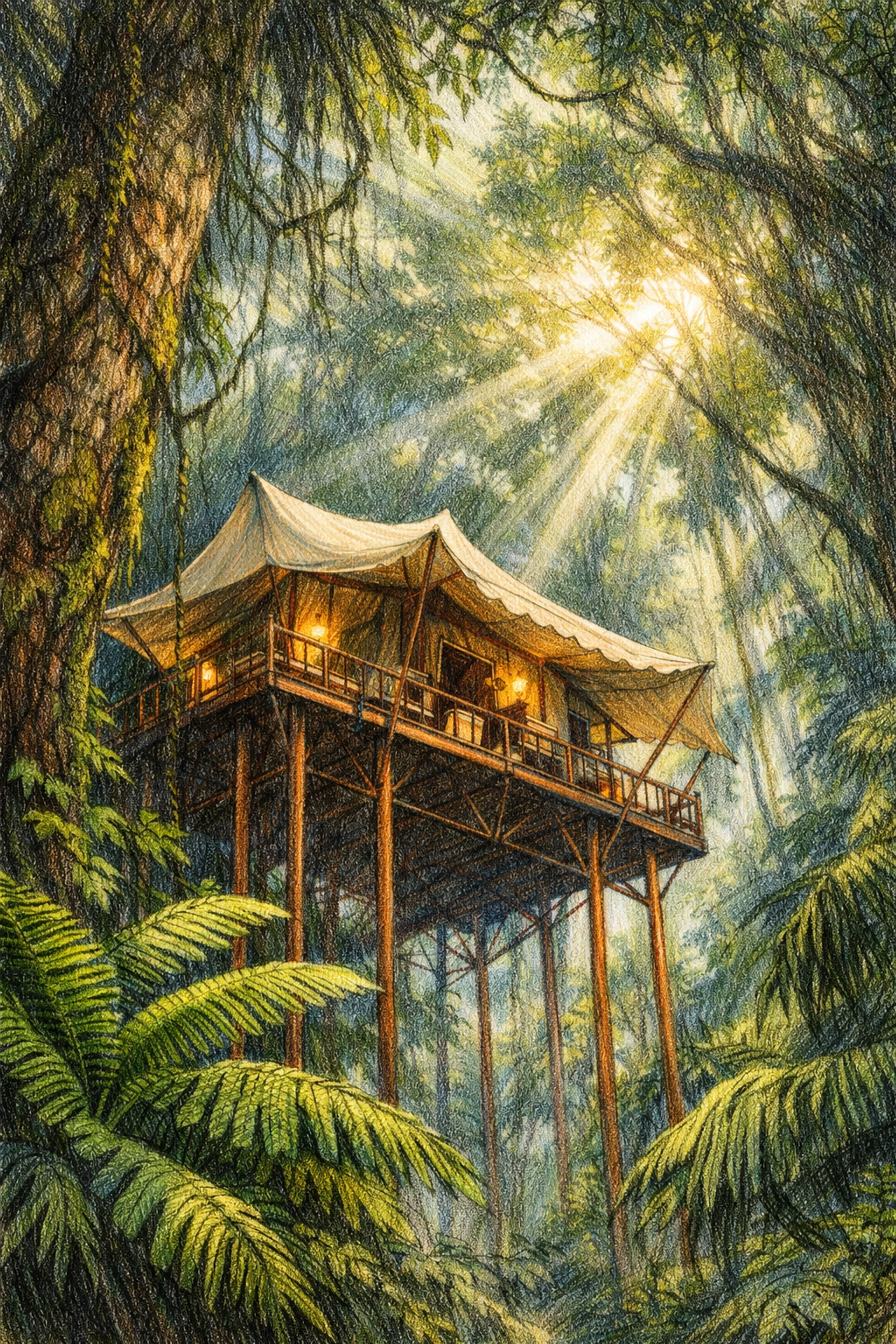
Capella Ubud is perhaps the ultimate example of sustainable hotel architecture. Originally, the site was slated to be a 120-room traditional hotel, which would have required clearing the entire forest. Bensley stepped in and convinced the owners to build a 24-tent camp instead.
Not a single tree was cut during construction. The tents are perched on stilts to allow the local wildlife to migrate underneath. The interiors are a masterclass in boutique hotel interior design, featuring upcycled antiques and hand-painted murals by local Kamasan artists.
2. Shinta Mani Wild, South Cardamom National Park (Cambodia)
This isn't just a hotel; it’s a conservation project. Located in a corridor that was previously a hotspot for illegal logging and poaching, Shinta Mani Wild consists of 15 luxury tents stretched along 1.5 kilometers of river and waterfalls.
Bensley used a "high yield, low impact" model here. By charging a premium for the experience, the hotel funds an entire team of Wildlife Alliance rangers. It’s a radical take on luxury hospitality design where the guest’s presence actually helps protect the ecosystem.
3. Four Seasons Koh Samui (Thailand)
When Bensley arrived at this site, it was a steep hillside covered in 856 coconut trees. Most architects would have cleared the land to make construction easier. Instead, Bensley mapped every single tree and designed the villas to fit between them. If you visit today, you’ll see trees growing through decks and roofs. This preserved the natural drainage patterns of the hill, preventing the erosion that plagues so many other Samui developments.
4. InterContinental Danang Sun Peninsula Resort (Vietnam)
Spread across four levels named Heaven, Sky, Earth, and Sea, this resort is a sprawling tribute to Vietnamese vernacular architecture. Bensley spent weeks visiting local temples and villages to ensure the design felt authentic. The resort is famous for its "Nam Nam" monkey-themed bar, but its real achievement is how it hugs the Son Tra Peninsula, protecting the habitat of the rare Red-shanked Douc langur.

5. The Siam, Bangkok (Thailand)
For those who love Art Deco, The Siam is the holy grail. This is where Bensley’s talent for boutique hotel interior design truly shines. The hotel is a monochromatic dream, filled with thousands of antiques from the owner’s private collection. It’s an urban oasis that proves sustainable design can also be incredibly sleek, sophisticated, and high-end.
6. JW Marriott Phu Quoc Emerald Bay (Vietnam)
Bensley loves a good story, and for this project, he invented an entire history. He designed the resort as a fictional "Lamarck University," complete with different departments (the spa is the department of Mycology, the bar is the department of Chemistry). This whimsical approach to luxury hospitality design turns a massive resort into a series of intimate, narrative-driven spaces that keep guests engaged at every turn.
7. Rosewood Luang Prabang (Laos)
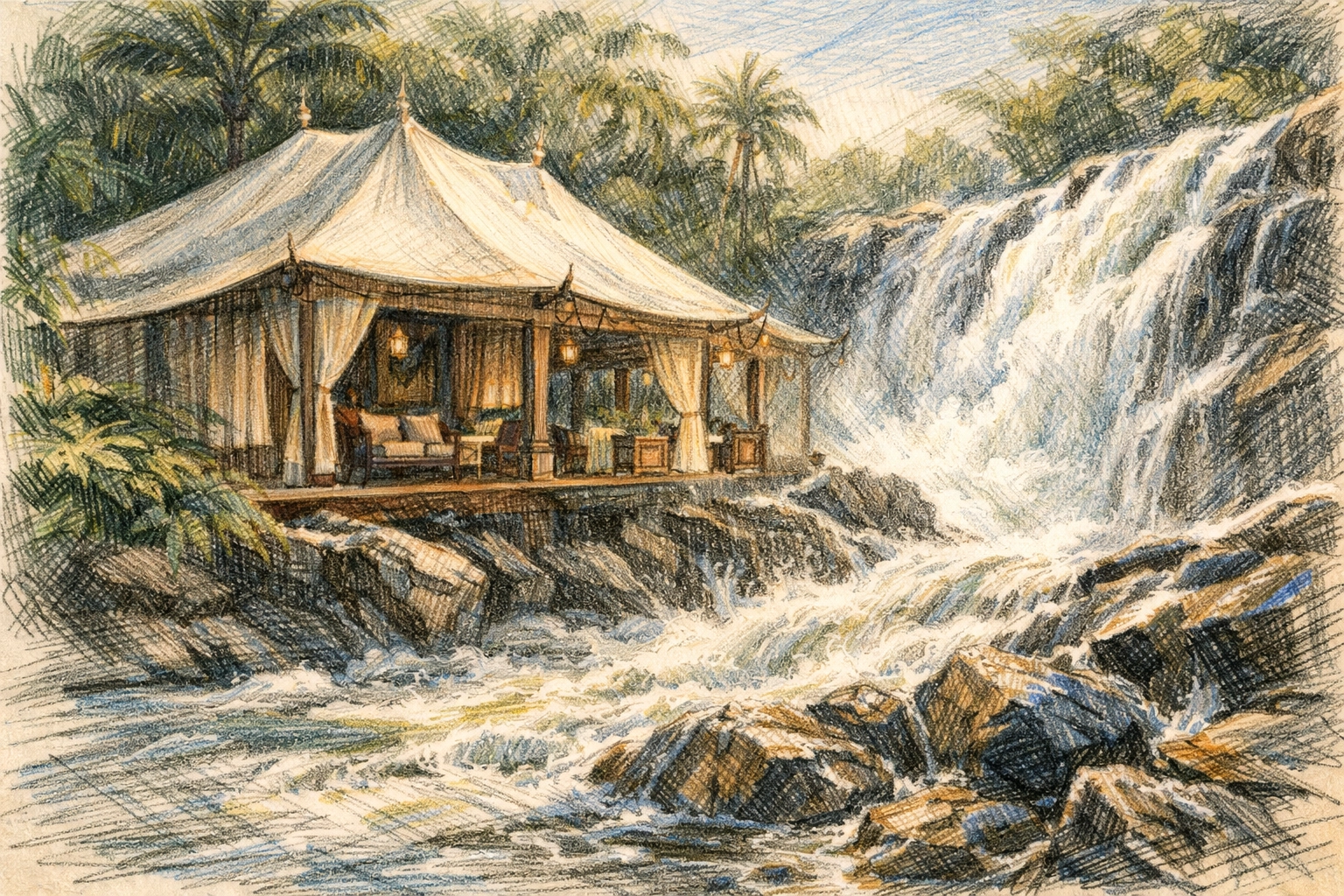
In the UNESCO World Heritage town of Luang Prabang, Rosewood is the city’s first luxury tented encampment. Bensley designed it to reflect the styles of the early French explorers. The site features a natural waterfall that runs through the heart of the property. By using tents and elevated structures, the project maintains the integrity of the surrounding jungle.
8. Four Seasons Golden Triangle Elephant Camp (Thailand)
Located at the border of Thailand, Laos, and Myanmar, this camp pioneered the "luxury tent" concept in Asia. It’s iconic for its 15 tents featuring hand-hammered copper tubs and safari-inspired decor. The design is completely integrated into the bamboo forest, providing a sanctuary for rescued elephants while giving guests a front-row seat to nature.
9. Capella Hanoi (Vietnam)
This is a boutique masterpiece located just steps from the Hanoi Opera House. Bensley themed the hotel around the "Opera" era of the 1920s. Every room is a tribute to a different opera singer or performer. It’s a dense, richly detailed example of how boutique hotel interior design can create a distinct sense of place in a crowded urban environment.
10. Worldwild China (Guangdong)
One of Bensley's most ambitious projects to date, Worldwild China is what he calls a "luxury human zoo." The project covers 809 hectares, but the actual hotel footprint occupies only 5% of the land. The rest is dedicated to rescued animals from across Asia. It’s a bold statement on how sustainable hotel architecture can actively heal the planet by providing habitat rather than just occupying it.
11. St. Regis Bali (Indonesia)
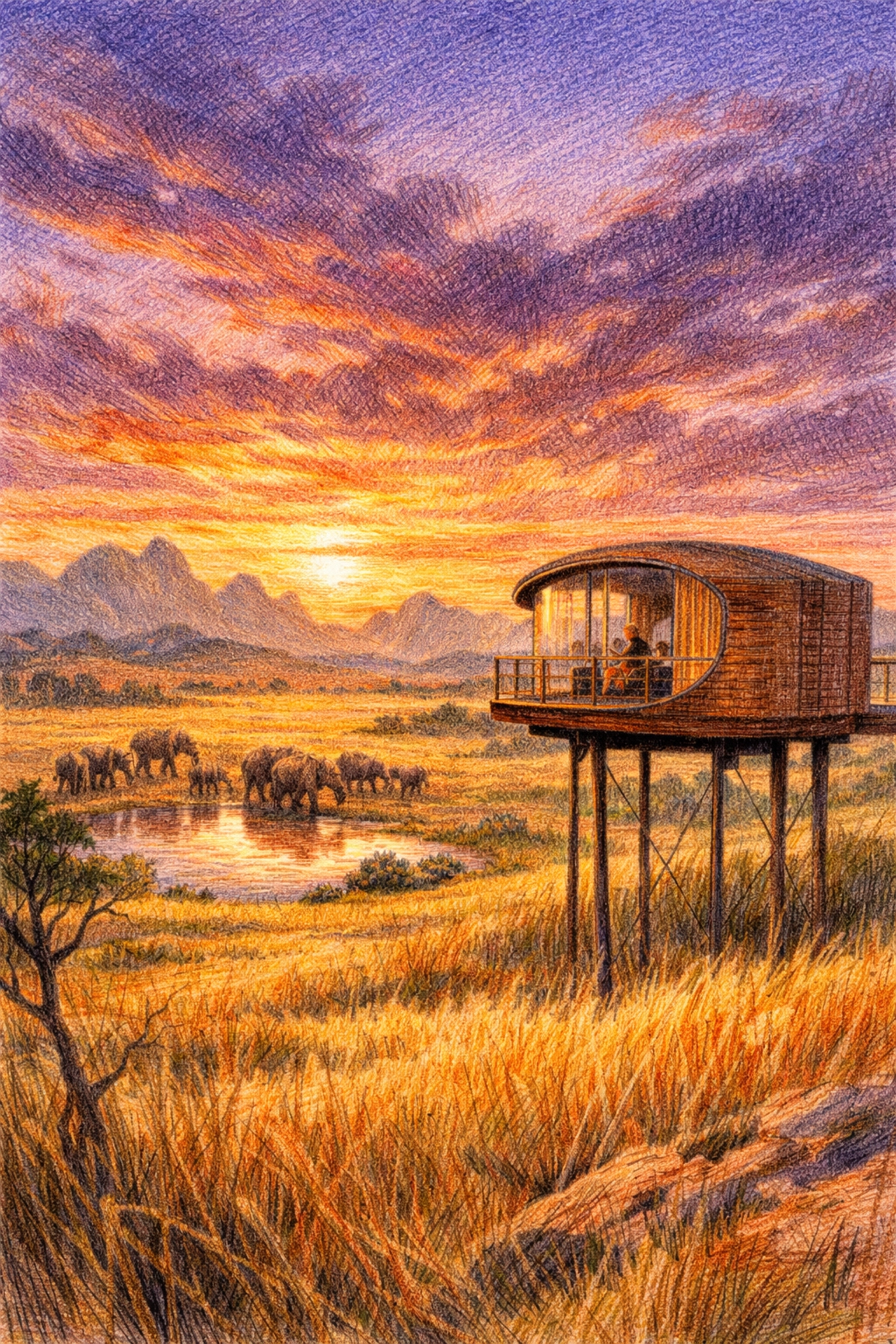
While many of Bensley’s projects are eccentric and wild, the St. Regis Bali shows his ability to do "stately" and "grand" with equal skill. The landscape design here is the star: featuring massive lagoons and salt-water pools that feel like a natural part of the Nusa Dua coastline. It set a new standard for landscape-integrated luxury hospitality design in Bali.
12. Park Hyatt Siem Reap (Cambodia)
Formerly the Hotel de la Paix, Bensley reimagined this space into a minimalist, Zen-like sanctuary. The central courtyard, with its ancient banyan tree and black-tiled reflecting pool, is one of the most photographed spaces in Cambodia. It’s a masterclass in using "void" space to create a feeling of luxury and calm.
13. Shinta Mani Angkor & Bensley Collection Pool Villas (Cambodia)
Located in the heart of Siem Reap, this property is a tribute to the Khmer Empire. The "Bensley Collection" villas feature high walls for total privacy, rooftop sky beds, and floor-to-ceiling murals. What makes it truly sustainable is the Shinta Mani Foundation, which receives a portion of all room rates to provide education and healthcare to the local community.
14. Anantara Hua Hin (Thailand)
This was one of the first resorts that put Bill Bensley on the map. It was designed to resemble a traditional Thai village. Even decades later, it remains a favorite for its lush, overgrown gardens and water features. It proved that guests don't want sterile boxes; they want to feel like they are staying in a lush, living garden.

15. Oberoi Amarvilas (India)
While Bensley was primarily the landscape architect for this project, his influence is undeniable. Every single room in the hotel has an uninterrupted view of the Taj Mahal. Bensley’s work on the tiered pools, fountains, and gardens creates a transition from the hotel to the historic monument that feels seamless. It’s a prime example of how sustainable hotel architecture must respect the visual and cultural landscape of its surroundings.
Why This Matters for Your Next Project
So, what can we take away from these 15 masterpieces? Whether you're building a 10-room boutique hideaway or a 200-room luxury resort, the lessons are the same:
- Landscape First: Don't view the landscape as something to be "fixed" after the building is done. The building should be designed to serve the landscape.
- Storytelling is Key: A hotel without a story is just a bed. Bensley uses boutique hotel interior design to weave a narrative that guests can feel the moment they walk in.
- Sustainability is Profitable: Shinta Mani Wild and Capella Ubud prove that people are willing to pay a premium for high-impact conservation and low-impact construction.
- Local is Better: From using local Kamasan painters in Bali to sourcing antiques in Bangkok, using local talent reduces your carbon footprint and creates a more authentic experience.
Final Thoughts
Bill Bensley has redefined what it means to be a "luxury" architect. He’s shown us that the most expensive thing you can offer a guest isn't a gold-plated faucet; it's a preserved forest, a clean river, and a sense of connection to the planet.
If you’re looking to bring some of that "Bensley Magic" to your own project: focusing on sustainable hotel architecture and world-class luxury hospitality design: the first step is to look at the land and ask: "How can I build this without disturbing a single leaf?"
At My Hotel Design, we’re always looking for ways to push the boundaries of what’s possible in the hospitality world. If Bill Bensley has taught us anything, it’s that being a little "wild" is exactly what the industry needs.