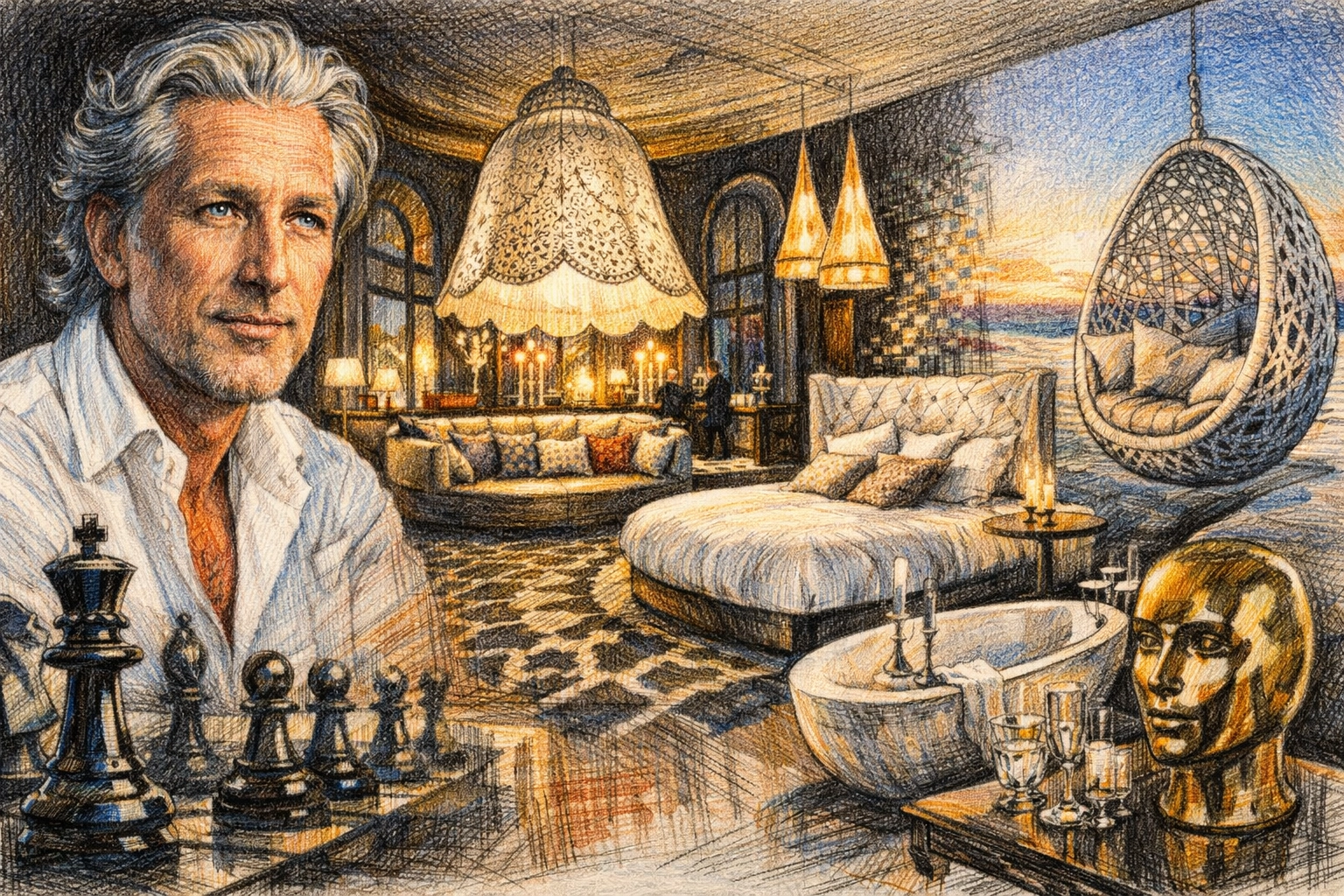
If you’ve spent even five minutes looking into the world of high-end hotels, you’ve likely come across the name Marcel Wanders. Often called the "Lady Gaga of Design," Wanders is a powerhouse in the world of luxury hospitality design. He doesn’t just design rooms; he creates entire universes.
For those of us at My Hotel Design, we see Wanders as more than just a designer, he’s a storyteller. In an industry where "luxury" can sometimes feel cold or repetitive, he brings a sense of wonder, romance, and even a bit of theater.
If you’re looking to break into boutique hotel interior design or want to level up your next hospitality project, understanding the Wanders way is essential. Let’s dive into what makes his work so iconic and how you can apply those lessons to your own projects.
Who is Marcel Wanders?
Born in the Netherlands in 1963, Marcel Wanders burst onto the global stage in 1996 with his "Knotted Chair." It was a strange, beautiful mix of high-tech materials and traditional handcrafting. That chair set the tone for his entire career: a constant dance between the old and the new.
Today, Wanders runs a massive studio in Amsterdam with dozens of specialists. He’s also the co-founder of the design label Moooi. While he creates everything from perfume bottles to furniture, his work in luxury hospitality design is where his vision truly comes to life on a grand scale.

The Philosophy: Poetry Over Functionality
In modern architecture, we’re often taught that "form follows function." Wanders thinks that’s a bit boring. His philosophy is rooted in what he calls the "Contemporary Renaissance." He believes that as humans, we don't just need a bed and a roof; we need magic, romance, and surprise.
1. Rejecting Minimalism
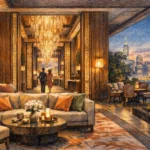
While many hotels opted for the sleek, minimalist look of the early 2000s, Wanders went the other way. He uses patterns, textures, and oversized objects to create "wow" moments. In boutique hotel interior design, this approach is a secret weapon. It makes a space memorable and, more importantly, "Instagrammable" in today’s social media-driven world.
2. Tradition Meets Innovation
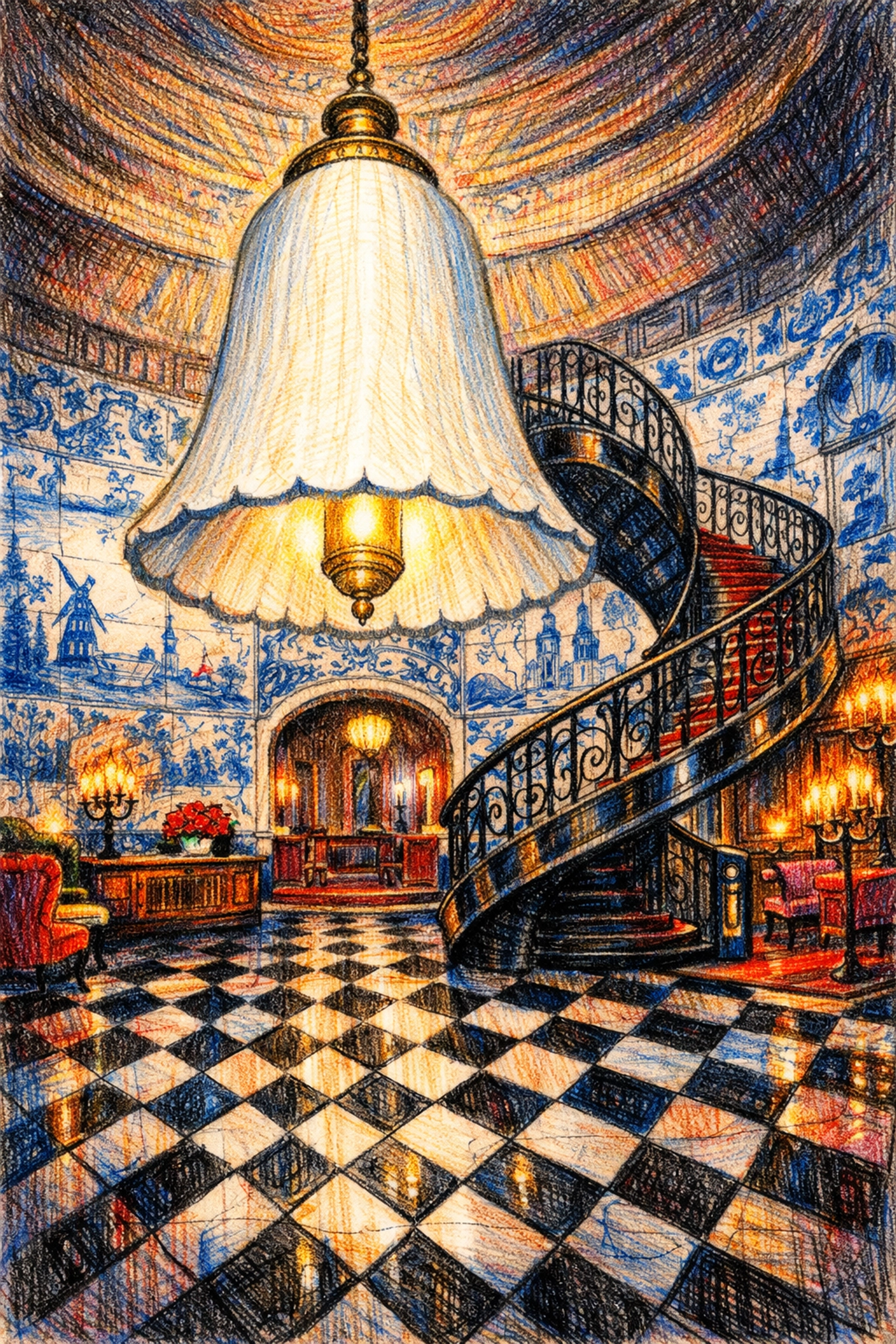
Wanders loves to take historical motifs: like Dutch Delft blue pottery or classical lace: and blow them up to a massive scale or recreate them using 3D printing. This creates a sense of place. Guests feel like they are somewhere specific, not just in a generic five-star box.
3. Creating "Human" Spaces
Despite the high-end materials, his designs never feel intimidating. He uses humor and fantasy to make guests feel welcome. Whether it’s a giant bell-shaped lamp or a wall covered in digital flowers, the goal is always to evoke an emotional response.
Iconic Projects: Where the Magic Happens
To really understand luxury hospitality design, you have to look at Wanders’ portfolio. These aren't just hotels; they are landmarks.
Mondrian Doha, Qatar
This project is perhaps the ultimate example of Wanders' style. It’s a literal playground of fantasy. You’ll find giant white "Trees of Life," columns decorated with golden eggs, and a black spiral staircase that looks like it belongs in a giant’s library. It’s bold, it’s expensive, and it perfectly captures the spirit of the Middle East while keeping his signature Dutch flair.
Andaz Amsterdam Prinsengracht
Located in a former public library, this hotel is a love letter to Dutch history. Wanders used the concept of "Alice in Wonderland" meets the "Golden Age of the Netherlands." From the wallpaper depicting Amsterdam’s maritime history to the signature blue-and-white color palette, it’s a masterclass in how boutique hotel interior design can tell a local story.
Mondrian South Beach, Miami
In Miami, Wanders ditched the typical Art Deco clichés and created a "modern-day castle." The lobby features massive white columns and a floating black staircase. It feels breezy and coastal but maintains a level of sophistication that few other Miami hotels can match.
Sustainable Hotel Architecture: The Wanders Approach
You might look at a gold-leafed column and wonder: "Is this sustainable?" It’s a fair question. In the world of sustainable hotel architecture, the focus is often on solar panels and low-flow toilets. But Wanders brings a different perspective to the table: Durability through Love.
Wanders argues that the most sustainable thing we can do is create objects and spaces that people never want to throw away. If a hotel interior is so beautiful and emotionally resonant that it stays relevant for 30 years instead of being ripped out after five, that is a massive win for the environment.
He focuses on:
- High-Quality Materials: Using materials that age gracefully rather than cheap finishes that end up in a landfill.
- Timelessness through Character: By avoiding "trends" and focusing on storytelling, his designs don't feel dated as quickly as "modern" minimalist spaces do.
- Local Craftsmanship: Whenever possible, he incorporates local traditions, which supports local economies and reduces the carbon footprint of shipping decorative items across the globe.
3 Lessons for Your Next Hospitality Project
If you’re a developer or a designer working on a new property, you don't need a Wanders-sized budget to succeed. Here are three takeaways from his work that you can apply right now:
1. Don’t Be Afraid of a "Hero" Piece
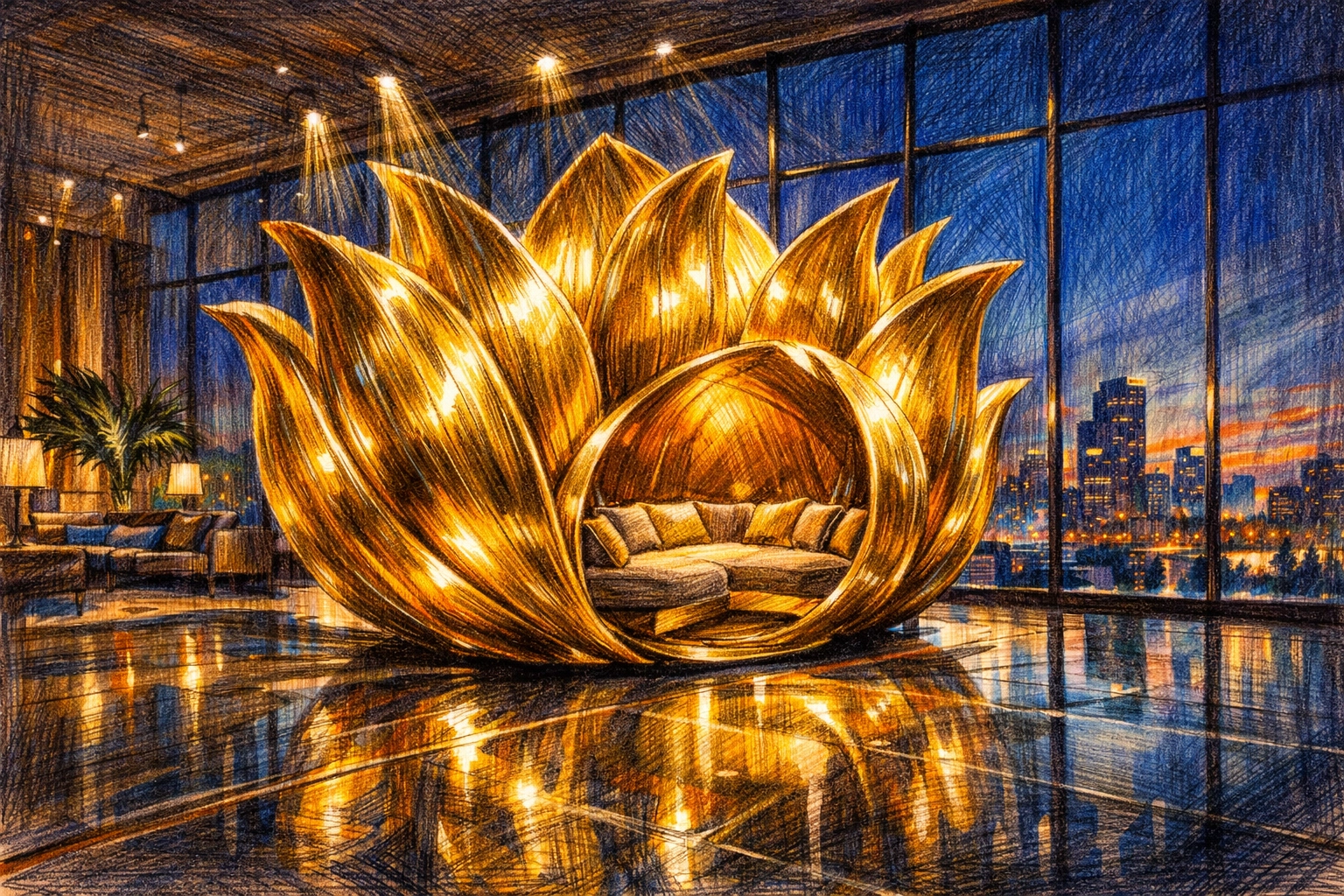
Every great hotel needs one thing that people talk about when they leave. Whether it’s a massive custom light fixture in the lobby or a unique mural in the elevator, give your guests a reason to pull out their phones. In luxury hospitality design, the "hero" piece is your best marketing tool.
2. Mix Your Textures
Simple white walls are safe, but they don't feel like luxury. Wanders often mixes matte finishes with high-gloss, and soft fabrics with hard metals. This layering creates "tactile interest." When guests touch a velvet chair or walk on a custom-patterned rug, they subconsciously register a higher level of quality.
3. Respect the Location
Don't just build a hotel that could be anywhere. Use the history of the building or the city to inform your design choices. Wanders didn't just put Dutch art in the Andaz; he made the building's history the soul of the project. This is the heart of boutique hotel interior design.
The Future of Luxury Hospitality
As we look toward the future of the industry, it's clear that guests are looking for more than just a place to sleep. They want an experience. They want to be transported.
Marcel Wanders has proven that there is a massive market for "emotional design." Whether it’s through sustainable hotel architecture that prioritizes longevity or interior design that prioritizes poetry, the goal remains the same: making the guest feel something.
At My Hotel Design, we’re constantly inspired by designers who push the boundaries. Luxury isn’t about how much you spend; it’s about how much you care about the details. Wanders cares about every single pattern, every curve, and every shadow.
If you’re planning a project and want to capture some of that Wanders magic, remember to start with a story. Once you have the story, the design will follow.
Final Thoughts from Robert Rupp
Luxury hospitality is changing. It's becoming more personal, more experimental, and more focused on the "why" rather than just the "what." Marcel Wanders has been ahead of this curve for decades. By studying his work, we can all learn how to create spaces that don't just look good on a screen: they feel good to live in.
Stay creative, stay bold, and don't be afraid to add a little bit of magic to your next project. After all, if it's not worth remembering, is it really luxury?