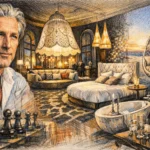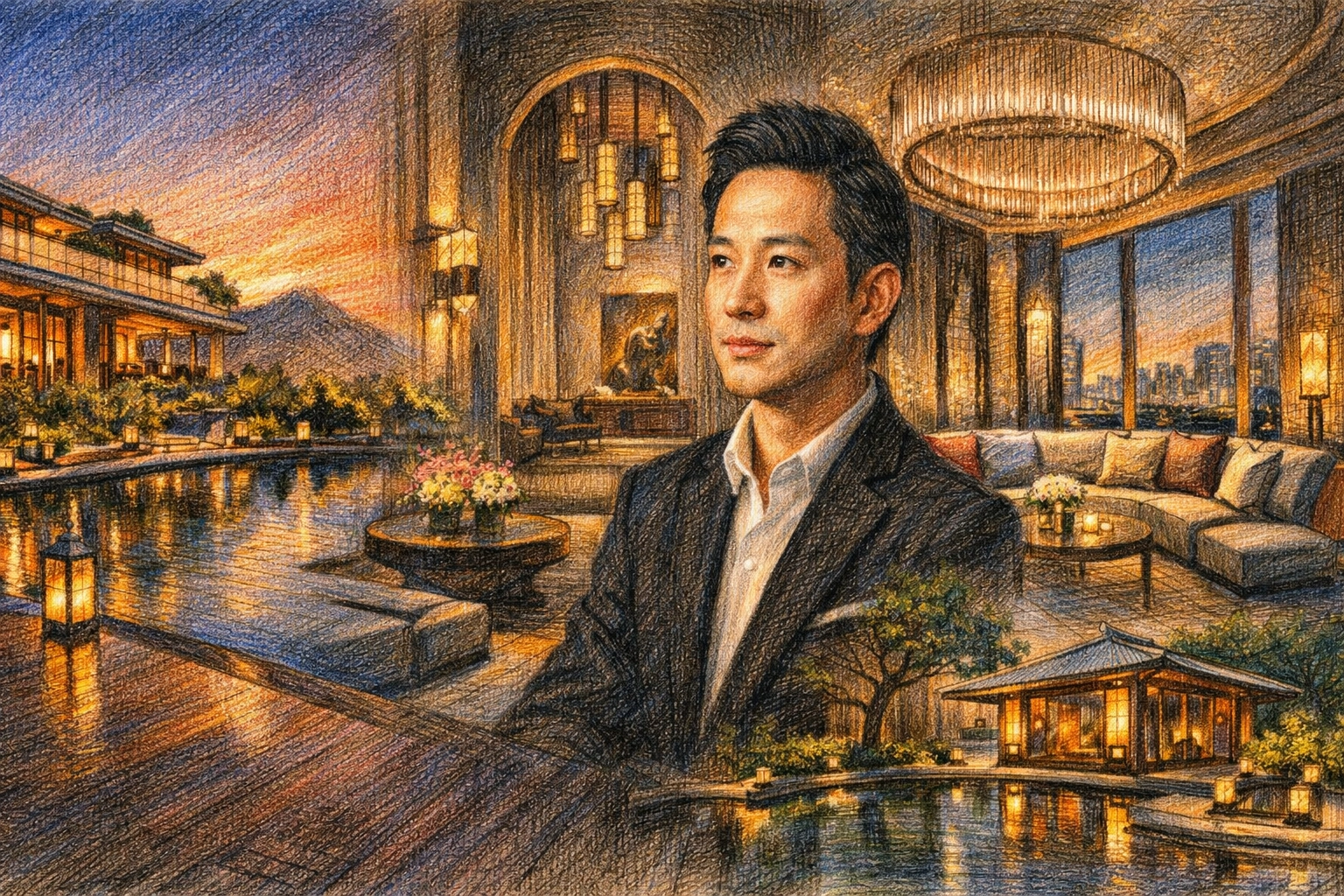
If you’ve ever walked into a high-end hotel and felt a sudden sense of calm: like the building itself is giving you a warm, quiet hug: there’s a good chance you’ve stepped into the world of André Fu.
At My Hotel Design, we spend a lot of time looking at what makes a space "work." In the world of luxury hospitality design, few people make it work quite like André Fu. He’s the designer who managed to take the "stiff" out of luxury and replace it with something he calls "relaxed luxury."
From the iconic heights of The Upper House in Hong Kong to the historic halls of Claridge’s in London, Fu has redefined what it means to stay in a boutique hotel. Here is everything you need to know about the man, his method, and his massive influence on the industry.
Who is André Fu?
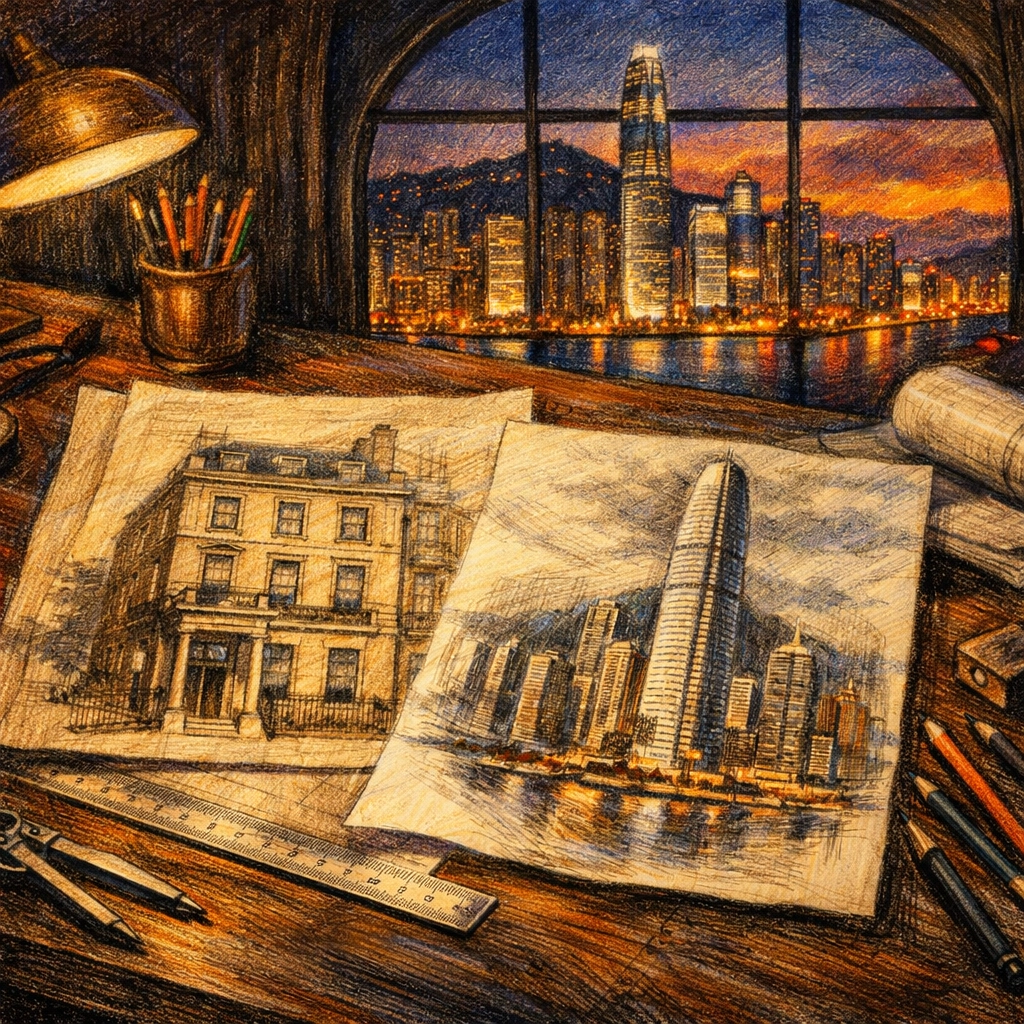
André Fu wasn’t always the global design icon he is today. Born in Hong Kong and educated in the UK since the age of 14, he’s a product of two very different worlds. He earned his Bachelor’s and Master’s degrees in Architecture from Cambridge University, but it was a gap year working for the legendary minimalist architect John Pawson that really shaped his eye.
If you know Pawson’s work, you know it’s all about clean lines and zero clutter. Fu took those minimalist principles and infused them with a sense of warmth and storytelling that was missing from the "cold" minimalism of the 90s. In 2000, he founded his studio, AFSO, and by 2004, he moved back to Hong Kong to start changing the skyline.
The Philosophy: "Relaxed Luxury"
When we talk about luxury hospitality design, people often think of gold leaf, heavy velvet curtains, and marble statues. André Fu took one look at that and said, "No thanks."
His signature style is often described as "chilled-out, comfort-forward minimalism." But don't let the word "minimalism" fool you. It’s not empty; it’s intentional. His approach is a hybrid of European aesthetic principles and Asian traditions of quality.
Fu believes that a hotel shouldn't just be a place to sleep; it should be a narrative. Whether he’s working on a massive skyscraper or a small boutique hotel interior design project, he focuses on how the person moving through the space feels. He prioritizes lighting, the flow of the room, and the tactile nature of the materials. He wants you to feel like you’re in a very expensive home, not a commercial building.
The Project That Changed Everything: The Upper House
You can’t talk about André Fu without talking about The Upper House in Hong Kong. Opened in 2009, this project was his "big break," and it essentially changed the trajectory of luxury hospitality design overnight.
At the time, Fu was a young designer with only three employees. He was tasked with turning a former serviced apartment block into a top-tier luxury hotel. Instead of going for the usual glitz of Hong Kong’s five-star scene, he created an "upward journey." The hotel feels like a calm, vertical sanctuary above the chaotic streets of the city.
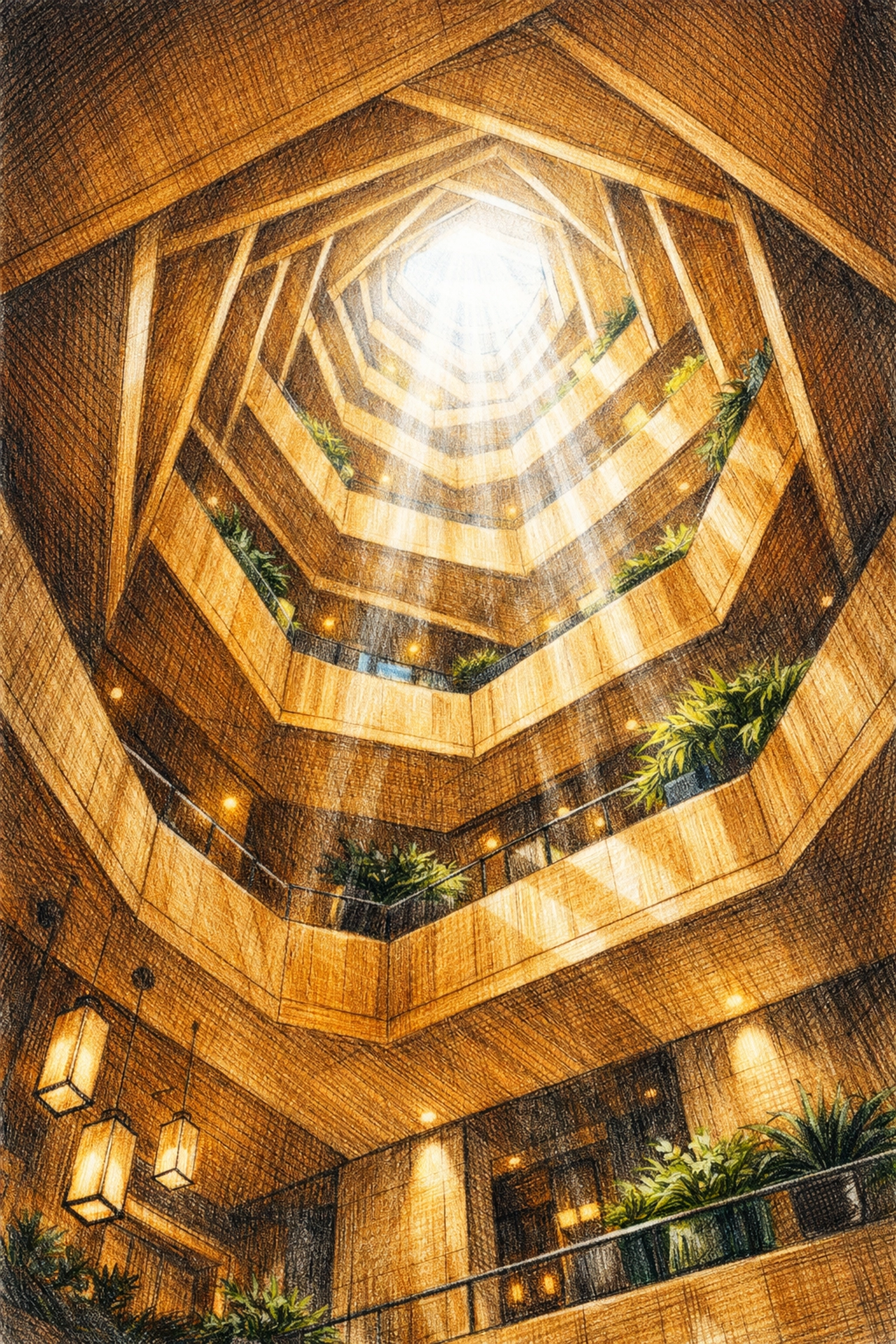
The Upper House proved that you didn't need a massive, bustling lobby or gold-plated faucets to be world-class. You needed space, light, and silence. It set the standard for modern boutique hotel interior design, proving that "less is more" could also be incredibly profitable.
Major Projects Across the Globe
Since The Upper House, Fu has been on a tear. He’s worked with nearly every major luxury brand in the business. Here are a few standouts:
St. Regis Hong Kong
The St. Regis is known for its classic, almost old-world luxury. Fu took that heritage and modernized it. He drew inspiration from the history of Hong Kong: specifically the heritage buildings and the city's unique cultural blend: to create a space that feels grand but never intimidating.
Hotel The Mitsui Kyoto
This project is a masterclass in sustainable hotel architecture and heritage preservation. Located right next to Nijo Castle, the hotel incorporates a 300-year-old gate and beautiful Japanese gardens. Fu’s design respects the site's history while offering guests every modern comfort. It’s a perfect example of how luxury hospitality design can be rooted in culture without feeling like a museum.
Claridge’s, London
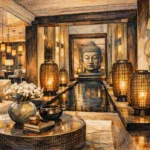
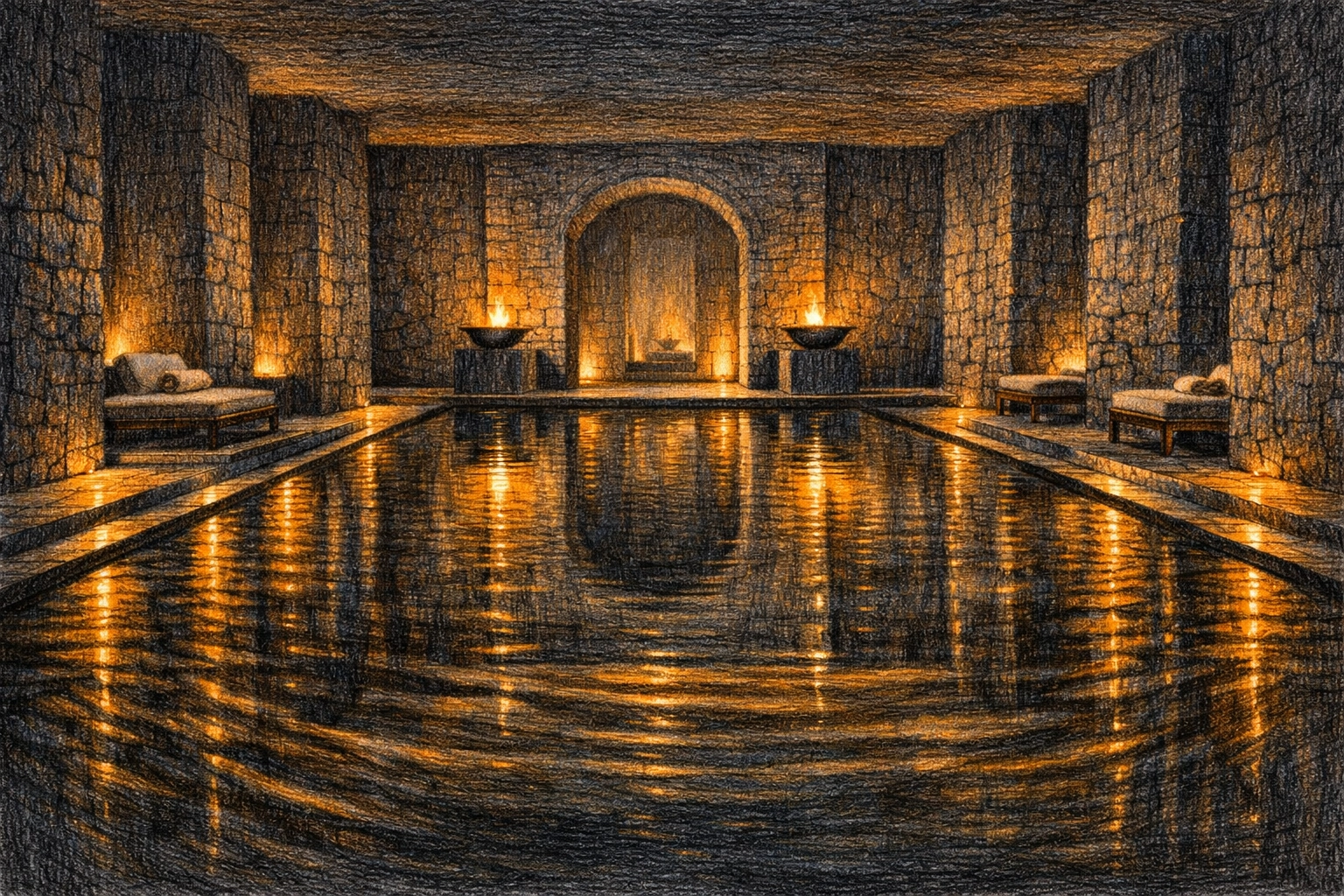
When one of the most famous hotels in the world wants to update its spa and penthouse suites, they call André Fu. For Claridge's, he brought a sense of Zen to the heart of London, creating a spa that feels like a subterranean temple of wellness.
Why André Fu Matters to Boutique Hotel Interior Design
For those of us in the hospitality industry, André Fu’s influence is everywhere. He proved that the "boutique" feeling isn't about the size of the hotel: it's about the depth of the experience.
He championed the idea that every piece of furniture, every light fixture, and every rug should be bespoke. This led to the launch of André Fu Living (AFL) in 2015. He didn't just want to design the rooms; he wanted to design the lifestyle. His collaborations with brands like Louis Vuitton and Tai Ping Carpets have brought his "relaxed luxury" vibe into people's private homes.
The Shift Toward Sustainable Hotel Architecture
In recent years, the industry has shifted toward sustainability, and Fu has been at the forefront of this movement: though perhaps in a more subtle way than most. For Fu, sustainable hotel architecture isn't just about solar panels (though those are great); it’s about "emotional sustainability."
It’s about building spaces that don’t need to be renovated every five years because they are "trendy." By using high-quality, natural materials and focusing on timeless layouts, Fu creates hotels that age gracefully. His work at Hotel The Mitsui Kyoto shows how integrating local flora and preserving historic structures can create a sustainable, long-lasting destination that honors the environment.
André Fu's Design Toolkit: 3 Things You Can Use
You don't need a multi-million dollar budget to take a page out of André Fu's book. Here are three principles he uses that can apply to any hospitality project:
- The Entry Sequence: Fu is obsessed with how guests enter a space. He often uses dimmed lighting and "transition zones" to help guests leave the stress of the outside world behind.
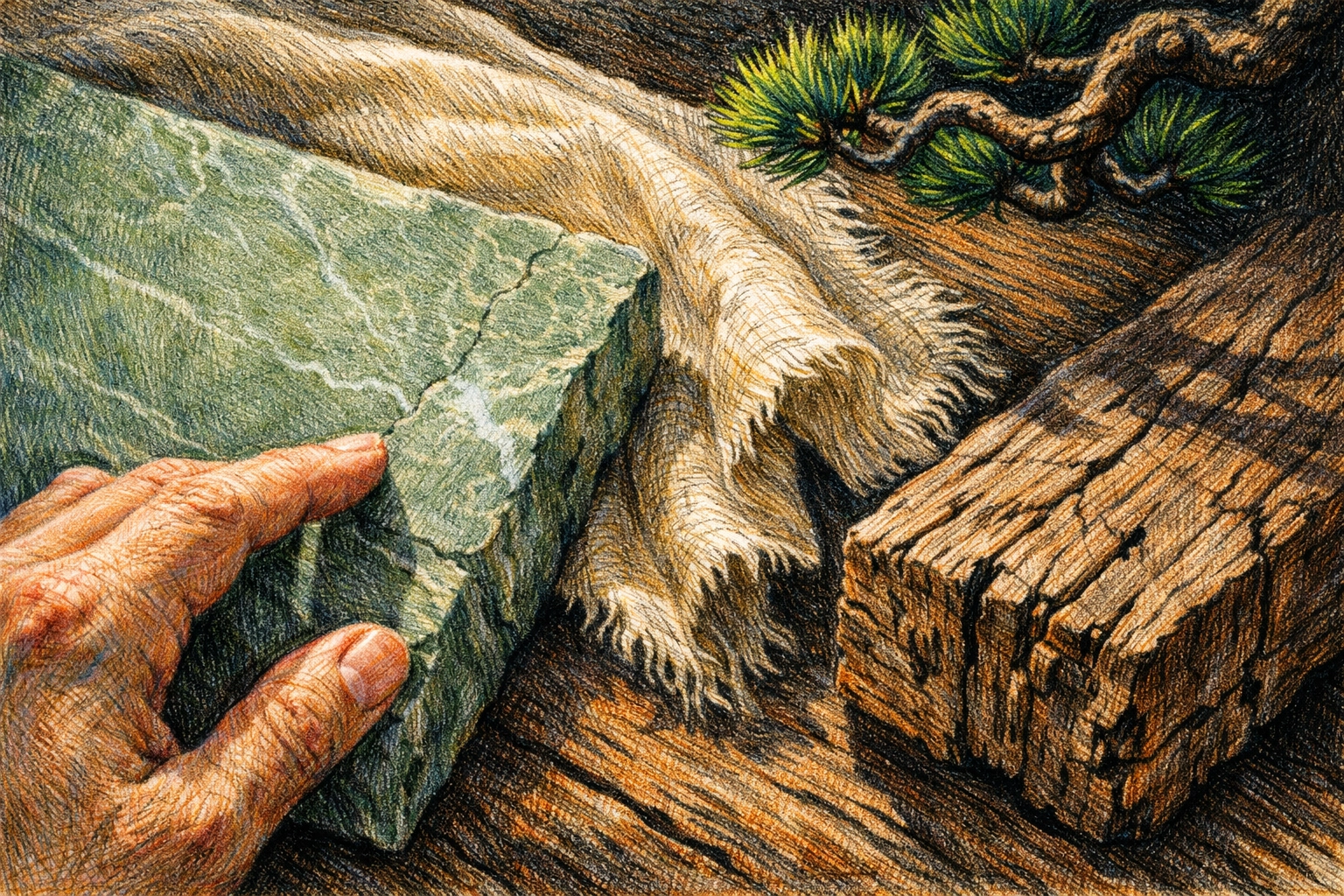
- Tactile Textures: He rarely uses shiny, plastic surfaces. Instead, he opts for brushed metals, open-grain wood, and soft linens. When a guest touches a surface, it should feel real.
- The "Hidden" Tech: Fu hates seeing wires or bulky control panels. In a Fu-designed room, the technology is always there, but it’s hidden behind beautiful cabinetry or integrated into the furniture.
What’s Next for André Fu?
The world of luxury hospitality design is always moving, and André Fu is moving with it. With upcoming projects like Capella Taipei and the redevelopment of the iconic Dusit Thani Bangkok, he is continuing to refine the "East-meets-West" aesthetic.
He’s also leaning further into the "lifestyle" aspect of design. As travelers look for more meaningful, wellness-focused experiences, Fu’s ability to create calm, meditative environments is more in demand than ever.
Final Thoughts
André Fu has done something very difficult: he created a brand that is synonymous with a specific feeling. You don't just "look" at an André Fu room; you inhabit it.
Whether you’re a developer looking for inspiration or a traveler who loves boutique hotel interior design, Fu’s work offers a roadmap for the future of hospitality. It’s a future where luxury isn't about how much money you spend, but about how much peace you find.
At My Hotel Design, we’re always keeping an eye on the icons who shape our industry. André Fu isn't just a designer; he's a storyteller who uses marble, wood, and light to tell us that it's okay to slow down and stay a while.