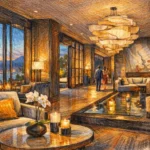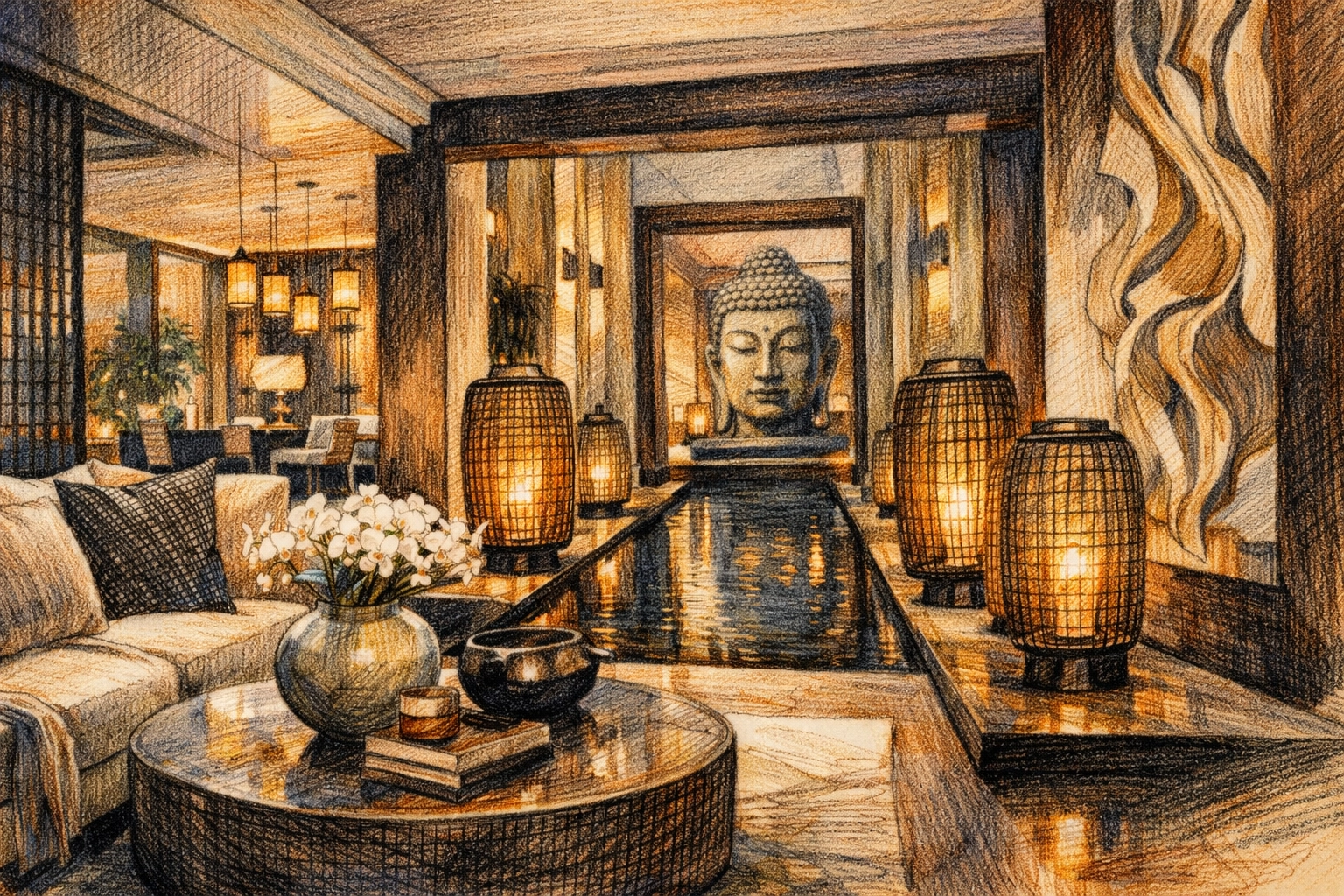
If you’ve spent any time looking at high-end interiors over the last forty years, you’ve run into the work of Kelly Hoppen CBE. Often called the "Queen of Taupe," Hoppen has redefined what it means to experience a space. In the world of luxury hospitality design, her name is synonymous with a specific kind of understated, high-impact elegance that feels both expensive and incredibly comfortable.
I’m Robert Rupp, founder of My Hotel Design, and today I want to do a deep dive into why Kelly Hoppen matters so much to our industry. Whether you’re developing a new resort or looking to refresh a boutique property, there is a lot we can learn from her "East meets West" philosophy.
The Woman Behind the Taupe
Kelly Hoppen didn’t just stumble into success; she built an empire by being remarkably consistent. Starting her career at just 16, she has spent four decades honing a signature style that avoids the "flash-in-the-pan" trends that often plague the hospitality world.
In a world where many designers try to scream for attention with neon lights and quirky furniture, Hoppen whispers. But it’s the kind of whisper that everyone in the room stops to listen to. Her approach is rooted in the idea that a guest’s emotional response to a room is just as important as the visual aesthetic.
The Core Philosophy: East Meets West
Hoppen’s design DNA is famously a fusion of Eastern and Western principles. But what does that actually mean for a hotel?
- Western Luxury: This brings the clean lines, the high-end finishes (think marble, polished steel, and fine leathers), and the structural functionality we expect from modern Western architecture.
- Eastern Balance: This introduces the concepts of Zen, harmony, and texture. It’s about the "grid" system: ensuring that objects in a room have a relationship with one another that feels balanced and grounded.
When you apply this to boutique hotel interior design, you get spaces that don't just look good on Instagram; they feel good to live in. There is a visual stability that helps travelers decompress the moment they walk through the lobby.
The Power of the Neutral Palette
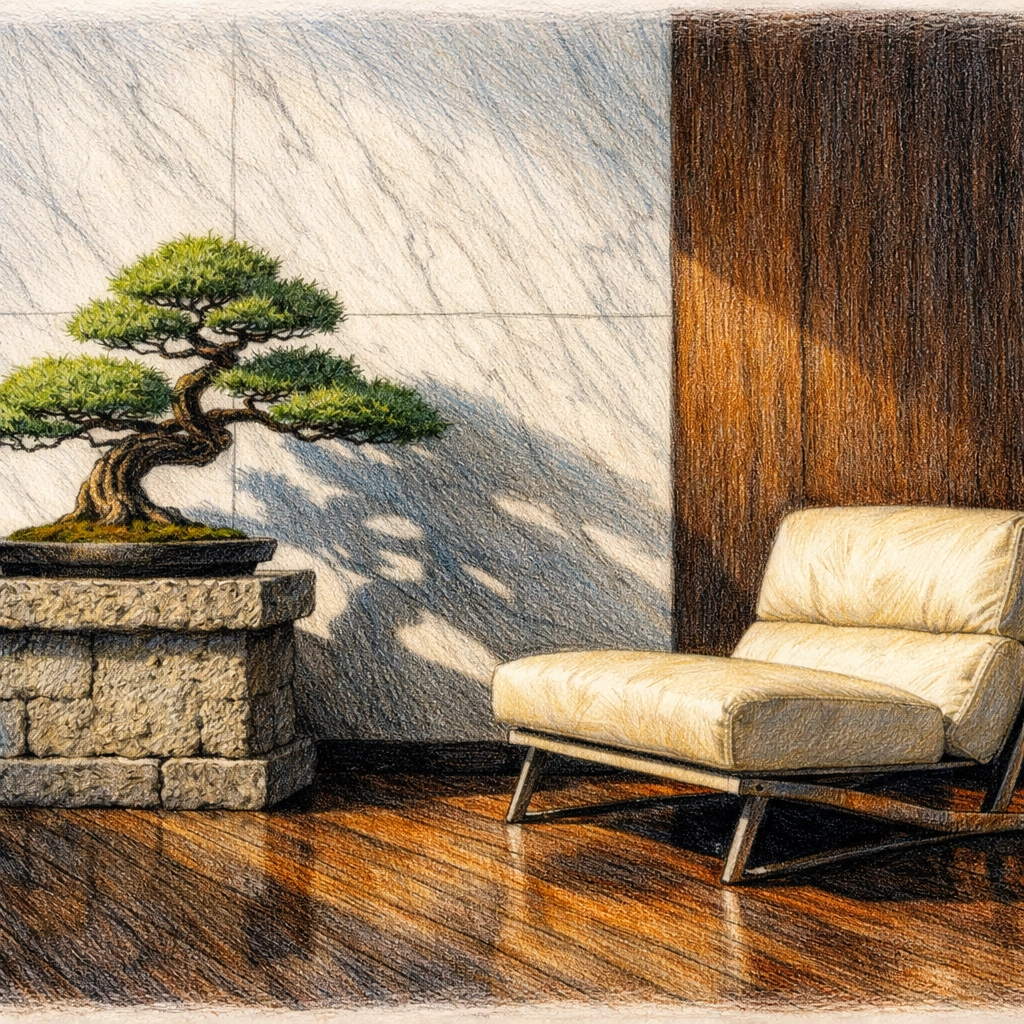
Let’s talk about the "Taupe" in the room. Hoppen is famous for her neutral palette: whites, beiges, greys, and, of course, her signature taupe.
For some, "neutral" sounds like a synonym for "boring." In Hoppen’s hands, it’s the exact opposite. By stripping away the distraction of loud colors, she forces the eye to focus on texture and form. In a luxury hospitality setting, this is a strategic masterstroke. Why? Because neutrals are timeless.
A hotel that goes all-in on a "trendy" color palette (remember the millennial pink explosion?) usually looks dated within three to five years. A Hoppen-inspired space looks as fresh in year ten as it did on opening night. This longevity is a key pillar of sustainable hotel architecture and design: creating environments that don't need to be ripped out and replaced every few seasons.
Major Hospitality Projects: A Masterclass
To understand Hoppen's influence, you have to look at her work in the wild. She has moved seamlessly from private residential projects for celebrities to massive, complex hospitality environments.
LUX* Grand Gaube, Mauritius
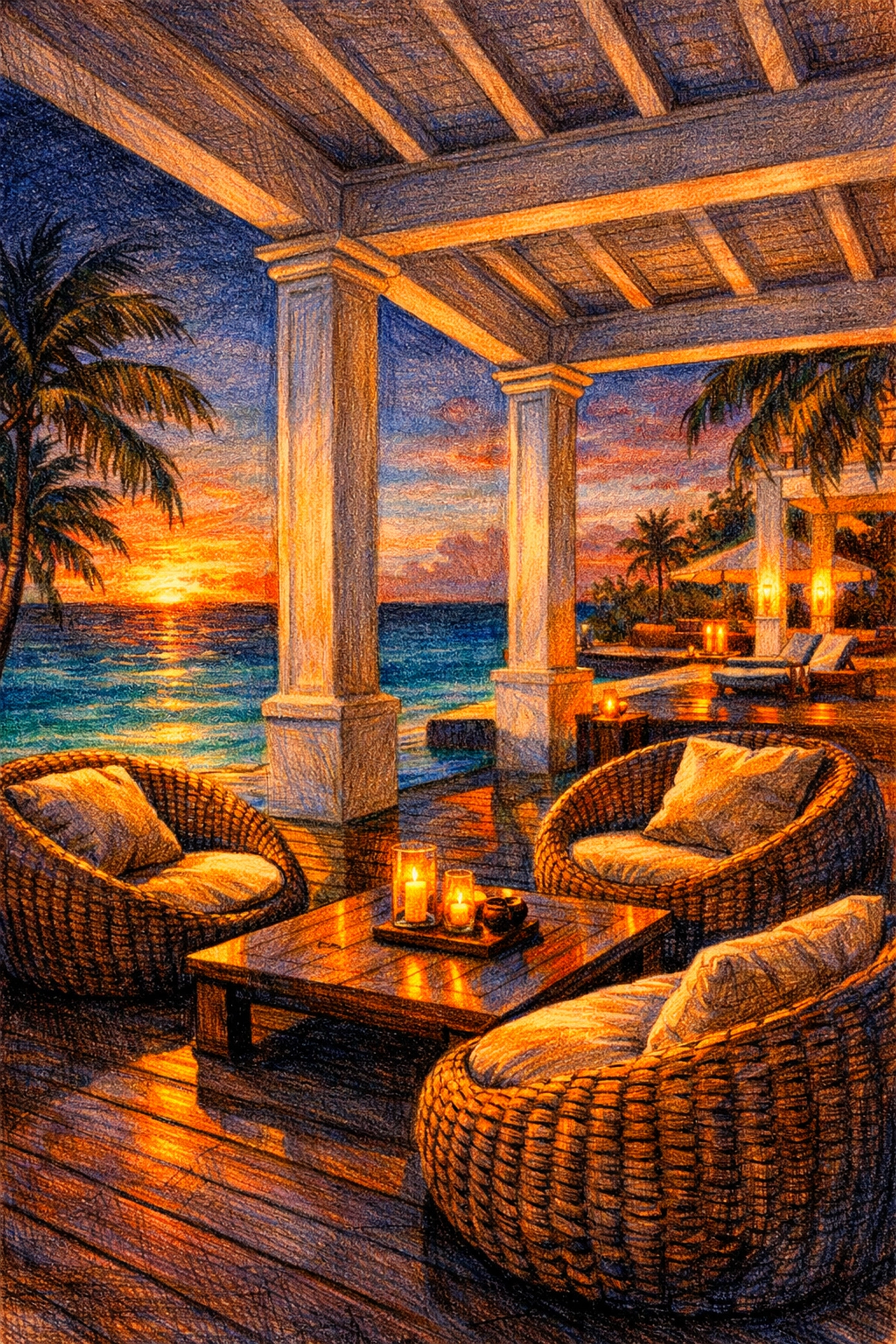
This project is perhaps the best example of her ability to create a "barefoot luxury" vibe. She took a tropical resort and applied her balanced, neutral aesthetic to it. Instead of the typical bright "island" colors, she used natural textures: rattan, wood, and stone: layered against a crisp white backdrop. It feels sophisticated but totally unpretentious. It’s a masterclass in how boutique hotel interior design can elevate a natural landscape rather than compete with it.
Celebrity Edge Cruise Ship
Designing for a cruise ship is a logistical nightmare, yet Hoppen managed to make the Celebrity Edge feel like a floating boutique hotel. She brought her "home away from home" philosophy to the high seas, proving that luxury hospitality design can thrive even in the most restricted, technical environments. Her work on the "Magic Carpet" (a cantilevered platform) and the Edge Villas showed that you can maintain a signature style while pushing the boundaries of traditional maritime design.
Texture as the Hero
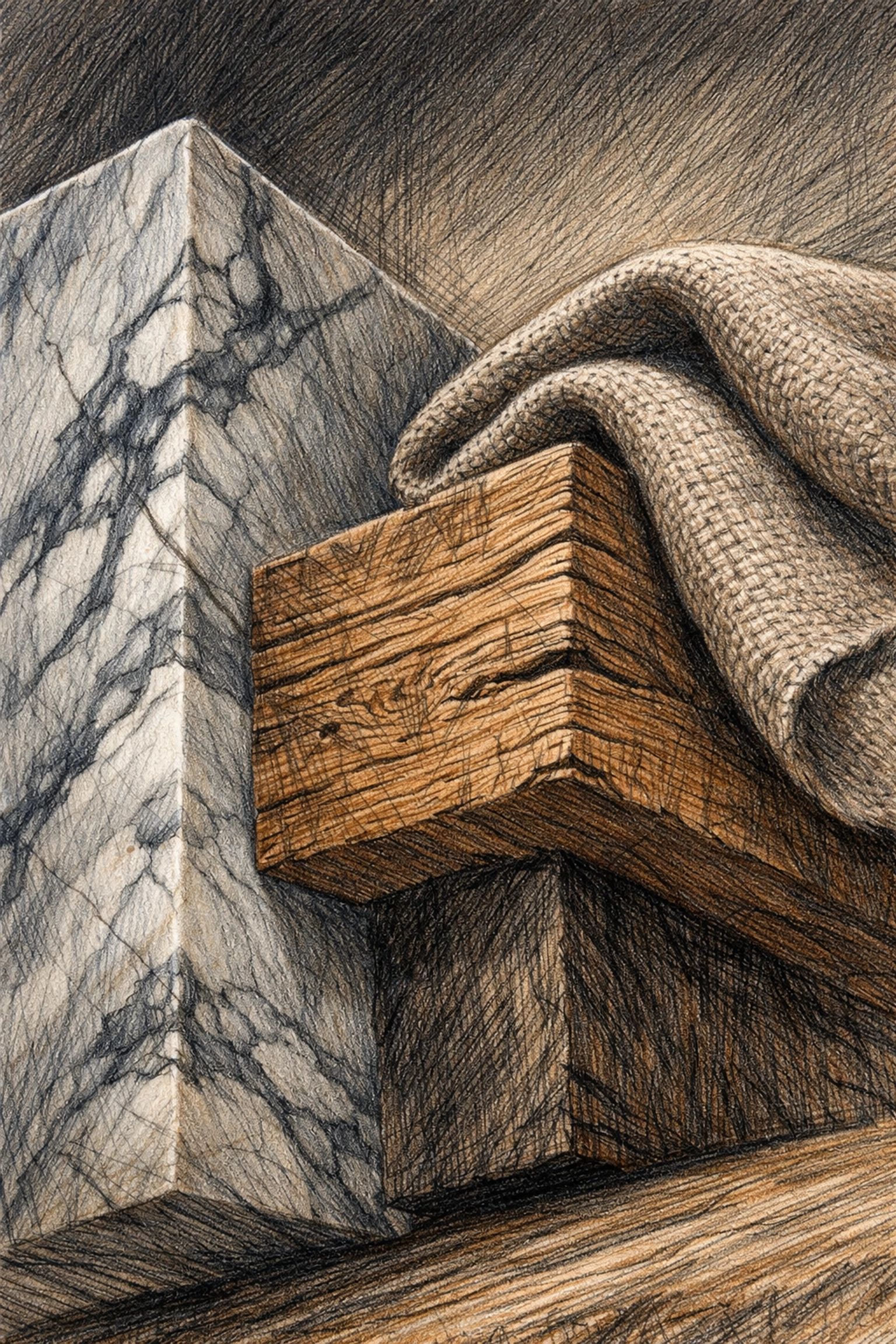
In a Kelly Hoppen room, texture is the star. When you aren't using color to create interest, you have to use touch.
Think about a standard hotel guest room. Usually, it’s a lot of flat surfaces. Hoppen layers:
- A velvet cushion against a linen sofa.
- A rough-hewn wooden stool next to a lacquered cabinet.
- A thick, woven rug on a smooth stone floor.
This layering creates "visual weight." For a guest, this translates to a feeling of richness. It’s tactile. It invites you to touch the surfaces, to sink into the furniture, and to truly inhabit the space. In the luxury hospitality design market, these small sensory details are what differentiate a four-star stay from a five-star experience.
Sustainable Design Through Longevity
We often talk about sustainable hotel architecture in terms of solar panels and low-flow toilets. While those are vital, there is a design side to sustainability: Timelessness.
The most "unsustainable" thing a hotel can do is undergo a full renovation every four years because the interior design has gone out of fashion. Kelly Hoppen’s commitment to a neutral, balanced aesthetic is inherently sustainable. By choosing high-quality natural materials: stone, wood, wool, and metal: and arranging them in a way that isn't tied to a specific "fad," she creates spaces that last.
When we design with longevity in mind, we reduce waste. We reduce the carbon footprint associated with manufacturing and transporting new furniture and fixtures. Hoppen’s work proves that luxury doesn't have to be "disposable."
Lessons for Boutique Hotel Owners
So, how can you take these high-level design principles and apply them to your own property? You don’t need a Kelly Hoppen budget to steal her secrets.
1. Focus on the Entryway (The "Grid")
Hoppen is big on the "first impression." Your lobby shouldn't just be a place to check in; it should be a place that resets the guest's mood. Use a grid-based layout to create a sense of order. If you have a large statement piece, balance it with negative space. Don't clutter the entrance.
2. Invest in Tactile Materials
If you have to choose between a flashy wallpaper and a high-quality textured rug, go for the rug. Guests will notice the "feel" of the room long after they’ve stopped looking at the walls. In boutique hotel interior design, the "touch points": the handles, the linens, the flooring: are where the luxury is felt.
3. Lighting is Everything
Hoppen uses lighting to highlight textures and create zones. In hospitality, lighting should never be "one size fits all." You need layers: ambient light for mood, task lighting for reading/working, and accent lighting to highlight architectural features.
4. The Power of "Small"
Hoppen often uses small, curated objects to make a space feel "lived in." A well-placed vase, a stack of beautiful books, or a unique bowl can make a hotel room feel like a sophisticated home rather than a sterile box.

The Post-Pandemic Shift
Since 2020, our relationship with space has changed. We want our hotels to be multifunctional: places where we can work, relax, and socialize without feeling like we’re in an office or a crowded bar.
Hoppen’s philosophy of "calm" is more relevant now than ever. Travelers are looking for wellness and emotional stability. They want "sanctuary" spaces. By focusing on neutral palettes and balanced layouts, designers can create environments that actively reduce stress. This is the future of luxury hospitality design: spaces that prioritize mental well-being just as much as physical comfort.
Why We Look to Icons Like Hoppen
At My Hotel Design, we believe that great design is about more than just picking out pretty furniture. It’s about storytelling. Kelly Hoppen tells a story of balance, peace, and timeless luxury.
She has shown the industry that you don’t need to be loud to be heard. By mastering the art of the neutral and the "East meets West" fusion, she has provided a blueprint for how to build hotels that stand the test of time.
If you’re looking to create a space that feels grounded, luxurious, and effortlessly cool, you could do a lot worse than taking a page out of Kelly’s book. Keep it simple, keep it balanced, and never underestimate the power of a perfect shade of taupe.
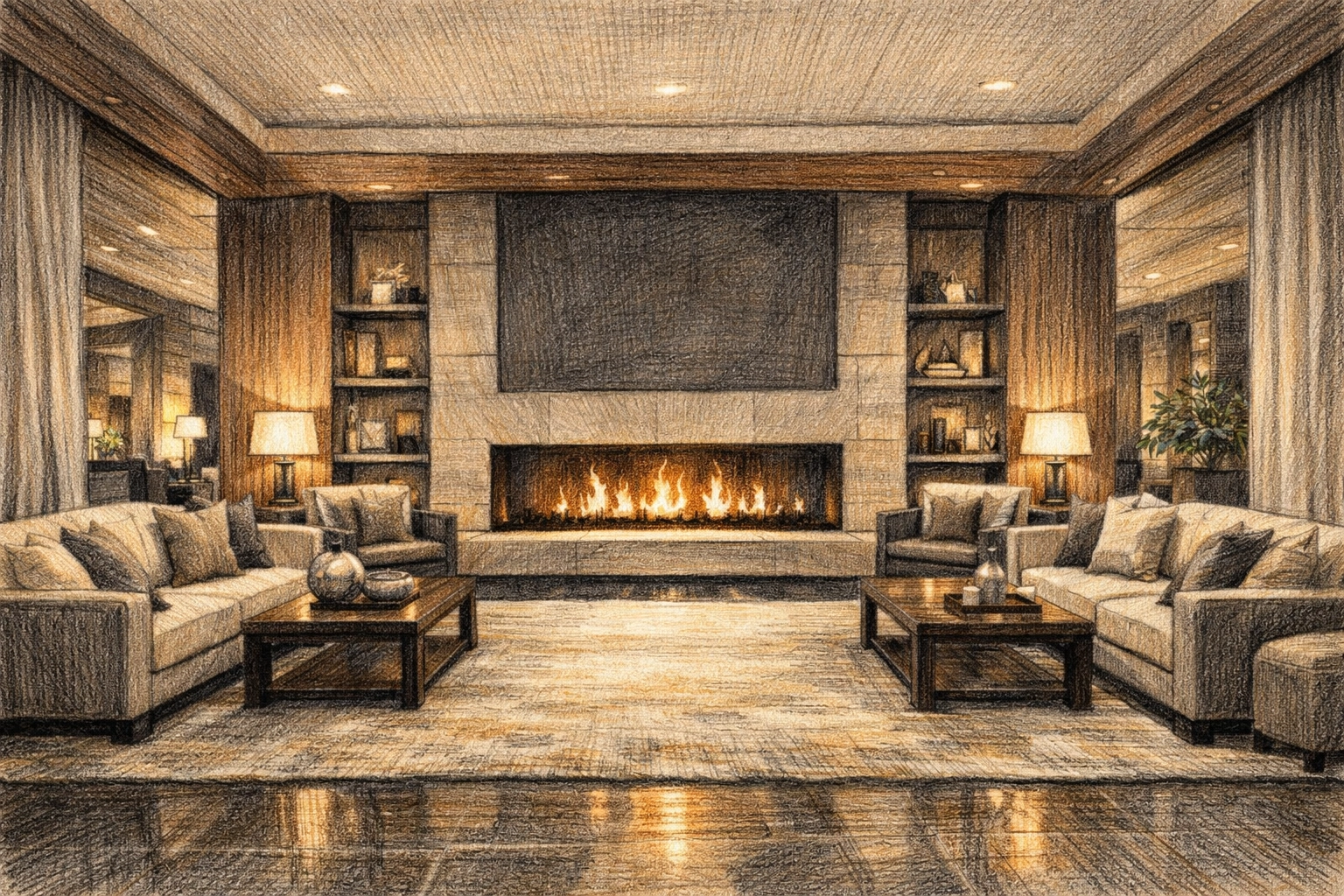
What do you think of the Hoppen aesthetic? Is it the pinnacle of luxury, or do you prefer something with more color? Let us know your thoughts: we love talking design.
Stay inspired,
Robert Rupp
Founder, My Hotel Design