If you’ve spent any time looking at the world’s most stunning hotels over the last decade, you’ve definitely seen André Fu’s work: even if you didn’t realize it. At My Hotel Design, we’re constantly looking for inspiration that moves the needle, and right now, André Fu is the name on everyone’s lips.
He’s not just "another interior designer." He’s the guy who fundamentally changed how we think about luxury. He took the old-school idea of "luxury" (think gold leaf, heavy velvet, and "don’t touch that") and swapped it for something much more interesting: calm, comfort, and a sense of place.
Whether you’re looking to build a new boutique hotel or you’re just a fan of great architecture, understanding André Fu is essential. Here’s why he’s dominating the luxury hospitality design scene and what we can all learn from his approach.
The "Upper House" Revolution
Every great designer has a "breakthrough moment." For André Fu, that moment was The Upper House in Hong Kong. Completed around 2005, it didn’t just put him on the map; it redefined boutique hotel interior design for the 21st century.
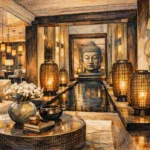
Before The Upper House, luxury hotels were often about "the show." They wanted to impress you with grand chandeliers and massive marble lobbies. Fu did the opposite. He created a space that felt like a very, very nice home. He focused on the transition from the busy streets of Hong Kong to a "calm journey" upward.
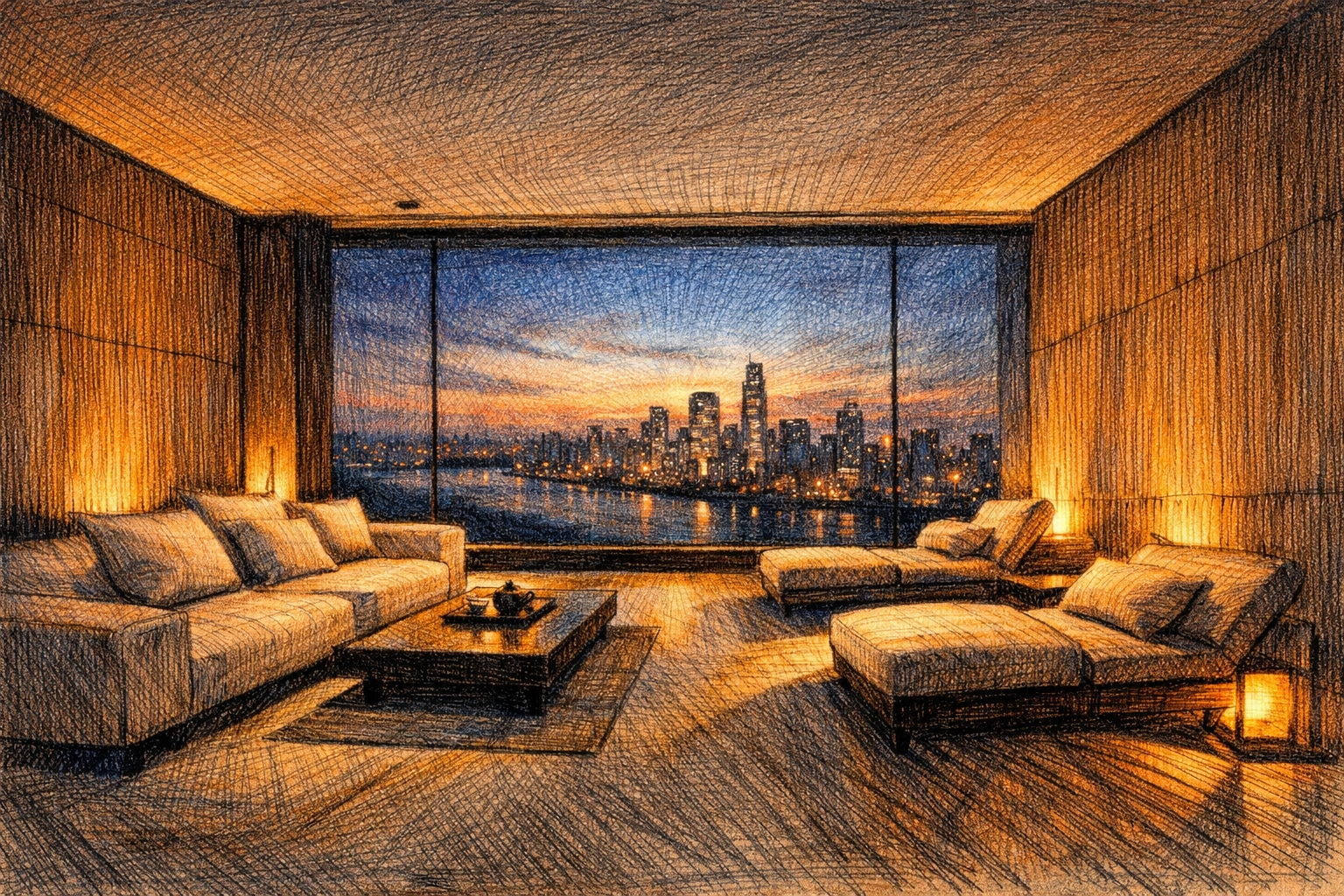
By prioritizing the guest’s emotional experience over decorative excess, he proved that people don’t just want to stay in a fancy room: they want to feel something. They want to breathe. That’s a lesson every hotel owner should take to heart.
A Signature Style: Bridging East and West
One of the reasons Fu is so successful globally is his ability to bridge different cultures without falling into clichés. He calls his style "relaxed luxury," but it’s often described as a bridge between Eastern and Western aesthetics.
In many of his projects, you’ll see the clean lines and functionality of Western modernism mixed with the poetic, layered approach of Asian design. But he doesn't do "thematic" design. You won’t see stereotypical motifs. Instead, he uses materials: wood, stone, and silk: to create a sense of heritage that feels completely modern.
For anyone looking into sustainable hotel architecture, this approach is gold. By focusing on authentic, high-quality materials and timeless silhouettes, Fu creates spaces that don't need a renovation every five years. That’s the ultimate form of sustainability: building something that lasts.
Major Projects You Need to Know
To understand the hype, you have to look at the portfolio. It’s not just the quantity; it’s the variety.
1. St. Regis Hong Kong
This project is a masterclass in storytelling. Fu took the heritage of the original St. Regis in New York and blended it with the history of Hong Kong’s Wan Chai district. The result is a hotel that feels grand but incredibly intimate. It’s architectural, yet the lighting makes it feel like you’re in a private sanctuary.
2. Hotel The Mitsui Kyoto
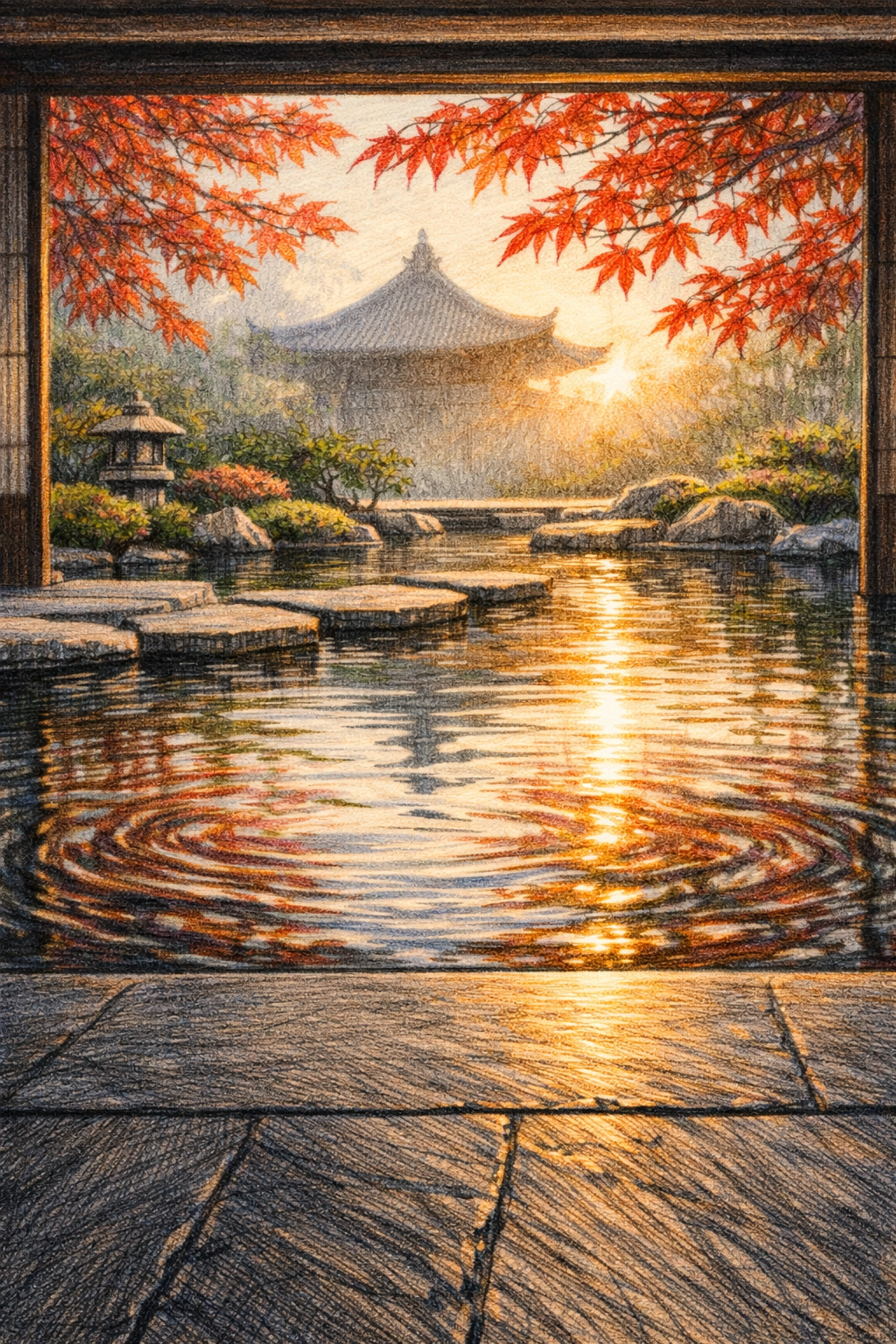
In Kyoto, Fu faced the challenge of designing next to a UNESCO World Heritage site (Nijo Castle). He used a concept of "embracing Japanese beauty," focusing on the garden and the flow of water. It’s a perfect example of how luxury hospitality design can respect local culture while providing world-class modern amenities.
3. Andaz Singapore
Here, Fu played with the vibrant colors and "shophouse" culture of the local neighborhood. It’s much more playful than some of his other work, showing that "relaxed luxury" doesn’t have to mean "beige and quiet." It can be energetic and bold while still maintaining that signature "Fu" sophistication.
Why Function Trumps "Instagrammable"
We live in an era where designers are often pressured to create "Instagram moments": spots in a hotel designed specifically to look good in a photo. André Fu has famously pushed back against this.
He believes in designing for the guest, not for the camera. As he often says in interviews, his work is about "the guest instead of the pursuit of a decorative environment."
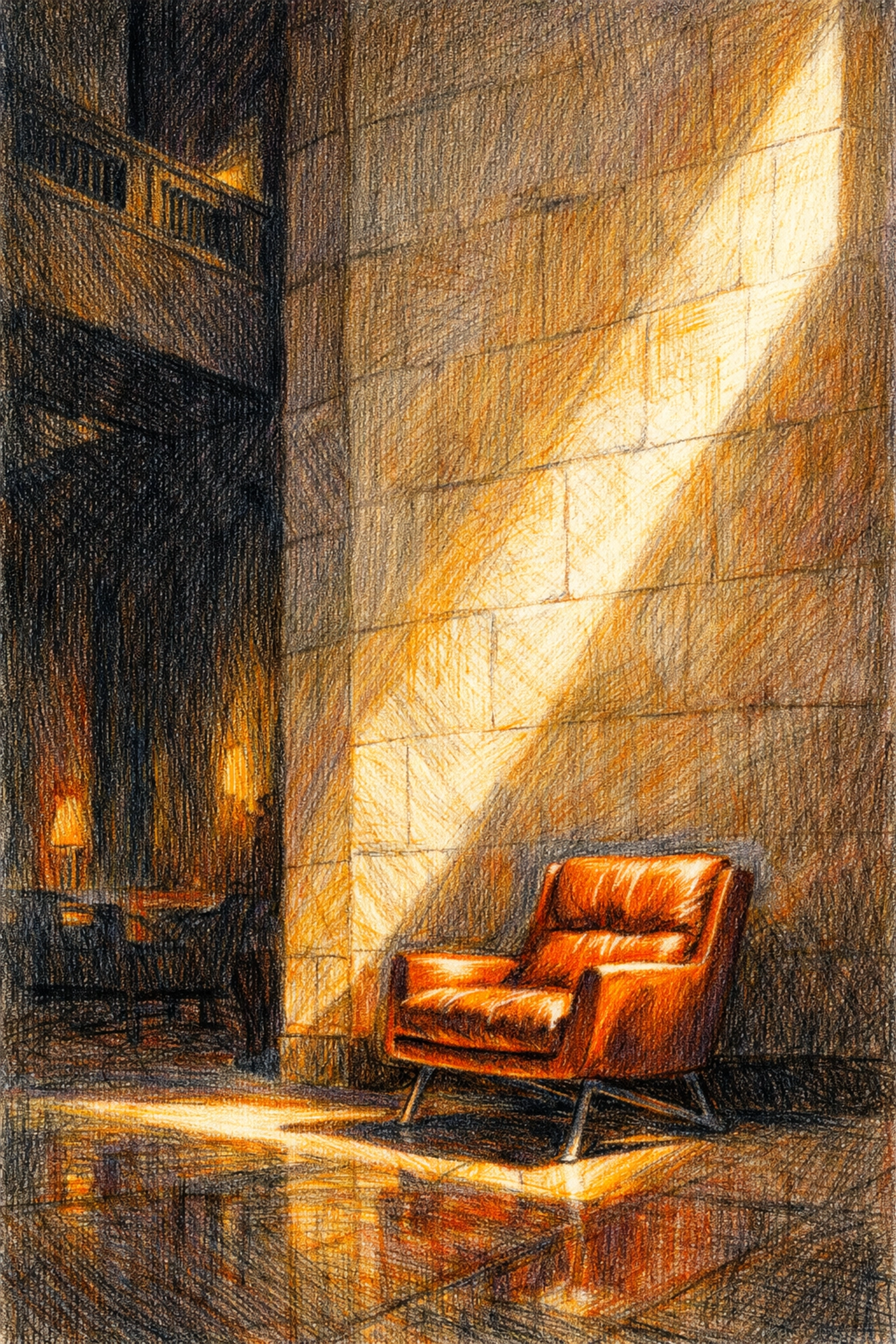
This is a huge takeaway for the industry. A hotel might look great in a square photo on a phone screen, but if the chair is uncomfortable or the lighting makes you feel like you're in a grocery store, the luxury experience is dead. Fu focuses on the height of the ceilings, the way a person moves through a room, and how the light hits the floor at 4:00 PM. That’s where the real magic happens.
Influence on Boutique Hotel Interior Design
The "André Fu effect" has trickled down to boutique hotels everywhere. You can see his influence in:
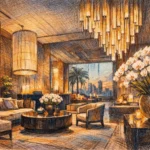
- The Lobby as a Living Room: Moving away from the formal "check-in desk" toward a social, residential feel.
- Subtle Lighting: Using layers of soft light rather than harsh overhead fixtures.
- Material Honesty: Letting the natural grain of wood or the texture of stone be the star of the show.
For smaller hotel owners, this is great news. You don’t need a billion-dollar budget to implement these ideas. You just need to focus on the details that actually affect how a human being feels in a space.
Sustainable Hotel Architecture and André Fu
While he is primarily known as an interior designer, his influence on architecture is significant. He often works closely with the building’s bones to ensure the inside and outside speak the same language.
In the world of sustainable hotel architecture, we often talk about "passive design" or "energy efficiency." But there’s also the concept of aesthetic sustainability. A space designed by André Fu is unlikely to look dated in ten years. By avoiding "fast-fashion" trends in design, he reduces the waste associated with constant remodeling. His use of local artisans and craftsmen also helps support local economies: another key pillar of modern hospitality sustainability.
Beyond Hotels: André Fu Living
Fu’s influence has grown so much that he launched "André Fu Living," a lifestyle brand that includes furniture, lighting, and even scents. This allows people to take a piece of that "hotel feeling" home with them.
His collaboration with Louis Vuitton for their Objets Nomades collection further cemented his status as a global design icon. It showed that his eye for proportion and luxury isn't limited to large buildings; it works just as well on a single chair or a decorative lamp.
Why You Should Care (As a Hotelier or Designer)
If you’re working in the hospitality industry, André Fu is your "North Star" for several reasons:
- Authenticity Wins: He doesn't copy-paste designs. Every hotel feels unique to its city.
- Comfort is the New Gold: Luxury isn't about how much money you spent; it's about how relaxed your guest feels.
- Scale and Proportion: He understands that a room doesn't need "stuff" to feel full; it needs the right proportions.
At My Hotel Design, we believe the future of our industry looks a lot like what André Fu is doing right now. It’s thoughtful, it’s quiet, and it’s deeply respectful of the person using the space.
Final Thoughts
André Fu has managed to do something very few designers achieve: he created a "look" that isn't a look at all: it's a feeling. As the world of luxury hospitality continues to evolve toward more personalized and meaningful experiences, Fu's philosophy will likely remain the gold standard.
Whether you're planning a massive resort or a tiny 10-room boutique hotel, take a page out of Fu's book. Focus on the journey, embrace the local culture, and never, ever sacrifice comfort for a pretty picture.
If you’re looking to bring some of that "relaxed luxury" to your next project, or if you're interested in how sustainable hotel architecture can work for your brand, let’s talk. At My Hotel Design, we’re all about making these high-level concepts work for real-world hotels.
What do you think of André Fu’s style? Is it too "quiet," or is it exactly what the industry needs right now? Let us know( we love a good design debate.)