If you’ve spent more than five minutes looking at luxury hospitality design, you’ve probably heard the name Bill Bensley. Often called the "Willy Wonka of hotel design," Bensley has spent the last few decades turning the world of boutique hotel interior design on its head.
While most designers are obsessing over which shade of "greige" looks best in a lobby, Bensley is out there turning old train cars into five-star suites or building luxury tents that protect rainforests from poachers. He doesn’t just design hotels; he builds worlds.
At My Hotel Design, we’re all about making great design accessible and understandable. So, I wanted to take a deep dive into what makes Bill Bensley tick. What are the "secrets" that traditional experts might not want you to know? It turns out, his success isn't just about a big budget: it’s about a radical shift in how we think about luxury.
1. The Death of "Bland" Luxury
For a long time, the industry standard for luxury hospitality design was simple: more marble, more crystal chandeliers, and more gold leaf. It was a formula. If you spent enough money on expensive materials, the hotel was "luxurious."
Bensley completely rejects this. He’s famous for saying that "Luxury is being awakened by the clamour of bird calls in the morning." To him, luxury isn’t an object; it’s an experience.
Most experts won't tell you this because selling high-end finishes is easy. Creating a soul for a building is hard. Bensley’s secret is that he prioritizes the story over the showroom. He moves away from the sterile "international style" and leans into what he calls "whimsical maximalism."

2. Storytelling: The Foundation of Boutique Hotel Interior Design
Every Bill Bensley project starts with a story. He doesn't just look at a floor plan; he writes a script. This is where many boutique hotel owners get it wrong: they pick a "theme" (like "nautical" or "industrial") and stop there.
Bensley goes deeper. Take the Capella Hanoi, for example. Instead of just making a "fancy hotel in Vietnam," he built the design around the story of an opera house in the Roaring Twenties. Every room is dedicated to a different opera character or composer. The hotel features over a thousand pieces of operatic memorabilia.
When guests walk through the doors, they aren’t just checking into a room; they’re stepping into a narrative. This storytelling approach is what makes a boutique hotel interior design truly memorable. It’s not about the thread count of the sheets; it’s about the feeling that you’ve been transported to another time and place.
3. The Magic of Upcycling and Repurposed History
One of the biggest secrets in Bensley’s playbook is his use of "junk." While other designers are ordering custom-made Italian furniture, Bensley is scouring scrapyards and antique markets.
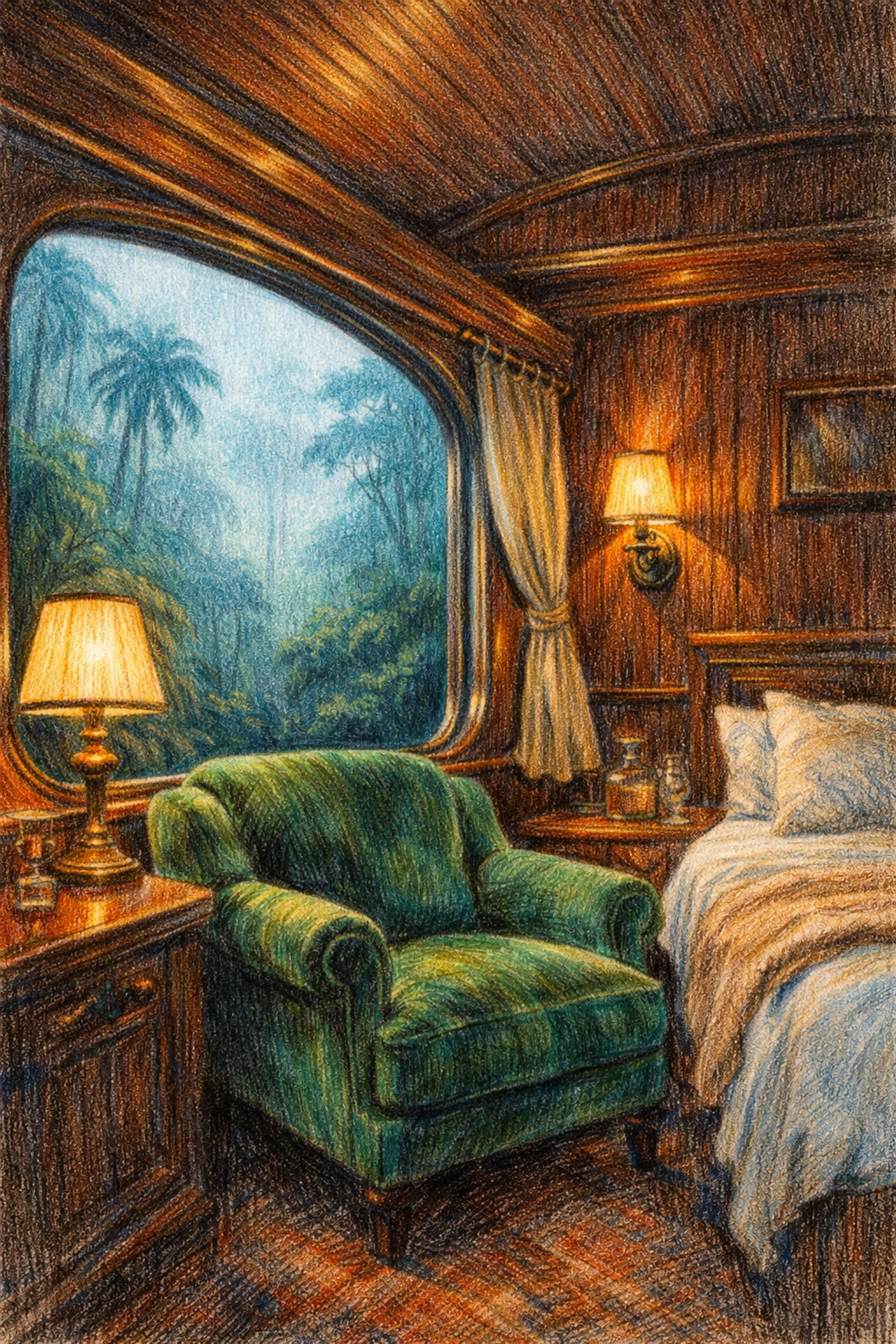
The InterContinental Khao Yai Resort in Thailand is the perfect example. The entire concept revolves around the history of rail travel in the region. But Bensley didn't just build rooms that looked like trains. He tracked down dozens of heritage railcars that had been sitting unused for over 50 years. He recovered them, refurbished them, and turned them into luxury suites, spas, and dining areas.
This isn’t just a cool gimmick. It’s a masterclass in sustainable hotel architecture. By repurposing existing structures, he reduces the carbon footprint of the project while creating something that literally cannot be replicated by a competitor.

4. Maximalism: Why "More" is Actually More
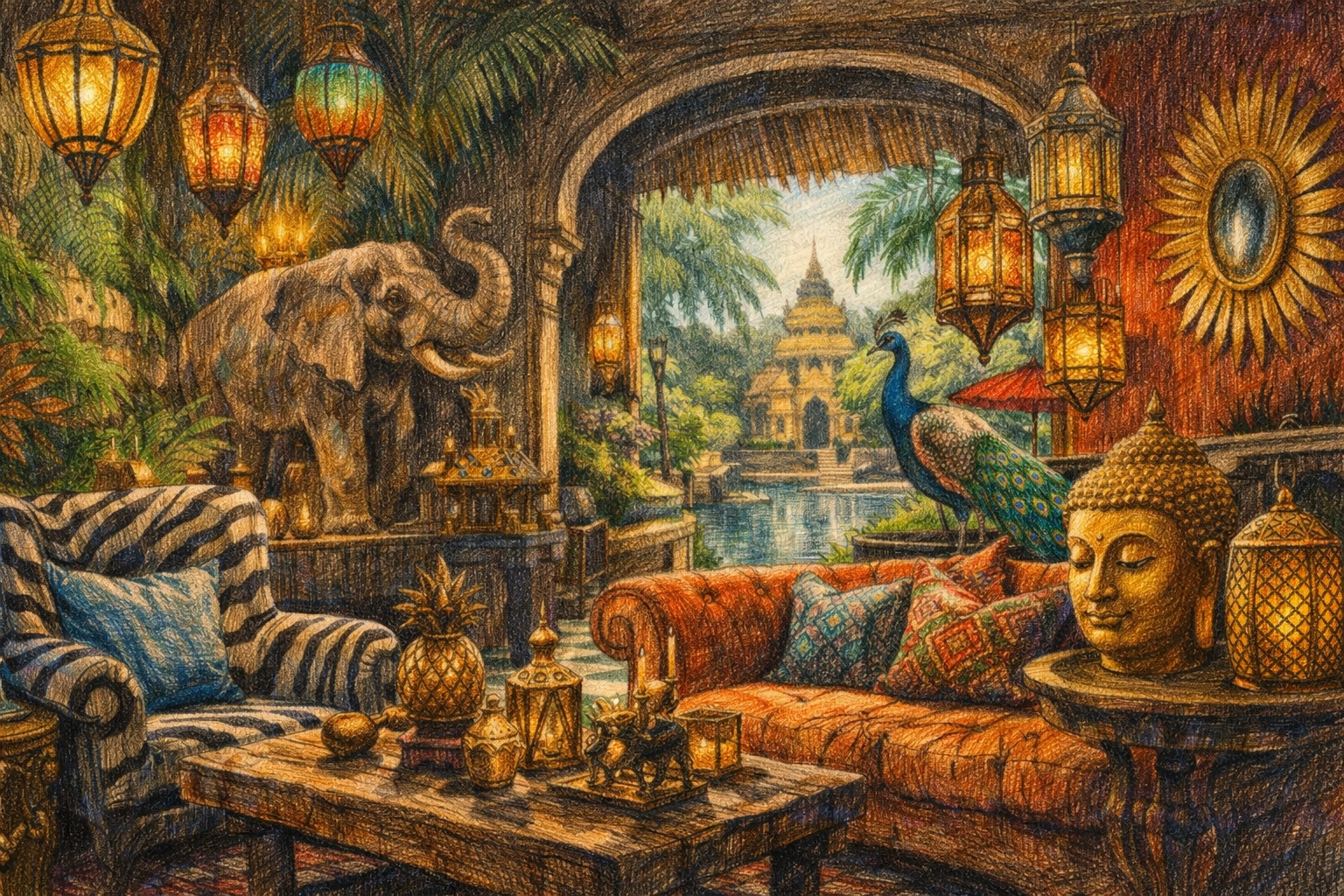
In the world of interior design, we’ve been told for years that "less is more." Minimalists argue that clean lines and empty spaces create a sense of calm. Bensley begs to differ. He is a proud maximalist.
Take The Siam in Bangkok. This family-owned hotel is basically a museum that you can sleep in. It houses more than 25,000 antiques collected over years. There are old cameras, vintage posters, ancient statues, and quirky curiosities in every corner.
The "secret" here is curation. Traditional designers might warn you that too much "stuff" makes a room feel cluttered. But Bensley shows us that when objects are chosen with passion and arranged with an eye for drama, they create a rich, layered environment that keeps guests exploring. In a world of minimalist "cookie-cutter" hotels, his maximalism feels like a breath of fresh air.
5. Radical Sustainable Hotel Architecture
If there’s one thing Bill Bensley wants to be remembered for, it’s his commitment to the environment. He doesn't just talk about "green initiatives" like removing plastic straws; he builds conservation into the very DNA of his projects.
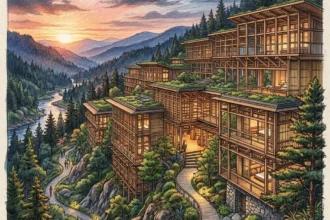
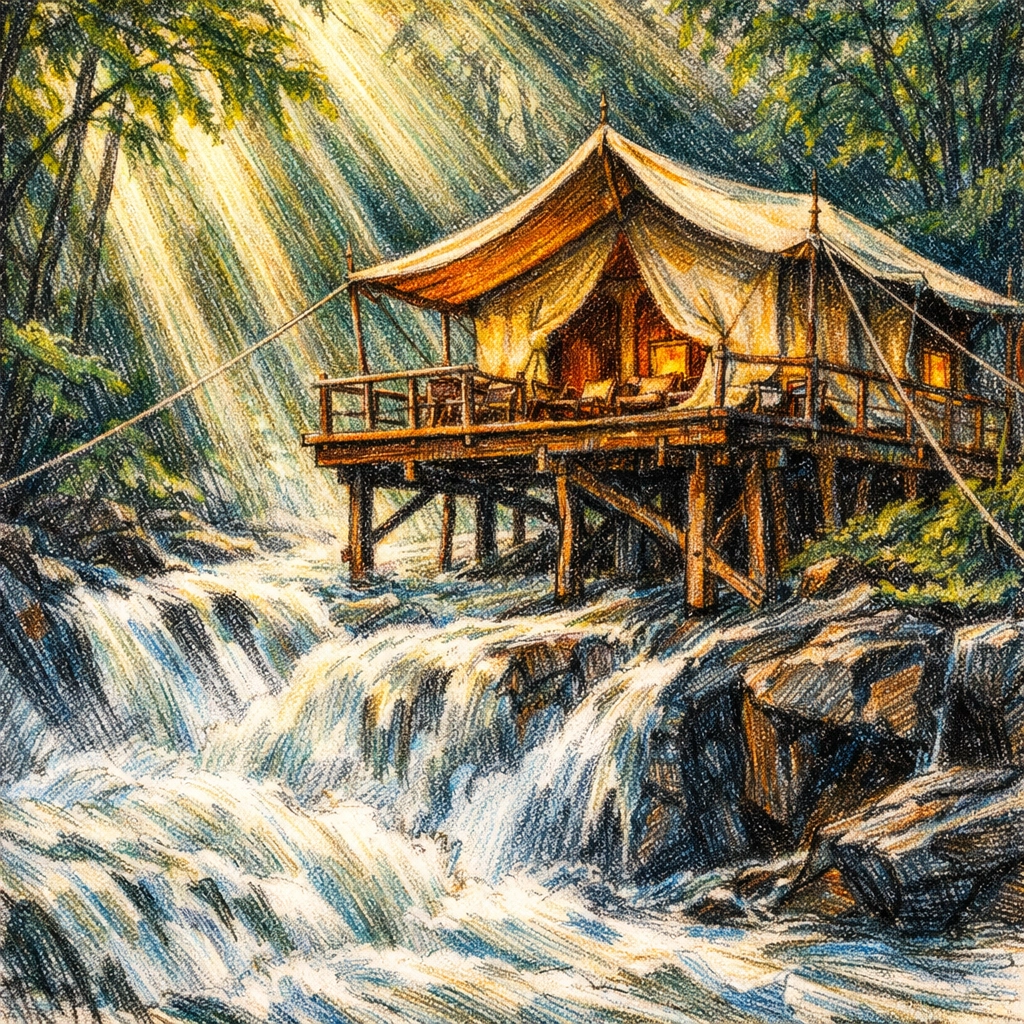
Shinta Mani Wild in Cambodia is his magnum opus in this regard. The property is located in a corridor that connects two national parks. Instead of clearing the land to build a traditional hotel, Bensley designed a low-impact tented camp that sits above the river and waterfalls.
The "secret" experts don't want you to know? Sustainability can be the biggest selling point of a luxury property. At Shinta Mani Wild, the hotel actually employs former poachers to work as forest guardians. Guests pay a premium not just for the beautiful tents, but to be part of a project that is actively saving a rainforest. This is "regenerative tourism": leaving a place better than you found it.
6. Embracing Local Heritage (Without the Clichés)
A lot of hotel designs try to "pay homage" to local culture by putting a few traditional masks on the wall or using local patterns on the pillows. It often feels like a costume.
Bensley’s approach to local heritage is much more integrated. He spends months researching the history, the people, and the craftsmanship of a location. When he builds in Vietnam, he uses Vietnamese artisans and traditional building techniques, but he twists them into something modern and unexpected.
He avoids the "clichés" by focusing on the weird and wonderful parts of history that others overlook. He looks for the folk tales, the forgotten eccentricities, and the local quirks. This makes his boutique hotel interior design feel authentic rather than "themed."
7. The "Low-Density" Secret
In the hospitality industry, there is a constant pressure to maximize "keys" (the number of rooms). More rooms usually mean more revenue. But Bensley often argues for fewer rooms and more space.
By keeping the density low, he preserves the natural landscape and creates a sense of exclusivity that high-density resorts can never achieve. He proves that you can charge a much higher rate for a single, breathtaking experience than you can for ten mediocre ones. This is a hard pill for some developers to swallow, but it’s the secret behind the world’s most sought-after destinations.
8. Taking Risks: The "Bensley Way"
The final secret is perhaps the most important: Bill Bensley isn't afraid to look ridiculous.
Many designers are paralyzed by the fear of making a "mistake" or creating something that isn't "timeless." Bensley leans into the weird. He uses bright colors, strange proportions, and eccentric art. He builds hotels that look like universities (JW Marriott Phu Quoc) or colorful palaces.
Experts often stick to the "safe" choices because safe choices don't get you fired. But safe choices also don't get you featured on the cover of every design magazine in the world. Bensley teaches us that in the world of luxury hospitality design, the biggest risk is being boring.
How to Apply These Secrets to Your Own Project
You might be thinking, "That’s great, Robert, but I don't have a billion-dollar budget or a fleet of vintage train cars."
That’s the beauty of it. You don't need Bill Bensley’s budget to use his philosophy. Here is how you can apply these secrets to any boutique hotel interior design:
- Find Your Story: Before you pick a paint color, write down the story of your building. Who lived there? What is the secret history of your town? Use that narrative to guide every design choice.
- Upcycle with Purpose: Don’t just buy new furniture. Look for pieces with history. A reclaimed bar top or vintage light fixtures add a layer of soul that brand-new items can’t provide.
- Don't Fear Color: You don't have to use "hospitality beige." Choose a palette that evokes an emotion, even if it feels a little "out there" at first.
- Focus on the Outdoors: Whether you have a massive garden or a tiny urban courtyard, make the connection to nature a priority.
- Support Local: Use local makers for your furniture, art, and even your soap. It creates a sense of place that guests can feel.

Conclusion
Bill Bensley has shown us that the future of luxury hospitality design isn't about how much gold you can cram into a lobby. It’s about storytelling, environmental stewardship, and the courage to be different.
By embracing sustainable hotel architecture and a narrative-driven approach to boutique hotel interior design, he has created some of the most iconic properties on the planet. But more importantly, he’s given us a roadmap for how to create spaces that actually mean something to the people who stay in them.
At My Hotel Design, we believe every hotel has the potential to tell a great story. You just have to be brave enough to tell it.
Want more tips on how to elevate your hotel's design? Keep following our blog for deep dives into the world’s best designers and practical advice for your next project.