If you’ve ever stepped into a hotel and felt an immediate sense of calm: a feeling that the world outside has simply faded away: you’ve likely experienced the work of André Fu.
In the world of luxury hospitality design, Fu is something of a rockstar, though he’d probably be too modest to admit it. While other designers are busy chasing the loudest trends or trying to out-bling the competition, André Fu has spent the last two decades perfecting a style he calls "relaxed luxury."
As the founder of My Hotel Design, I’ve watched the industry shift toward grandiosity many times, only to see it come back to the principles Fu champions. Today, I want to pull back the curtain on why André Fu is the designer that every major hotel brand wants to hire, and what his "secrets" can teach us about creating spaces that people never want to leave.
The Architect of Calm: Who is André Fu?
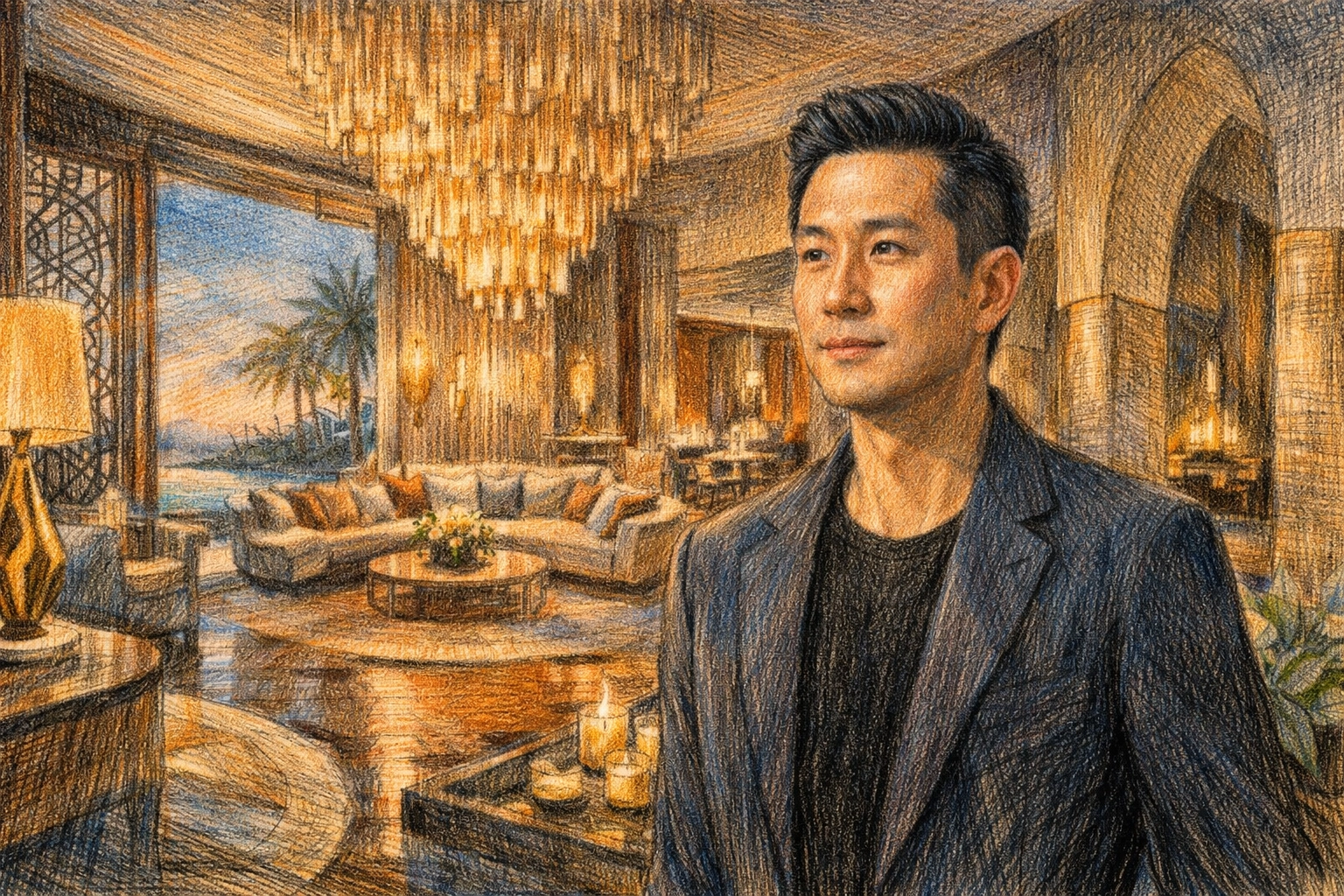
Born in Hong Kong and educated at Cambridge, André Fu is the bridge between two worlds. His firm, AFSO, has redefined what a high-end hotel looks like in the 21st century. He doesn't just pick out curtains; he crafts entire experiences.
From the moment he burst onto the scene with The Upper House in Hong Kong in 2009, it was clear he wasn't playing by the old rules. He ignored the traditional "gilded lobby" look in favor of something much more intimate and thoughtful. This approach has made him a titan in boutique hotel interior design, proving that you don't need a thousand rooms to make a massive impact.
Secret #1: Luxury is a Feeling, Not a Price Tag
The biggest secret the "experts" won't tell you? True luxury isn't about how much gold leaf you can cram into a room.
Fu’s philosophy is rooted in comfort. He believes that if a guest doesn't feel relaxed, the design has failed. This sounds simple, but it’s actually incredibly hard to pull off. It requires a deep understanding of "honesty of materials." Instead of using cheap veneers that look like marble, Fu uses actual stone, solid wood, and hand-tufted rugs.
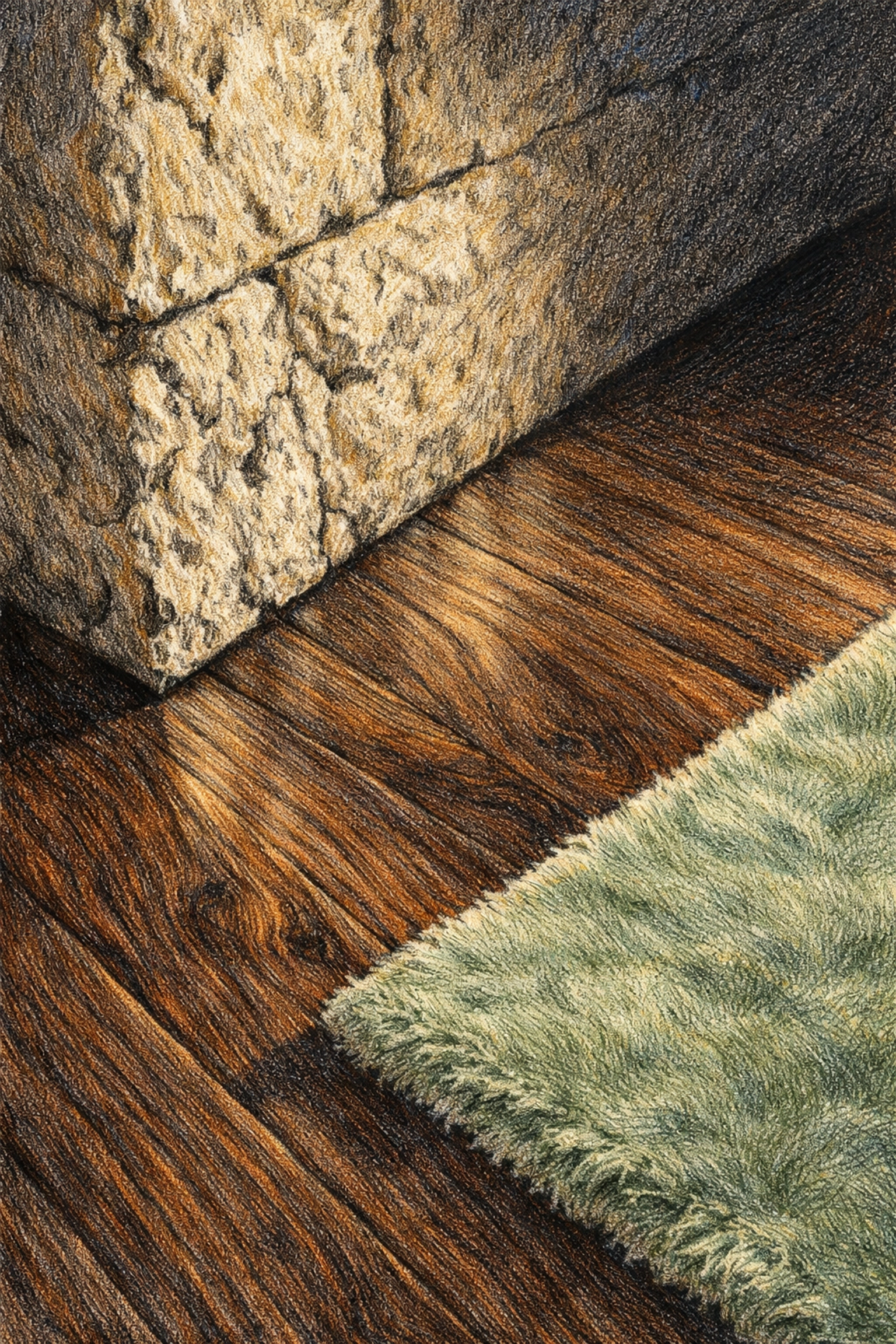
By focusing on materiality, he creates a tactile experience. When a guest touches a hand-carved wooden banister or walks barefoot across a limestone floor, they subconsciously register the quality. This is a core pillar of sustainable hotel architecture: choosing materials that age gracefully rather than things that look good for one season and end up in a landfill the next.
Secret #2: The "East Meets West" Narrative
Many designers try to blend Eastern and Western aesthetics, but it often ends up looking like a theme park. Fu’s secret is that he doesn't "decorate" with culture; he integrates it.
He takes European principles of beauty: symmetry, proportion, and classical geometry: and infuses them with Asian traditions of quality and craftsmanship. It’s not about putting a Ming vase in the corner of a modern room. It’s about the way light enters a space or the way a room is sequenced to create a sense of discovery, much like a traditional Chinese garden.
This storytelling approach ensures that a hotel in Kyoto feels like Kyoto, while a hotel in London feels like London, even if the "Fu DNA" is visible in both.
Secret #3: The Death of the "Standard" Hotel Room
If you look at Fu’s major projects, like the Waldorf Astoria Bangkok or the St. Regis Hong Kong, you’ll notice that none of the rooms feel "standard."
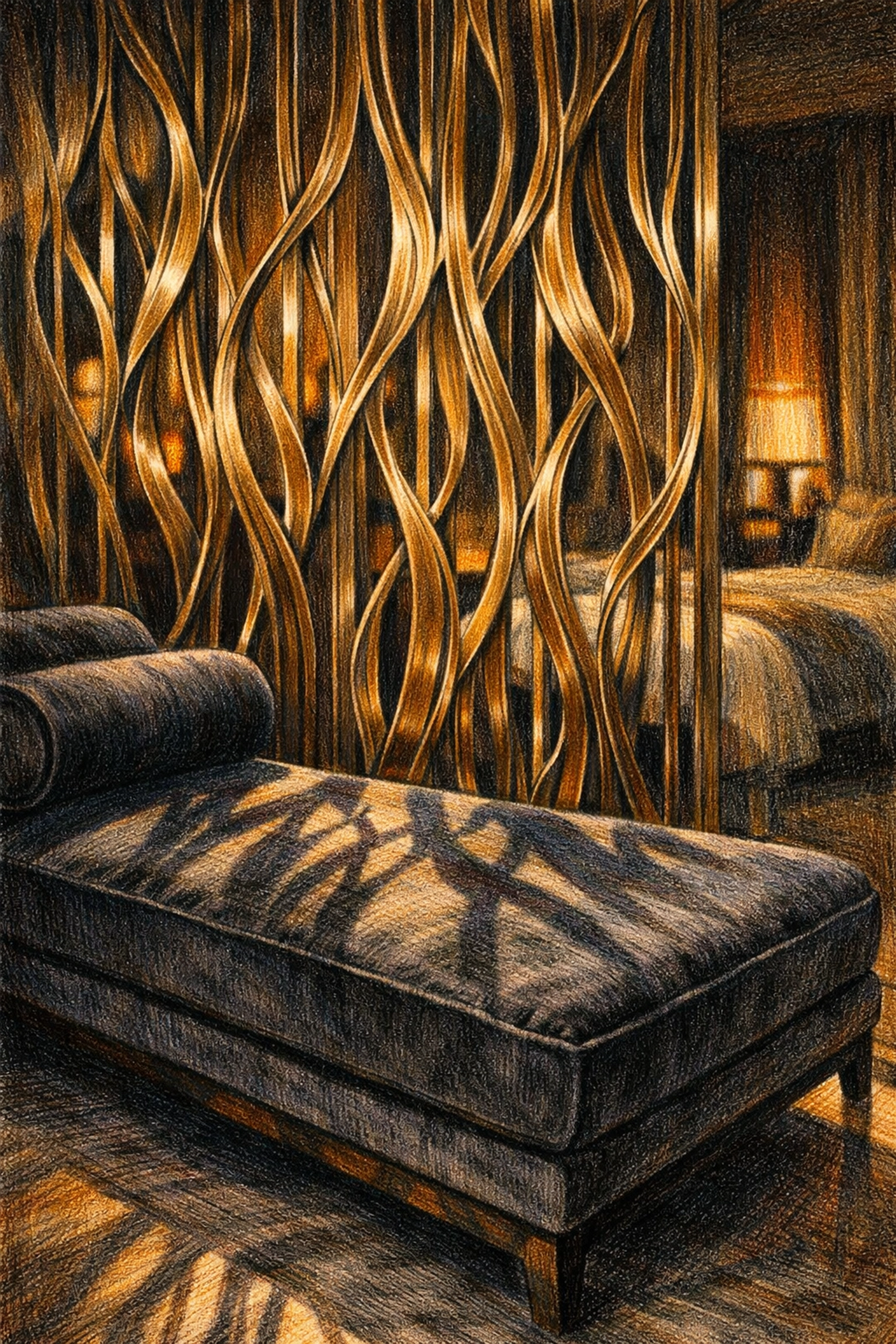
Experts often stick to templates because they are safe and cost-effective. Fu rejects this. He treats every project as a bespoke narrative. For example, at the Waldorf Astoria Bangkok, he drew inspiration from the traditional Thai dance, Khon. You won't see dancers painted on the walls, but you will see the silhouettes and the fluid movements reflected in the curves of the furniture and the bronze screens.
This level of detail is what separates a generic luxury stay from a world-class experience. In luxury hospitality design, the goal is to make the guest feel like the space was built specifically for them.
Key Projects: Where the Secrets Come to Life
To truly understand Fu's influence, we have to look at the buildings themselves.
The Upper House, Hong Kong
This is the project that started it all. Fu turned a former serviced apartment building into a "calm journey." He ditched the traditional check-in desk for a more personal, residential feel. This project alone changed the trajectory of boutique hotel interior design globally, shifting the focus toward "understated elegance."
Hotel The Mitsui Kyoto
In this project, Fu had to work within the shadows of a 300-year-old gateway. The challenge was to respect the deep history of the site while providing modern luxury. He used the concept of "Tei-Ai-In-Nyo," the relationship between the garden and the building, to ensure every room had a connection to the landscape. It is a masterclass in how sustainable hotel architecture can be synonymous with historical preservation.
Villa La Coste, Provence
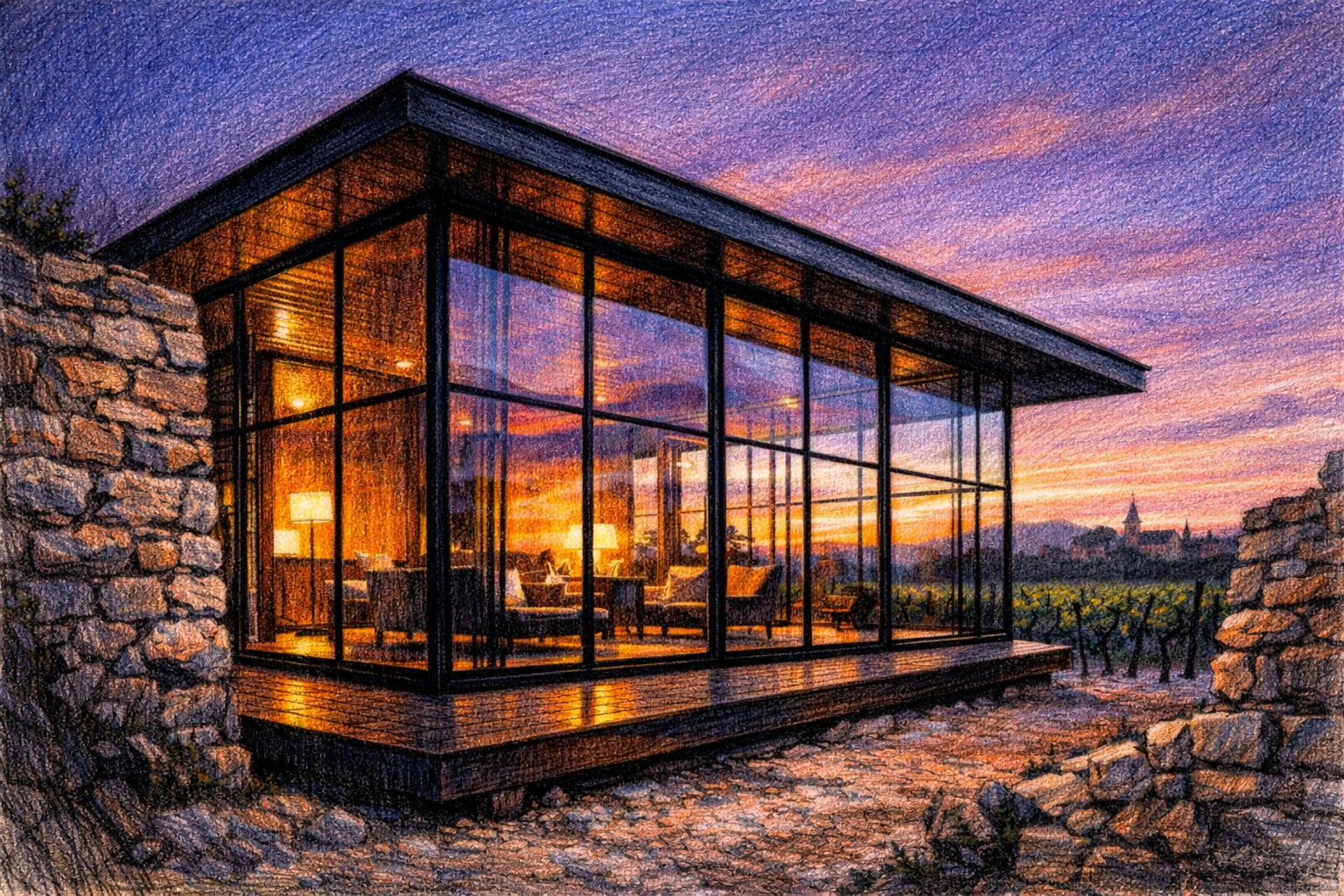
Proving he isn't just an "Asian designer," Fu took on this project in the heart of a French vineyard. Here, he leaned into the industrial aesthetic of the 1932 Maison de Verre, using glass, steel, and stone to create a space that feels both cutting-edge and deeply rooted in the Provencal earth.
Secret #4: Total Integration (The AFSO Collection)
Fu doesn't stop at the walls and floors. One of his biggest secrets is that he often designs the furniture, the lighting, and even the scents within his hotels.
Why? Because a "designer chair" from a catalog might look great, but it might not fit the specific "vibe" of the room's narrative. By creating bespoke pieces, Fu ensures that the scale, texture, and color are exactly right. This holistic approach is why his spaces feel so cohesive. Everything is talking to everything else.
The Influence on Sustainable Hotel Architecture
You might not immediately link André Fu with "green" design, but his approach is inherently sustainable.
In the hospitality industry, the most wasteful thing you can do is a "soft renovation" every five years because the trends changed. Fu’s designs are meant to last decades. By using honest materials: stone, bronze, solid oak: he creates interiors that develop a patina and get better with age.
Furthermore, his emphasis on natural light and the connection between indoor and outdoor spaces reduces the need for artificial lighting and climate control, which are major wins for sustainable hotel architecture.

What You Can Learn for Your Own Hotel Project
Whether you are looking to build a sprawling resort or a 20-room boutique hotel, André Fu’s "secrets" are incredibly practical:
- Prioritize the "Sense of Place": Don't just build a box. Research the local history, materials, and light. Make the hotel feel like it belongs exactly where it is.
- Invest in Touchpoints: Spend your budget where the guest actually touches the room. High-quality door handles, beautiful faucets, and soft rugs matter more than a giant chandelier in the lobby.
- Avoid "Themed" Design: Use subtle nods to culture through geometry and texture rather than literal decorations.
- Think Long-Term: Choose materials that will look better in ten years, not worse.
The Future of Luxury Hospitality
The era of "loud" luxury is ending. Guests today are more traveled and more design-literate than ever before. They can spot a fake "luxury" experience from a mile away.
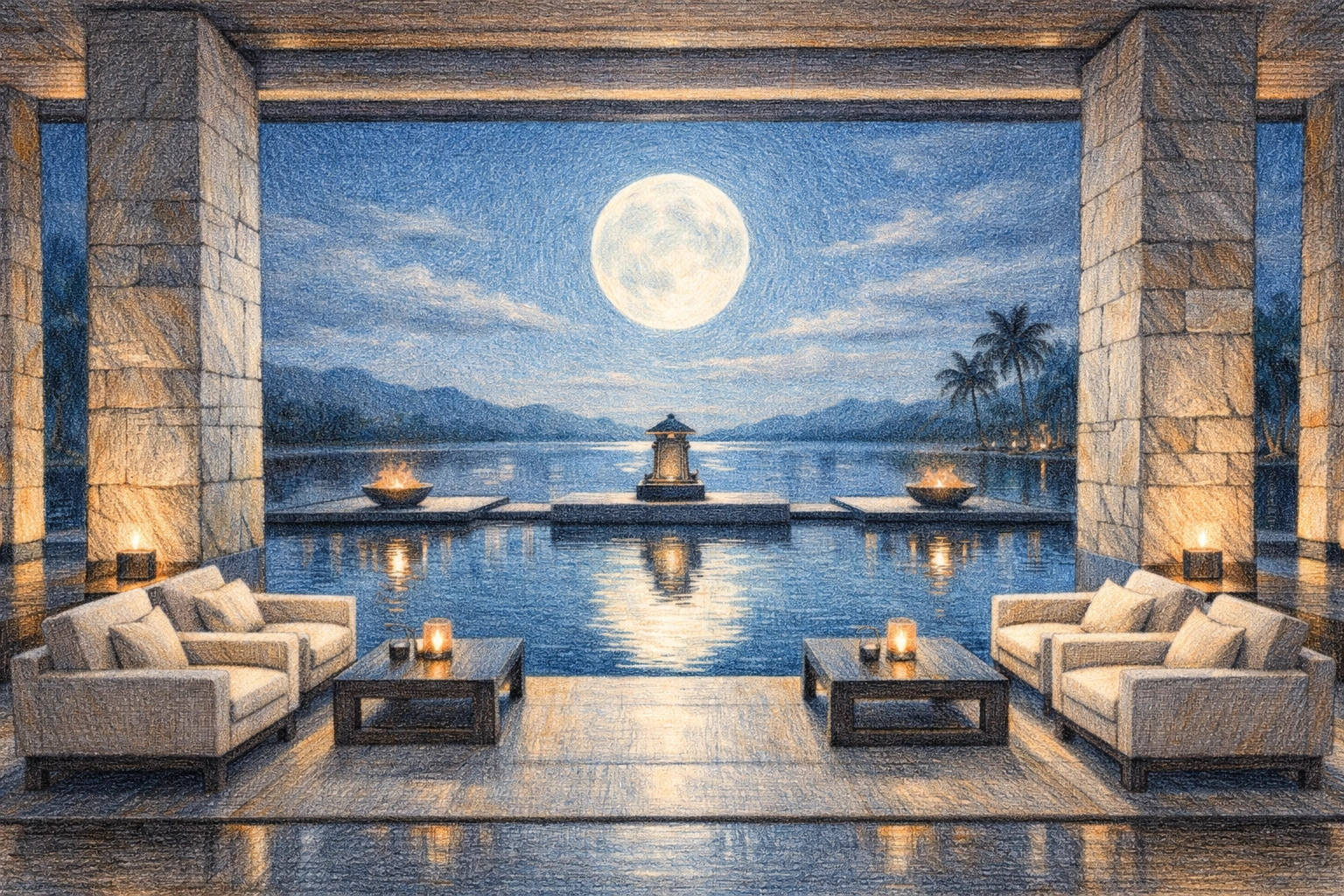
André Fu has shown us that the future of the industry lies in quietness, craftsmanship, and a deep respect for the guest's peace of mind. As we move forward, the most successful hotels will be those that follow his lead: focusing on the "spirit" of a space rather than just the square footage.
At My Hotel Design, we believe that every hotel owner can take a page out of Fu's book. You don't need a massive budget to focus on materiality and narrative. You just need a clear vision and a commitment to quality.
André Fu changed the game by proving that you can be the most influential designer in the world by speaking in a whisper rather than a shout. And that, more than anything else, is the secret the experts don't want you to know: the most powerful design is often the most subtle.
Want to dive deeper into the world of hospitality design? Check out our other features on the world's most innovative architects or contact us at My Hotel Design to see how we can bring "relaxed luxury" to your next project.