If you’ve ever walked into a hotel lobby and felt like you stepped into a movie set: one where you’re suddenly cooler, more relaxed, and surrounded by things that feel like they have a thousand stories to tell: you’ve probably experienced the work of Roman and Williams.
Founded by Robin Standefer and Stephen Alesch in 2002, this design duo has essentially rewritten the rules of boutique hotel interior design. Before they came along, "luxury" usually meant shiny marble, stiff furniture, and a vibe that felt a little too much like a museum where you weren’t allowed to touch anything.
Roman and Williams changed all that. They brought a sense of soul back to hospitality. But here’s the thing: while every design student and hotel owner tries to copy their "vibe," most of them miss the mark. Why? Because they’re looking at the furniture, not the philosophy.
As the founder of My Hotel Design, I’ve spent a lot of time deconstructing what makes a space actually work. Today, we’re peeling back the curtain on the secrets of Roman and Williams. We’re going to look at why they are the undisputed heavyweights of luxury hospitality design and how their approach to sustainable hotel architecture is about much more than just recycled paper straws.
Secret #1: They Aren’t Designers, They’re Storytellers
Before they were the darlings of the hotel world, Standefer and Alesch worked in Hollywood. They were production designers for films like Practical Magic and Zoolander. This is the "secret sauce" that many experts overlook.
In film, every prop and every color is there to tell you something about the character. Roman and Williams brought this exact mindset to hotels. When they take on a project, they don’t start with a mood board of "trendy chairs." They start with a narrative.
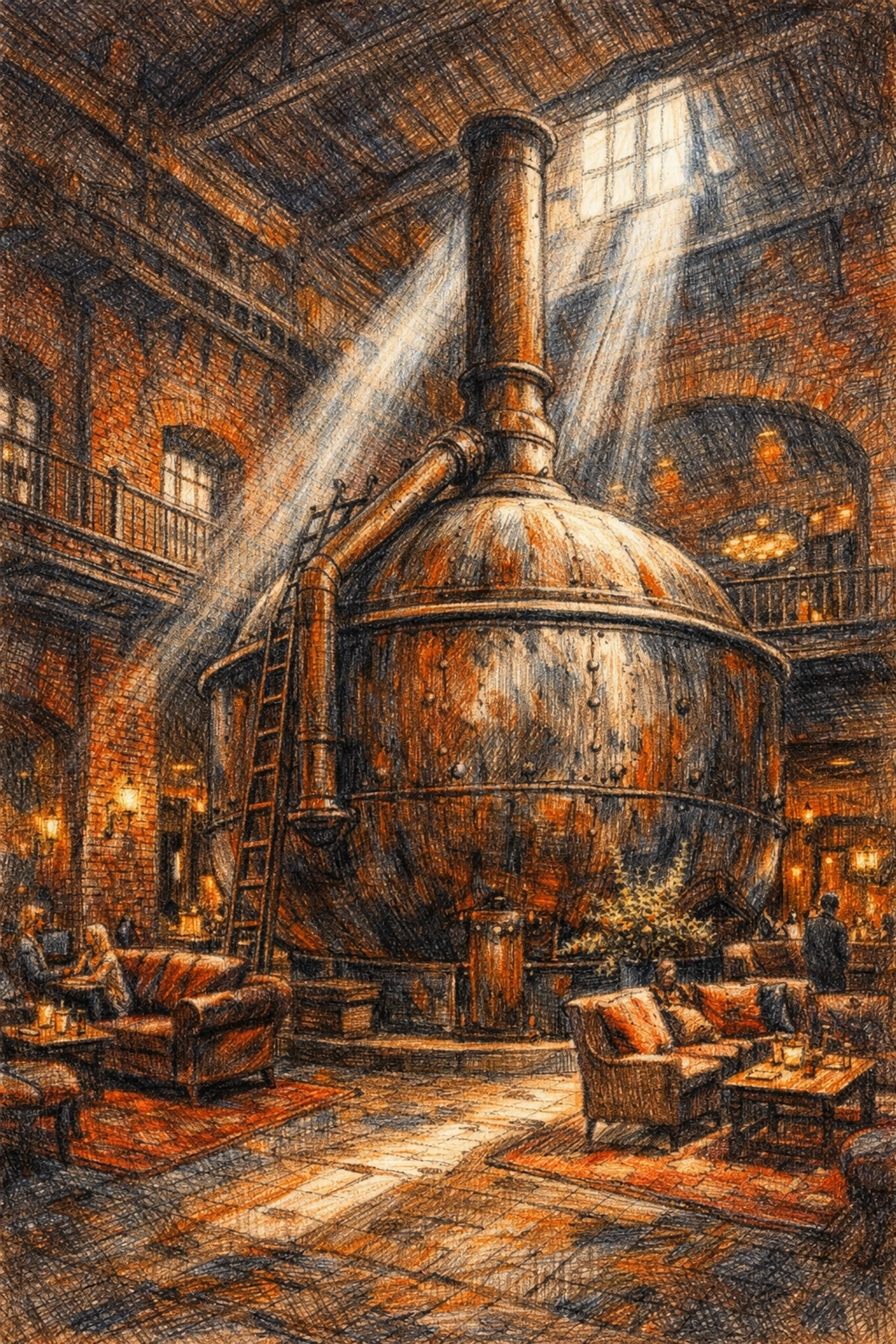
Take Hotel Emma in San Antonio, for example. This isn't just a fancy place to sleep; it’s an old 19th-century brewery turned into a luxury powerhouse. Instead of stripping away the industrial "grit" to make it look like a standard five-star hotel, they leaned into it. They researched historical trade routes and used the brewery’s original machinery as massive, sculptural centerpieces.
The "secret" here is that they design for the character of the building. If the building could talk, what would it say? That’s the question they answer.
Secret #2: The Rejection of the "New"
In the world of boutique hotel interior design, there’s a massive pressure to stay "on trend." But trends die fast. Roman and Williams have built their empire on things that age beautifully.
They have a deep obsession with materiality. We’re talking about unlacquered brass that patinas over time, hand-hewn wood, and reclaimed bricks. This is where sustainable hotel architecture gets interesting. Most people think sustainability is just about energy ratings. For Roman and Williams, it’s about longevity.
If you build a room with cheap, trendy materials, you’ll have to renovate it in five years. That’s a lot of waste. If you build it with honest materials that look better as they get older, the design can last decades. That is true sustainability. They want the space to feel like it’s been there forever, even if it opened last Tuesday.
Secret #3: The "Ace Hotel" Revolution
You can’t talk about Roman and Williams without talking about the Ace Hotel. Specifically, the Ace Hotel New York. Before this project, hotel lobbies were mostly transitional spaces: places where you checked in and then quickly left to go to your room.
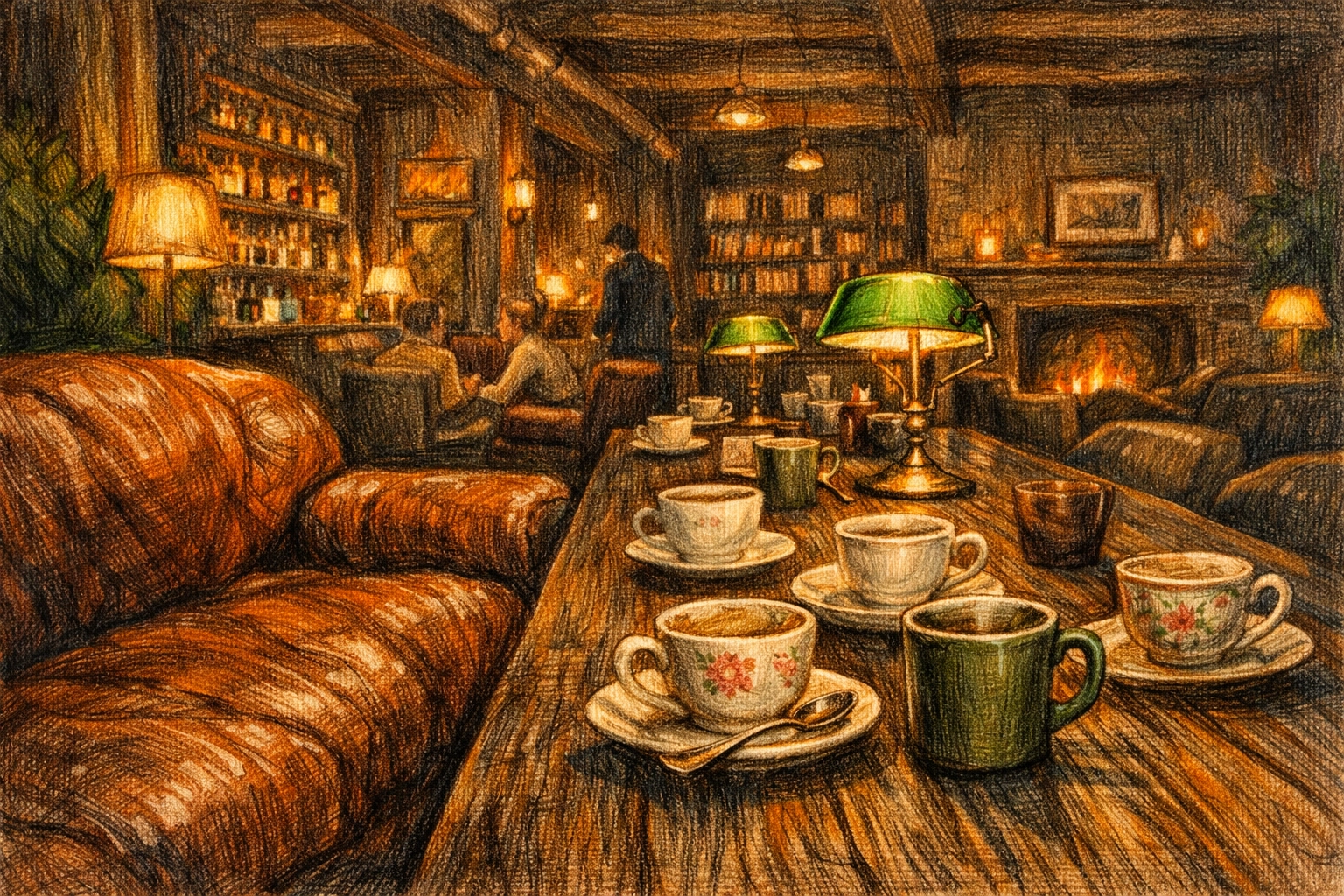
Roman and Williams turned the lobby into a "neighborhood living room." They filled it with oversized leather sofas, low lighting, and: most importantly: long communal tables with power outlets.
They invited the public in. They made it okay to sit for four hours with a laptop and a coffee without being hassled. This shifted the entire industry toward "lifestyle hospitality." Every boutique hotel you see today with a "cool" lobby owes a debt to what Roman and Williams did at the Ace. They realized that luxury isn’t about being exclusive; it’s about feeling like you belong to a specific culture.
Secret #4: High-Low Tension (The "Refined Rebellious" Look)
One of the reasons their work is so hard to copy is the "tension" they create. They love mixing things that shouldn't go together.
In their design for the Ace Hotel Brooklyn, they used what they call "primitive modernism." This means taking very humble materials: think exposed concrete and white oak: and pairing them with high-end, custom-designed furniture.
This creates a sense of "friction" that keeps the eye moving. If everything is expensive and polished, the room feels flat. If everything is rugged and industrial, it feels cold. By mixing a rebellious, "punk rock" edge with refined luxury, they create spaces that feel alive.
Secret #5: It’s All About the Atmosphere (The "Invisible" Design)
If you ask a typical expert what makes a hotel great, they’ll point to the $10,000 chandelier or the Italian marble. But Roman and Williams focus on the things you can’t see. They’ve been called "luxury’s default designers of atmosphere."
Atmosphere is the result of three things: lighting, acoustics, and scent.
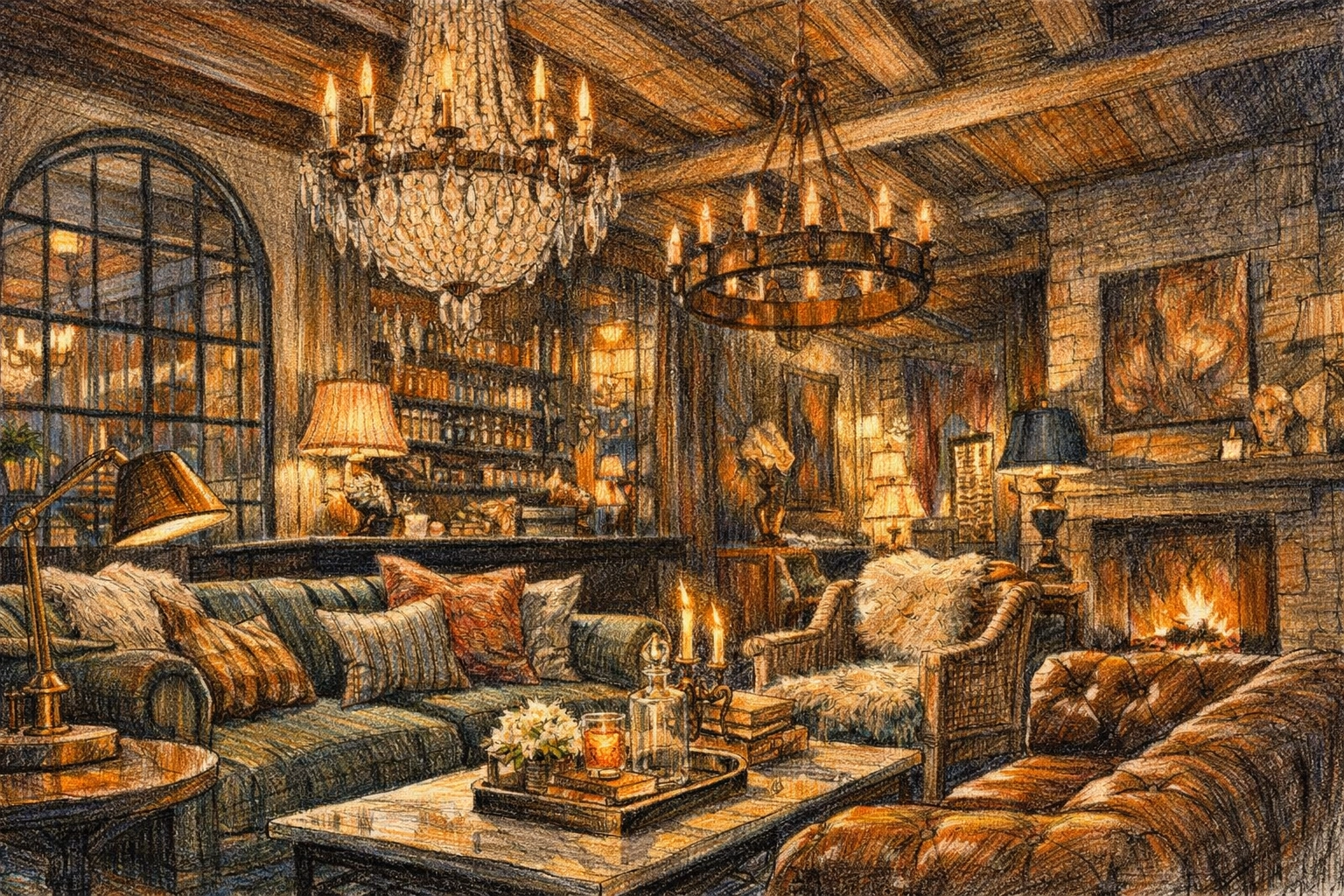
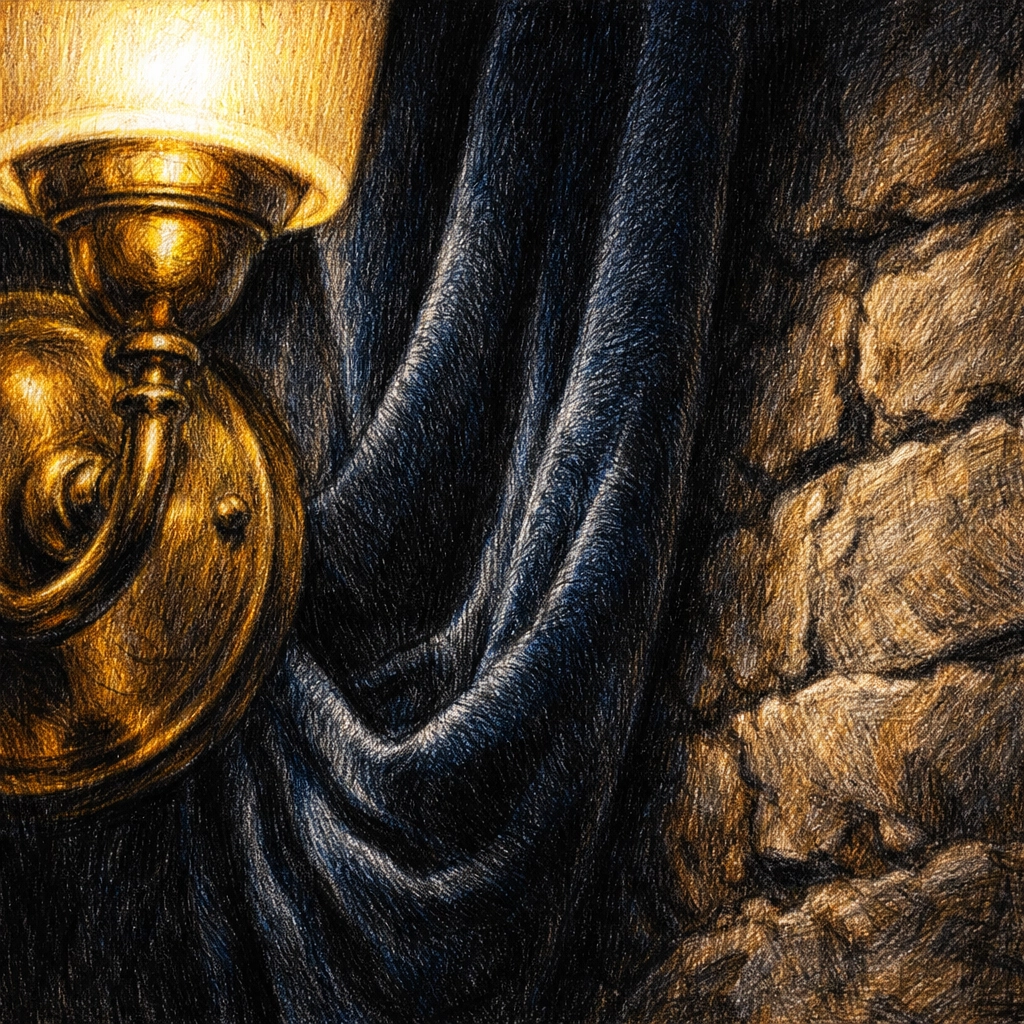
- Lighting: They almost never use harsh overhead lights. They use layers of lamps, sconces, and candles to create "pools" of light. This makes people look better and feel more intimate.
- Acoustics: They use heavy fabrics, rugs, and wood to dampen the "clack-clack" of high heels on a floor, making the space feel quiet and expensive.
- The Sensory Experience: They want you to want to touch the walls.
When you focus on the sensory experience, you’re doing more than just luxury hospitality design; you’re creating an emotional memory. People might forget what the headboard looked like, but they’ll never forget how the room made them feel.
Secret #6: The Power of the "Handmade"
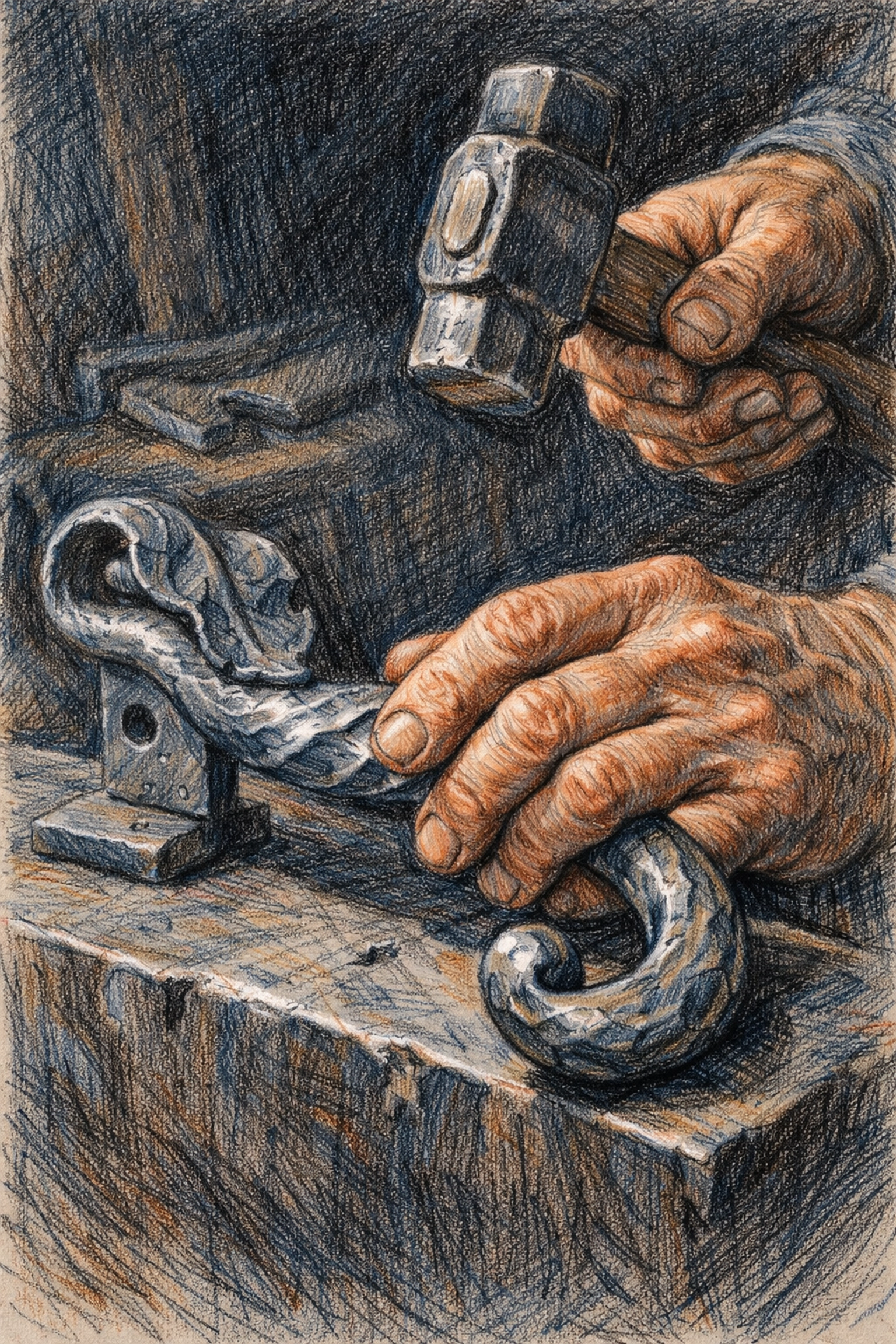
In an era of mass production, Roman and Williams go the other way. They work with master craftsmen, glassblowers, and blacksmiths. Many of the pieces in their hotels are custom-made specifically for that project.
This is a huge secret that "experts" don't want you to know: you can't get the boutique look from a catalog. True boutique design requires a level of customization that reflects the local culture. If you’re building a hotel in New Orleans, it shouldn’t have the same furniture as a hotel in Seattle.
By using handmade elements, they ensure that their designs have "soul." You can feel the human touch in a hand-forged door handle or a hand-painted tile. It’s these small details that justify the "luxury" price tag.
How to Apply These "Secrets" to Your Project
You don't need a Roman and Williams budget to use their philosophy. Whether you're a hotel owner or just a design enthusiast, here is how you can use their "secrets":
- Find the Story: Before you pick a paint color, ask yourself: What is the history of this building or this neighborhood? Let that guide your choices.
- Invest in Materials, Not Trends: Choose things that age well. Brass, wood, stone, and leather are always better than plastic or trendy "fast-furniture" finishes.
- Layer Your Lighting: Stop using the "big light." Use lamps and dimmers to create a mood.
- Embrace the Imperfect: A little bit of wear and tear: a patina on a table or a slightly uneven handmade tile: adds character. Perfection is boring; soul is interesting.
- Create Community Spaces: If you're designing a public space, think about how people actually want to use it. Do they want to work? Do they want to hide? Design for human behavior, not just for photos.
The Lasting Legacy of Roman and Williams
Roman and Williams didn’t just change the way hotels look; they changed the way we experience travel. They reminded us that a hotel isn't just a place to sleep: it’s a place to be someone else for a night.
By focusing on storytelling, authenticity, and the "human touch," they’ve set a standard for boutique hotel interior design that continues to influence designers around the world. They proved that you can be "luxurious" without being stuffy, and "sustainable" without being boring.
At My Hotel Design, we believe the best spaces are the ones that tell a story. And if there’s one thing we can learn from Roman and Williams, it’s that the best stories are the ones that feel honest, layered, and a little bit rebellious.
Want to bring some of that Roman and Williams magic to your next project? Let’s talk about how to tell your hotel’s story.