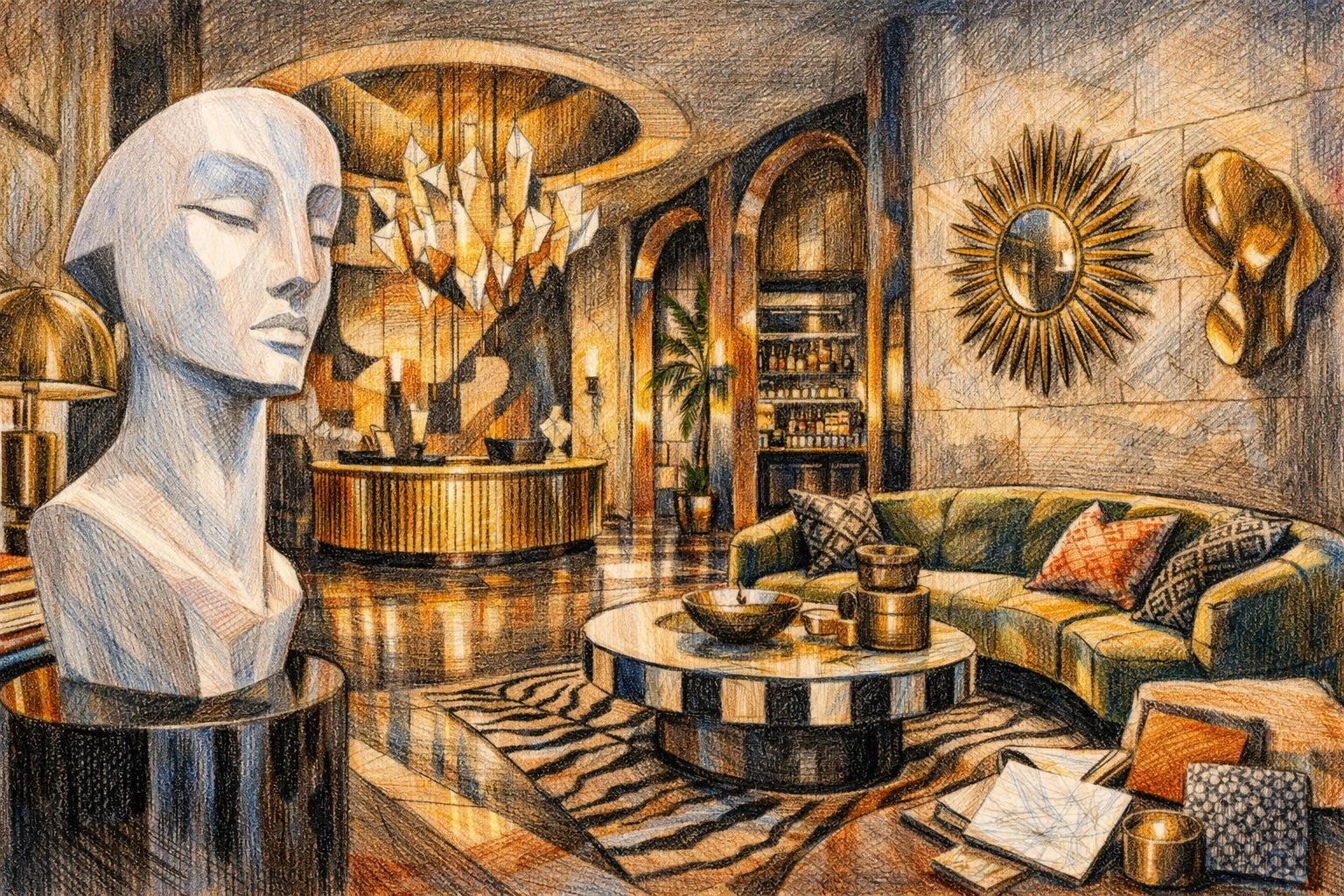
If you’ve spent any time looking at high-end hotels over the last two decades, you’ve seen Kelly Wearstler’s influence, even if you didn’t realize it. Often called the "Queen of Maximalism," Wearstler has done more than just decorate rooms; she has fundamentally shifted the DNA of luxury hospitality design.
At My Hotel Design, we’re always looking at the giants of the industry to see what works and why. Robert Rupp, our founder, always says that great design isn't just about looking pretty: it's about creating a vibe that guests never want to leave. Kelly Wearstler is the master of that "vibe."
In this guide, we’re going to do a deep dive into her career, her signature style, and the lessons every designer or hotel owner can learn from her approach to the boutique hotel experience.
The Designer Who Changed Everything
Kelly Wearstler didn't start with a massive firm. She launched her Los Angeles-based studio in 1995 as a solo practice. But it was in 1999 that everything changed. She took on the redesign of the Avalon Hotel in Beverly Hills, and the world of boutique hotel interior design was never the same.
Before the Avalon, "luxury" usually meant beige walls, heavy drapes, and a lot of mahogany. It was stiff. Wearstler brought in mid-century modern pieces, a playful palette, and a sense of "California Cool" that felt sophisticated but approachable. She proved that a hotel could have a personality: and that people would pay a premium for it.
Today, her studio employs over 50 designers and architects, and her name is a global brand. But the core of what she does remains the same: she treats every project like a unique piece of art.
The Signature Wearstler Style: "Modern Glamour"
If you try to pin Kelly Wearstler down to one style, you’re going to have a hard time. She’s famous for mixing things that shouldn't work together, but somehow do. Her work is a masterclass in "Modern Glamour."
1. Mixing Eras and Textures
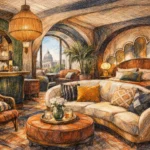
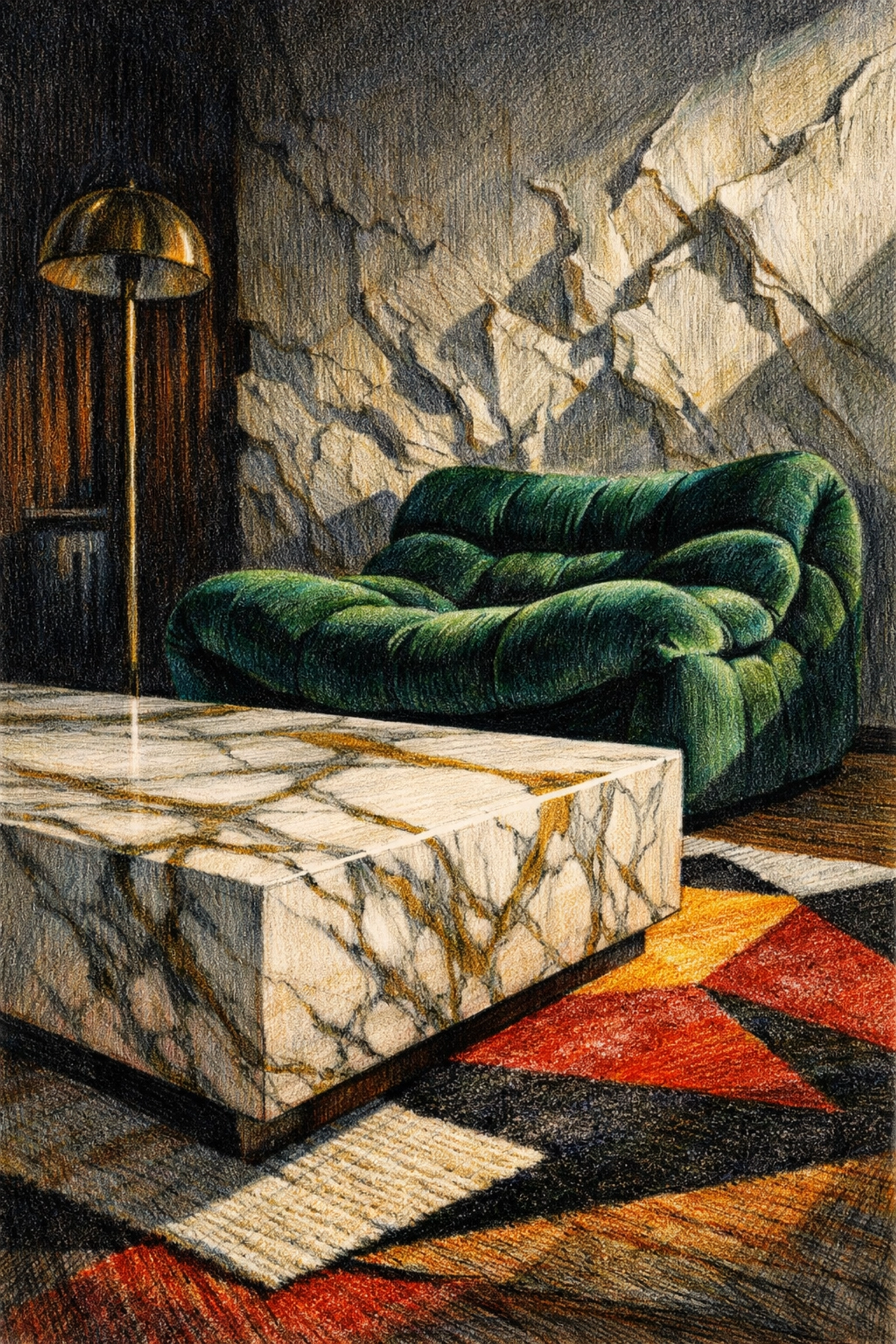
Wearstler is the master of the "mix." You’ll see a 1970s Italian sofa next to a contemporary geometric sculpture, sitting on a rug that looks like it belongs in a 1920s Parisian salon. This juxtaposition creates a space that feels curated over time, rather than bought out of a catalog.
2. Bold Materiality
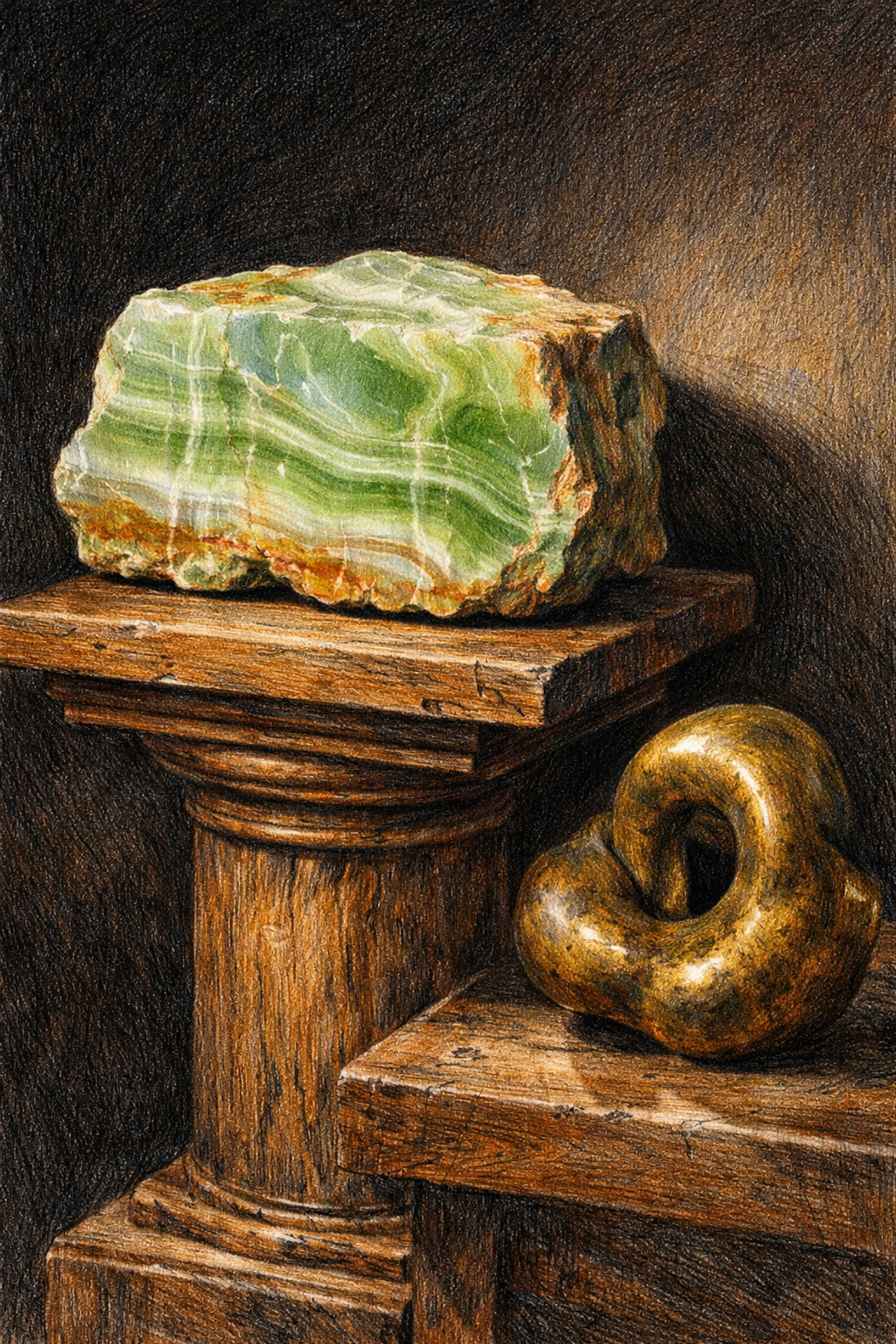
She doesn't just use marble; she uses marble with the most aggressive, beautiful veining you’ve ever seen. She loves raw woods, hammered metals, and tactile fabrics. In luxury hospitality design, the "touch" of a room is just as important as the look, and Wearstler nails this every time.
3. Intentional Maximalism
A lot of people think maximalism is just "more stuff." For Kelly, it’s about "more soul." Every piece has a reason for being there. It’s about creating a stimulating sensory experience that keeps the eye moving.
Redefining the Proper Way: The Proper Hotels
Perhaps her most significant recent contribution to the industry is her work with the Proper Hotel brand. From San Francisco to Austin and Santa Monica, these properties have become the gold standard for modern boutique hotel interior design.
Each Proper Hotel is a reflection of its city. The San Francisco Proper is moody, layered, and fits the historic flatiron building it occupies. The Santa Monica Proper, on the other hand, is breezy, sandy, and organic: a perfect nod to the coast.
What designers can learn here is the importance of context. Wearstler doesn't have a "cookie-cutter" style that she pastes onto every building. She looks at the history, the neighborhood, and the local culture before she even picks up a pencil. This respect for location is what makes her hospitality projects feel authentic rather than manufactured.
Why Sensory Experience Wins Over Aesthetics
One of the biggest takeaways from Wearstler’s philosophy is that design is emotional. When you walk into a Wearstler-designed lobby, you don't just think, "This is nice." You feel something.
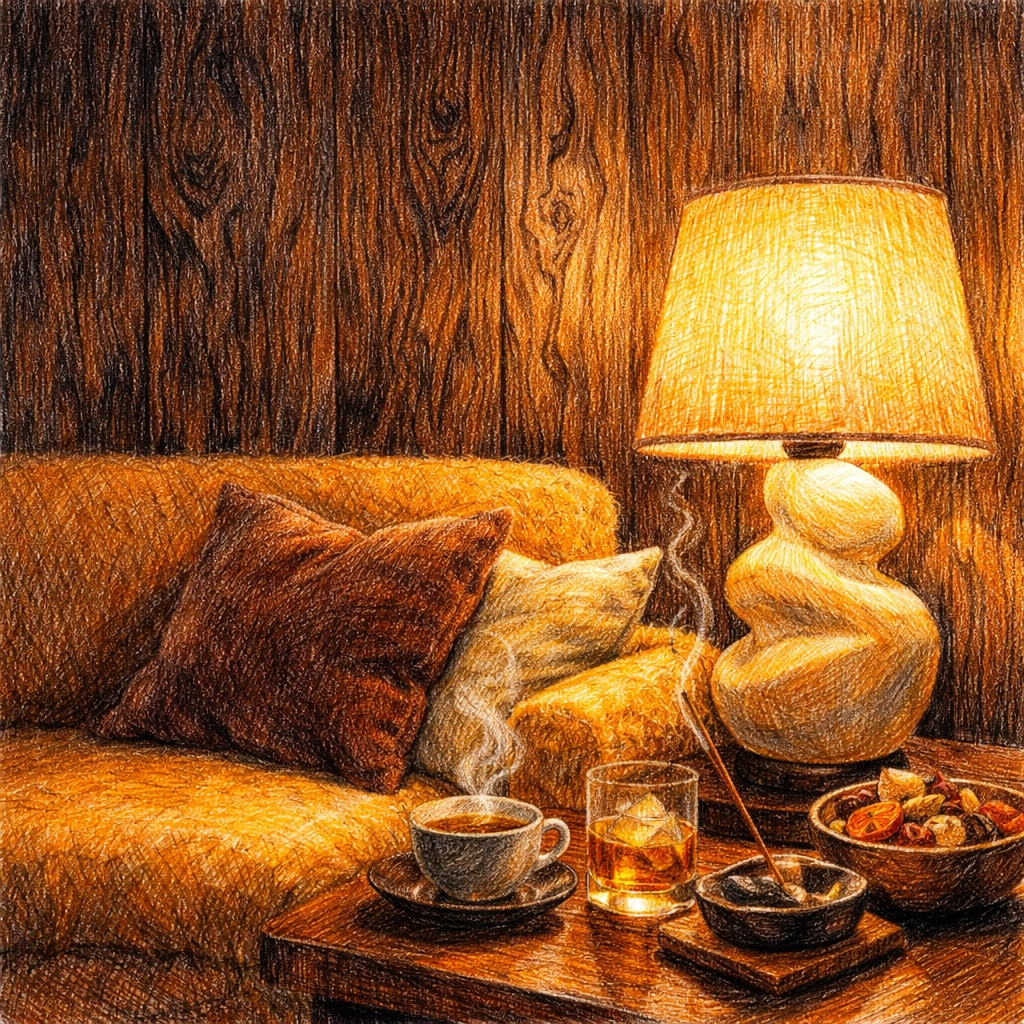
In luxury hospitality, you aren't just selling a bed; you’re selling an escape. Wearstler achieves this by engaging all the senses. She considers the lighting (always warm and layered), the acoustics (how sound bounces off those textured walls), and the "hand" of the materials.
For anyone looking to succeed in this field, the lesson is clear: stop thinking like a decorator and start thinking like a director. You are directing the guest’s experience from the moment they pull up to the valet.
Sustainability and Longevity in Luxury
When we talk about sustainable hotel architecture and design, people often think about solar panels and low-flow toilets. While those are important, Wearstler approaches sustainability through longevity and sourcing.
She is a huge proponent of using vintage furniture and antique pieces. This isn't just a style choice; it’s a sustainable practice. By repurposing high-quality items from the past, she reduces the demand for mass-produced furniture that will end up in a landfill in five years.
Furthermore, her focus on high-quality, natural materials like stone and solid wood ensures that these interiors age gracefully. A "fast fashion" approach to hotel design requires a renovation every few years. A Wearstler interior, because it’s rooted in quality and history, has a much longer lifespan.
Lessons for Aspiring Designers and Hotel Owners
If you want to achieve "Wearstler-level" success in the hospitality world, here are a few principles to live by:
- Don't Be Afraid of Color: Neutral is safe, but bold is memorable. In a world of Instagram and TikTok, "memorable" is a currency.
- Invest in Art: Wearstler treats her spaces like galleries. Incorporating custom art or unique sculptural pieces can elevate a standard room into a luxury suite.
- Creative Control is Key: One reason Kelly’s projects are so cohesive is that she often handles everything from the architecture to the uniforms and the branding. If you want a consistent guest experience, the design needs to be holistic.
- Balance the New and the Old: To keep a space from feeling like a museum, you need contemporary elements. To keep it from feeling like a showroom, you need vintage elements. Finding that balance is where the magic happens.
The Future of Luxury Hospitality Design
As we move toward 2026 and beyond, the industry is moving away from "quiet luxury" and back toward spaces that tell a story. Travelers are tired of "beige-washed" hotels that all look the same. They want personality, they want history, and they want to feel like they are somewhere special.
Kelly Wearstler paved the way for this shift. She showed the industry that you can be bold, you can be weird, and you can be incredibly successful all at once.
At My Hotel Design, we believe the next decade of hospitality will be defined by this kind of bravery. Whether you are building a 200-room luxury tower or a 10-room boutique hideaway, the goal remains the same: create a space that has a soul.
Final Thoughts
Success in luxury hospitality design isn't about following a set of rules: it's about knowing when to break them. Kelly Wearstler has spent thirty years breaking the rules, and the result is a body of work that continues to inspire and challenge us.
If you’re planning your next project, take a page out of Kelly’s book. Look at the local history, find the most beautiful stone you can afford, and don't be afraid to put a 1970s chair in a 1920s lobby.
After all, as Robert Rupp says, "If it's not making a statement, why are we doing it?"
Want to learn more about how to bring luxury design to your next project? Stay tuned to the My Hotel Design blog for more deep dives into the world’s most influential designers and architects.