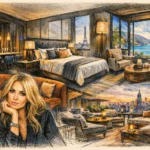
If you’ve stepped into a high-end hotel in the last decade and felt an immediate sense of calm: a kind of quiet, understated elegance that doesn't scream for attention but demands your respect: there is a very good chance you were standing in a space designed by André Fu.
At My Hotel Design, we spend a lot of time looking at how spaces affect the human experience. When it comes to luxury hospitality design, André Fu is more than just an architect; he’s a storyteller. He has spent the last twenty years redefining what "luxury" actually means, moving it away from gold-plated faucets and towards something he calls "relaxed luxury."
In this guide, we’re going deep into the world of André Fu. From his early days at Cambridge to his massive influence on boutique hotel interior design today, here is everything you need to know about the man who changed the face of modern hotels.
Who is André Fu?
Born in Hong Kong and educated in the United Kingdom, André Fu is a designer who naturally bridges two worlds. He moved to the UK at age 14 for boarding school and eventually landed at the University of Cambridge, where he earned his Master’s degree in architecture.
It was during his time in London that he worked under the legendary minimalist John Pawson. If you know Pawson’s work, you know it’s all about the purity of space and light. You can see that DNA in Fu’s work today: that same focus on form, function, and the "articulation of space."
Fu founded his studio, AFSO, in 2000. While he started in London, the pull of his roots was strong. In 2004, he returned to Hong Kong, and it wasn’t long before he landed the commission that would change his life and the industry forever.
The Breakthrough: The Upper House, Hong Kong
You can’t talk about André Fu without talking about The Upper House. Opened in 2009, this project was a massive risk for everyone involved. Swire Hotels hired Fu to design a luxury property despite the fact that he had almost no previous experience in hotel design.
The result? A masterpiece of boutique hotel interior design.
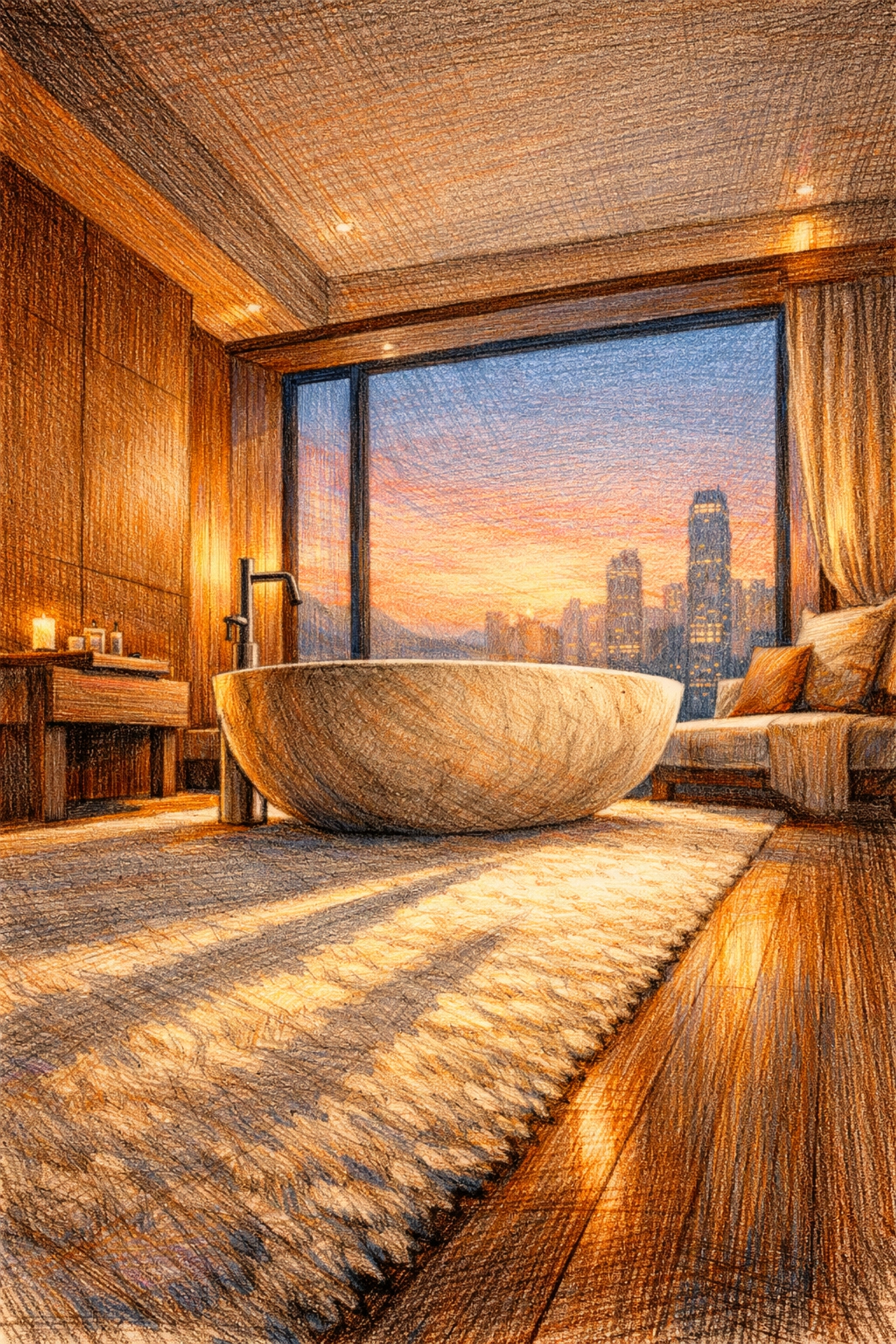
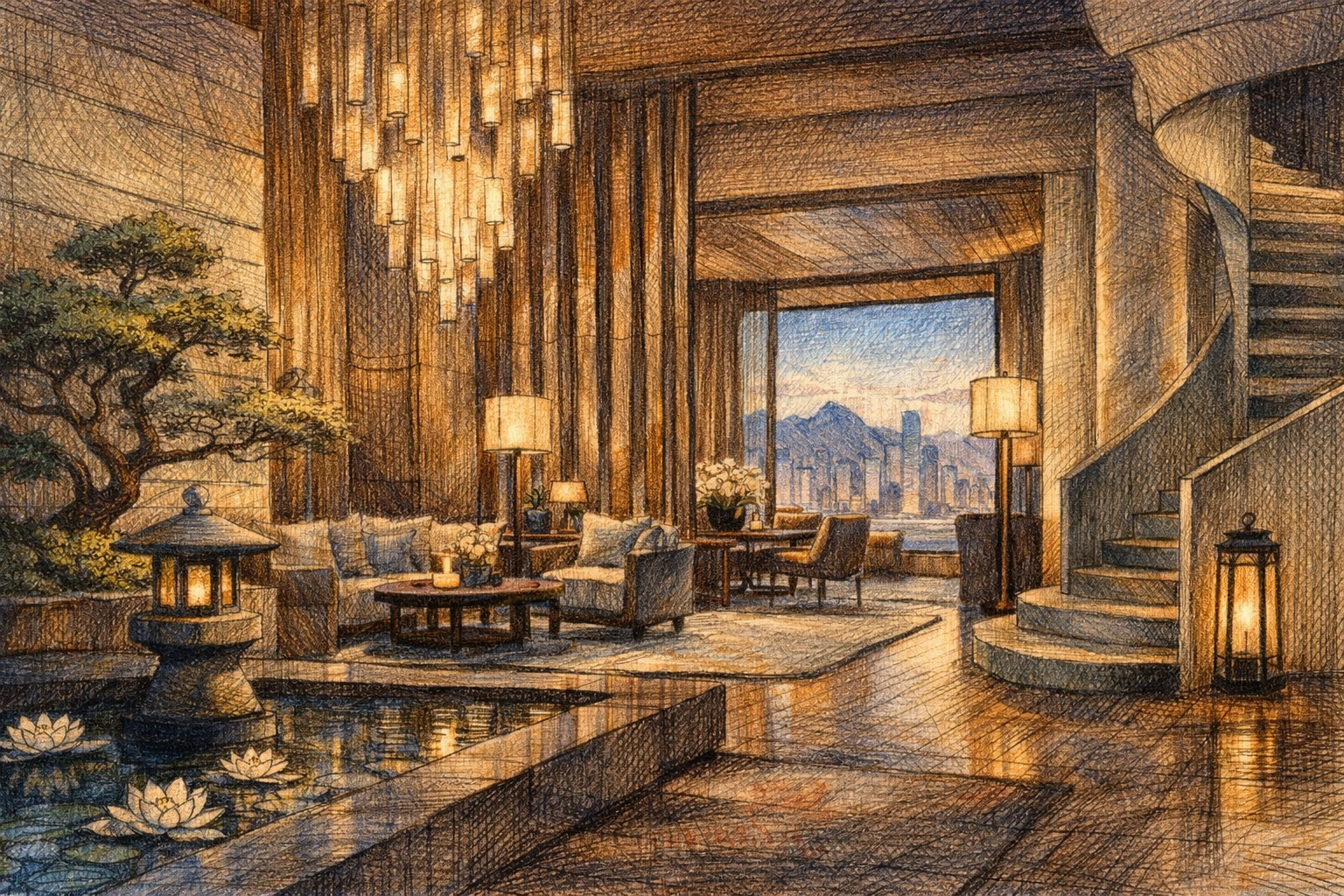
Before The Upper House, luxury hotels were often stiff and formal. Fu did something different. He created a space that felt like a very, very nice private residence. He used natural materials: wood, stone, and glass: and focused on the journey of the guest. The "upward" journey from the street level to the calm of the rooms became a metaphor for escaping the chaos of Hong Kong.
The success of The Upper House didn’t just launch Fu’s career; it changed the blueprint for luxury hospitality design globally. It proved that guests wanted intimacy and comfort over opulence and flash.
The Signature Style: "Relaxed Luxury"
So, what makes an André Fu space look like an André Fu space? It’s hard to pin down because he doesn't have a "cookie-cutter" look, but there are definitely signature elements:
1. Seamless East-West Integration
Fu doesn't do "Asian-themed" design. Instead, he takes European principles of aesthetics: proportion, light, and geometry: and infuses them with Asian sensibilities regarding craftsmanship and hospitality. It’s a subtle blend that feels global yet grounded in its location.
2. Honest Materials
In the world of sustainable hotel architecture, the use of "honest" materials is key. Fu favors materials that age gracefully: solid oak, limestone, bronze, and silk. He avoids synthetic finishes, choosing instead to let the natural textures do the talking. This approach isn't just about looks; it's about the tactile experience of the guest.
3. Sense of Place
Whether he’s working in London, Kyoto, or Provence, Fu’s designs always feel like they belong there. He spends a significant amount of time researching the local culture and history before he even starts sketching.
4. Comfort-Forward Minimalism
Minimalism can sometimes feel cold. Fu’s version is different. He calls it "comfort-forward." He wants you to feel like you can actually sit on the sofa and relax. Every light switch, every chair height, and every room layout is designed around human movement.
Iconic Projects Around the Globe
Since the success of The Upper House, Fu has been one of the most sought-after designers in the world. Here are a few standout projects that showcase his range:
Hotel The Mitsui Kyoto
This project is a masterclass in modernizing heritage. Built on the site of a 300-year-old residence, Fu managed to create a contemporary luxury hotel that honors the traditional Japanese architecture. It’s a perfect example of how luxury hospitality design can be respectful of history while providing every modern comfort.
The St. Regis Hong Kong
If The Upper House was about "home," the St. Regis is about "the mansion." Fu took the heritage of the St. Regis brand and filtered it through his own lens, creating a space that feels like a curated art gallery but maintains the warmth of a high-end club.
Villa La Coste, Provence
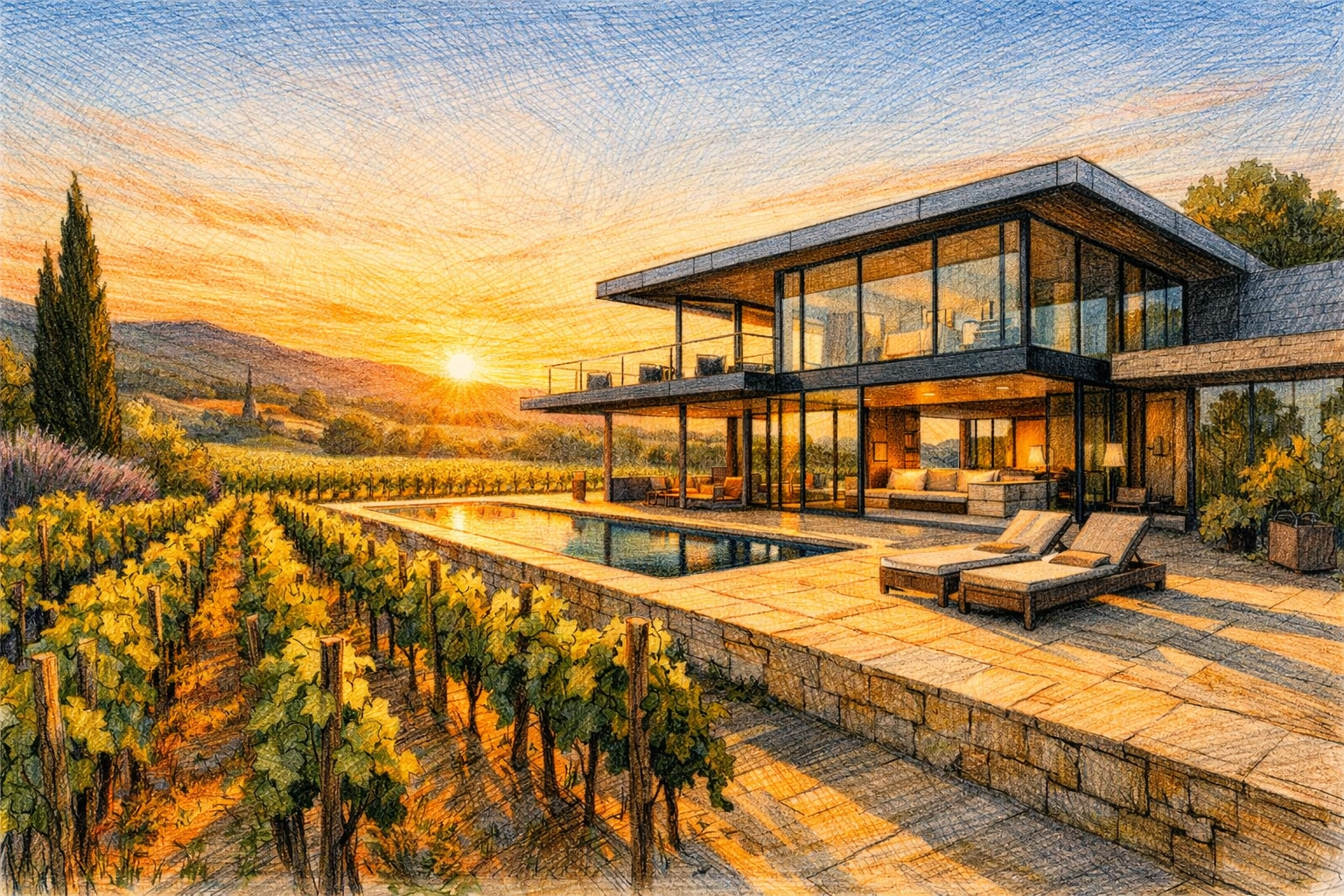
Working in the south of France, Fu brought his signature calm to a vineyard setting. The design here is incredibly light and airy, using floor-to-ceiling glass to blur the lines between the interior and the beautiful landscape outside.
London Connections: The Berkeley and Claridge’s
Fu has a deep connection to London, and it shows in his work for two of the city’s most iconic hotels. At The Berkeley, he designed the stunning Pavilion suites, and at Claridge’s, he tackled the spa and several high-end suites. In these projects, he proved he could work within the constraints of historic British architecture while still delivering something fresh and modern.
Beyond the Lobby: André Fu Living
Like many great architects, Fu eventually realized that he couldn't always find the exact furniture or lighting he wanted for his projects. In 2015, he launched André Fu Living (AFL).
AFL is a lifestyle brand that includes everything from furniture and rugs to scents and tableware. These aren't just "designer products"; they are an extension of his philosophy. He has collaborated with major names like:
- Louis Vuitton: Creating pieces for their Objets Nomades collection.
- Tai Ping Carpets: Designing intricate, hand-tufted rugs.
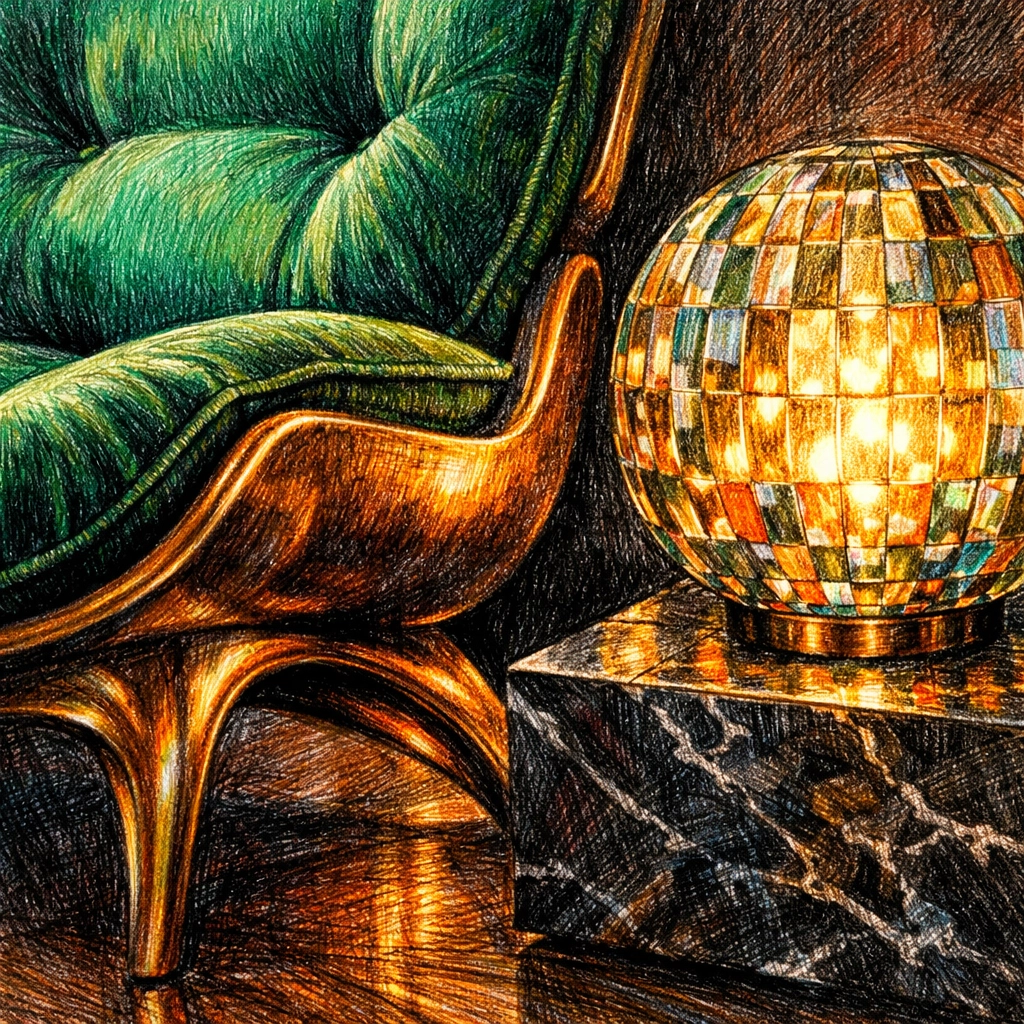
- Lasvit: Creating "Tac/Tile," a lighting series inspired by glass blocks.
By moving into product design, Fu has allowed people to bring a piece of his "relaxed luxury" into their own homes, not just their hotel rooms.
Influence on Sustainable Hotel Architecture
While Fu isn't always marketed as a "green" architect in the traditional sense, his design philosophy aligns perfectly with the principles of sustainable hotel architecture.
Sustainability in luxury design is often about longevity. By using high-quality, natural materials and avoiding "trendy" aesthetics, Fu creates spaces that don't need to be renovated every five years. His designs are timeless. In our industry, the most sustainable thing you can do is build something that lasts for decades rather than something that needs to be torn out and replaced when the next fad arrives.
Furthermore, his focus on "sense of place" encourages the use of local artisans and traditional craftsmanship, reducing the carbon footprint associated with shipping mass-produced furniture across the globe.
Why André Fu Matters to My Hotel Design
At My Hotel Design, we believe the future of the hospitality industry lies in creating emotional connections. André Fu is a master of this. He doesn’t just design rooms; he designs feelings.
For boutique hotel owners and developers, Fu’s career offers a vital lesson: luxury is no longer about being the biggest or the loudest. It’s about being the most thoughtful. Whether you’re looking at a small 20-room renovation or a massive luxury resort, the principles Fu uses: honesty in materials, a focus on comfort, and a respect for the local environment: are the keys to success in the modern market.
Final Thoughts
André Fu has managed to do something very rare: he has created a brand that is synonymous with luxury without ever being pretentious. His work at AFSO continues to push boundaries, with upcoming projects like the Capella Taipei and new ventures in Bangkok and Singapore.
As the hospitality industry continues to evolve, Fu’s influence will only grow. He has taught us that the best boutique hotel interior design isn't about what you see: it's about how you live within the space.
Whether you're an aspiring designer, a hotel owner, or just someone who loves a good stay, keeping an eye on André Fu is keeping an eye on the future of luxury. He is, quite literally, building the world we want to stay in.