If you’ve stepped into a high-end hotel in the last decade and felt a sudden sense of "quiet": not the silence of an empty room, but the peaceful hum of a space that just works: there’s a good chance you’ve experienced the influence of André Fu.
In the world of luxury hospitality design, Fu is something of a revolutionary. Before he arrived on the scene, "luxury" in hotels usually meant one thing: opulence. Think massive crystal chandeliers, heavy gold leaf, and marble floors so shiny they were a slipping hazard. It was loud, it was expensive, and it was often a bit stiff.
André Fu changed that narrative. He introduced a concept he calls "relaxed luxury." It’s a philosophy that prioritizes the guest’s comfort over the designer’s ego. Today, we’re doing a deep dive into how this Hong Kong-born architect redefined modern elegance and what boutique hotel owners can learn from his incredible body of work.
The Man Behind the Movement
André Fu didn't set out to be a "hotel designer." He trained as an architect at Cambridge University, which gave him a rigorous understanding of space and structure. When he returned to Asia, he brought a unique perspective: a blend of European aesthetic principles and an innate understanding of Asian craftsmanship and sensibility.
His style isn't just about how a room looks; it’s about how it feels. He moves away from the "themed" environments that used to dominate the industry. Instead, he focuses on boutique hotel interior design that tells a story rooted in the location’s culture, without being a caricature of it.
The Breakthrough: The Upper House, Hong Kong
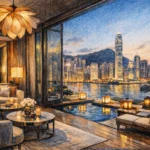
You can’t talk about André Fu without talking about The Upper House. In 2005, Fu was commissioned to design this property for Swire Hotels. The kicker? He had never designed a hotel before.
While most designers would have played it safe, Fu leaned into his architectural roots. He took a former serviced apartment building and transformed it into a sanctuary high above the frantic streets of Hong Kong.
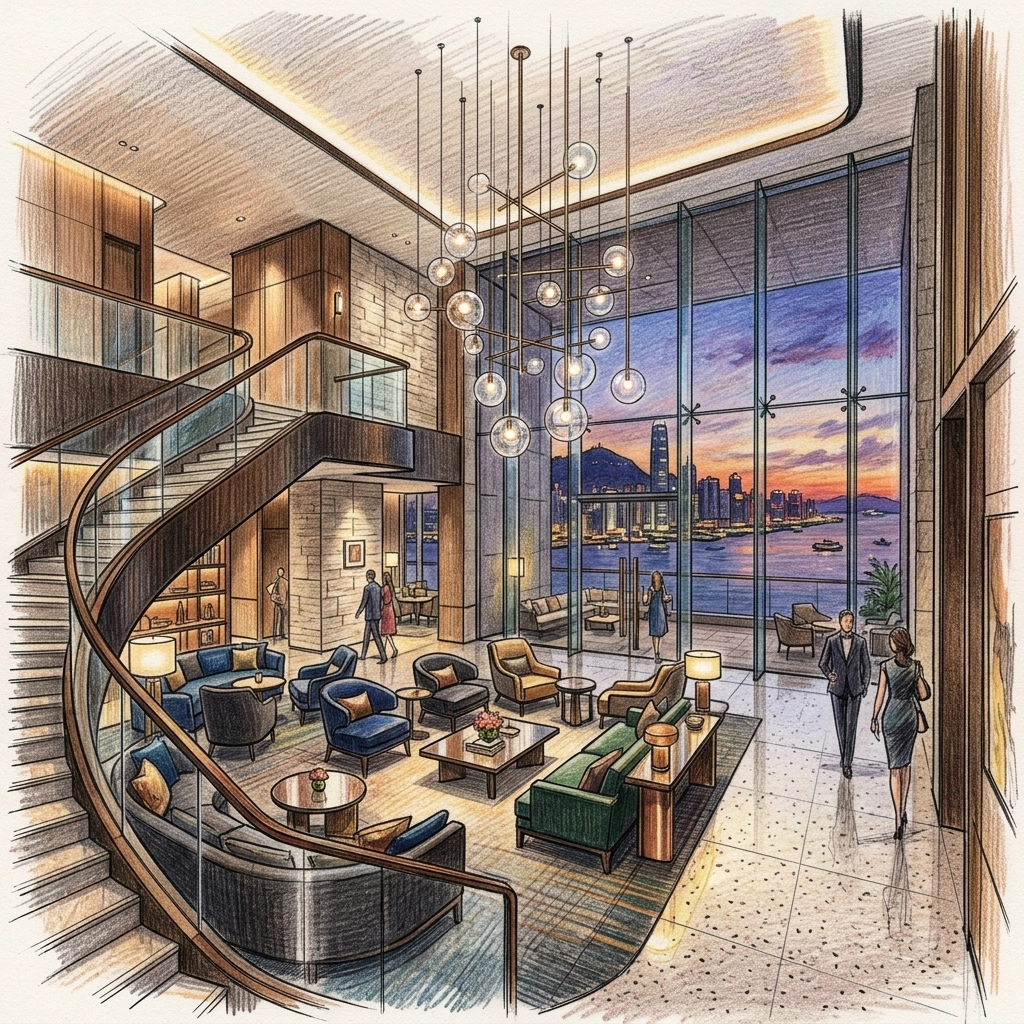
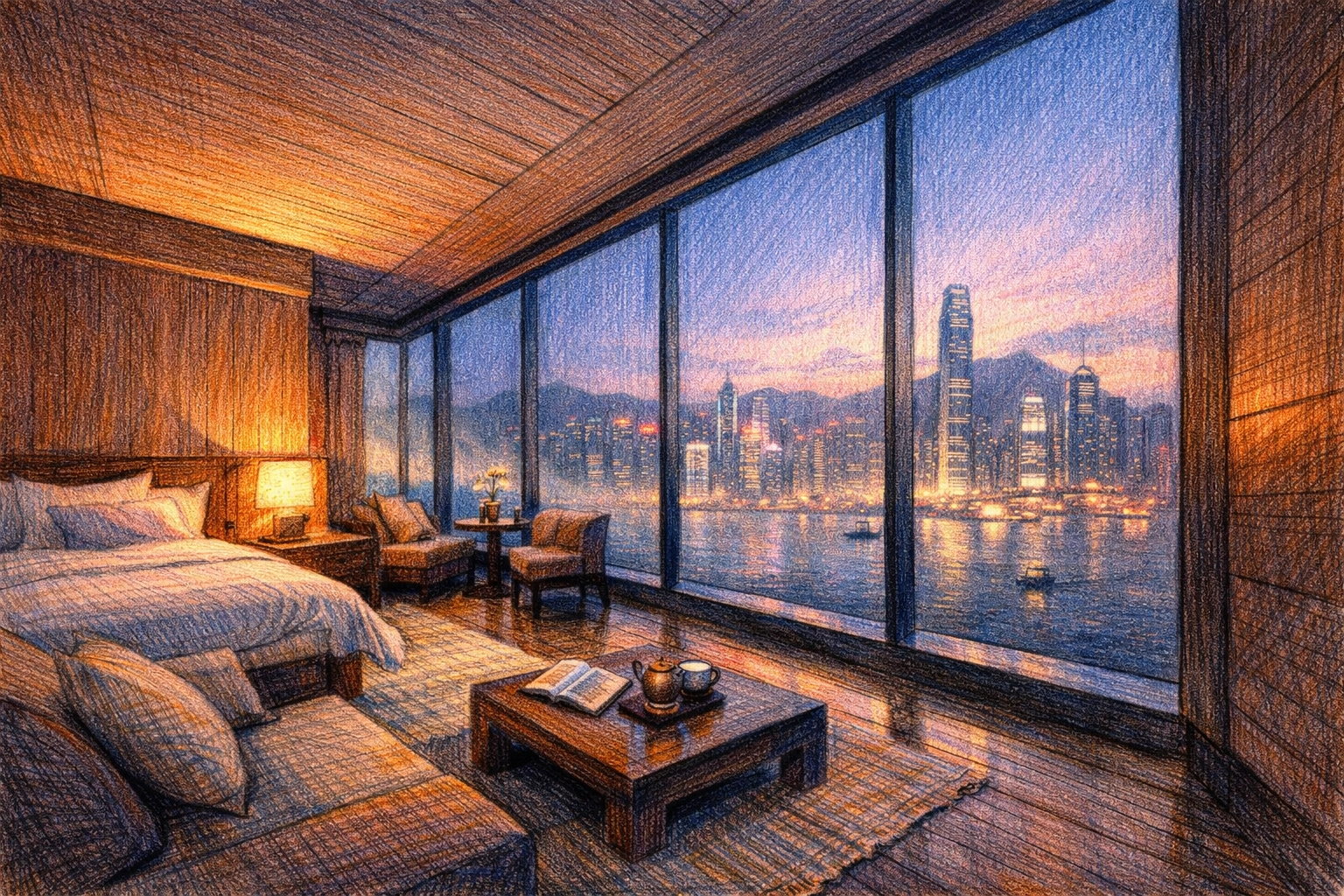
The brief was simple: "calm and comfort." Fu delivered a space that felt like a very expensive, very private residence. No massive check-in desks, no grand ballrooms: just warm wood, soft lighting, and incredible views. It was a massive hit and effectively launched the "quiet luxury" trend that we see everywhere today.
The Philosophy of "Relaxed Luxury"
So, what exactly makes an André Fu space? It comes down to a few core pillars that have influenced the entire luxury hospitality design sector.
1. Comfort Over Ornamentation
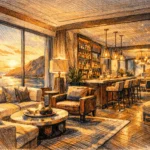
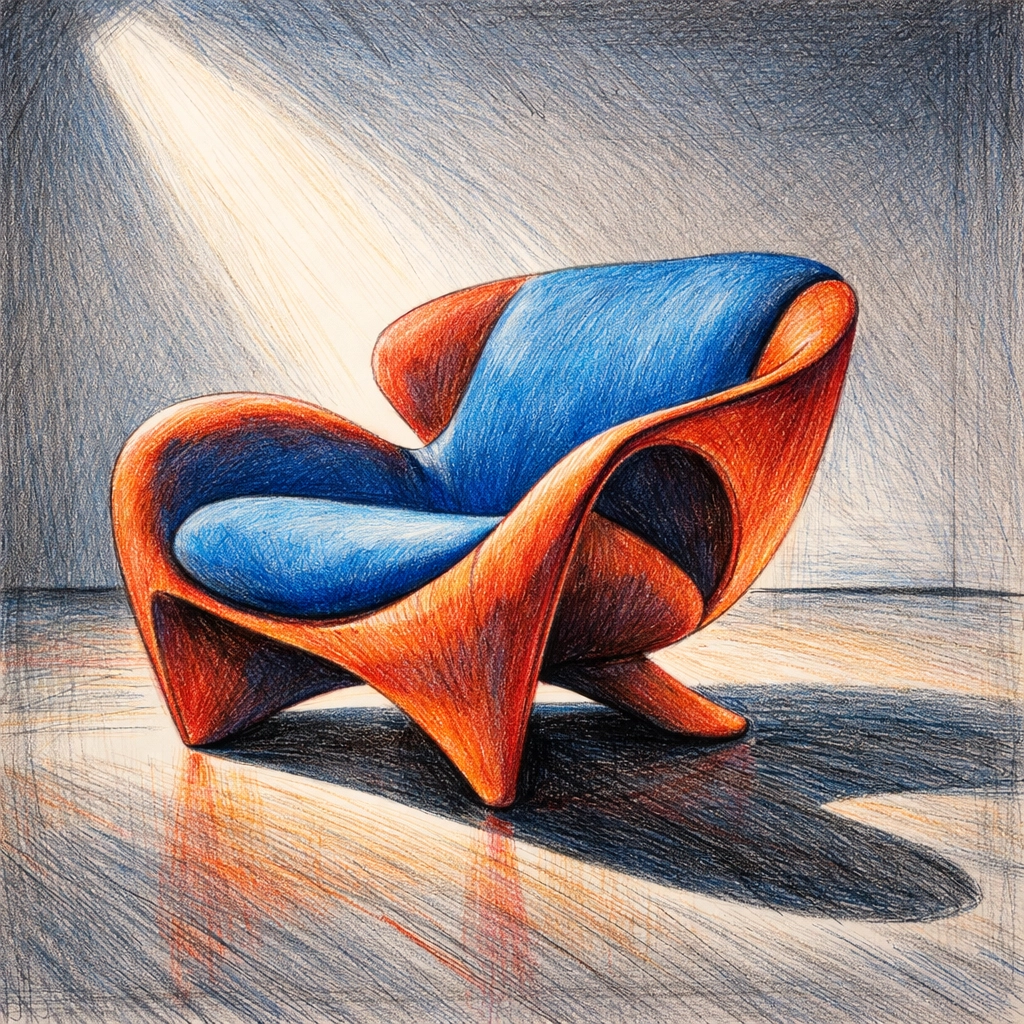
Fu famously says that hospitality design is fundamentally "about the guest." If a chair looks like a piece of art but is uncomfortable to sit in, it has failed. His designs use soft textures, ergonomic layouts, and lighting that makes everyone look good. It’s about creating a "home away from home," provided your home is exceptionally curated.
2. Material Authenticity
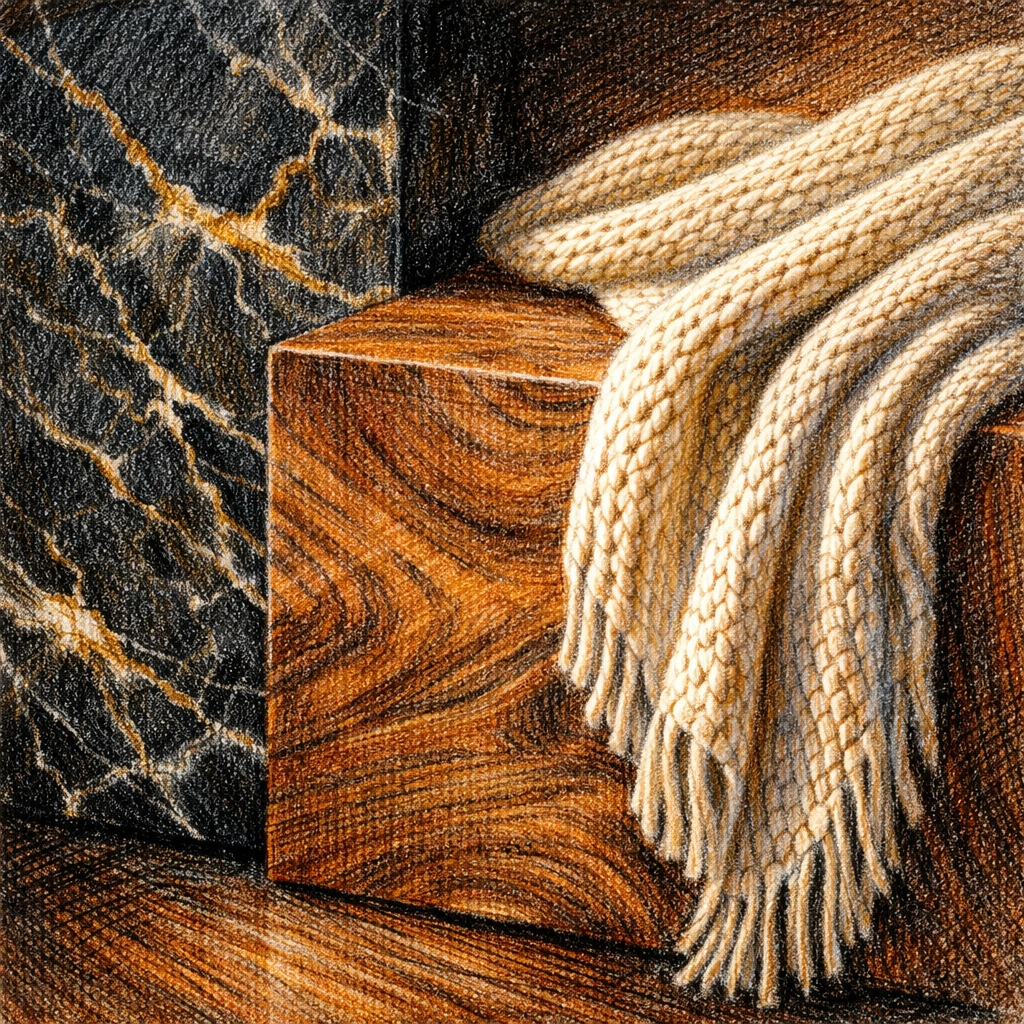
In an era of mass-produced finishes, Fu champions the real thing. He uses solid stone, hand-tufted rugs, and artisanal wood. He treats materials as the primary decoration. By focusing on the quality of the material itself, the design becomes timeless rather than trendy.
3. Cultural Bridging
Fu is a master at weaving local heritage into a modern context. For the St. Regis Hong Kong, he drew inspiration from his own childhood memories of the city, mixing the elegance of the original 1904 New York property with the grit and glamour of Hong Kong’s history. It’s not about putting a traditional statue in the lobby; it’s about capturing the spirit of a place.
Major Projects: A Global Footprint
While Hong Kong is his home base, Fu’s influence has spread across the globe. Each project serves as a masterclass in how to handle different environments.
- The Berkeley, London: Here, Fu showed he could handle the heritage of a classic British institution. He designed the "Pavilion" and various suites, bringing a fresh, light-filled elegance to a hotel that could have easily felt stuffy.
- Hotel The Mitsui Kyoto: This project is a beautiful example of how to respect history. Located on a site that belonged to the Mitsui family for centuries, Fu worked around a 300-year-old gate and a central garden, creating a bridge between the ancient and the contemporary.
- Villa La Coste, Provence: In the South of France, Fu designed a space that worked in harmony with the surrounding vineyards and world-class art installations. It proved his "relaxed luxury" works just as well in the countryside as it does in a skyscraper.
Influence on Sustainable Hotel Architecture
When we talk about sustainable hotel architecture, we often think of solar panels or gray-water systems. While those are important, André Fu contributes to sustainability through a different lens: longevity.
The most "unsustainable" thing in design is a trend that looks dated in three years, leading to a massive renovation and a landfill full of discarded furniture. Fu’s "timeless" approach ensures that his interiors remain relevant for decades. By using natural materials that age gracefully: like stone that develops a patina or wood that maintains its warmth: he creates spaces that don't need to be torn out and replaced every five years.
Furthermore, his focus on local craftsmanship supports local economies and reduces the carbon footprint associated with shipping mass-manufactured goods across the world.
André Fu Living: Beyond the Hotel Walls
In 2019, Fu launched "André Fu Living," a lifestyle brand that allows people to bring his aesthetic into their own homes. This move highlighted how the line between hospitality and residential design has blurred. People who stay in his hotels want their bedrooms to feel like a suite at The Upper House.
He has also collaborated with massive brands like Louis Vuitton for their Objets Nomades collection, proving that his eye for detail translates perfectly from a 100-room hotel to a single piece of furniture.
What Can Boutique Hoteliers Learn from André Fu?
You don’t need a multi-million dollar budget to take inspiration from Fu’s work. Whether you’re running a small bed and breakfast or a boutique city hotel, his principles are universal.
- Start with the Guest Journey: Don't design for a photo on Instagram; design for the person who is tired after a long flight. How does the room smell? Is the lighting intuitive? Can they find the light switch in the dark?
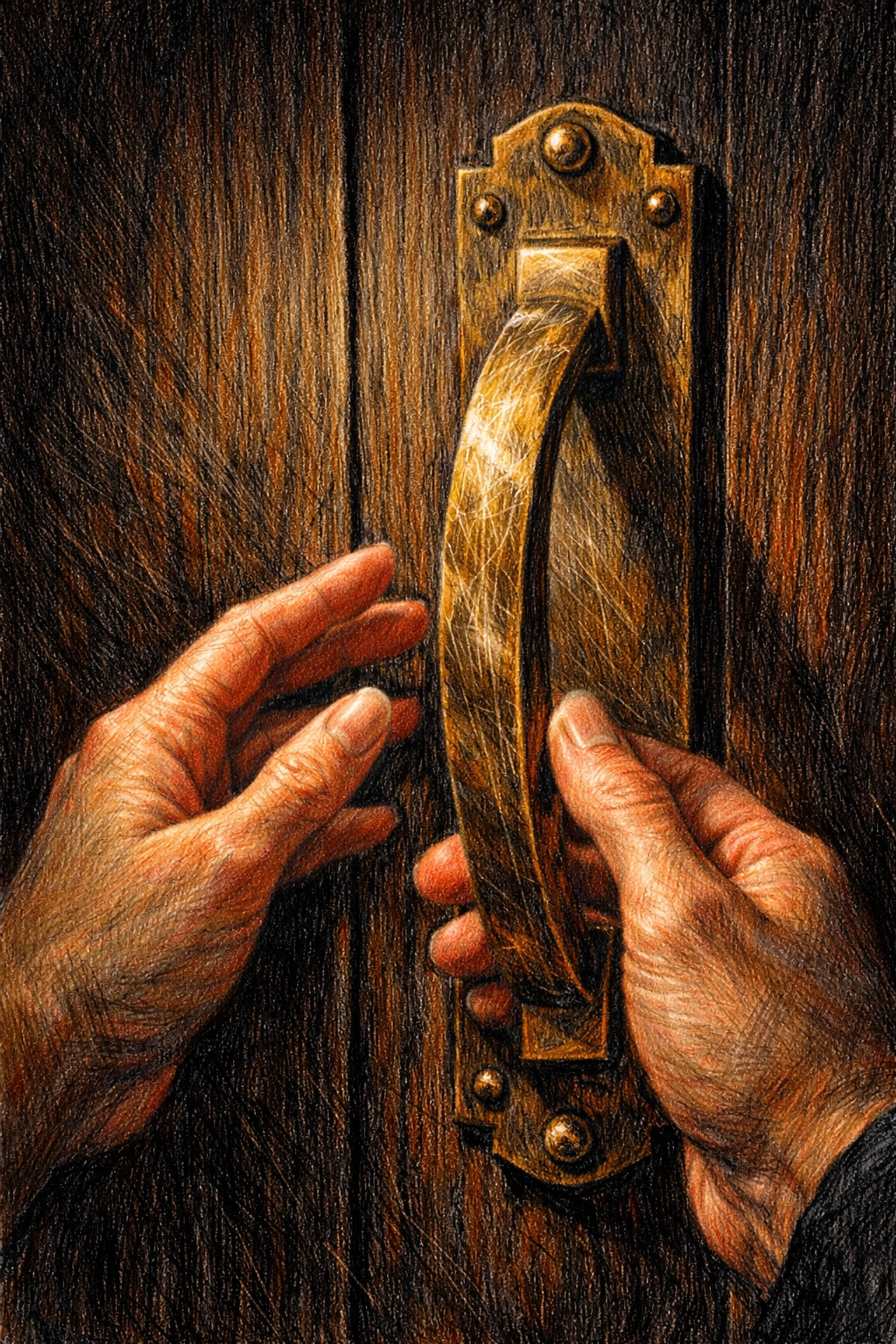
- Invest in Touchpoints: If you have to save money, don't skimp on the things guests touch. The door handles, the linens, and the bathroom fixtures should feel high-quality. These "micro-moments" define the luxury experience.
- Find Your Story: What makes your location special? Don't just buy generic art. Source something from a local maker. Tell a story that only your hotel can tell.
- Embrace Negative Space: You don't need to fill every corner. Sometimes the most luxurious thing you can provide a guest is a sense of space and breathing room.
The Future of Luxury
As we look toward the future of the hospitality industry, the "André Fu effect" is clear. The era of "bling" is over. Modern travelers are looking for authenticity, comfort, and a connection to the local culture. They want to feel like they are staying somewhere special, not just somewhere expensive.
André Fu didn't just design hotels; he designed a new way to travel. By prioritizing the human experience and blending the best of East and West, he has set a benchmark for luxury hospitality design that will be studied for generations to come.
At My Hotel Design, we’re constantly inspired by designers who push boundaries while keeping things simple. If you’re looking to redefine luxury in your own property, remember: it’s not about how much you add: it’s about the quality of what you leave in.
Want to learn more about the world's most influential designers? Stay tuned to the My Hotel Design blog for more deep dives into the people and projects shaping the hospitality industry today.