If you’ve spent any time looking at the world’s most stunning hotels over the last decade, you’ve likely seen the work of Tara Bernerd. Even if you didn't know her name, you’ve definitely felt her influence. At My Hotel Design, we’re always looking at the heavy hitters who are shaping how we think about space, and Tara is at the very top of that list.
She isn't just an interior designer; she’s an "interior architect." That distinction is important. While some designers focus on the cushions and the curtains, Bernerd starts with the bones of the building. She focuses on the flow, the layout, and how a guest actually moves through a lobby or a suite.
In this guide, we’re going to dive deep into her signature style, her most iconic projects, and why her approach to luxury hospitality design has changed the game for everyone else.
The Unconventional Path to Greatness
One of the things I love most about Tara’s story is that she didn’t take the "traditional" route. She didn't graduate from a prestigious architecture school. In fact, she studied film before pivoting into the design world. For a long time, she even struggled with imposter syndrome.
But that lack of a formal architectural background actually became her superpower. She doesn't look at a hotel as a set of blueprints; she looks at it like a movie set or a home. She thinks about the narrative.
Before starting her own firm, Tara Bernerd & Partners, she worked with the legendary Philippe Starck and John Hitchcox at YOO. That experience taught her how design can fundamentally increase the value of a building. When she eventually struck out on her own in London, she started small, one architect, one designer, and a lot of ambition. Today, she leads a team of over 60 people that she famously refers to as the "Navy Seals of Design."

The Signature Style: "Industrial Glamour"
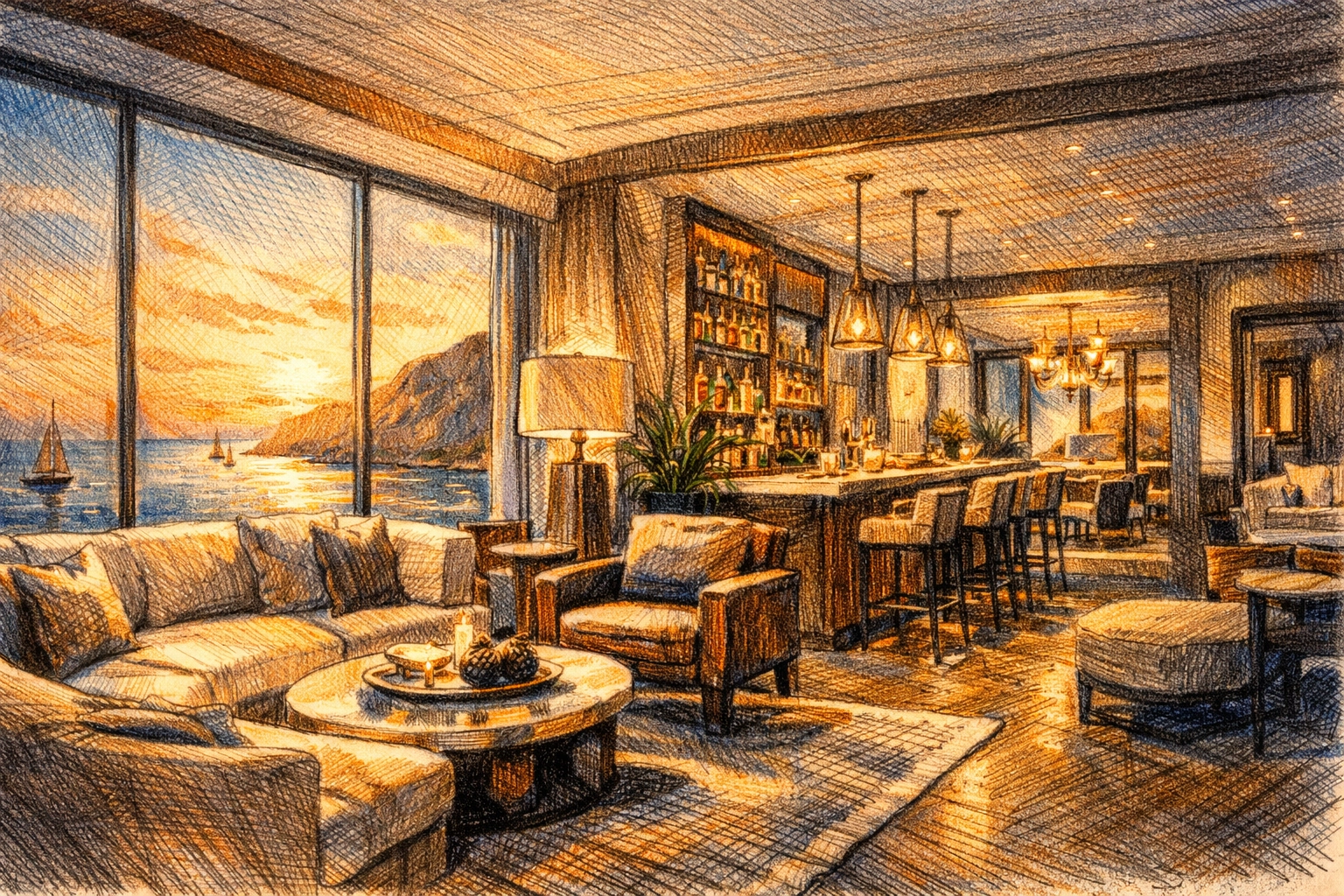
If you had to sum up a Tara Bernerd project in two words, it would probably be "Industrial Glamour." She has a way of taking hard, masculine elements, like exposed brick, steel beams, and crittall windows, and softening them with incredibly lush textures. Think cognac leathers, deep velvets, and hand-knotted rugs.
Her work avoids the "cookie-cutter" look that plagues many big hotel chains. When you walk into one of her spaces, it feels like it belongs to an incredibly cool, well-traveled person. It’s high-end, but it’s not "stiff."
Key Elements of Her Design Philosophy:
- Sense of Place: She doesn’t believe in a signature "look" that she stamps onto every city. A hotel in Munich should feel like Munich, not like a copy of a hotel in Miami.
- The "Lived-In" Feel: She wants guests to feel like they can actually sit on the sofa. It’s luxury, but it’s approachable.
- Materiality: She is a master of mixing textures. She’ll pair a cold marble floor with a warm timber ceiling to create balance.
Mastering Boutique Hotel Interior Design: The Hari
The project that really put Tara on the map was The Hari London (originally known as Belgraves). For any designer, landing a major hotel in London is a dream, but for Tara, this was the moment the world realized she was a force to be reckoned with.
The Hari redefined boutique hotel interior design in the city. It felt like a private members' club, intimate, moody, and sophisticated. It featured a library, a bar with a terrace, and rooms that felt like high-end apartments rather than standard hotel boxes.
The success of the London property led to The Hari Hong Kong in the Wan Chai district. Here, she took that same DNA, the layered textures and the cozy-yet-chic vibe, and adapted it for the vertical, bustling energy of Hong Kong. It’s a perfect example of how she maintains a brand’s soul while respecting the local culture.

Leading the Way in Sustainable Hotel Architecture and Design
As the industry moves forward, the conversation around sustainable hotel architecture has become impossible to ignore. Tara Bernerd’s approach to sustainability isn’t just about solar panels; it’s about longevity and local craftsmanship.
A prime example of this is Maroma, A Belmond Hotel, in the Riviera Maya. For this project, her team worked closely with local artisans. They used traditional Mexican materials and building techniques that have existed for centuries.
By sourcing stone, tile, and fabrics locally, the project reduced its carbon footprint while supporting the local economy. More importantly, because the design is so rooted in the environment, it’s timeless. A sustainable building is one that doesn’t need to be ripped out and renovated every five years because a trend changed. That’s the real secret to sustainable design: creating something that lasts.
Major Projects Around the Globe
To truly understand her influence, you have to look at the breadth of her portfolio. She’s worked with almost every major luxury brand, from Four Seasons to Rosewood.
1. Four Seasons Fort Lauderdale
In Florida, she moved away from the neon-and-pastels cliché of the coast. Instead, she looked to the golden age of travel. The design features midcentury-inspired furnishings and a palette that feels classic and breezy without being "beachy." It brought a new level of sophistication to the Fort Lauderdale waterfront.
2. Rosewood Munich
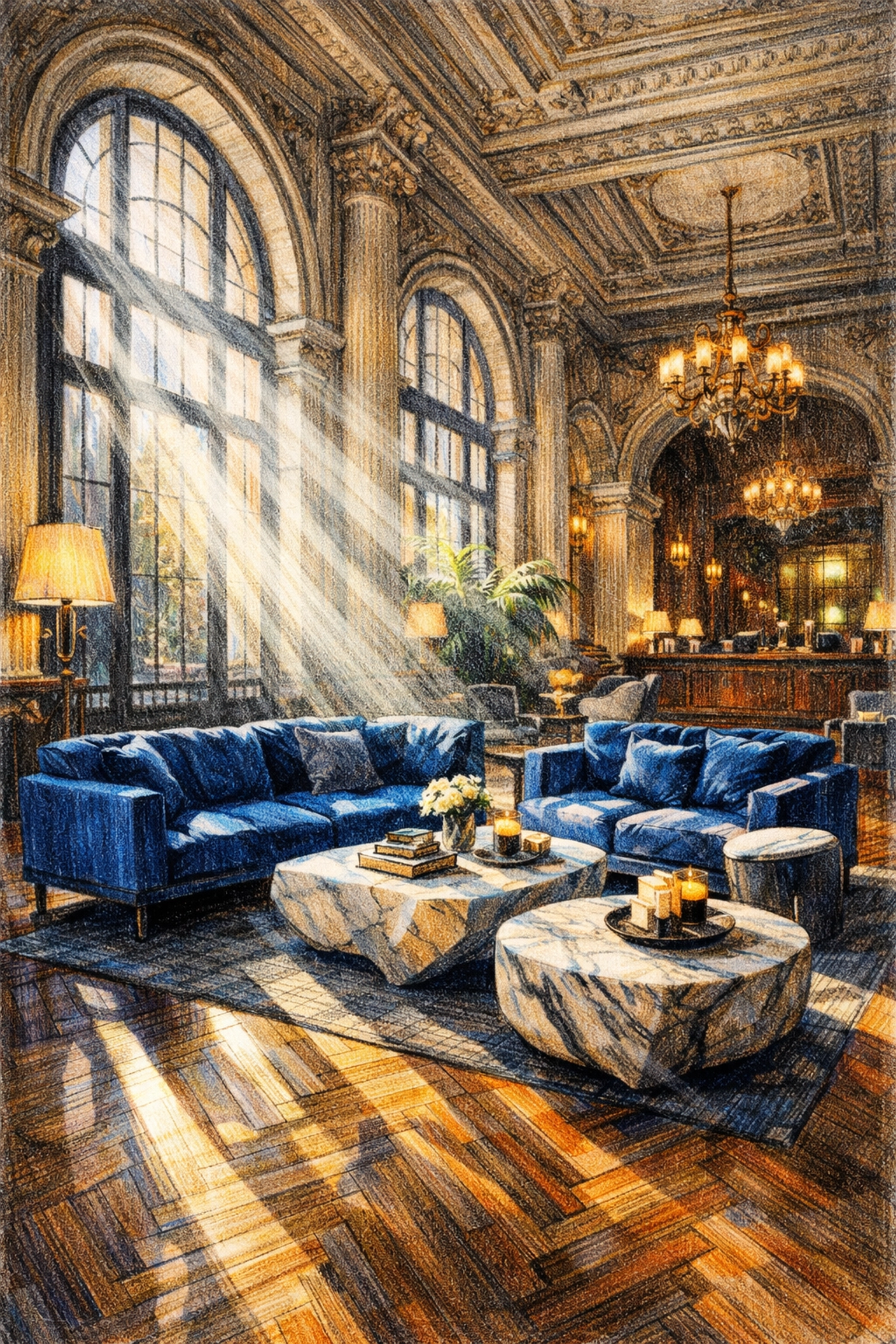
Taking over two historic buildings (a former bank and an aristocratic palace), Bernerd had to navigate strict heritage requirements. The result is a masterclass in blending Bavarian history with contemporary luxury. She used high ceilings, ornate moldings, and rich woods to create a space that feels regal but modern.
3. Thompson Chicago
Chicago is a city of architecture, and the Thompson Chicago is one of its jewels. Bernerd used the city's rugged, industrial history as inspiration. With warm woods, bold art, and deep jewel tones, she created a space that feels perfectly suited for a Chicago winter, cozy, protective, and incredibly stylish.
Why Hotel Owners Love Her
At My Hotel Design, we deal with the business side of hospitality every day. We know that design isn't just about looking pretty; it has to work for the owner and the operator.
Tara Bernerd is known for her incredible relationships with owners. She understands that a hotel is a machine that has to run efficiently. Her layouts are designed to maximize covers in a restaurant and ensure that housekeeping can move through the building effectively.
She views hotel design as a team sport. She doesn't just deliver a design and walk away. She collaborates with the architects, the landscape designers, and the operators to make sure the "soul" of the hotel stays intact from the first sketch to the day the first guest checks in.
How to Apply the "Bernerd Touch" to Your Project
If you’re looking to elevate your own property, there are a few lessons we can take from Tara’s playbook:
- Don’t Be Afraid of "Heavy" Materials: Steel and stone can be incredibly welcoming if you pair them with the right lighting and soft goods.
- Focus on the Entryway: The lobby is your handshake with the guest. It should tell the whole story of the hotel in the first ten seconds.
- Source Locally: Whether it’s art from a local gallery or stone from a nearby quarry, these elements give a hotel its "place" in the world.
- Think Like a Resident: Ask yourself, "Would I want to live here?" If the answer is yes, you’re on the right track for luxury hospitality design.

The Future of Luxury Hospitality
As we look toward the future, the trend is moving away from "flashy" luxury and toward "quiet" luxury. Guests are looking for authenticity, comfort, and a connection to the world around them.
Tara Bernerd is leading this charge. Her work at The Perigon in Miami (an oceanfront residential tower) and her upcoming projects across Europe and Asia continue to push the boundaries of what a luxury space can be. She’s proving that you can be world-class without being cold, and modern without being trendy.
Her influence on the industry is hard to overstate. She has shown us that the best hotels are the ones that tell a story: and she is, without a doubt, one of the best storytellers in the business.
Whether you are a developer, an owner, or just someone who loves great design, studying Tara Bernerd’s work is a must. She has mastered the art of creating spaces that don't just look good in a photograph, but feel good to be in. And in the world of hospitality, that’s the only thing that really matters.
Want to learn more about how to bring world-class design to your hotel project? Stay tuned to the My Hotel Design blog for more deep dives into the industry's most influential creators.