If you’ve spent any time looking at the world’s most stunning hotels over the last decade, you’ve definitely seen André Fu’s work: even if you didn’t realize it.
He is the man behind some of the most iconic spaces in modern travel, from the serene heights of The Upper House in Hong Kong to the "curated mansion" vibes of the St. Regis. In a world where luxury can sometimes feel loud or over-the-top, Fu has carved out a niche that is quiet, thoughtful, and incredibly sophisticated.
At My Hotel Design, we’re always looking at the heavy hitters to see what we can learn. Whether you’re a developer, a designer, or just a fan of beautiful spaces, understanding André Fu is essential for mastering luxury hospitality design.
Let’s dive into his story, his philosophy, and why he’s the designer everyone is talking about.
Who is André Fu?
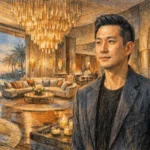
André Fu isn't just an interior designer; he’s an architect of experiences. Born in Hong Kong and educated at Cambridge University, he founded his studio, AFSO, in London back in 2000 before moving his base back to Hong Kong in 2004.
His background is the perfect mix of East and West. He spent his formative years in the UK, absorbing European sensibilities and architectural history, but he never lost touch with his Asian roots. This dual perspective is his "superpower." It allows him to create spaces that feel internationally modern but deeply rooted in local culture.
The Breakthrough: The Upper House
Every great designer has that one project that changes everything. For André Fu, it was The Upper House in Hong Kong.
Back in 2005, Fu was still relatively unknown in the hospitality world. He was mostly working on high-end residential projects. However, a residential project he did caught the eye of the Chairman of Swire Properties. The brief was simple: "calm and comfort."
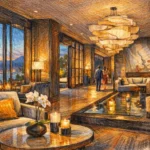
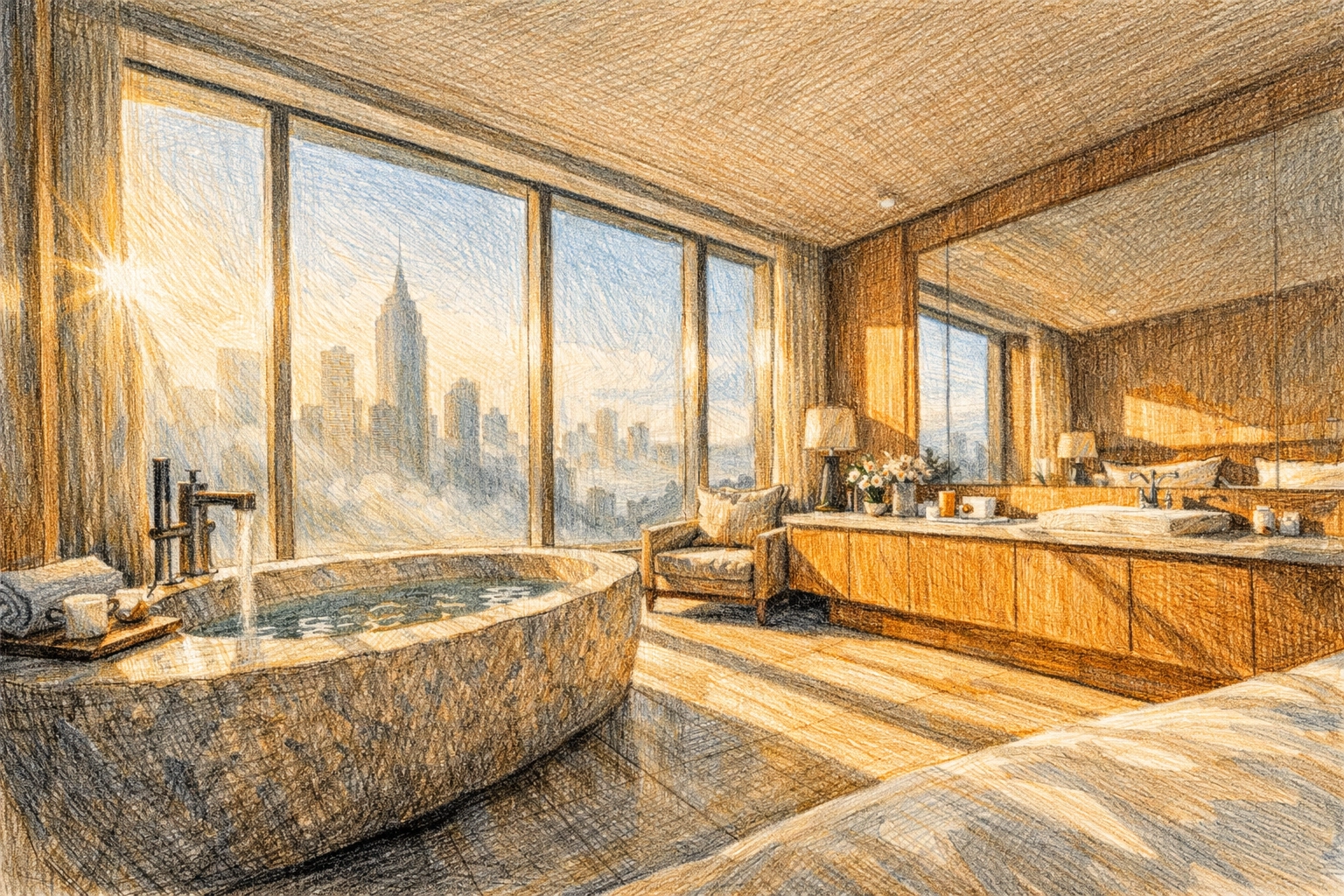
Fu took that brief and created a vertical sanctuary. Instead of a flashy lobby and gold-leafed ceilings, he focused on space, light, and natural materials. It was a masterclass in boutique hotel interior design. When it opened in 2009, it turned the industry on its head. It proved that travelers didn't want "glitz": they wanted a place that felt like a very, very nice home.
The Philosophy: "Relaxed Luxury"
So, what makes a space an "André Fu space"? It comes down to a concept he calls "relaxed luxury."
In the old days, luxury meant formality. It meant white tablecloths, heavy curtains, and a feeling that you shouldn't touch anything. Fu threw that out the window. His design philosophy is built on a few core pillars:
1. Comfort Over "Instagrammable" Gimmicks
We live in an era where everyone is designing for the camera. Fu resists this. While his spaces are undeniably beautiful, he believes that if a chair looks cool but feels terrible to sit in, the design has failed. He prioritizes the way a guest moves through a room and how they feel when they wake up in it.
2. A Bridge Between East and West
This isn't about sticking a Buddha statue in a modern room. It’s much deeper. It’s about taking the European focus on grand proportions and architectural lines and blending it with the Asian appreciation for craftsmanship, texture, and subtle storytelling.
3. Sense of Place
Fu is a big believer that a hotel in Kyoto shouldn't look like a hotel in London. He spends a massive amount of time researching the local neighborhood, the history, and the culture of a project’s location. This ensures that the luxury hospitality design feels authentic rather than "copy-paste."
Signature Projects That Defined an Era
To really understand Fu’s impact, you have to look at the portfolio. Each of these projects showcases a different side of his talent.
St. Regis Hong Kong
Designed to feel like a "curated mansion," this project was a huge deal. It was a chance for Fu to reinterpret the classic St. Regis brand through a Hong Kong lens. He combined memories of the original 1904 New York hotel with details inspired by Hong Kong's streetscape, like the gas lamps of Duddell Street.
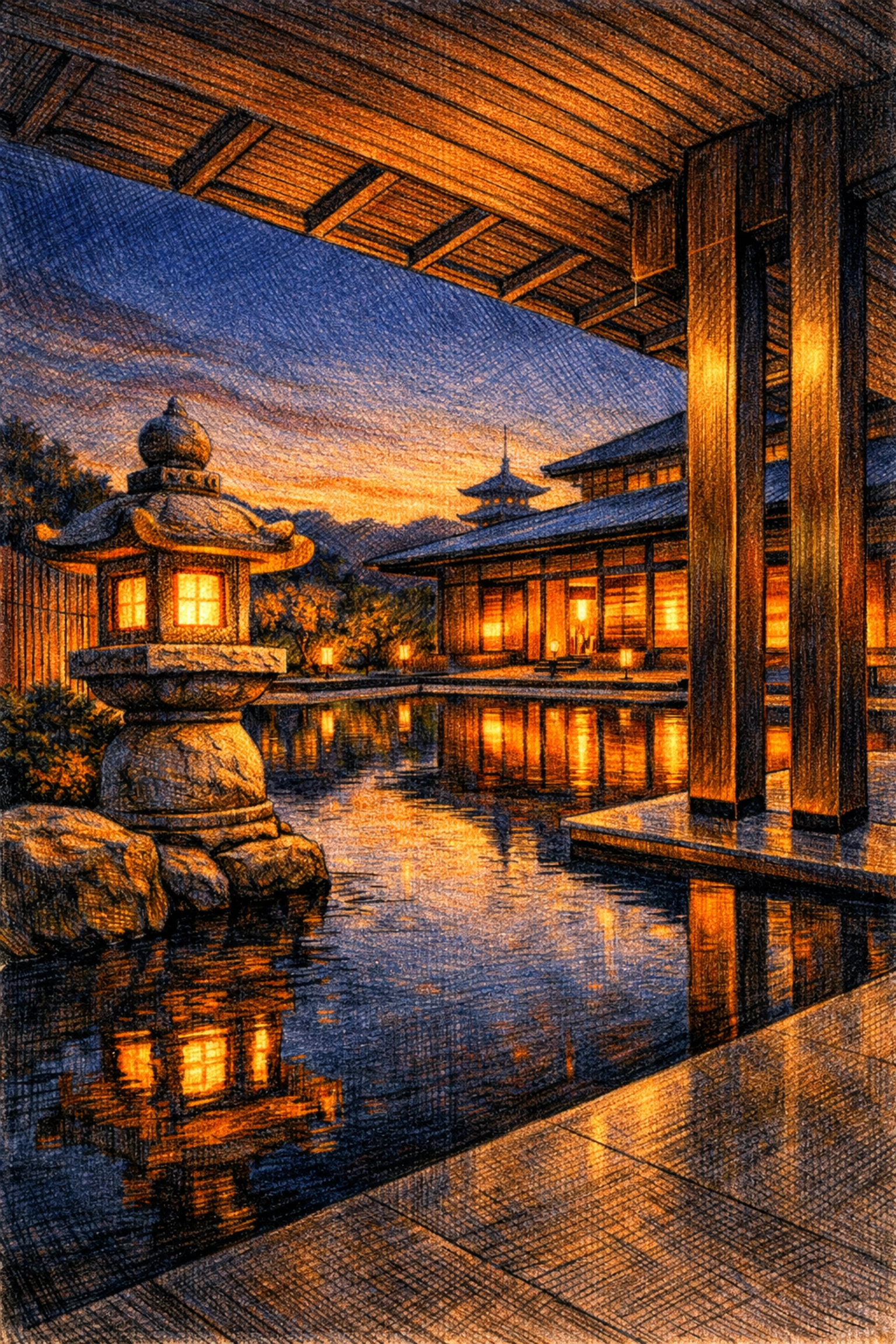
Hotel The Mitsui Kyoto
Here, Fu worked with a site that had over 250 years of history. The challenge was to respect the heritage while creating a modern luxury experience. He used traditional Japanese materials: wood, stone, and water: to create a space that feels timeless. It’s a prime example of how sustainable hotel architecture isn't just about tech; it’s about using natural, long-lasting materials that respect the environment they sit in.
Villa La Coste, Provence
Moving away from the urban bustle, this project in the south of France showed Fu’s ability to work with nature. Designing the spa, library, and restaurant, he leaned into the light and the landscape of the art-filled vineyard estate. It’s airy, minimalist, and perfectly integrated with its surroundings.
Lessons in Sustainable Hotel Architecture
When we talk about sustainable hotel architecture, we often focus on solar panels or gray-water systems. While those are important, André Fu teaches us about a different kind of sustainability: emotional and material longevity.
Fu’s designs aren't trendy. They don't go out of style in three years. By using high-quality natural materials: think solid eucalyptus wood, bronze, and hand-tufted carpets: he creates interiors that age gracefully.
Designing a hotel that doesn't need a total renovation every five years is one of the most sustainable things a designer can do. It reduces waste and ensures the building remains a valuable part of the community for decades.
Beyond the Walls: André Fu Living
Fu didn’t stop at architecture and interiors. He realized that people wanted to bring his "relaxed luxury" vibe into their own homes. This led to the creation of André Fu Living.
He has collaborated with some of the biggest names in the world:
- Louis Vuitton: Designing for their Objets Nomades collection.
- Lasvit: Creating intricate, modern lighting fixtures.
- Tai Ping: Designing high-end carpets that feel like art for the floor.
His lifestyle brand includes everything from scents and candles to furniture and tableware. It’s a holistic approach to design. He’s not just giving you a room; he’s giving you a lifestyle.
Why Boutique Hotel Interior Design is Changing
Because of designers like Fu, the world of boutique hotel interior design has shifted. We are seeing a move away from the "look at me" design of the early 2000s and toward something much more thoughtful.
Here is what modern designers can learn from his success:
- Listen to the building: Don't fight the architecture; work with it.
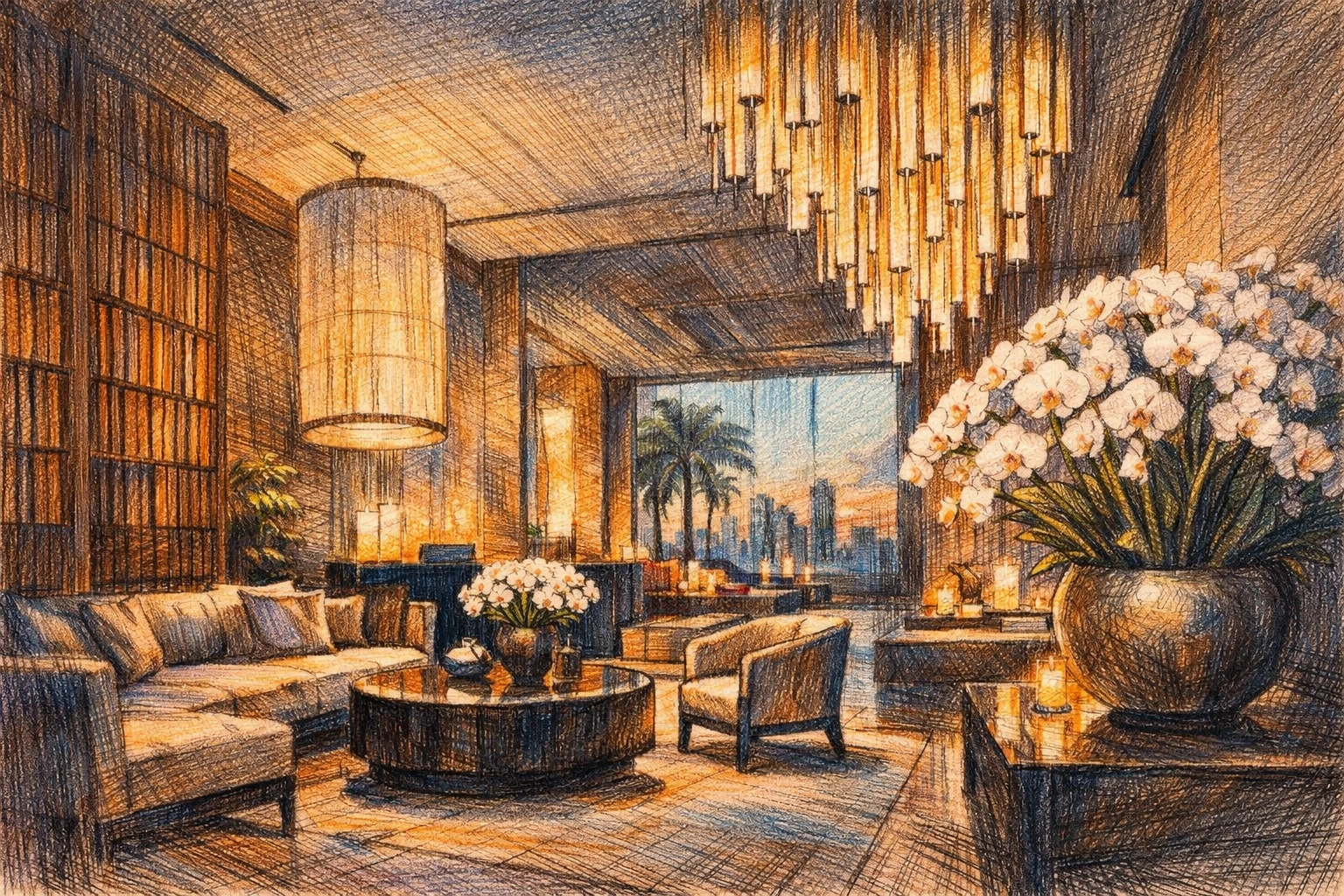
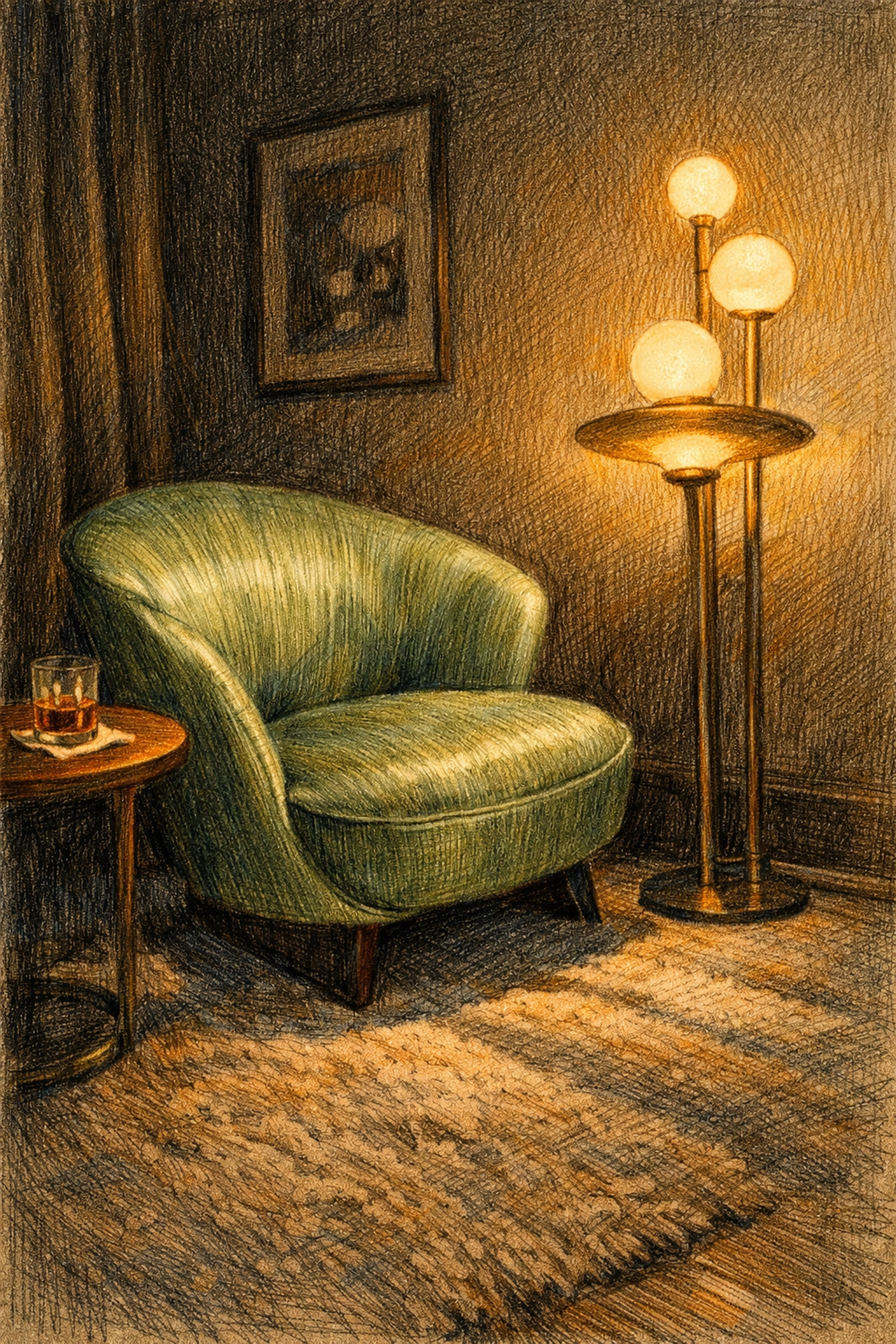
- Layer the lighting: Fu is a master of lighting. He rarely uses harsh overhead lights, opting instead for layers of warm, ambient glow that make guests look and feel better.
- Focus on the tactile: In a digital world, the way a silk-covered wall or a cool marble countertop feels is a luxury in itself.
- Tell a story: Every hotel should have a narrative. Is it a hidden sanctuary? A vibrant urban hub? A historic treasure? Every design choice should serve that story.
How to Apply the "Fu Touch" to Your Next Project
You don't need a massive budget to learn from André Fu. Whether you’re working on a small bed and breakfast or a large-scale resort, his principles apply.
- Start with the guest journey: Walk through the space in your mind. Where do they put their keys? Where do they charge their phone? Solve the practical problems first.
- Simplify your palette: You don't need fifty different colors. Choose three or four high-quality materials and use them consistently throughout the space to create a sense of harmony.
- Invest in craftsmanship: Even one piece of bespoke furniture or a hand-crafted light fixture can elevate an entire room. It shows the guest that someone cared about the details.
Final Thoughts
André Fu has proven that you can be a global superstar by being quiet. His influence on luxury hospitality design is undeniable because it’s rooted in something universal: the desire for comfort, peace, and a sense of belonging.
As the industry continues to evolve, the demand for sustainable hotel architecture and thoughtful boutique hotel interior design will only grow. By looking at Fu’s work, we see a roadmap for the future: one where luxury isn't about how much you spend, but how well you live within a space.
At My Hotel Design, we’re excited to see where Fu goes next. With upcoming projects like the Capella Taipei, it’s clear his journey of "relaxed luxury" is just getting started. If you're looking to elevate your own project, remember the André Fu mantra: keep it simple, keep it comfortable, and always tell a story.