If you’ve spent any time looking at the world’s most mind-blowing resorts, you’ve probably seen the work of Bill Bensley. In the world of hospitality design, he’s a bit of a legend, part landscape architect, part interior designer, part conservationist, and maybe a little bit of a mad scientist.
At My Hotel Design, we’re always looking for inspiration from people who push the boundaries. Bill isn't just pushing boundaries; he’s redrawing the whole map. He’s the guy who decided that the best way to check into a hotel in the Cambodian jungle was via a 400-meter zipline. He’s also the guy who will refuse a project if it means cutting down too many trees.
Let’s dive into why Bill Bensley is considered the king of exotic, sustainable design and how he managed to make "luxury with a conscience" more than just a marketing slogan.
From a California Farm to a Bangkok Garage
Bill’s story is a classic example of how a "chance encounter" can change everything. Born in California in 1959, he grew up on a small farm. That’s where he first learned to live with nature, rather than trying to pave over it. After studying landscape architecture at Cal Poly and urban design at Harvard, he found himself graduating in 1984 with no clear path.
A friend mentioned they were moving to Singapore. Bill followed. He spent a few years working for others before starting his own firm, BENSLEY, in a parking garage in Bangkok in 1989. Since then, he’s designed over 200 projects in 50 countries.
What makes him different? Most architects start with the building and then try to fit the garden around it. Bill does the opposite. He’s a landscape architect at heart. For him, the land tells the story, and the architecture is just a guest in that story.
The Philosophy: "The Odder, the Better"
If you ask Bill about his style, he’ll tell you it’s "maximalist" and "theatrical." He doesn't do boring white boxes. He likes color, history, humor, and a bit of weirdness. He once said his mantra is "the odder, the better," and looking at his portfolio, you can see he means it.
But behind the quirky decor and the wild concepts is a very serious commitment to the environment. This is where his "Luxury with a Conscience" philosophy comes in. For Bill, luxury isn't about gold-plated faucets or expensive marble imported from Italy. It’s about the luxury of being in an untouched forest, the luxury of space, and the luxury of knowing that your vacation isn't destroying the planet.
Capella Ubud: The Hotel That Saved a Forest
One of the best examples of Bill’s philosophy in action is Capella Ubud in Bali. Originally, the developers wanted to build a massive, 120-room hotel on the site. To do that, they would have had to clear-cut a significant portion of the jungle.
Bill told them no.
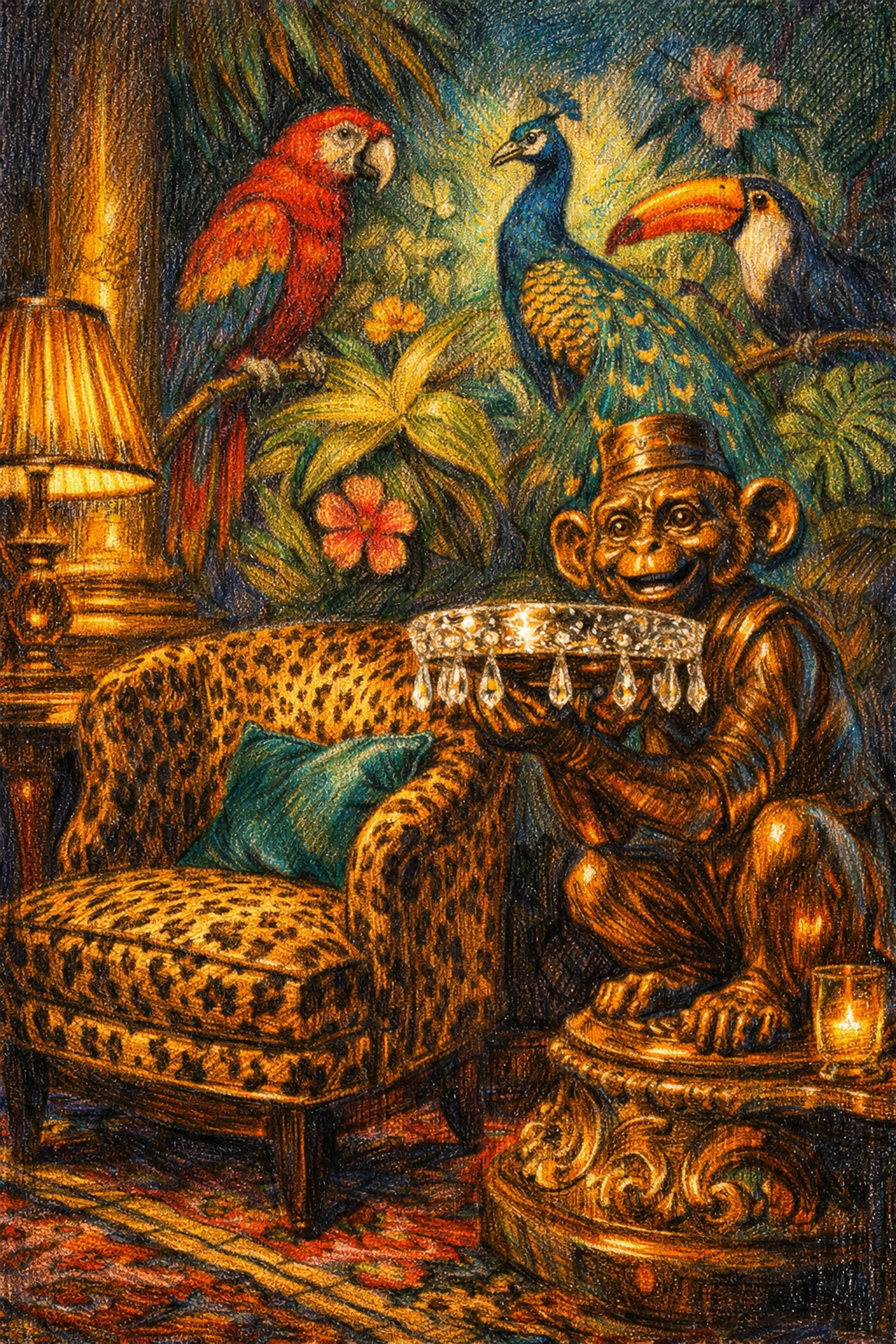
He convinced the owners to change the plan entirely. Instead of a concrete hotel, he designed a 22-tent camp. By using tents, they were able to build around the existing trees without cutting a single one down. The result? A resort that feels like it’s been there for a century. It looks like an early 19th-century European explorer’s camp, filled with antiques, hand-painted murals, and outdoor copper tubs.
It’s one of the most successful hotels in the world because it offers something unique: total immersion in the Bali jungle without the environmental guilt.
Shinta Mani Wild: Conservation Through Hospitality
If Capella Ubud was a statement, Shinta Mani Wild in Cambodia is a manifesto. This project is Bill’s pride and joy because he actually owns a part of it.
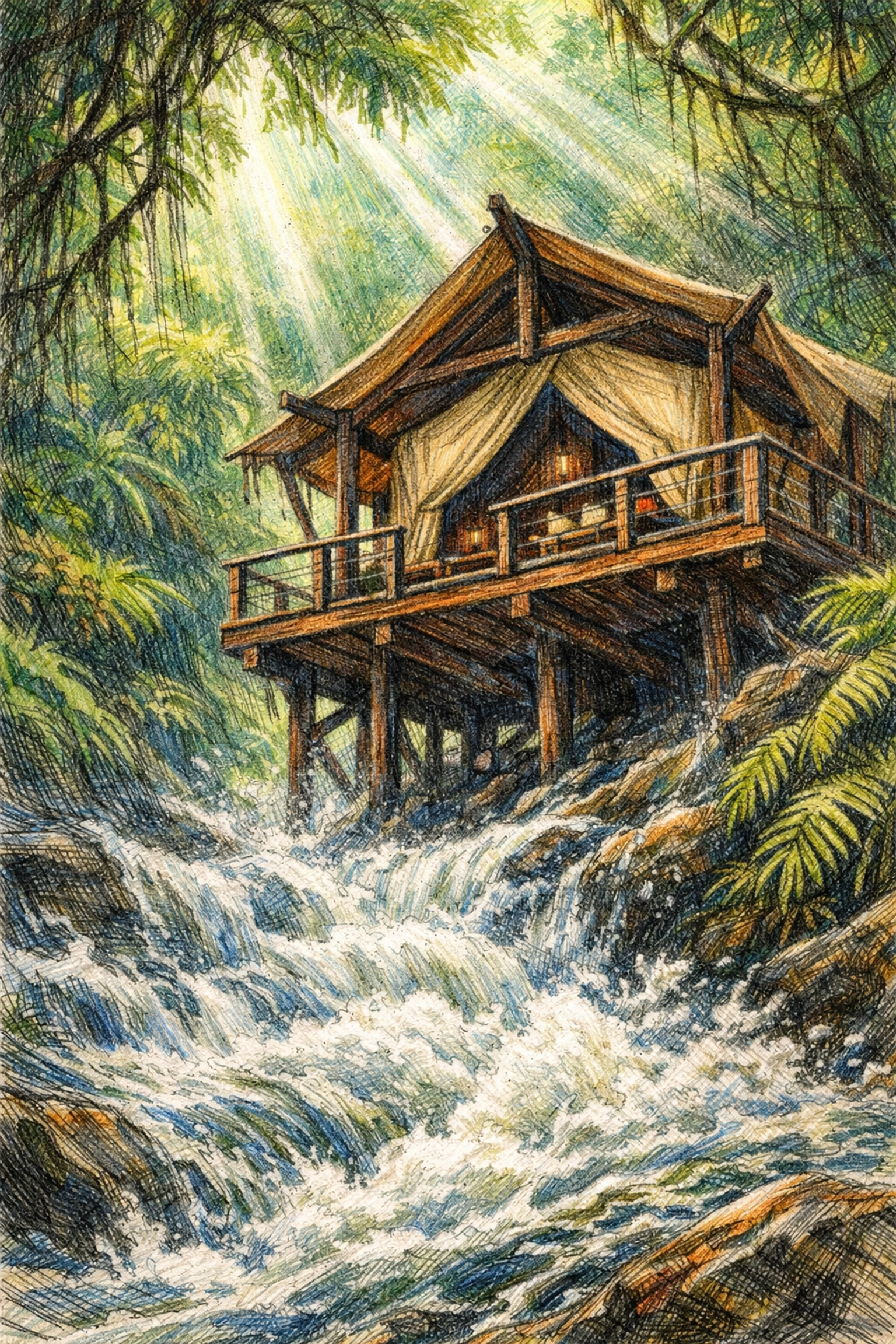
He purchased a piece of land in the Cardamom Mountains that was slated for logging and mining. To fund the protection of this land, he built an ultra-luxury tented camp. The 15 tents are perched over a rushing river and waterfalls.
Here’s the cool part: the resort funds a dedicated team of rangers who patrol the forest to stop illegal poaching and logging. When you stay there, your "luxury" experience directly pays for the preservation of the jungle. And yes, this is the place where you arrive by zipline over a forest canopy. It’s high-energy, high-impact, and high-design.
Upcycling and Storytelling: InterContinental Khao Yai
Bill is also a master of "upcycling" on a massive scale. For the InterContinental Khao Yai Resort in Thailand, he found abandoned, 100-year-old train carriages scattered across the country.
Instead of letting them rot, he hauled them to the site and turned them into luxury suites. Each carriage has a different theme based on a historical rail journey. It’s whimsical, it’s sustainable (because he reused existing structures), and it tells a fantastic story.
This is a key lesson for any hotel owner: Storytelling sells. People don't just want a room; they want an experience they can talk about for years.
The Importance of "Invisible" Sustainability
While the ziplines and train cars get all the headlines, Bill’s approach to sustainability goes much deeper. He’s a huge advocate for:
- Preserving Topsoil: He hates it when developers scrape the land flat. He works with the natural topography.
- Native Planting: He rarely uses exotic plants that require tons of water and pesticides. He uses what grows naturally.
- Local Craftsmanship: Almost everything in a Bensley hotel is made locally. He employs local woodcarvers, weavers, and artists. This reduces the carbon footprint of shipping and supports the local economy.
- No Plastic: He’s been a vocal critic of single-use plastics in hotels long before it was "cool" to be eco-friendly.
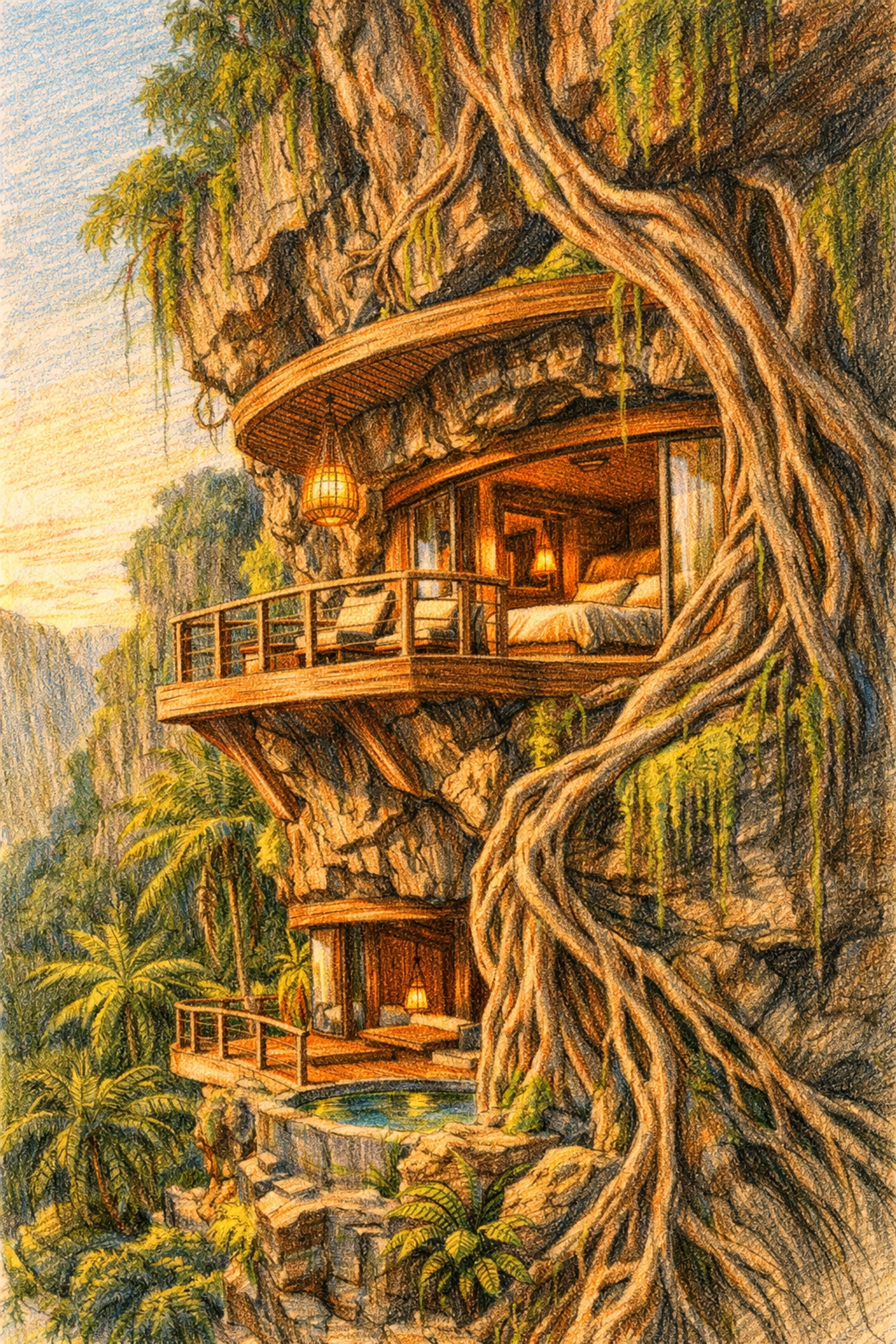
Why Landscape Design is the Secret Sauce
As hotel designers, we often focus on the furniture and the lighting. But Bill reminds us that the "envelope": the landscape: is what sets the mood.
At the Four Seasons Tented Camp Golden Triangle, the architecture is almost secondary to the incredible jungle views and the way the paths wind through the bamboo forests. The landscaping creates a sense of mystery. You never see the whole resort at once; it reveals itself to you piece by piece as you walk through it.
That’s a trick every hotel owner can use. Even if you don't have a jungle, how you use plants, lighting, and paths can make a small property feel vast and private.
What We Can Learn from the "King of Exotic"
You don’t need a billion-dollar budget or a Cambodian jungle to take some lessons from Bill Bensley. Here are a few takeaways for your next project:
- Respect the Land: Before you build, look at what’s already there. Is there a tree you can save? A view you can frame? A local material you can use?
- Tell a Story: Don't just design a lobby; design a "chapter" in a book. What do you want guests to feel when they walk in? Curiosity? Calm? Excitement?
- Don't Be Afraid of Color: Bill proves that bold choices can still feel luxurious. You don't have to stick to beige and grey to be "classy."
- Sustainability is a Responsibility: As designers and owners, we have a huge impact on the planet. Making sustainable choices isn't just "nice to do": it's essential for the future of our industry.

Final Thoughts
Bill Bensley is 65 now, and he’s showing no signs of slowing down. He’s currently working on projects that push the envelope even further, including "low-tech" resorts that require minimal electricity and even more focus on the natural world.
He’s proof that you can be wild, creative, and successful while still being a good steward of the Earth. At My Hotel Design, we think that’s the real future of hospitality. It’s not just about how the hotel looks; it’s about how it lives in its environment.
If you’re planning a project and want to channel some of that Bensley energy: minus the 400-meter zipline (unless you really want one!): keep these principles in mind. Start with the land, tell a great story, and always, always save the trees.