Hey there! I’m Robert Rupp, the founder of My Hotel Design. Over the years, I’ve seen it all, the stunning transformations that take a property from "dated" to "destination," and the renovation projects that turn into absolute money pits.
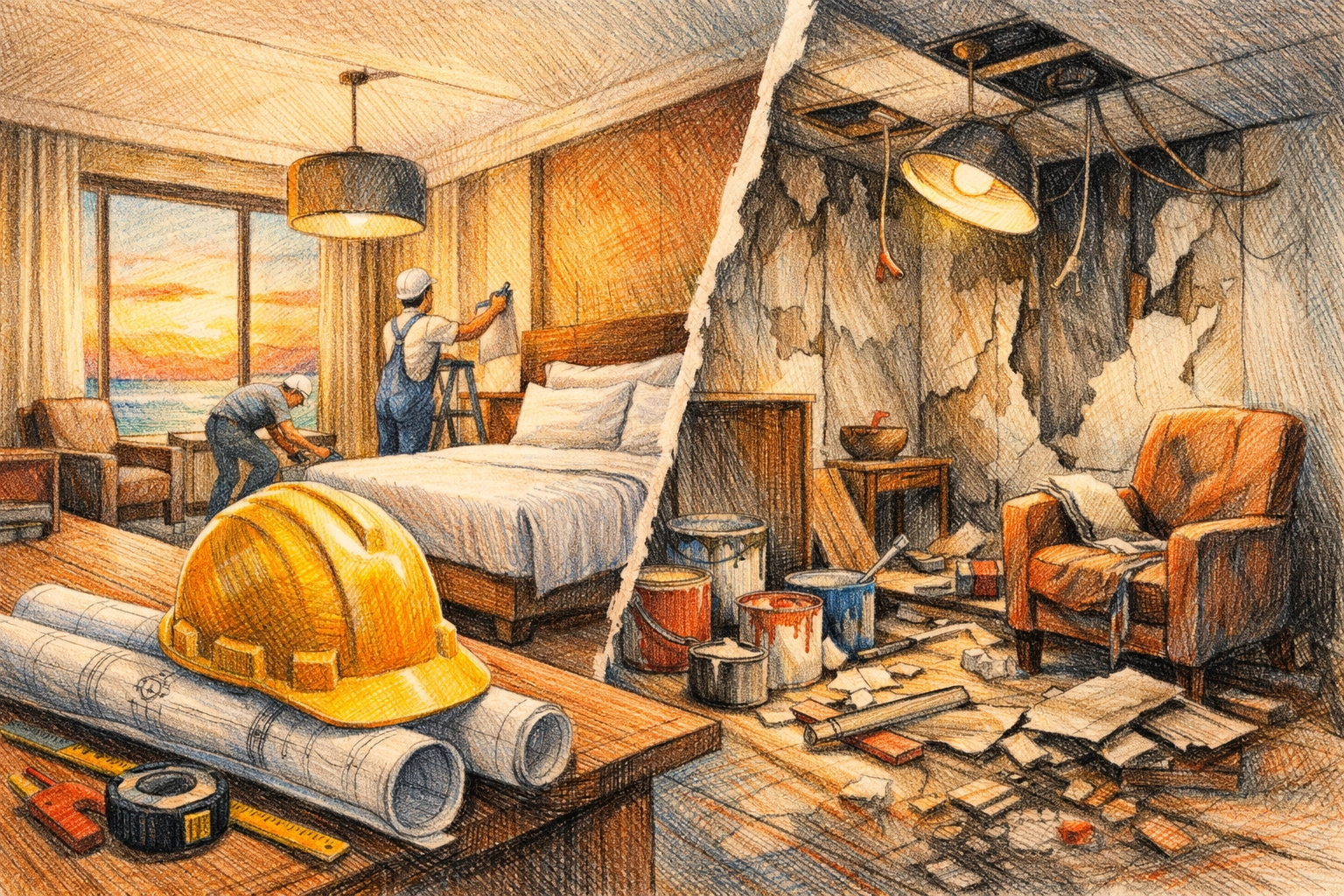
Renovating a hotel is a huge undertaking. It’s not just about picking out new curtains or updating the lobby furniture. It’s a complex dance between aesthetics, guest experience, and ROI. When it’s done right, it breathes new life into your brand and boosts your bottom line. When it’s done wrong? Well, you’re left with a lighter bank account and a property that still feels "off."
I want to help you avoid the headaches. Here are the most common errors I see in hotel renovations and how you can steer clear of them.
1. The "Budget Material" Trap
We all want to save money. It’s tempting to look at a beautiful luxury carpet and then find a "look-alike" for a third of the price. You think, “Guests won’t know the difference.”
Trust me, they will. Maybe not on day one, but by day 60, they definitely will.
Residential-grade materials aren’t built for the "hospitality hustle." In a hotel, your floors deal with rolling suitcases, heavy foot traffic, and the occasional spilled red wine. Low-quality paint scuffs the second a bellhop's cart grazes it. Cheap veneer on a desk starts peeling after a few months of humid air and cleaning chemicals.
The Fix: Always invest in hospitality-grade materials. They are designed for durability and easy cleaning. It’s better to spend more upfront than to have to re-renovate in two years because your "new" rooms already look shabby.
2. Creating a "Frankenstein" Hotel
I see this all the time: a hotel owner decides to renovate the lobby and the breakfast area because that’s the first thing guests see. It looks amazing: sleek, modern, and high-end. But then the guest walks into their room, and it’s like stepping back into 1994.
This inconsistency creates a fragmented experience. Guests don’t judge your hotel in zones; they judge it as a whole. If the lobby promises a 5-star experience but the hallway carpet is stained and the room smells like "old," the guest feels cheated.
The Fix: If you can’t afford to do the whole property at once, create a master plan that ensures a cohesive flow. If you're doing it in phases, choose a design language that can bridge the gap between the old and the new. Whatever you do, don’t let the guest experience feel like a "before and after" photo gone wrong.
3. Ignoring the Guest During Construction
Nothing kills a guest’s mood faster than being woken up at 7:00 AM by a jackhammer three doors down. Or worse, having to navigate through a maze of plastic sheets and construction debris just to get to the elevator.
Many owners focus so much on the end result that they forget they still have a business to run during the process. Negative reviews during a renovation can haunt your TripAdvisor page for years.
The Fix: Phase your work intelligently. If possible, renovate entire floors or wings at a time to keep guests away from the noise. Use back-of-house routes for construction materials and crews. Most importantly: communicate. Tell your guests what’s happening before they arrive and offer them something: a drink voucher or a discount: for the inconvenience.
4. Skipping the Model Room
Think of the model room as your rehearsal. It is the single most important part of a room renovation, yet so many people skip it to "save time."
Without a model room, you are guessing. You might find out: after ordering 100 units: that the new desk lamp blocks the view of the TV, or that the beautiful new bedside table is three inches too wide for the space between the bed and the wall.
The Fix: Build one room (or a "vignette" in a warehouse) to the exact specs of your design. Live in it for a night. Check the outlets. See if the showerhead actually hits the right spot. Use this room to catch every single mistake before you multiply those mistakes by 100 rooms.
5. Underestimating the "Hidden" Stuff
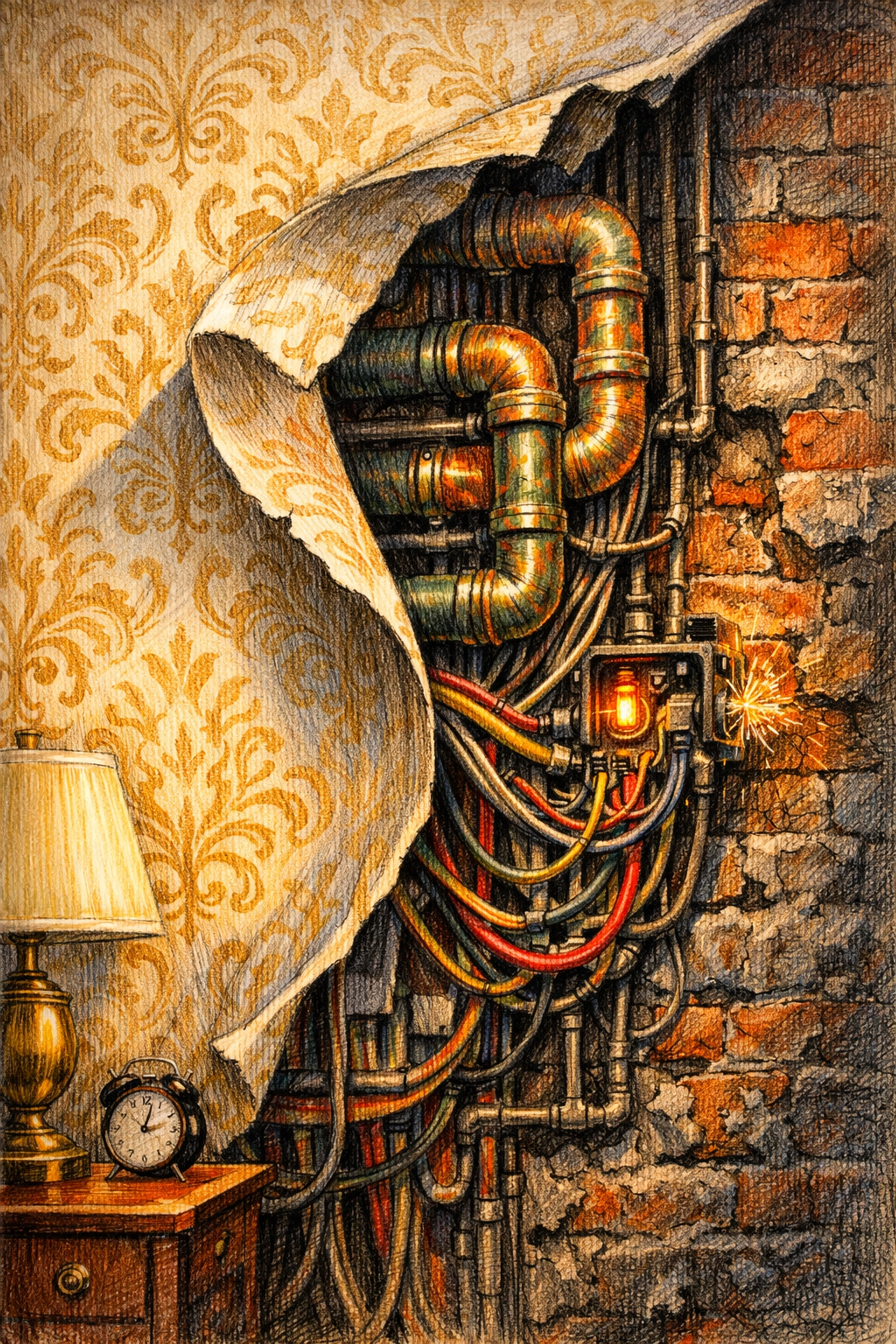
Renovations are like onions: there are always layers, and sometimes they make you cry. When you start tearing down walls in an older property, you’re going to find things you didn't plan for. Mold behind the wallpaper, corroded pipes, or wiring that isn't up to code.
If you don't budget for these "hidden" issues, your project will stall the moment the first hammer hits the wall.
The Fix: Before you start, hire an MEP (mechanical, electrical, plumbing) engineer to do a deep dive into the property’s bones. And always, always keep a "contingency fund" of at least 10-15% of your total budget. If you don't use it, great! But if you find out your HVAC system is on its last legs, you won’t have to panic.
6. Style Over Substance (Ignoring the Market)
I love a bold design, but at My Hotel Design, we always say: Design must follow function.
A common error is designing for a magazine rather than your specific guest. If you’re a business hotel, your guests need plenty of USB-C ports, a solid work surface, and great lighting. If you’re a leisure resort, they want a place to hang wet towels and a relaxing "oasis" vibe.
Putting a trendy, tiny desk in a room meant for road warriors is a mistake. Likewise, putting high-maintenance white silk fabrics in a family-friendly beachfront hotel is a recipe for disaster.
The Fix: Look at your guest profiles. Who is staying with you? What are their pain points? Design for them. Your renovation should solve problems, not just look pretty.
7. Letting "Scope Creep" Win
It starts small. You’re updating the lighting, and then someone says, "While we're at it, shouldn't we just redo the whole ceiling?" Then the ceiling leads to the crown molding, which leads to the HVAC vents, and suddenly your $50,000 lobby refresh is a $150,000 structural overhaul.
Scope creep is the #1 killer of renovation budgets and timelines.
The Fix: Set a hard "lock-down" date for your design. Once the plans are signed and the materials are ordered, any changes must go through a formal approval process that weighs the cost against the benefit. If it’s not essential for the brand or the guest experience, save it for the next renovation cycle.

8. Poor Phasing Decisions
I’ve seen hotels close down half their inventory during their busiest season because that was the "most efficient" way for the contractor to work. While the contractor might be happy, the hotel owner is losing massive amounts of revenue that could have funded the project.
The Fix: Your phasing should be dictated by your revenue team, not just your construction team. Map out your renovation around your low-occupancy periods. It might take a little longer to finish the project, but you’ll keep the lights on and the cash flowing in the meantime.
Wrapping It Up
Renovating your hotel is one of the most exciting things you can do for your business. It’s a chance to redefine your brand and tell a new story to your guests. But it’s also a high-stakes game.
By avoiding these common traps: like going cheap on materials, skipping the model room, or ignoring the guest experience: you ensure that your investment actually pays off. At My Hotel Design, we believe that simple, smart planning is the secret to a successful transformation.
Keep it simple, keep it durable, and always keep the guest in mind.
Happy renovating!
( Robert Rupp
Founder, My Hotel Design)