If you’ve stepped into a high-end hotel in the last decade and felt like you were walking into a curated art gallery rather than a lobby, there’s a good chance you were standing in a space designed by Kelly Wearstler.
In the world of boutique hotel interior design, few names carry as much weight. Wearstler didn't just join the hospitality industry; she completely disrupted it. Before her influence took hold, luxury hotels followed a pretty predictable script: beige walls, heavy curtains, and furniture that looked expensive but felt soul-less.
Today, that "cookie-cutter" luxury is dead. In its place, we have immersive, transportive experiences that tell a story. Whether you’re a developer looking to build the next big thing or a design enthusiast, understanding why Kelly Wearstler is the reigning queen of luxury hospitality design is essential.
The "Wearstler Effect": More Than Just Maximalism
Many people label Kelly’s style as "maximalist," but that’s a bit of a simplification. It’s not just about putting more stuff in a room; it’s about the "soul" of the space. Her philosophy is built on a foundation of "vibe" and "storytelling."
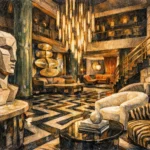
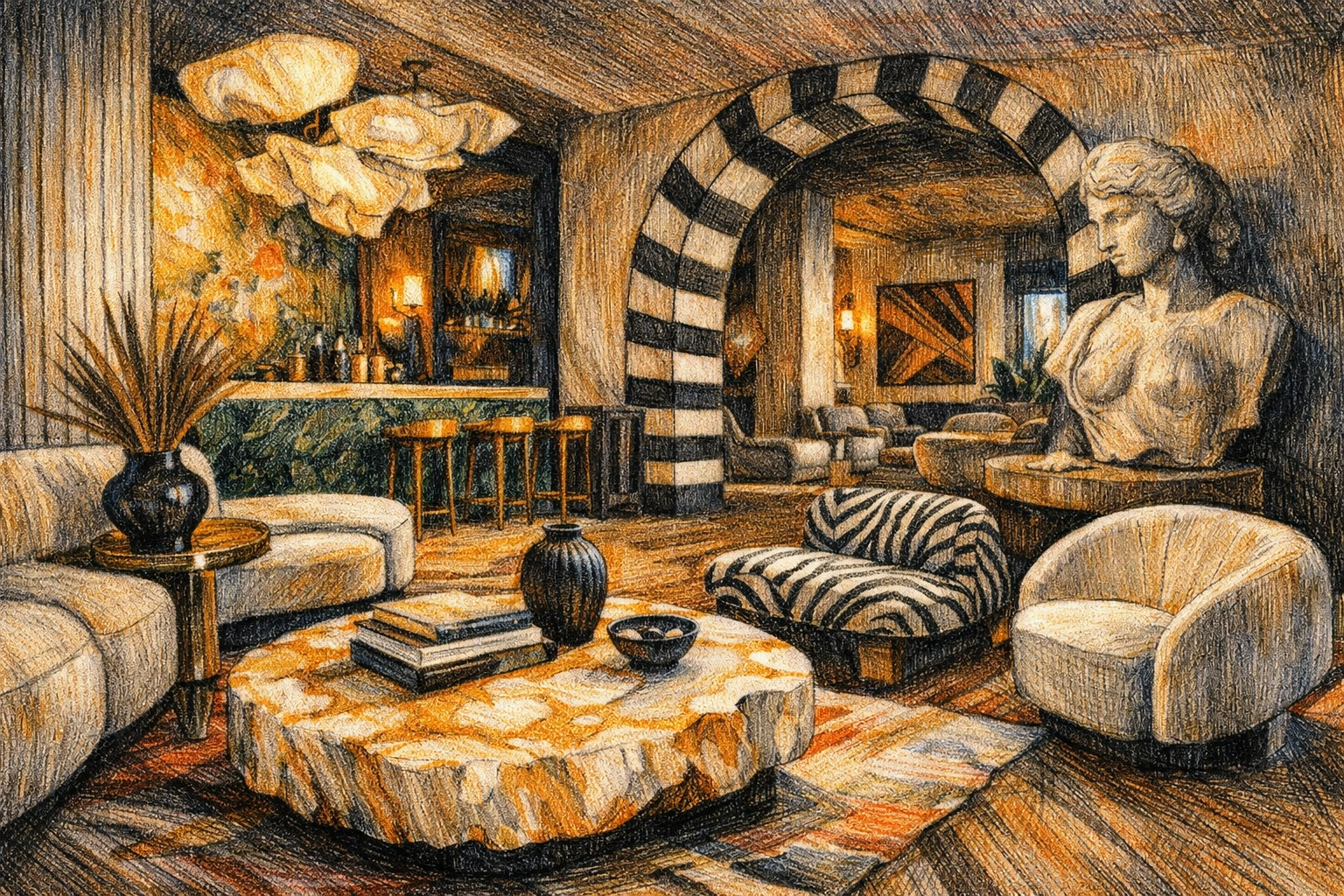
Wearstler draws inspiration from a massive range of sources: modernism, Art Deco, and the old-school Hollywood glamour of legends like Dorothy Draper. But what makes her work stand out in the current boutique hotel interior design landscape is her ability to mix these influences with a raw, contemporary edge.
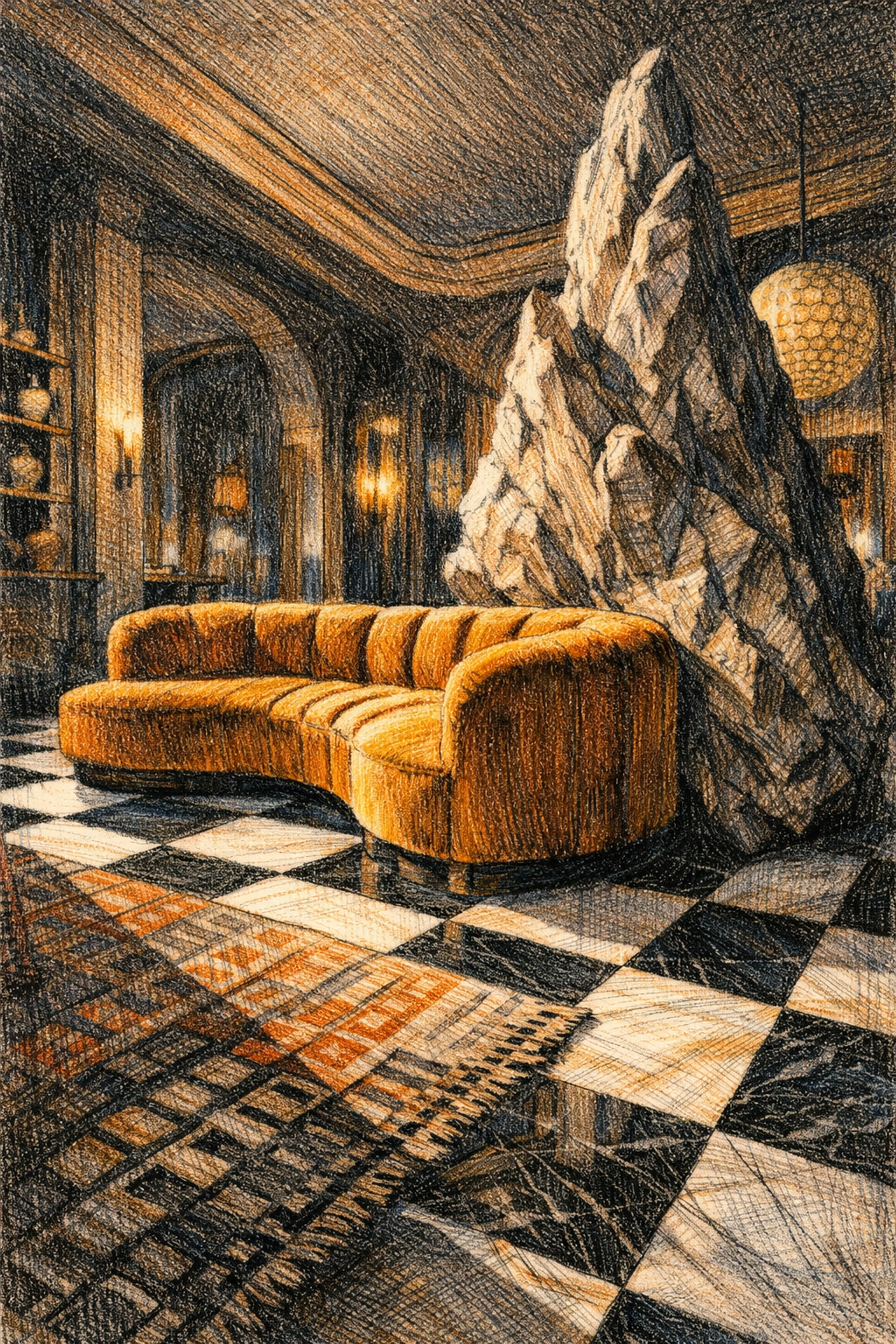
She isn't afraid to put a 1970s Italian sofa next to a raw stone sculpture and a hand-painted mural. This juxtaposition creates a sense of tension and excitement. It’s the opposite of "safe" design, and in the hospitality world, "safe" is usually synonymous with "forgettable."
Redefining the Proper Way: A Deep Dive into Notable Projects
You can't talk about Kelly Wearstler without talking about the Proper Hotel brand. This partnership has become the gold standard for how a boutique hotel should look and feel in the 2020s.
Santa Monica Proper: The Organic West Coast Vibe
The Santa Monica Proper is a masterclass in how to reflect a location’s environment without being cheesy. Instead of literal beach themes, Wearstler used a palette of sandy neutrals, weathered woods, and textured plasters. It feels like the ocean, but in a sophisticated, architectural way.
The hotel uses a mix of vintage finds and custom-designed pieces, which is a hallmark of her work. It’s an example of how luxury hospitality design can feel grounded and relaxed while still being incredibly high-end.
Downtown L.A. Proper: A Cultural Tapestry
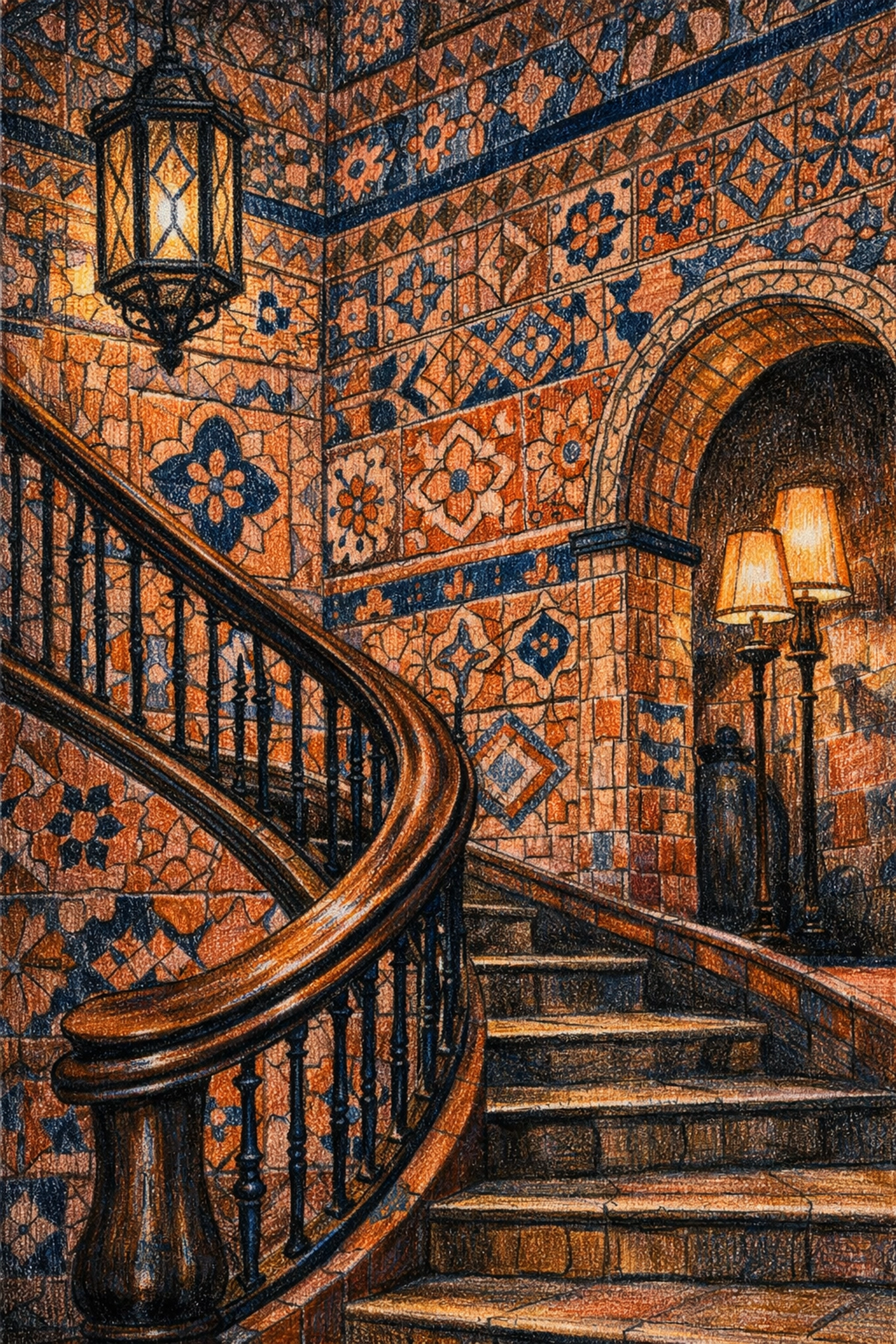
In Downtown Los Angeles, Wearstler took a completely different turn. The building: a historic YWCA from the 1920s: demanded something more intense. Here, she leaned into "Mexican Modernism," mixing it with Portuguese and Spanish influences.
The lobby features over 100 different types of hand-painted tiles. It’s a riot of color and texture that somehow feels perfectly cohesive. It’s also a great example of how sustainable hotel architecture often starts with adaptive reuse: taking an old building and giving it a second life rather than tearing it down and starting from scratch.
The Elements of Modern Luxury Hospitality Design
So, how does she do it? If we break down the Wearstler "DNA," we find a few key elements that every hotelier should pay attention to:
- Materiality is King: Wearstler is obsessed with touch. You won't find many flat, boring surfaces in her hotels. She uses ribbed wood, pitted stone, shaggy rugs, and hammered metals. These textures make a guest want to reach out and touch the room, creating a physical connection to the space.
- The Mix of Old and New: By mixing genuine vintage pieces with hyper-modern custom furniture, the rooms feel like they’ve been curated over decades rather than bought from a single catalog. This gives the hotel a sense of history.
- Local Artistry: She consistently collaborates with local artists and craftsmen. In the DTLA Proper, the murals and custom furniture were created by local creators, which helps the hotel feel like an authentic part of the community.
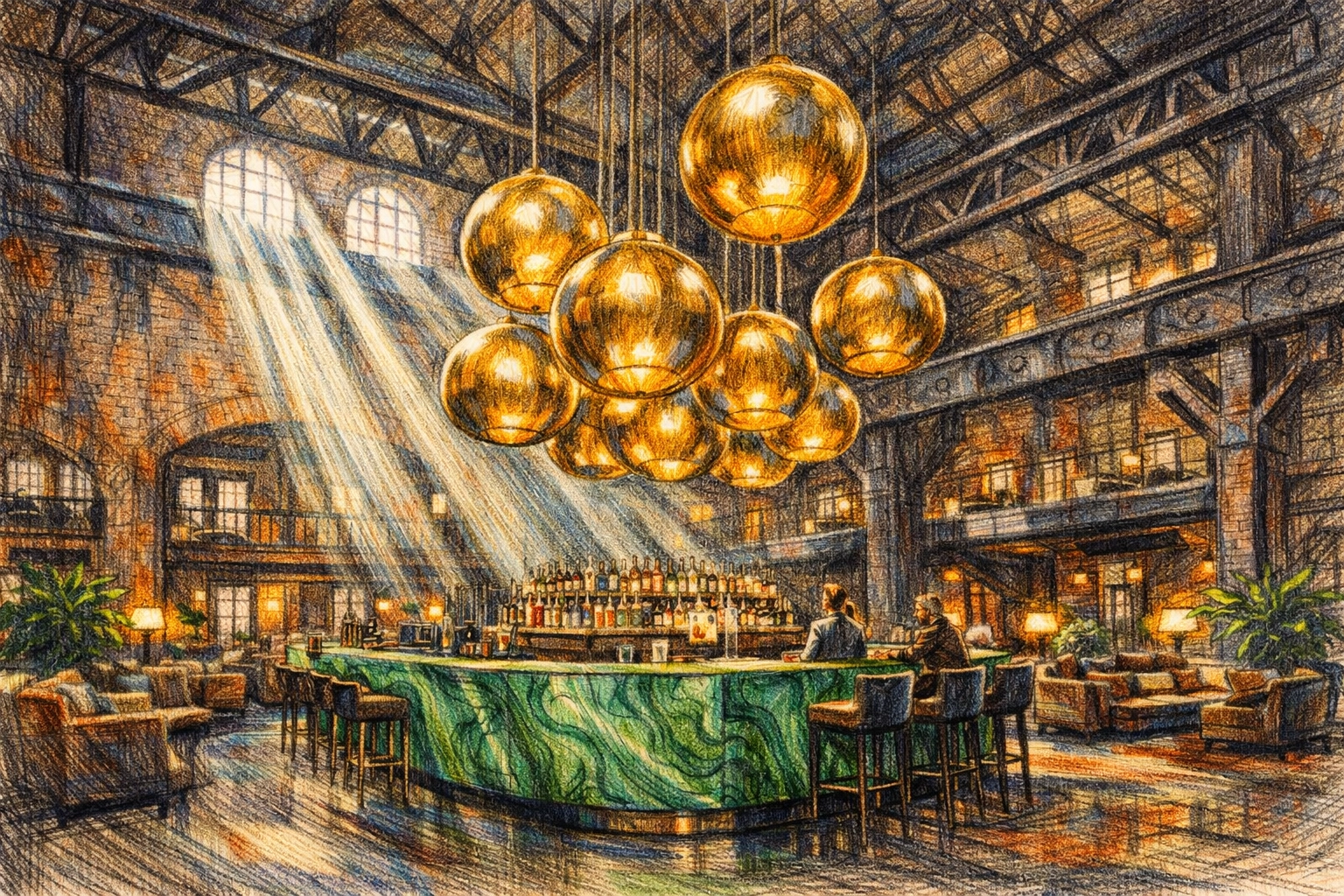
- Lighting as Sculpture: In a Wearstler design, the lamps are often more interesting than the art on the walls. She treats lighting as a functional sculpture, using it to create focal points and set the mood.
Why Sustainable Hotel Architecture is the New Standard
While Wearstler is known for her aesthetics, her work also aligns with the growing demand for sustainable hotel architecture. Sustainability in hotel design isn't just about solar panels; it’s about the longevity of the design itself.
When you create a space that is "trendy," it looks dated in five years and has to be renovated, which creates a massive amount of waste. When you create a space that is "timeless" through high-quality materials and a unique, non-conforming style, the design lasts much longer.
Furthermore, her focus on adaptive reuse projects: like the Downtown L.A. Proper or her work in San Francisco: shows that the most sustainable building is often the one that’s already standing. By preserving the character of historic structures and updating them with modern systems and soul-filled interiors, she creates a bridge between the past and the future.
The ROI of "The Look"
From a business perspective, why are developers clamoring to work with designers like Wearstler? It comes down to brand identity and the "Instagrammable" factor.
In the digital age, your hotel’s interior is your primary marketing tool. When a guest walks into a lobby and immediately pulls out their phone to take a photo, they are doing the marketing for you. Wearstler’s designs are built for the lens. They are photogenic from every angle, full of "wow" moments that drive social media engagement.
But it’s more than just photos. A well-designed boutique hotel can command a much higher Average Daily Rate (ADR) than a standard luxury chain. Guests aren't just paying for a bed; they are paying to live inside a piece of art for 24 hours. They are paying for the way the space makes them feel.
Bringing the Wearstler Vibe to Your Project
You might not have a "Proper" budget, but there are lessons from Kelly’s work that can be applied to any boutique hotel interior design project:
- Don't Be Afraid of Color: Neutral is safe, but color is memorable. Even a bold, dark bathroom or a colorful hallway can change the entire guest experience.
- Invest in One Great Piece: Instead of filling a lobby with mediocre furniture, invest in one incredible, oversized vintage table or a massive custom light fixture. It creates a "hero" moment for the room.
- Layer Your Textures: If your walls are smooth, make your chairs fuzzy. If your floors are hard stone, add a plush rug. Contrast is the key to comfort.
- Focus on the Entryway: The first 30 seconds a guest spends in your hotel defines their entire stay. Make the lobby an event.
The Future of Hospitality Design
As we move toward 2026 and beyond, the trend toward highly personalized, culturally rich, and architecturally significant hotels is only getting stronger. Guests are tired of the "anywhere-USA" feel of traditional luxury brands. They want to know where they are. They want to feel the pulse of the city they are visiting.
Kelly Wearstler’s work reminds us that hotels can be more than just a place to sleep. They can be playgrounds for the imagination, monuments to local culture, and leaders in sustainable hotel architecture.
Whether she’s designing a snowy retreat in the French Alps at L'Apogée Courchevel or a sun-drenched resort in Anguilla, the message is the same: be bold, be authentic, and never, ever be boring.
At My Hotel Design, we believe every hotel has the potential to tell a story. If you’re ready to move away from the "standard" and create something that people will be talking about for years, it might be time to take a page out of Kelly’s book. Design isn't just about how it looks; it's about the experience you create for every guest who walks through your doors.