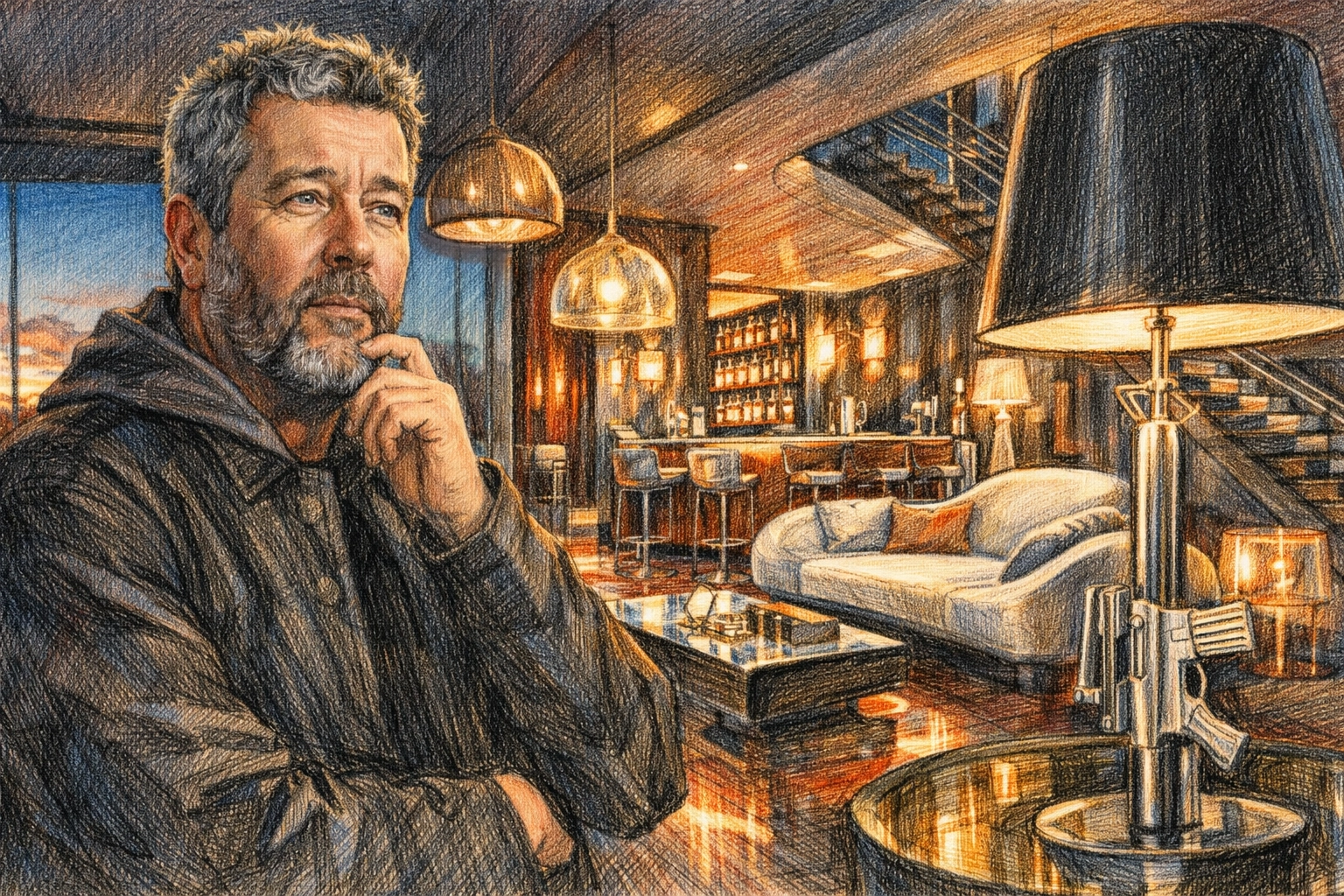
When we talk about hotel design today, we take a lot for granted. We expect the lobby to be a cool place to hang out with a cocktail. We expect the lighting to be moody and the furniture to be a bit "out there." We expect the hotel to tell a story. But before a certain Frenchman named Philippe Starck came onto the scene, hotels were mostly just places to sleep: beige, predictable, and frankly, a bit boring.
If you’ve ever walked into a hotel and felt like you stepped into a movie set or a dream, there’s a good chance the designer was inspired by Starck. He didn’t just change the way hotels look; he changed the way they feel. At My Hotel Design, we’re constantly looking back at his work because he’s the one who proved that a hotel could be a social destination in its own right.
The Birth of the "Boutique" Concept
Before we dive into the legendary projects like the Hudson or SLS, we have to understand where Philippe Starck started. In the late 1980s, working alongside the legendary hotelier Ian Schrager, Starck helped invent the "Boutique Hotel."
The idea was simple but revolutionary: instead of a cookie-cutter experience where every room in every city looks the same, a hotel should have a soul. It should have a personality. Starck’s early work at the Royalton and the Paramount in New York City threw out the rulebook. He used oversized furniture, hidden doors, and lighting that made everyone look like a movie star. He realized that people don’t just go to hotels to sleep: they go to be someone else for a night.
Redefining the Lobby as a Social Hub
If Starck has one "greatest hit," it’s the invention of the lobby as a social hub. Think about the hotels of the 70s and early 80s. The lobby was a place where you stood in line at a mahogany desk, got your key, and left as quickly as possible. It was a transition space, not a destination.
Starck changed that forever. He saw the lobby as a theater. He wanted people to linger, to drink, to people-watch, and to flirt. He called this "lobby socializing."
The Hudson Hotel, NYC: A Masterclass in Atmosphere
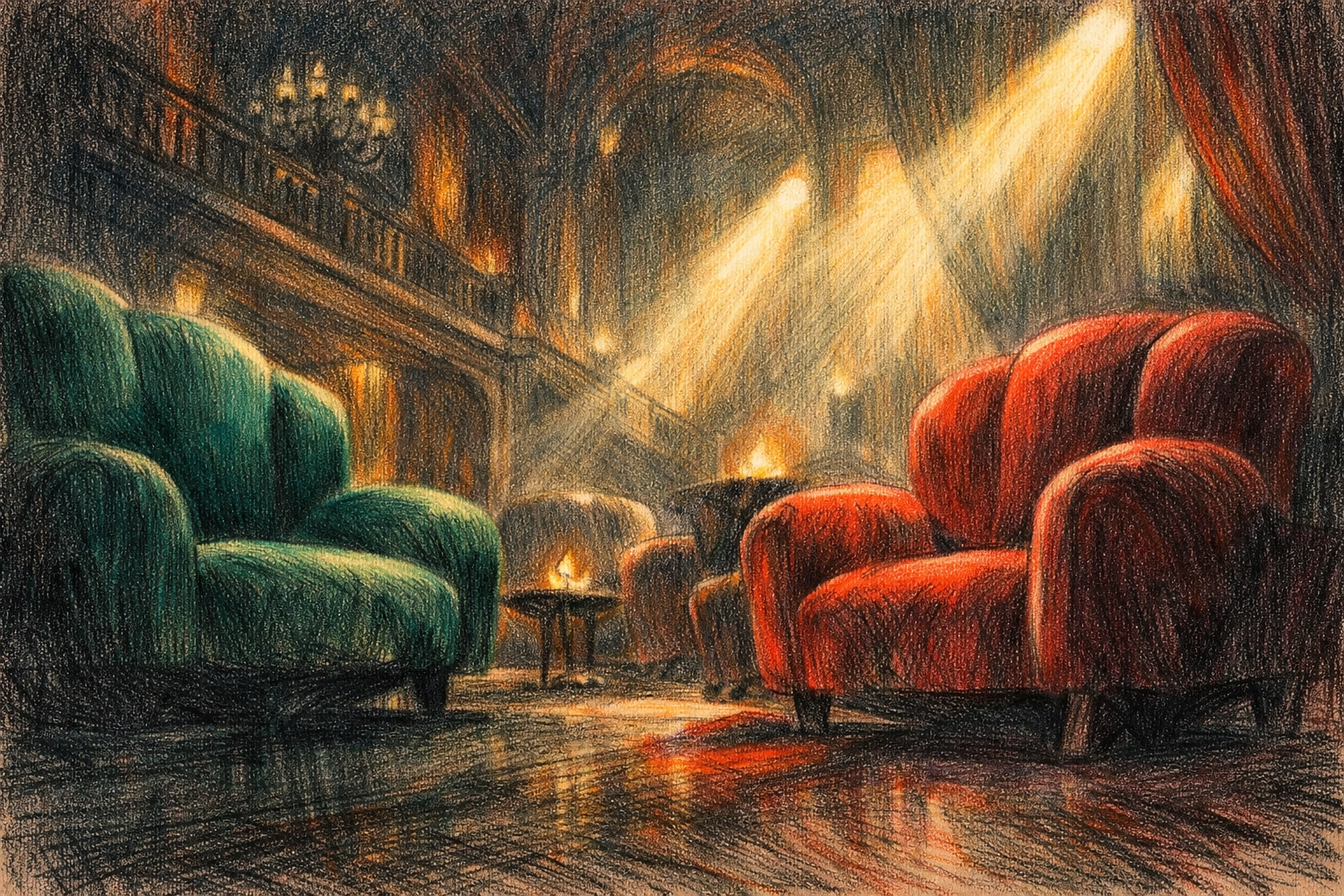
The Hudson Hotel in New York City is perhaps the best example of this. When it opened, it was unlike anything the city had seen. To get into the lobby, you had to travel up a long, narrow escalator bathed in a glowing yellow-green light. It felt like you were being transported to another dimension.
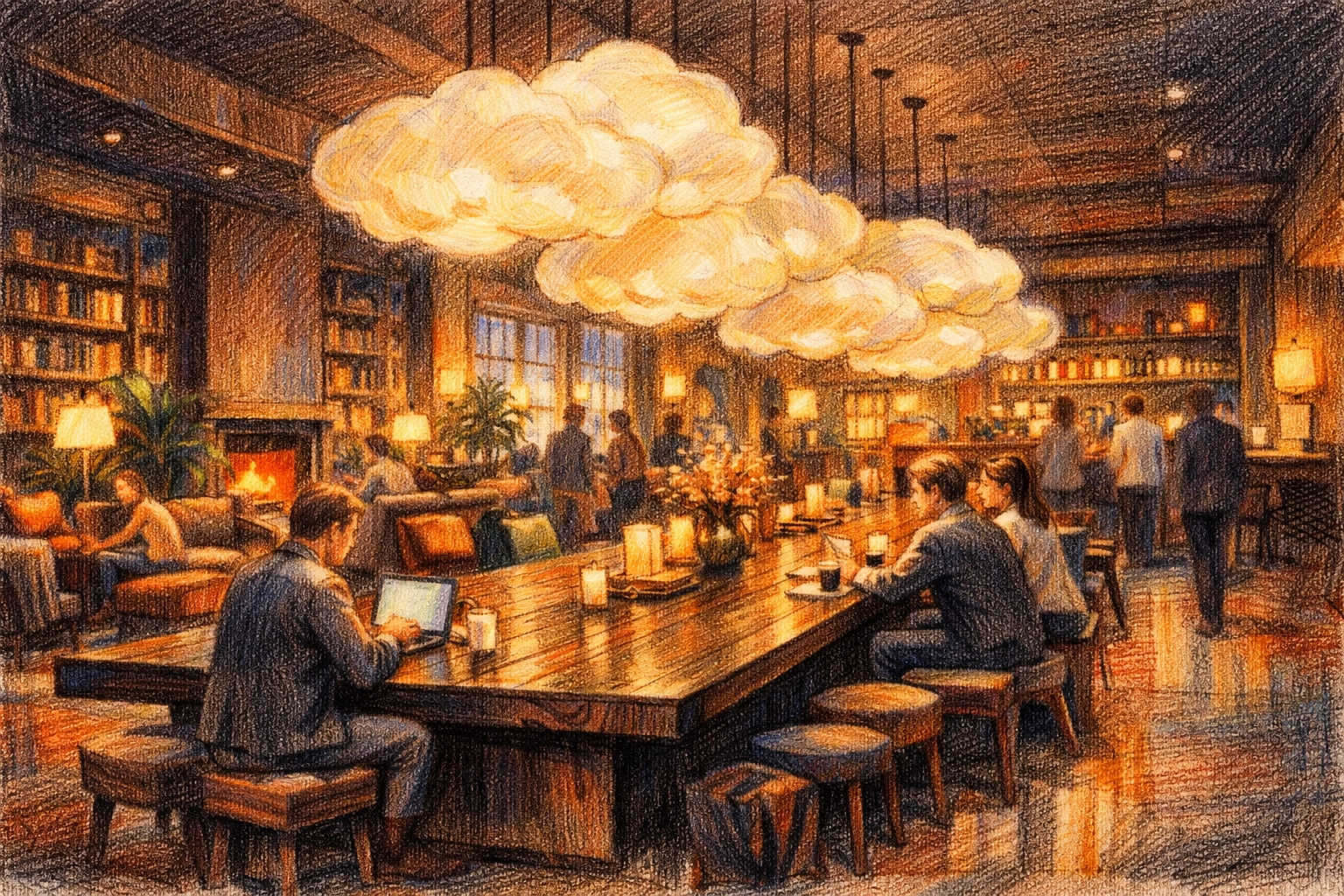
Once you arrived, the lobby wasn't a bright, open hall. It was a dark, moody space with ivy-covered walls, high ceilings, and a massive communal table. It felt like a private club, even though it was a massive hotel. Starck utilized "invisible tech" and strategic lighting to make the space feel intimate despite its scale. This wasn't just design; it was social engineering. He forced guests to interact by creating "collision points" like the long bar and the shared seating.
The Power of Narrative: Design as Fiction
One of the things that makes Starck’s work so enduring is that he doesn't just pick colors and fabrics. He writes a story. He views his hotels as "narrative-driven design."
When Starck starts a project, he often creates a fictional character who "owns" or "lives" in the space. Every design choice: from the type of wood on the floor to the weird sculpture in the corner: has to fit that character's story.
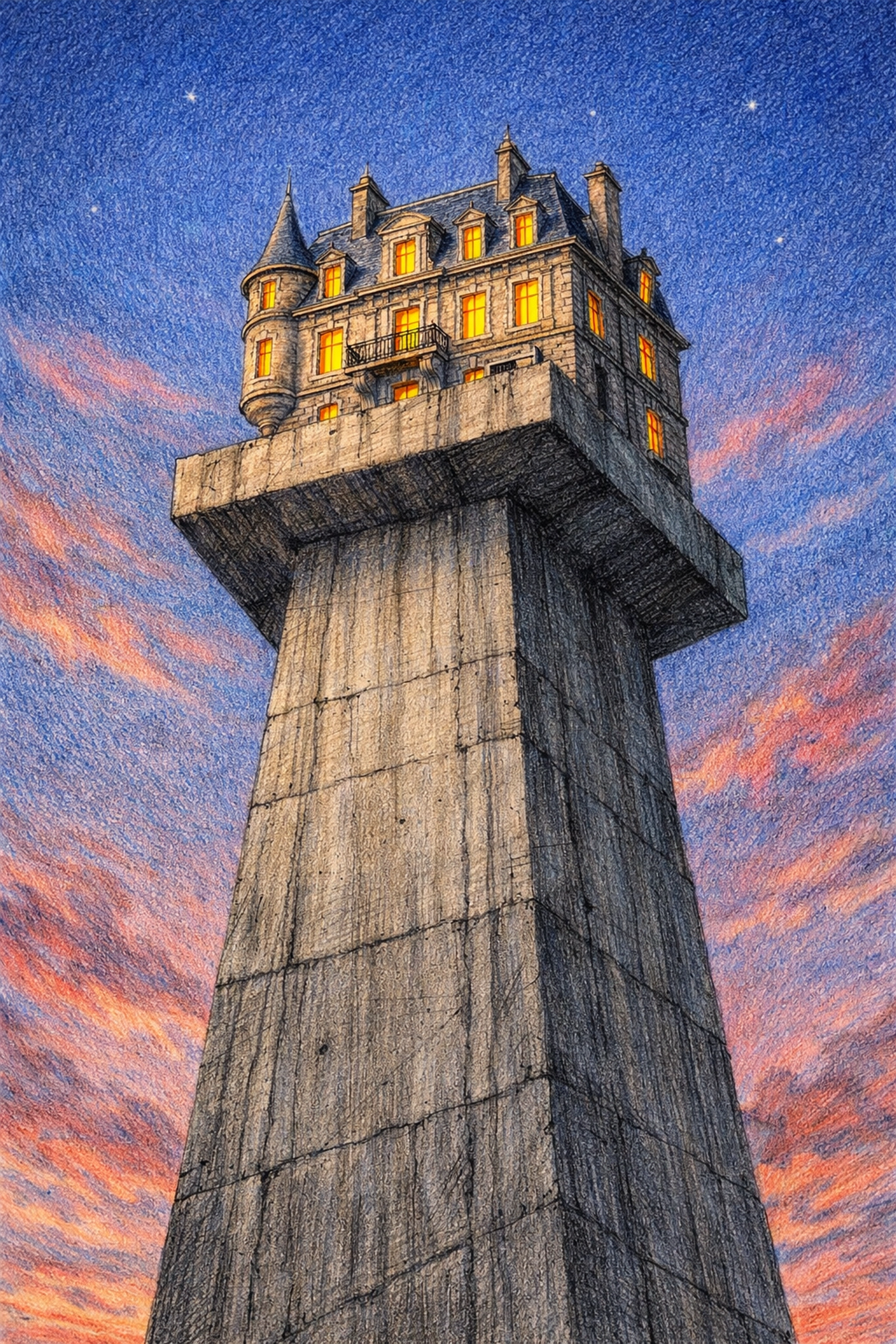
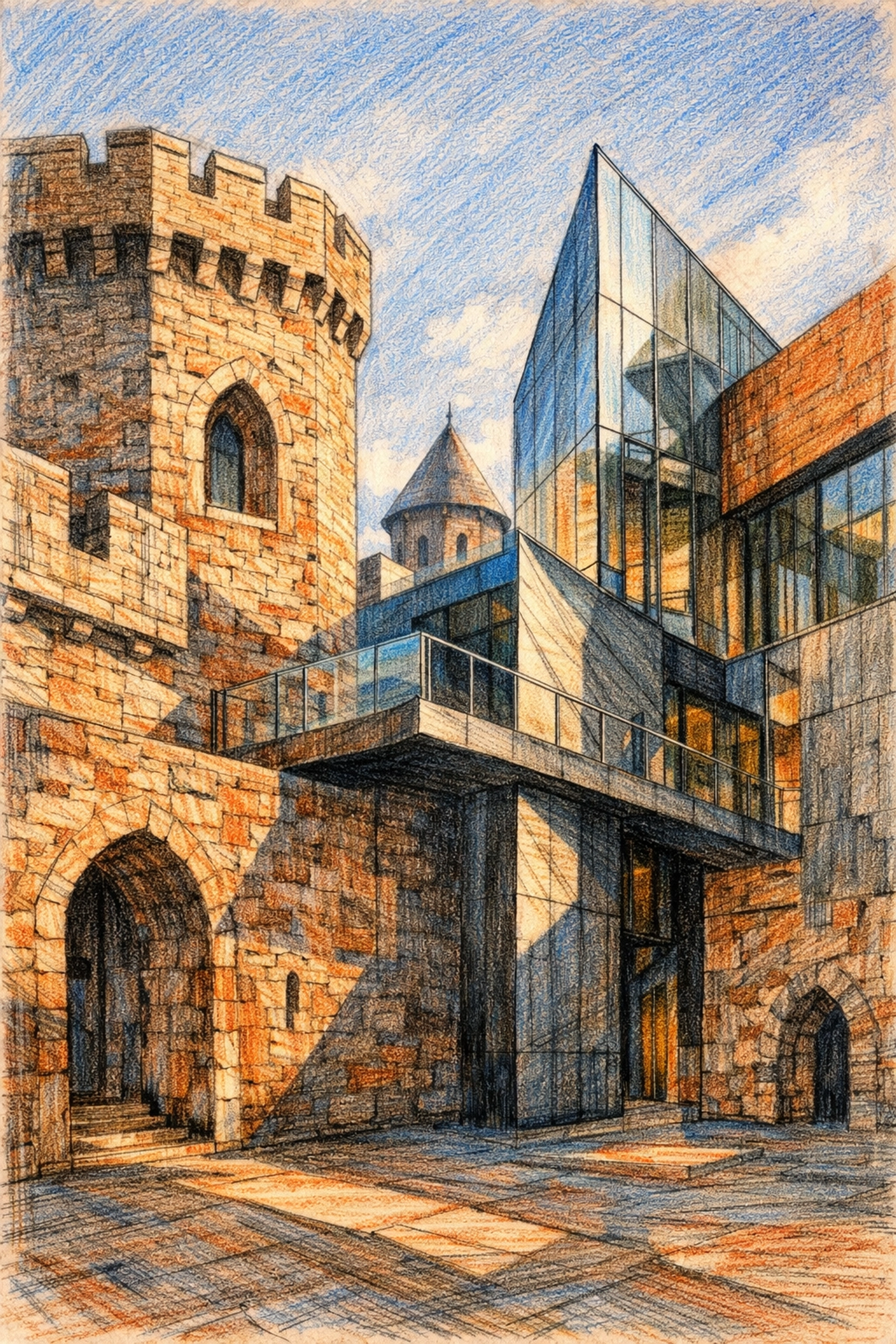
Take his recent project, Maison Heler in Metz, France. The story revolves around an imaginary eccentric inventor named Manfred Heler. The building itself is a brutalist concrete tower, but on the very top sits a 19th-century traditional mansion. It looks like the mansion was plucked from the ground and dropped on top of a skyscraper.
This kind of "fictional world-building" is why Starck’s hotels never feel dated. Even if the trends change, the story remains. It creates an emotional connection with the guest. You aren't just staying in Room 402; you’re a guest in Manfred Heler’s house.
Strategic Contrast: The Spartan vs. The Surreal
Starck is a master of contrast. He knows that if everything is "crazy," then nothing is. He uses minimalism to make the whimsical moments pop.
In many of his designs, you’ll find "Spartan" hallways or bedrooms. At Maison Heler, the suites feature exposed concrete ceilings and plain white walls. It’s raw, honest, and simple. But then you walk into the restaurant, and it’s a maximalist dream with stained glass, velvet, and historical artifacts.
This juxtaposition does two things:
- It prevents "design fatigue." If every square inch of a hotel is covered in gold and mirrors, your brain stops seeing it after ten minutes.
- It highlights the human element. By keeping the private spaces (the rooms) simple, Starck puts the focus back on the guest. By making the public spaces (the lobby and bar) surreal, he encourages social energy.
The SLS Era: Luxury with a Wink
In the mid-2000s, Starck teamed up with Sam Nazarian’s SBE to create the SLS Hotels. This was a new level of luxury hospitality. If the Hudson was "cheap chic," SLS was high-end glamour, but with Starck’s signature sense of humor.
At the SLS Beverly Hills, he created "The Bazaar." It wasn't just a restaurant; it was a sprawling indoor piazza where guests could wander between different dining "shopfronts." He used mismatched furniture, glass display cases filled with oddities, and plenty of mirrors.
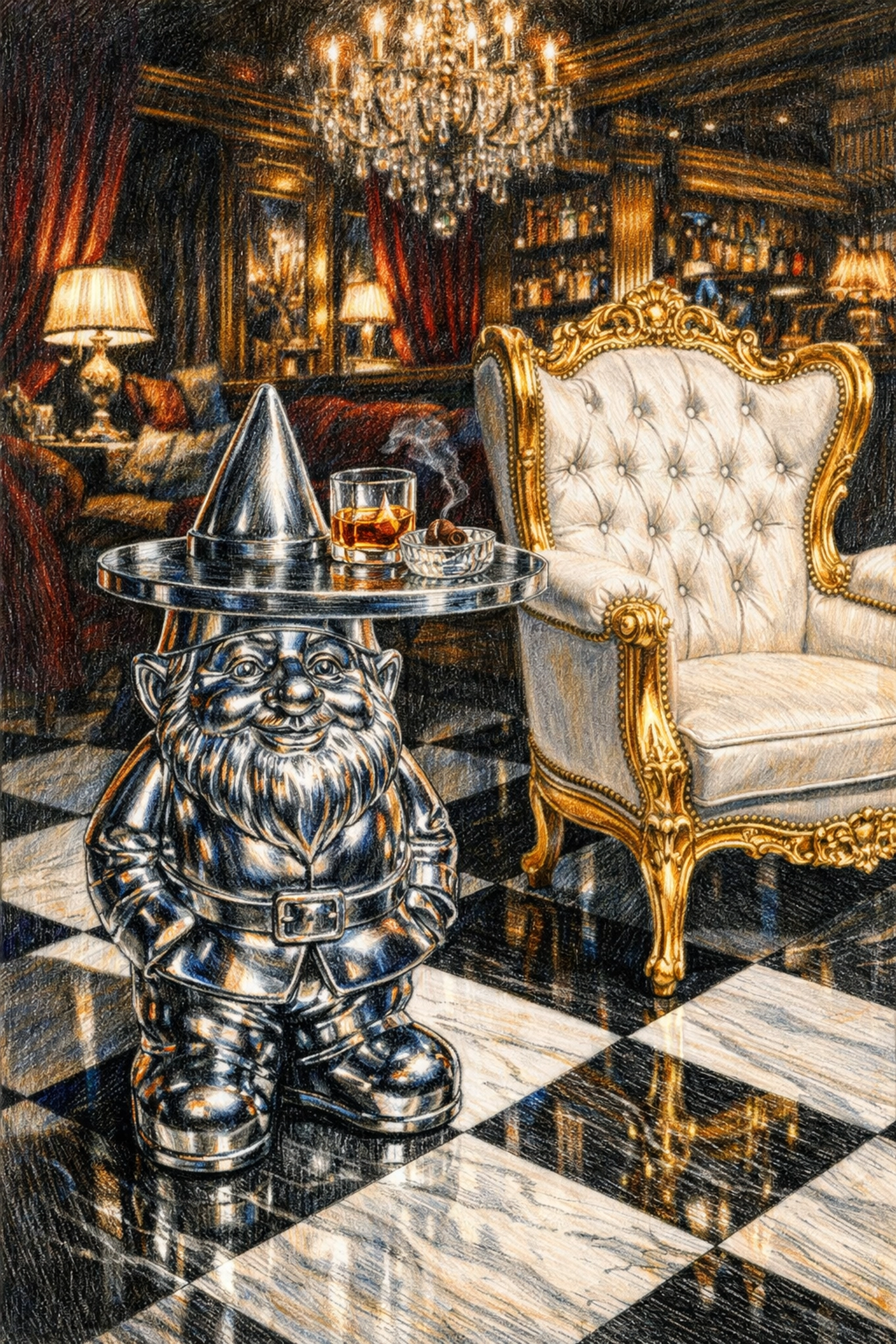
What Starck proved with SLS is that "luxury" doesn't have to be stuffy. You can have a five-star hotel with a giant plastic gnome as a side table. He taught the industry that the modern traveler values experience and wit over traditional displays of wealth. He brought a sense of playfulness to the high-end market that had never existed before.
Materials and Authenticity
Even though his designs look like they’re from the future, Starck is obsessed with authentic materials. He hates "fake" things. If something looks like wood, it should be wood. If it looks like metal, it should be metal.
In his philosophy, every material communicates a meaning:
- Concrete and Steel: Represent the modern, urban world.
- Warm Natural Wood and Terracotta: Represent history, comfort, and the "home."
- Cotton and Linen: Represent the "white" of purity and the human touch.
By stripping down the materials to their essence, he creates a sense of "stripped-down authenticity." This is a huge trend in hospitality design right now: moving away from synthetic, shiny surfaces toward things that feel real to the touch.
Locality and Identity
While Starck has a very recognizable style, he’s surprisingly good at grounding his work in the local culture. He doesn't just drop a "Starck Hotel" into a city like a spaceship. He researches the local history and blends it with his surrealist vision.
In the Maison Heler project, he drew inspiration from the fortress-like houses of the Lorraine region. He used materials and architectural shapes that felt "of the place," but then he reimagined them through his unique lens. This allows the hotel to feel like a landmark of local identity rather than a generic chain.
What Modern Hoteliers Can Learn from Starck
At My Hotel Design, we think every hotel owner can take a page from Starck’s book, regardless of their budget. You don't need a multi-million dollar art budget to capture some of his magic.
- Focus on the Social Energy: If your lobby is just for checking in, you're losing money. Turn it into a place where people want to hang out. Invest in comfortable, communal seating and great lighting.
- Tell a Story: Before you pick a paint color, ask yourself: "Who lives here?" Create a narrative for your hotel. It will make every design decision easier and more cohesive.
- Embrace Contrast: Don't be afraid of "empty" space. A simple, clean room makes a bold, artistic lobby feel even more special.
- Lighting is Everything: Starck once said that lighting is the most important part of design. Use warm, indirect light to create a mood. Avoid harsh overhead lights that make your guests feel like they’re in an office.
- Add a "Wink": Don't take design too seriously. A single unexpected or humorous element: a weird lamp, a funny piece of art, a bright pop of color in a dark room: can be the thing guests remember most.
The Lasting Legacy of the Philippe Starck Style
Philippe Starck’s influence is everywhere. Every time you see a hotel with a communal work table, every time you see a "lifestyle" brand, and every time you see a lobby that looks more like a living room, you’re seeing his legacy.
He moved the industry away from "service" and toward "experience." He understood that a hotel isn't just a building; it’s an emotion. By combining narrative, strategic contrast, and a deep understanding of human psychology, he redefined what it means to be a guest.
As we look toward the future of hospitality design, Starck’s principles are more relevant than ever. In a world that is becoming increasingly digital, the physical, tactile, and social experience of a hotel is what people crave. Whether it’s the dark, neon hallways of the Hudson or the whimsical luxury of the SLS, Philippe Starck taught us that design isn't about how things look: it’s about how they make us feel.
At the end of the day, Starck’s work reminds us that hotels are the theaters of our lives. They are places where stories happen. And as designers and owners, our job is to provide the best possible stage for those stories to unfold.
Want to bring some of that "Starck Magic" to your next project? At My Hotel Design, we help hoteliers create spaces that guests never want to leave. Whether you're looking for a total brand overhaul or just a lobby refresh, we’re here to help you tell your story.