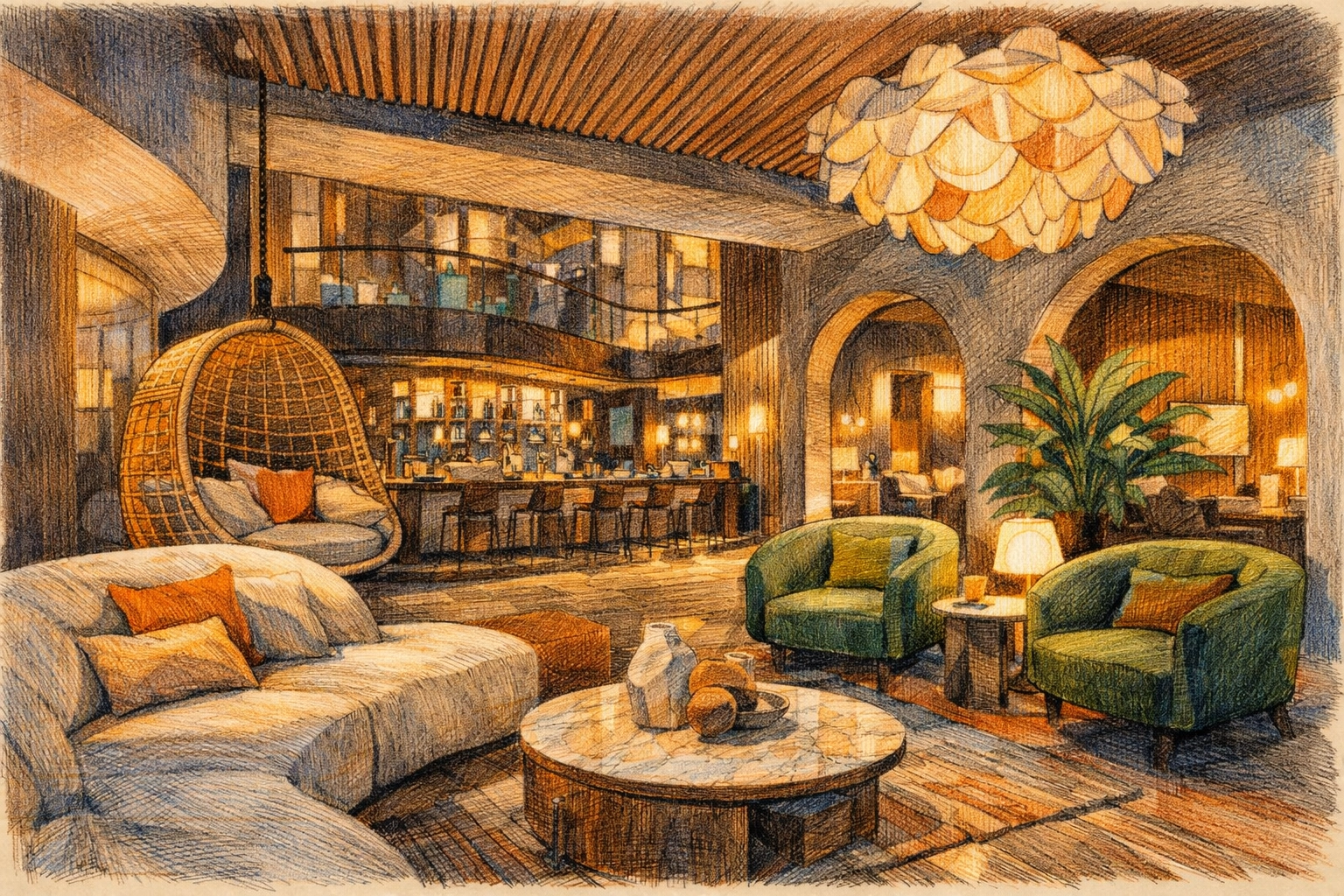
If you’ve spent any time looking at the world’s most stunning hotels over the last two decades, you’ve likely encountered the work of Patricia Urquiola: even if you didn’t know it at the time. Based in Milan but born in Spain, Urquiola has become a powerhouse in the hospitality design world. She doesn’t just design rooms; she designs experiences that feel both incredibly high-end and surprisingly like home.
At My Hotel Design, we’re always looking at how the greats do it. When it comes to Patricia Urquiola, the secret sauce is her ability to mix "comfort" with "high-end." Usually, those two things are at odds. High-end can feel cold or stiff, and comfort can sometimes look a bit too casual. Urquiola finds the sweet spot right in the middle.
In this deep dive, we’re going to look at her philosophy, her obsession with materials, and two of her most iconic projects: the Mandarin Oriental Barcelona and Hotel Il Sereno.
The Urquiola Philosophy: Human-Centric Design
Before we get into the literal nuts and bolts of her work, we have to talk about her mindset. Urquiola was a student of the legendary Achille Castiglioni, and you can see that influence in everything she touches. Castiglioni taught her that design should be about the person using the object or the space, not just the "look" of it.
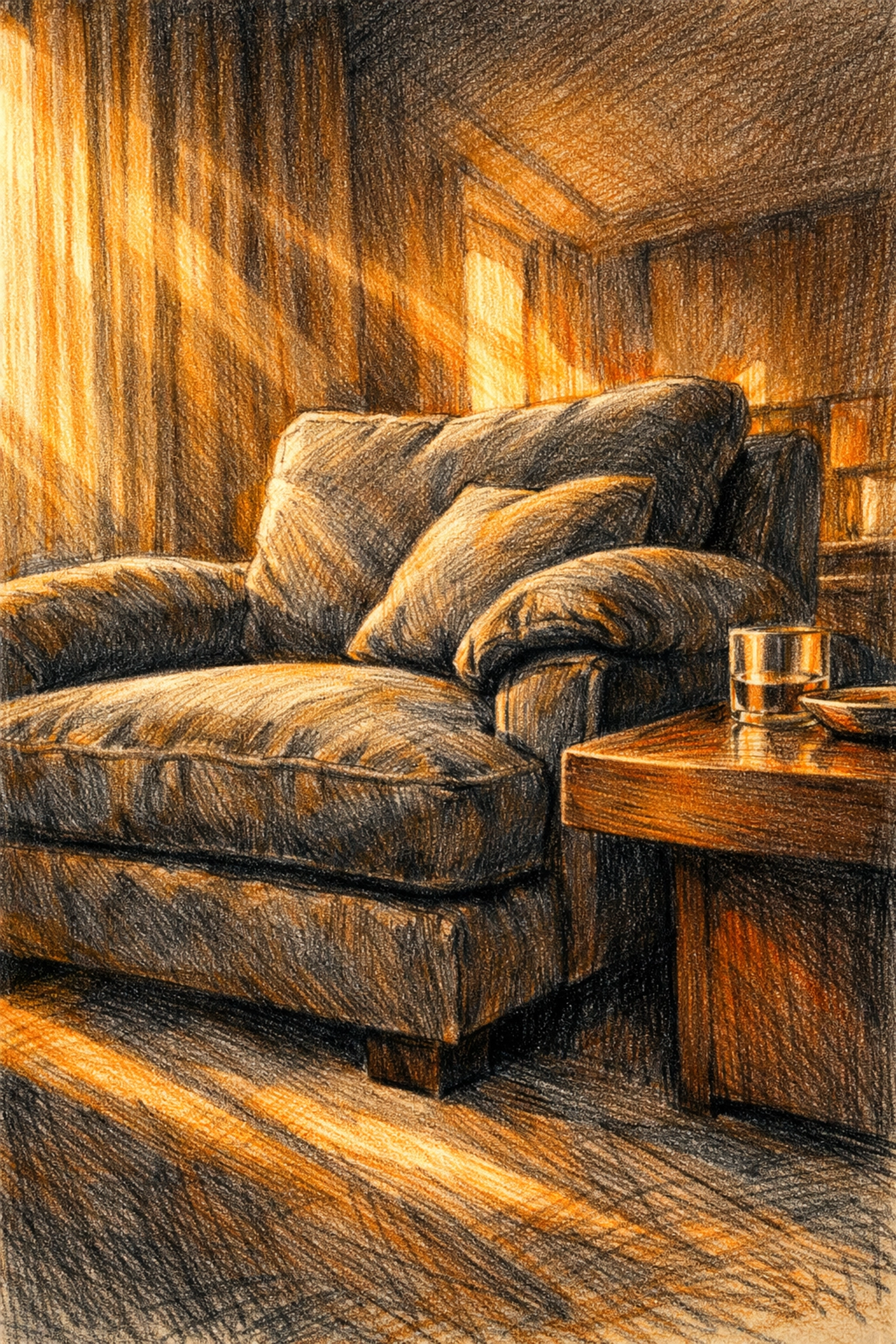
In hospitality, this is a game-changer. Think about the last time you stayed in a "luxury" hotel. Was the chair in the corner actually comfortable, or was it just there to look expensive? Urquiola’s work is a reaction against the "museum-style" hotel room. She wants you to touch the walls, sink into the sofas, and feel a sense of ease the moment you walk through the door.
She calls her approach a search for "empathy." She wants the guest to feel like the space was built specifically for their needs. This human-centric approach is why her hotels don't just win design awards: they stay booked.
A Masterclass in Materials and Textures
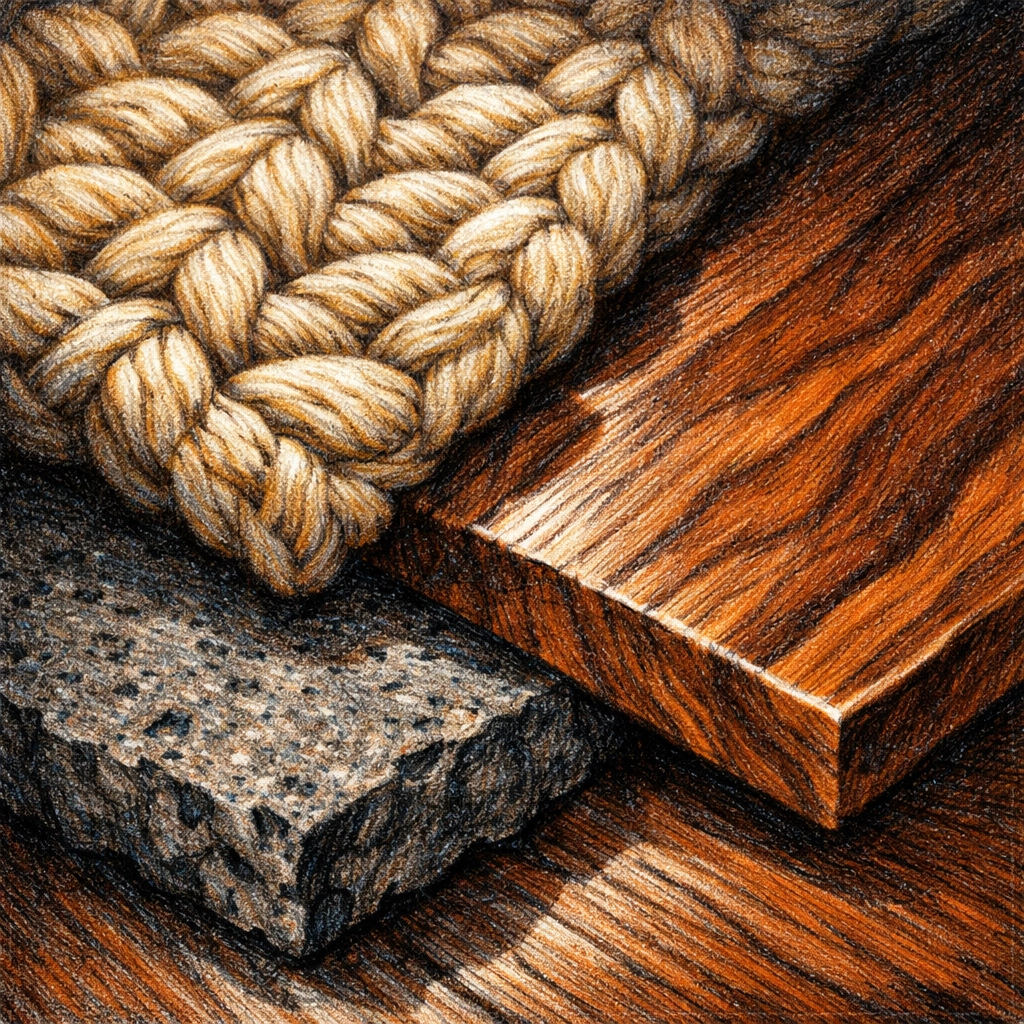
If there is one thing that defines an Urquiola project, it’s the texture. She is a master of materiality. While some designers stick to a safe palette of marble and wood, Patricia isn't afraid to experiment with 3D knitting, recycled glass, intricate resins, and woven metals.
In hospitality, materials are everything. They are the first thing a guest interacts with. When they touch the bedside table or walk barefoot across a rug, they are forming an opinion about the hotel. Urquiola uses materials to create "layers" in a room. This layering adds depth and makes a brand-new hotel feel like it has a soul.
She often works with industrial manufacturers to push the boundaries of what a material can do. Whether it’s creating a tile for Mutina or a sofa for B&B Italia, she brings that product-design mindset into her hotel interiors. She understands how light hits a textured surface and how a specific fabric can change the acoustic feel of a lobby.
The Mandarin Oriental Barcelona: A Study in Modern Elegance
Let’s look at one of her most famous hospitality projects: the Mandarin Oriental Barcelona. Located on the prestigious Passeig de Gràcia, this hotel is a masterclass in how to merge a global luxury brand with local flavor and cutting-edge design.
The building was originally a bank, which usually means cold, imposing architecture. Urquiola turned that on its head.
The Grand Entrance
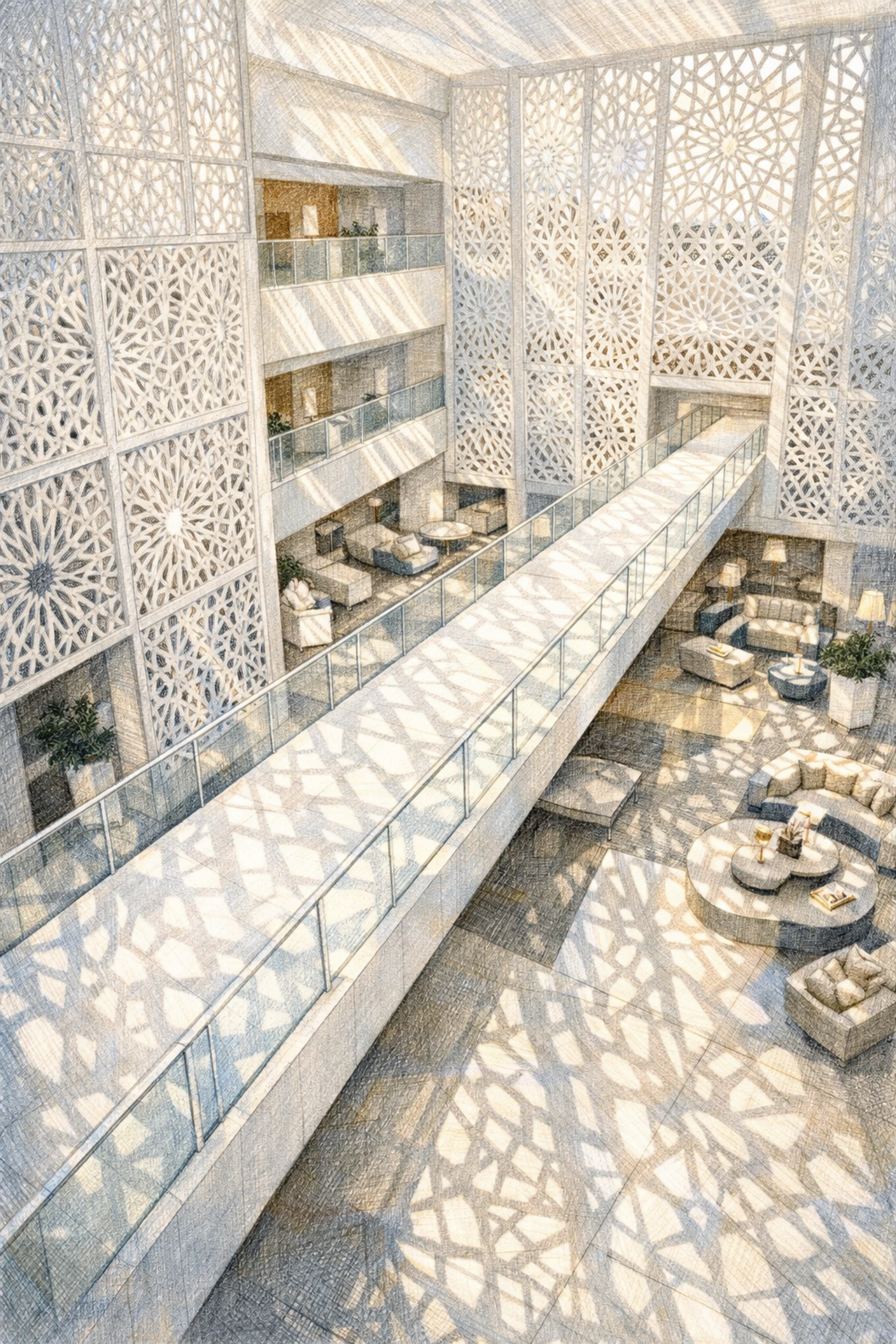
The first thing guests notice is the entrance ramp. It feels like a catwalk or a bridge leading you away from the busy streets of Barcelona into a private sanctuary. The use of white, perforated screens creates a play of light and shadow that feels modern but also nods to traditional Spanish lattice work.
The Atrium and "The Banker's Bar"
The central atrium is flooded with light, which is rare for a converted bank. Urquiola used light-colored materials and mirrors to bounce that natural light everywhere. But the real star of the show is the "Banker’s Bar." She kept the original security boxes from the bank and used them to decorate the ceiling. It’s a clever, cheeky nod to the building’s history while looking incredibly high-end.
The Guest Rooms
In the rooms, she moved away from the standard "hotel beige." She used a mix of light woods, high-quality leathers, and custom-designed rugs. The layout is open and fluid, often using screens instead of solid walls to divide the space. This makes even the smaller rooms feel airy and expansive.
Hotel Il Sereno: Redefining Lake Como Luxury
If the Mandarin Oriental is about urban sophistication, Hotel Il Sereno on the shores of Lake Como is about nature and serenity. Lake Como is famous for its old-world, neoclassical villas. When Urquiola was asked to design Il Sereno, she decided to do something completely different.
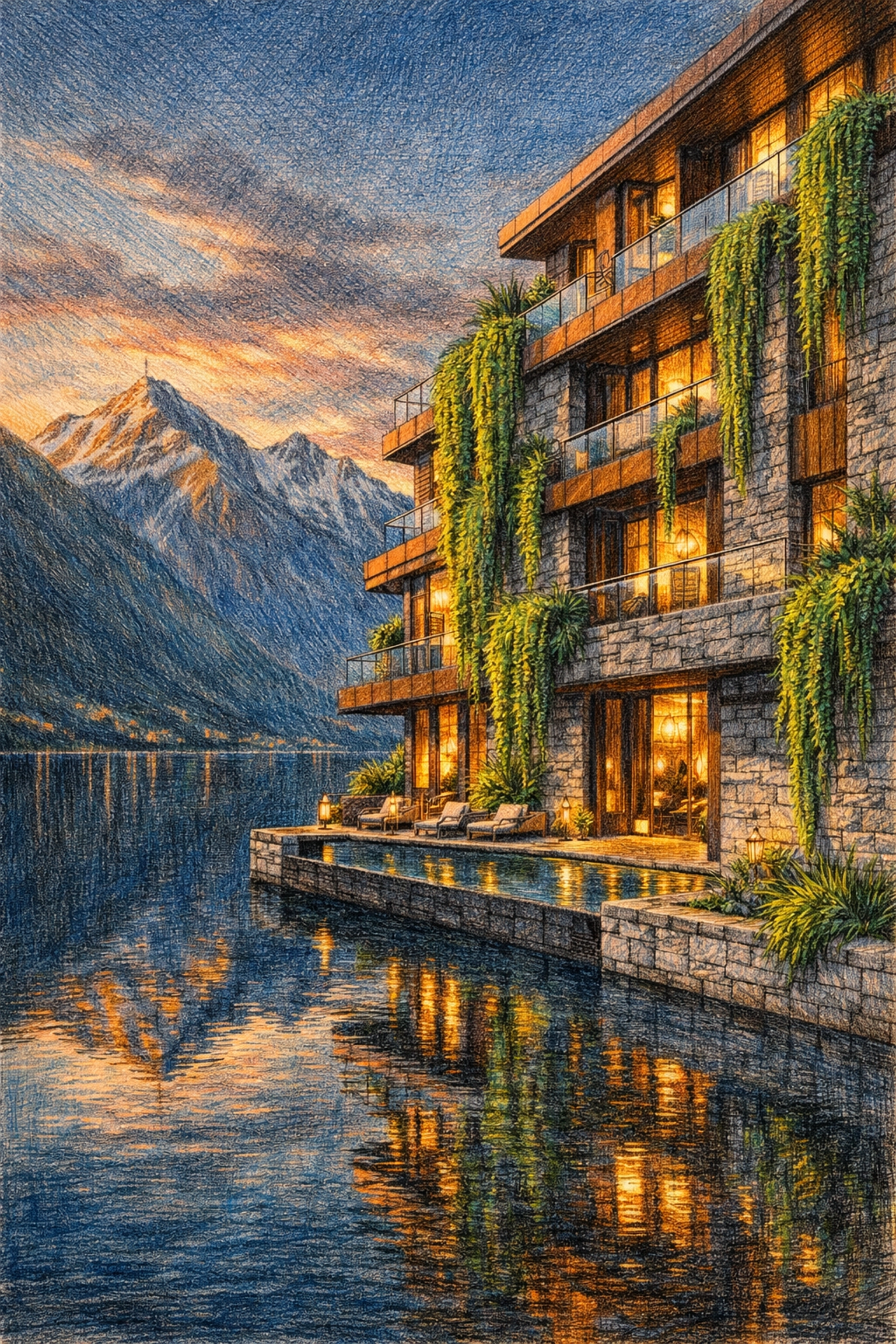
Instead of trying to replicate the 18th-century look, she built a contemporary masterpiece that feels like it’s growing out of the rock.
Integration with Nature
Urquiola used a palette of "earthy" materials: Pietra di Fossena (a local stone), bronze, and walnut wood. The goal was to make the hotel feel like an extension of the lake and the mountains. The floor-to-ceiling windows aren't just for the view; they are designed to blur the line between the interior and the exterior.
The Vertical Gardens
She collaborated with botanist Patrick Blanc to create stunning vertical gardens on the exterior walls. This isn't just "decor": it’s a living part of the design. It softens the modern lines of the building and connects the guests directly to the lush greenery of the region.
The Custom Furniture
Almost everything inside Il Sereno was custom-designed by Urquiola or selected from her collections with brands like Moroso and Cassina. This gives the hotel a "total look" that feels incredibly cohesive. Nothing feels like it was bought from a catalog; every chair, lamp, and table was chosen to serve the specific vibe of the lake.
Why Her Work Matters for Your Next Project
You might be thinking, "That’s great, Robert, but I don’t have a Mandarin Oriental budget."
The thing is, Urquiola’s principles can be applied to any hotel, regardless of the scale. Here are the three main takeaways we can learn from her:
- Don't Sacrifice Comfort for Style: If a guest can’t relax in the space, the design has failed. Always prioritize how a space feels over how it looks in a photo.
- Texture is Your Best Friend: You don't need expensive materials to create a high-end feel. Sometimes, the way you layer simple materials: like wood, linen, and stone: can create a sense of luxury that feels authentic.
- Tell a Story with the Location: Whether it’s using bank vaults in Barcelona or local stone in Lake Como, Urquiola always anchors her designs in the local context. This gives guests a sense of place that they can't get anywhere else.
The Future of Hospitality Interior Design
Patricia Urquiola is still pushing boundaries. Lately, she has been focusing more on sustainability and how to use upcycled materials in luxury settings. She’s proving that "eco-friendly" doesn't have to mean "rustic." It can be sleek, sophisticated, and incredibly high-end.
As we move forward in the hospitality industry, the demand for spaces that offer a "home away from home" experience is only growing. Guests want more than just a place to sleep; they want an environment that inspires them and makes them feel cared for.
Urquiola’s work is the blueprint for that future. She has shown us that you can have the most cutting-edge, modern design in the world, but if it doesn't have a heart, it’s just a room.
Final Thoughts
Designers like Patricia Urquiola remind us why we do what we do at My Hotel Design. Great design isn't about following trends; it's about solving problems and making people feel good.
Whether she’s designing a 5-star spa in Milan or a boutique hotel in the mountains, her commitment to comfort, materiality, and the human experience remains the same. If you’re looking for inspiration for your next hotel project, you couldn't find a better muse than Patricia Urquiola.
What do you think of her style? Is it too modern for your taste, or is it exactly what the hospitality world needs more of? Let us know( we love talking shop!)