If you’ve ever walked into a hotel lobby and felt like you were stepping onto a movie set or into a lived-in story, there’s a good chance David Rockwell had something to do with it.
I’m Robert Rupp, and here at My Hotel Design, we spend a lot of time dissecting what makes a space work. When it comes to the heavy hitters of the hospitality world, David Rockwell is at the top of the list. He didn’t just change how hotels look; he changed how they feel.
Rockwell is the founder of Rockwell Group, a firm that has spent the last four decades redefining the boundaries between architecture, theater, and hospitality. For anyone looking to break into boutique hotel interior design or master the nuances of luxury hospitality design, David Rockwell is the ultimate case study.
In this guide, we’re going to dive deep into his signature style, his biggest projects, and the lessons you can steal to level up your own design game.
The Foundation: Design as Theater
To understand Rockwell, you have to understand his background. His mother was a vaudeville dancer and choreographer. He spent his childhood in the theater, and that DNA is visible in every project he touches.
Rockwell doesn’t view a hotel as a collection of rooms and furniture. He views it as a narrative. In his world, guests aren’t just customers: they’re the cast.
Creating a Narrative
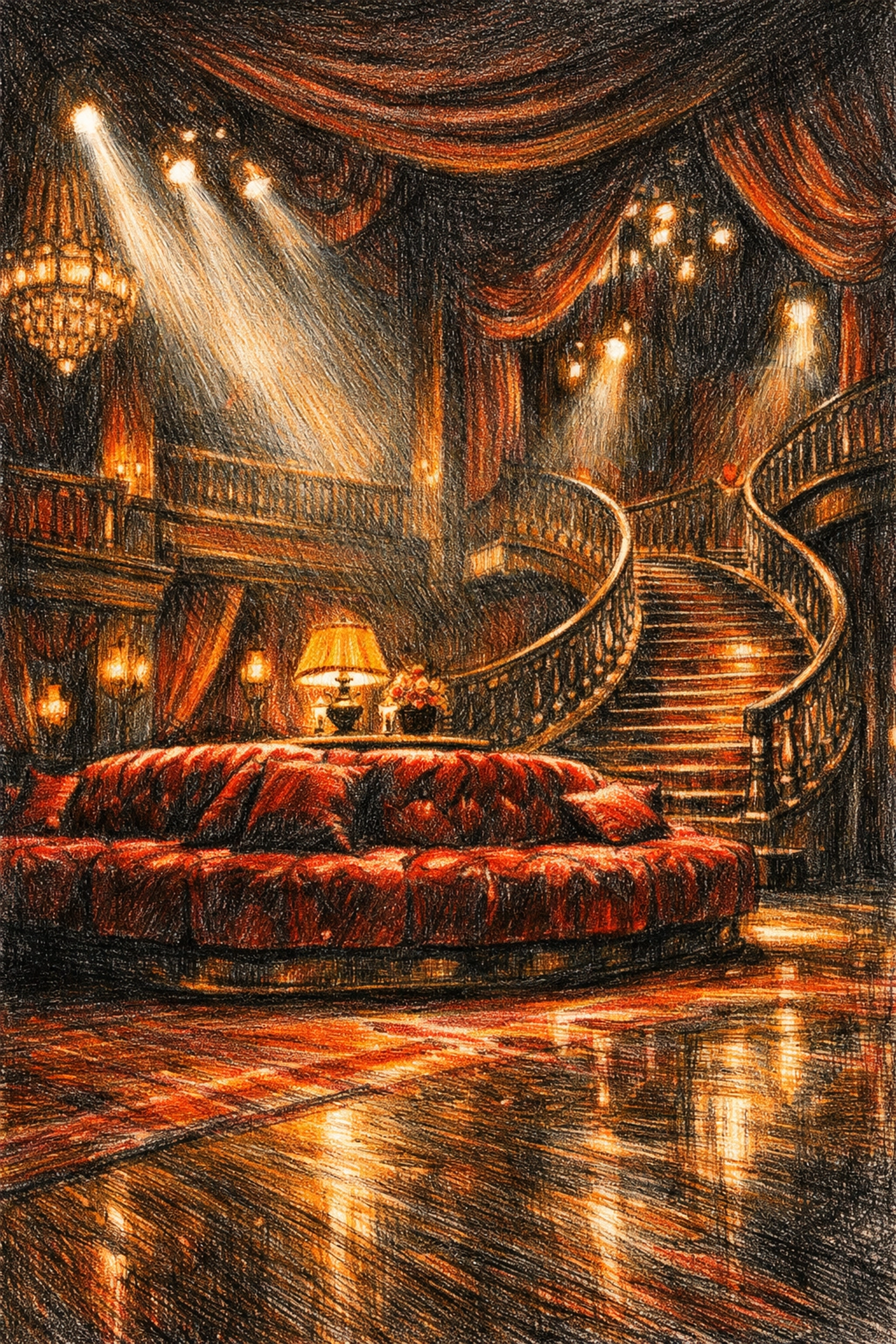
Every successful luxury hospitality design project needs a "why." Why are we here? What’s the story? Rockwell’s philosophy is built on the idea that a space should tell a story from the moment you see the front door to the moment you lay your head on the pillow.
He often talks about "the choreography of the guest experience." This means thinking about how people move through a space, where the lighting hits them, and how the materials feel under their hands. It’s about creating a series of "reveals" that keep the guest engaged.
Starting Small: The Restaurant Launchpad
One of the most interesting things about Rockwell’s career is how it started. He didn’t start by building 500-room resorts. He started with restaurants.
His breakthrough came with a 40-seat spot called Sushi Zen. He had four weeks to design a different project (Le Périgord) and that led to the Sushi Zen commission. It was small, but it was impactful.
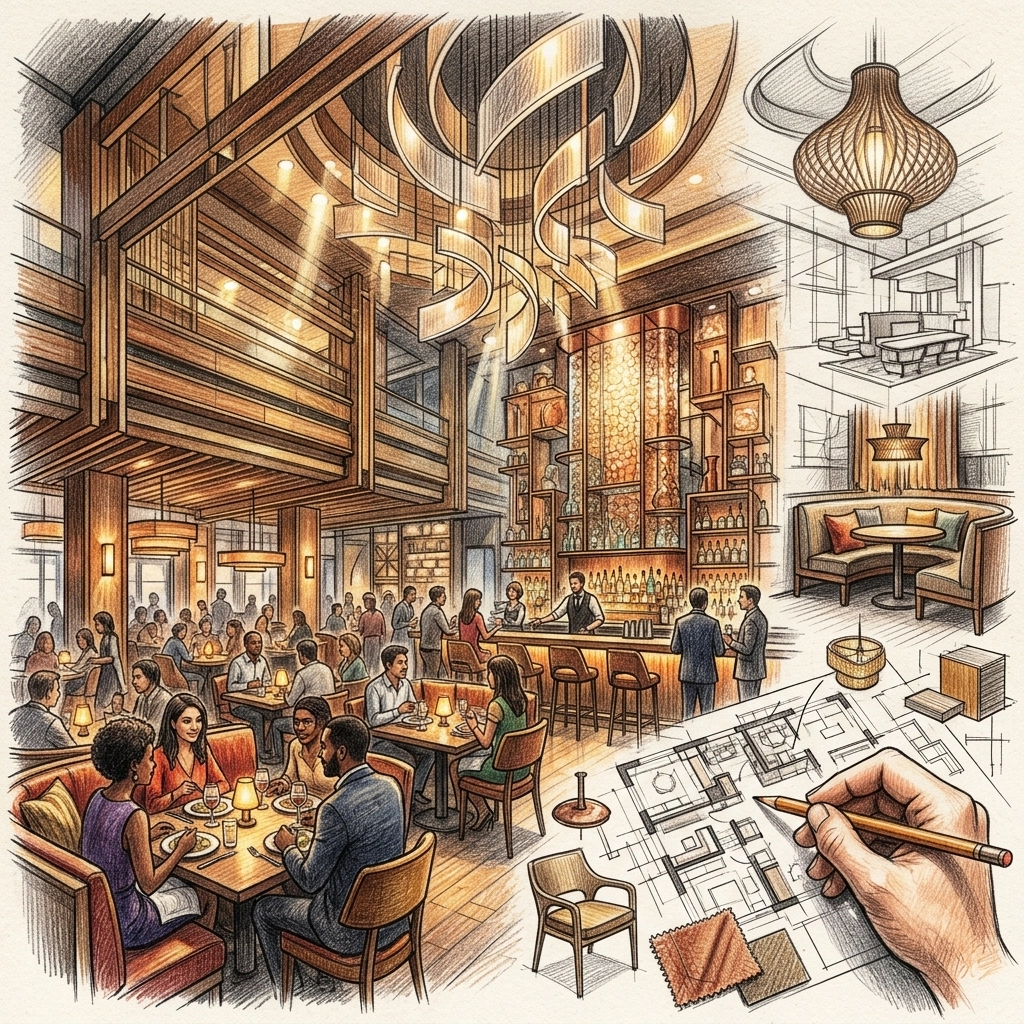
Why does this matter for you? Because restaurants are the laboratory of hospitality. They are high-intensity environments where every square inch has to work. If you can master the lighting, the acoustics, and the flow of a tiny restaurant, you’re building the muscles needed for a massive hotel project.
The Nobu Partnership
You can’t talk about Rockwell without talking about Nobu. His 25-year partnership with Chef Nobu Matsuhisa and Robert De Niro is the gold standard for designer-client relationships.
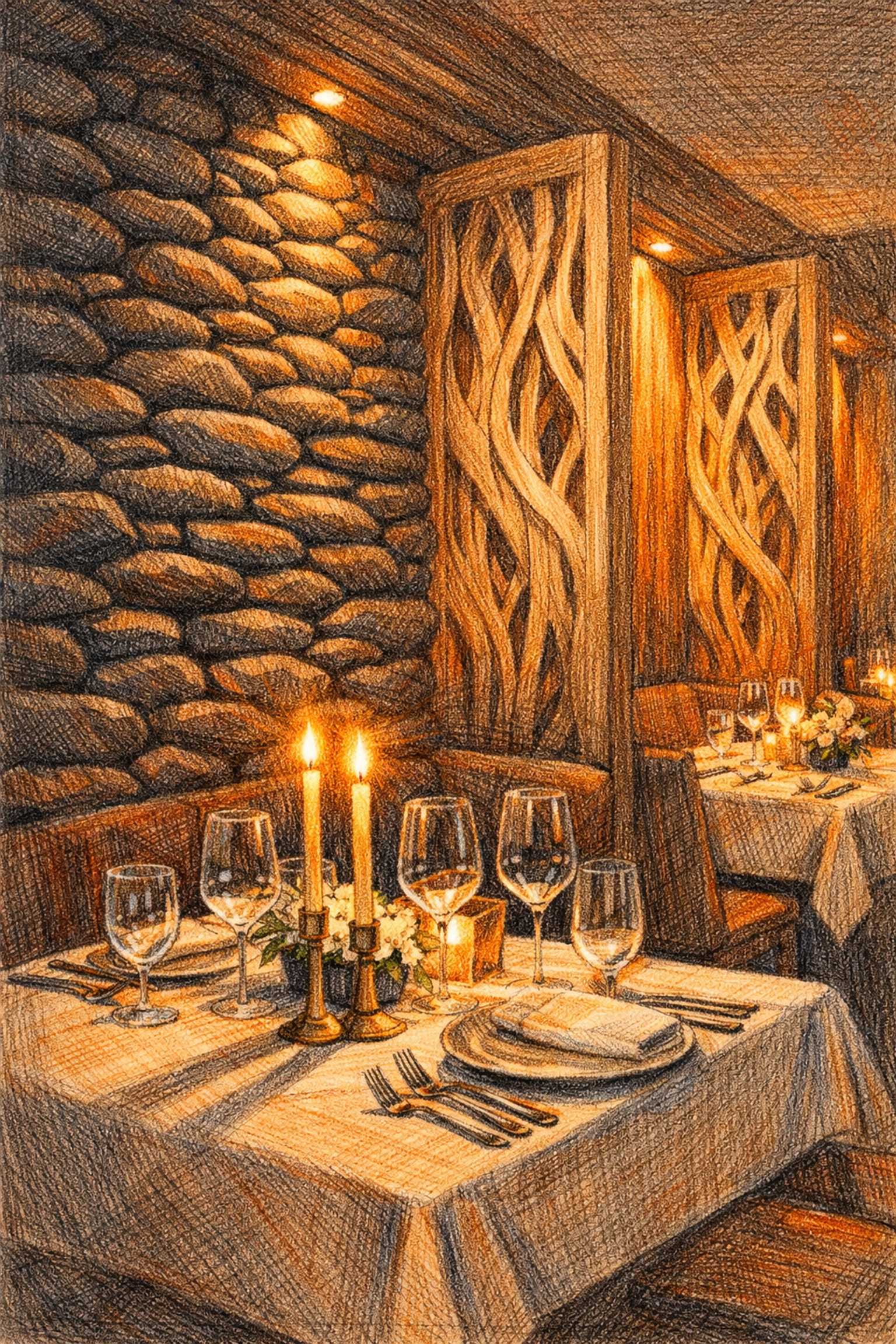
Starting with the first Nobu in New York, Rockwell used raw, natural materials: like river stones and hand-pressed paper: to create a look that was both rustic and incredibly high-end. This wasn't just "decorating"; it was creating a visual language for a brand that would eventually span the globe. It proved that boutique hotel interior design could be both intimate and globally scalable.
Redefining the Boutique Hotel: The W Era
In the late 90s, the hotel world was a bit… stiff. You had your traditional luxury hotels (very formal) and your budget hotels (very boring). Then came the W New York.
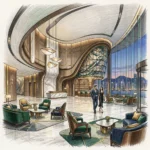
Rockwell Group was instrumental in creating the W brand identity. They took the "urban edge" of New York City and brought it inside. They made the lobby a "living room" where people actually wanted to hang out. They used mood lighting, upbeat music, and unexpected materials to make the hotel feel like a destination in itself.
This was a turning point for the industry. It showed that luxury hospitality design didn’t have to be stuffy. It could be cool, vibrant, and a little bit dangerous. It paved the way for the "lifestyle hotel" category that dominates the market today.
Sustainability and the "Rough-Raw" Aesthetic
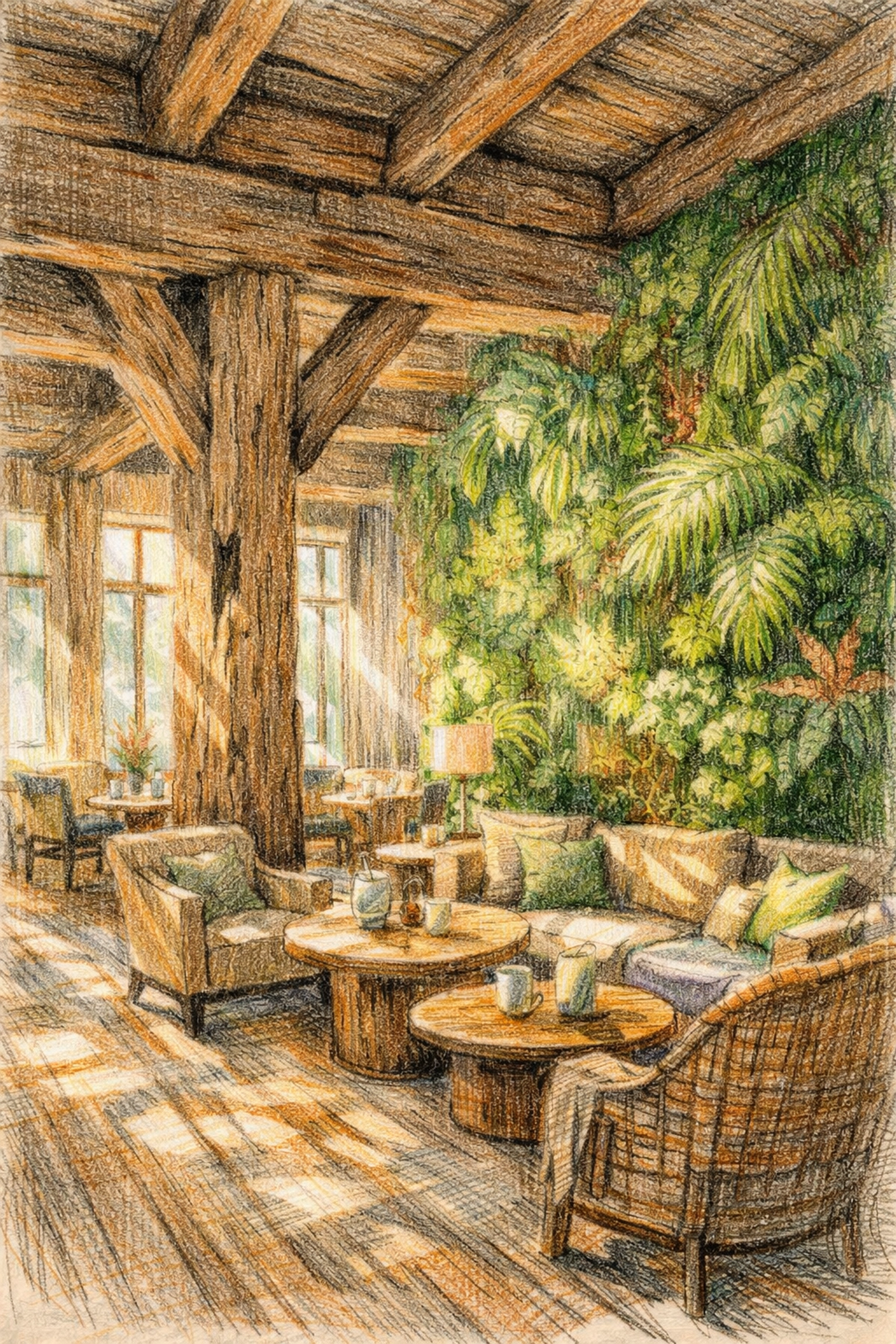
As we move into a new era of design, sustainable hotel architecture has moved from a "nice-to-have" to a "must-have." Rockwell has always had a knack for using natural, reclaimed, and "honest" materials.
Whether it’s the use of reclaimed wood at the 1 Hotel Central Park or the integration of greenery and light in his more recent works, he understands that sustainability isn't just about LEED certifications (though those are important). It's about creating spaces that feel connected to the earth.
Sustainable Hotel Architecture Lessons:
- Material Integrity: Use materials that age gracefully. A stone floor that looks better with a bit of wear is more sustainable than a plastic-based product that needs to be replaced every five years.
- Adaptive Reuse: Rockwell is a master of taking old buildings and giving them a new life (look at his work on the Greenwich Hotel).
- Community Impact: Sustainability also means supporting the local community. Rockwell’s COVID-era project, DineOut NYC, used design to help restaurants stay open with outdoor modular seating. It was a masterclass in how design can serve a social mission.
Key Projects to Study
If you want to "Rockwell-ify" your brain, here are the projects you need to look at:
- The Greenwich Hotel (New York): A masterclass in "lived-in" luxury. It feels like it’s been there for a hundred years, even though it’s relatively new.
- The Ritz-Carlton Boston: A perfect example of how to modernize a legacy brand without losing its soul.
- Nobu Hotels (Global): Look at how the design language evolves from city to city while keeping the core DNA intact.
- The Shed (New York): While more architectural than a hotel, this movable building shows his fascination with flexibility and "performance" in space.
How to Apply the Rockwell Method to Your Projects
You don't need a 250-person firm like the Rockwell Group to use these principles. Here is how you can implement his strategy in your own work:
1. Find the "Hero" of Your Story
Before you pick a single paint color, write down the story of your hotel. Who is the guest? Why are they here? If your hotel was a movie, what would the trailer look like? Use this narrative to guide every design decision.
2. Mix High and Low
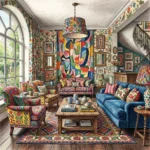
Rockwell loves to mix "the sensational with a rough and raw urban edge." Don’t be afraid to put a high-end velvet sofa next to a reclaimed wood wall. That tension creates interest.
3. Focus on the "Social Heart"
In modern boutique hotel interior design, the lobby is the most important room in the building. It shouldn’t just be a place to check-in. It should be a place to work, drink, meet, and people-watch. Design for social interaction.
4. Lighting is Everything
Coming from the theater world, Rockwell knows that lighting is the most powerful tool in a designer's kit. Use it to create "zones" and to change the mood of a room from day to night.
5. Build Long-Term Partnerships
Rockwell didn't become a legend overnight. He built his career on long-term creative partnerships (like the one with Nobu). Find developers, chefs, and operators who share your vision and grow with them.
The Future of Hospitality Design
As David Rockwell continues to evolve: moving into airport terminals, hospital spaces, and even playground design: the lesson for us is clear: Design is a universal language.
Success in luxury hospitality design isn't about following the latest trends on Pinterest. It’s about understanding human behavior, telling a compelling story, and being brave enough to bring a bit of theater into the everyday world.
At My Hotel Design, we believe that every hotel has the potential to be a stage for a great experience. Whether you’re working on a tiny 10-room boutique or a massive luxury resort, remember the Rockwell mantra: "It is all storytelling."
Now, get out there and start writing your next chapter.
Want more deep dives into the masters of hospitality design? Keep an eye on the My Hotel Design blog for our upcoming features on the architects and designers shaping our world.