If you’ve spent any time looking at the world’s most stunning hotels over the last decade, you’ve definitely seen the work of André Fu. Whether you knew it was him or not, his influence is everywhere. He’s the guy who took the "stuffy" out of five-star luxury and replaced it with something he calls "relaxed luxury."
I’m Robert Rupp, founder of My Hotel Design, and today we’re doing a deep dive into the man, the myth, and the architect. If you’re looking to master boutique hotel interior design, you need to understand André Fu. He didn't just design rooms; he changed the way guests feel when they walk through a lobby.
In this guide, we’ll look at how he bridges the gap between East and West, his "breakthrough" moment that changed everything, and how you can apply his principles to your own projects: including how to think about sustainable hotel architecture and luxury hospitality design.
Who is André Fu?
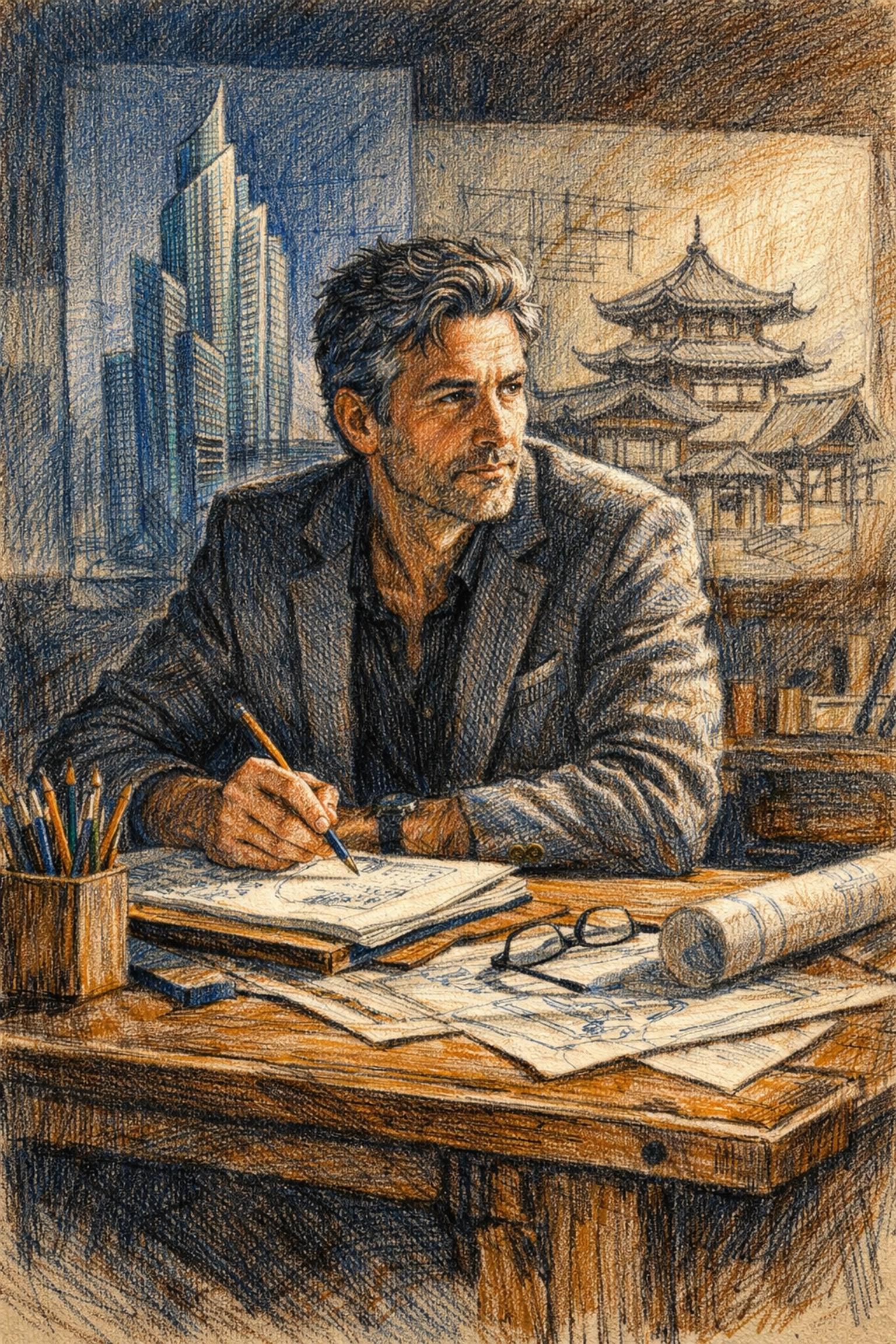
Born in Hong Kong and educated in the UK, André Fu is a bit of a design chameleon. He holds a Masters in Architecture from Cambridge, which gives him that rigorous, structural foundation. But his soul? That’s all about the "spirit of contemporary Asia."
He founded his studio, AFSO, in London back in 2000. For the first few years, he was doing high-end residential work and some smaller commercial spots. But in 2009, he got the call that would change his life: Swire Hotels wanted him to design The Upper House in Hong Kong.
The crazy part? He had zero hospitality experience at the time. He only had three employees. And yet, he created what is arguably one of the most influential hotels of the 21st century.
The Philosophy of "Relaxed Luxury"
Before André Fu, luxury often meant "more." More gold, more velvet, more giant chandeliers, and more stuff that made you feel like you couldn't touch anything.
Fu flipped the script. He pioneered "relaxed luxury." It’s a philosophy that prioritizes how a guest feels over how much money the furniture looks like it cost. Here are the core pillars of his style:
1. Comfort-Forward Minimalism
Fu’s work is minimal, but it’s never cold. He uses a lot of wood, bamboo, and natural stone. The lines are clean, but the textures are soft. It’s the kind of minimalism that invites you to kick off your shoes and stay a while.
2. Bridging East and West
Because he grew up between Hong Kong and London, he understands both worlds. He takes the European sense of proportion and beauty and marries it with Asian craftsmanship and "zen" sensibilities. It’s a balance that feels global yet deeply rooted in a sense of place.
3. Storytelling Through Space
Fu doesn’t just pick out nice chairs. He treats every hotel like a narrative. He wants guests to go on a journey from the moment they step out of their car to the moment they close their eyes in bed. This focus on "the journey" is a hallmark of top-tier boutique hotel interior design.
The Breakthrough: The Upper House (Hong Kong)
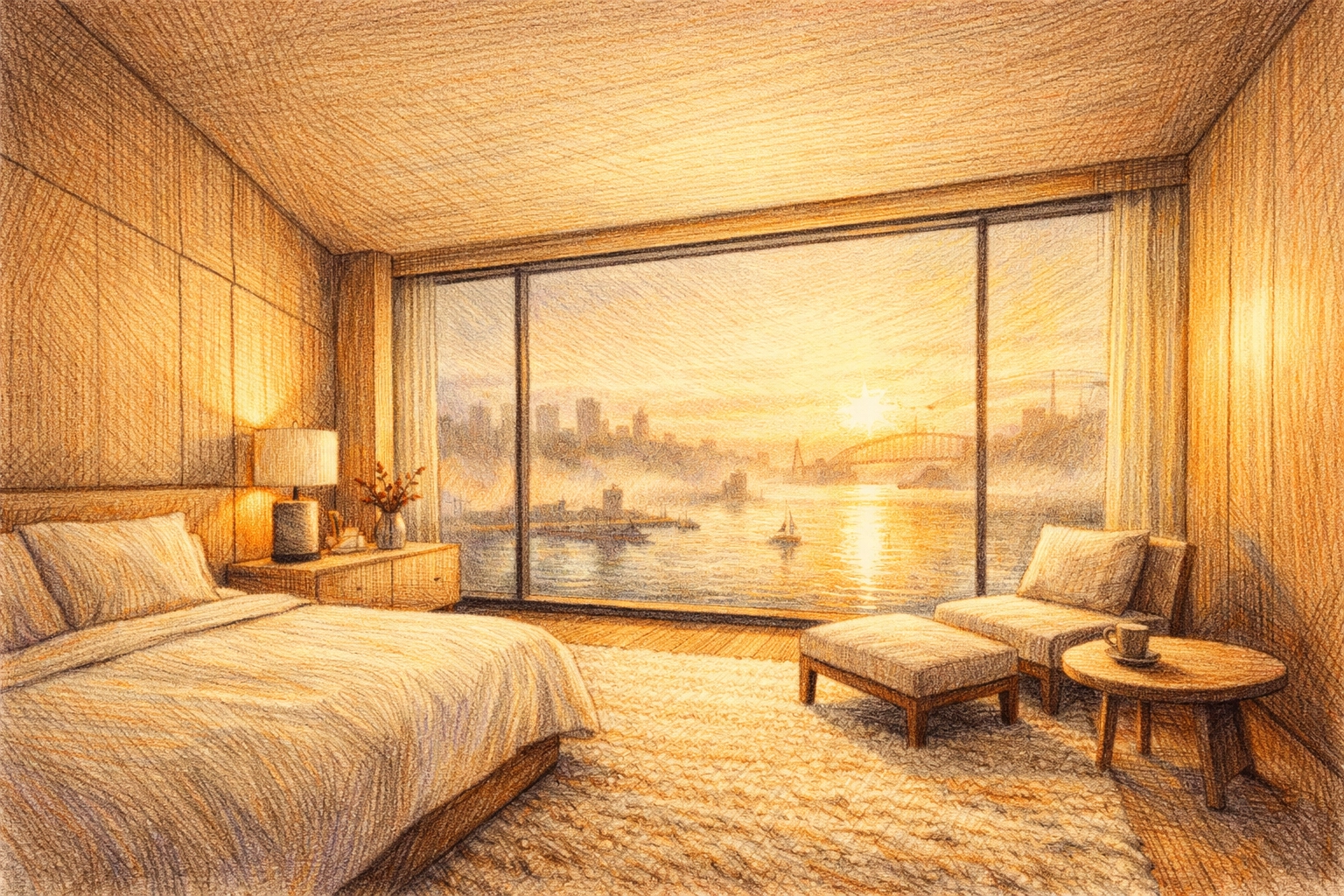
You can't talk about André Fu without talking about The Upper House. When it opened in 2009, it didn't have a traditional lobby. There was no massive check-in desk. Instead, it felt like a very, very wealthy friend’s private apartment.
He used a lot of "upward" motifs to signify leaving the busy streets of Hong Kong behind and ascending into a sanctuary. The use of warm woods and calming greens became the blueprint for modern luxury hospitality design. It was sustainable not just in materials, but in its timelessness: it still looks as modern today as it did nearly 20 years ago.
Major Projects That Defined the Industry
After The Upper House, everyone wanted a piece of Fu’s magic. His portfolio grew to include some of the most prestigious names in the world.
Hotel The Mitsui Kyoto
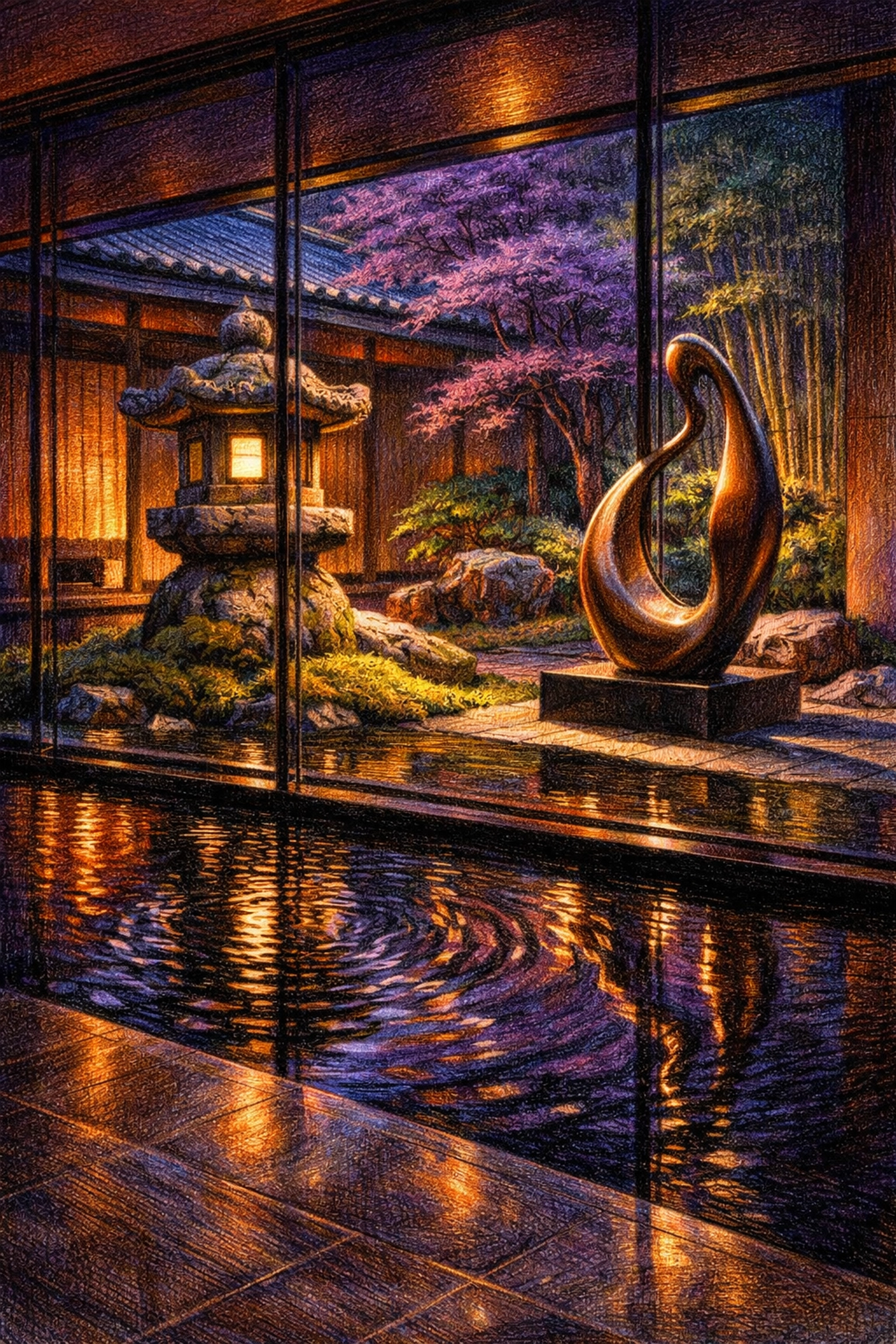
This project is a masterclass in respecting history while being modern. Located right across from Nijo Castle, Fu had to work with a site that had been in the Mitsui family for centuries. He integrated a 300-year-old gate into the entrance and focused heavily on the relationship between the interior and the traditional Japanese gardens. It’s a perfect example of how sustainable hotel architecture can mean "sustaining culture" as much as it means solar panels.
St. Regis Hong Kong
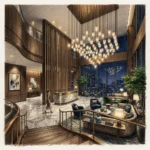
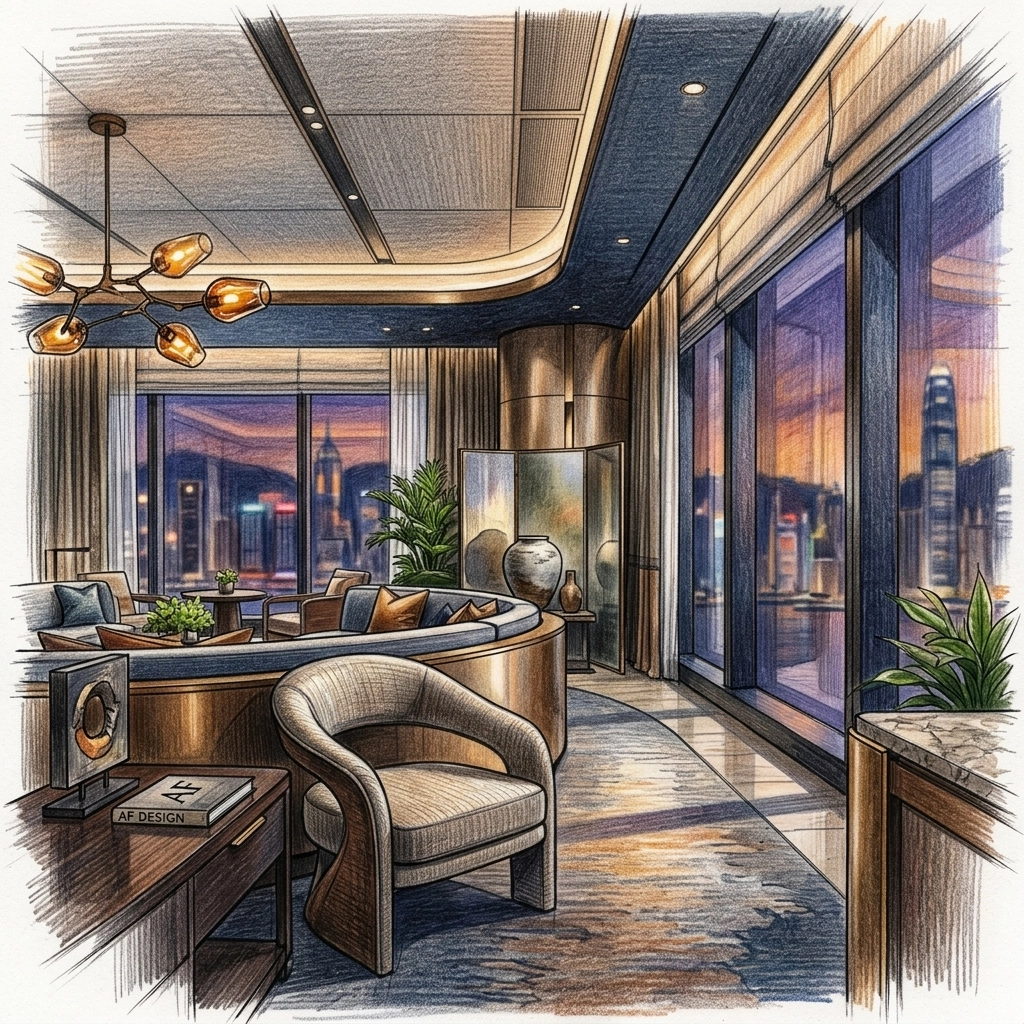
While The Upper House was about "home," the St. Regis was about "mansion." He took the classic St. Regis New York vibe and filtered it through a Hong Kong lens. He used high ceilings, dramatic lighting, and deep colors to create a space that feels incredibly grand but still intimate enough for a private conversation.
Villa La Coste (Provence)
This was his first big European resort project. Set in a vineyard in the south of France, Fu showed he could do "Mediterranean" just as well as "Asian." He used local stone and focused on the incredible light of Provence. It proved that his principles of comfort and sense of place are universal.
Lessons for Your Boutique Hotel Project
So, you’re looking to build or renovate a boutique hotel. How do you take these high-level André Fu concepts and make them work for you? Here are four takeaways:
1. Focus on the "Arrival"
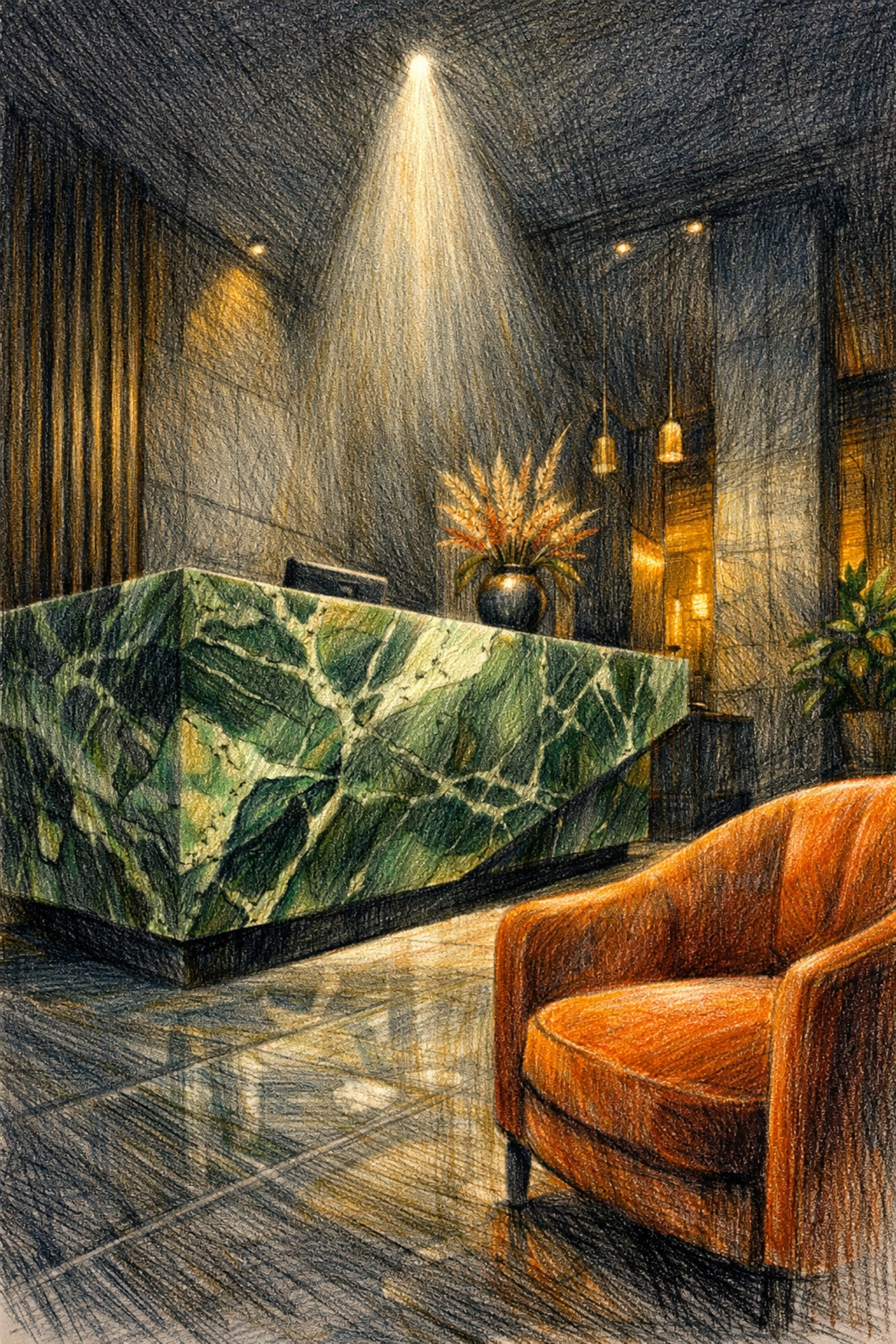
Don’t just put a desk in a room and call it a lobby. Think about what the guest sees, smells, and hears the second they walk in. Fu often uses dimmed lighting and signature scents to immediately lower a guest’s heart rate. In boutique hotel interior design, the first 30 seconds are everything.
2. Invest in Materiality
In Fu's world, the luxury is in the touch. If you’re choosing between a flashy-looking synthetic material and a simple, high-quality natural wood, go for the wood. It wears better, it feels better, and it aligns with the growing demand for sustainable hotel architecture. Guests are increasingly savvy about the environmental impact of their stay; using local, natural materials is a win-win.
3. Avoid Trends
Fu famously avoids "trends." He doesn't do "Instagrammable" walls just for the sake of it. He creates spaces that look good in photos because they are well-proportioned and beautifully lit. If you design for a trend, you’ll have to renovate in five years. If you design for comfort and quality, your hotel will stay relevant for decades.
4. Lighting is Your Best Friend
If you look at any André Fu project, the lighting is flawless. He uses layered lighting: ambient, task, and accent: to create different moods throughout the day. A lobby should feel bright and energetic in the morning but moody and sexy at night.
Sustainability and the Future of Hospitality
André Fu’s influence also touches on how we think about the lifecycle of a building. In the world of luxury hospitality design, sustainability isn't just a buzzword; it's a necessity.
Fu’s approach to sustainable hotel architecture is often about "longevity." By creating interiors that don't go out of style, he reduces the waste generated by frequent renovations. Furthermore, his preference for natural stones, reclaimed woods, and working with local craftsmen helps lower the carbon footprint of his projects. When you build something to last 30 years instead of 10, that’s a massive win for the planet.
André Fu Living: Beyond the Walls
In 2015, he launched André Fu Living (AFL). He realized that people didn't just want to stay in his hotels: they wanted to live in them. He started designing furniture, lighting, and even scents that people could buy for their homes.
He’s even collaborated with Louis Vuitton on their Objets Nomades collection. This tells us something important: great design isn't restricted to a building. It’s a lifestyle. Whether it’s a chair or a 500-room hotel, the principles remain the same: authenticity, comfort, and a bit of a story.
Final Thoughts
André Fu changed the game by proving that luxury doesn't have to be loud. It can be a quiet conversation, a soft texture, or a perfectly placed light.
For those of us in the hospitality industry, his work is a reminder that our primary job is to take care of people. If you start with the guest's comfort and build the design around that, you’re already halfway to success.
If you're planning a project and want to capture that "relaxed luxury" vibe, remember: keep it simple, keep it high-quality, and always tell a story.
What’s your favorite André Fu project? I’m partial to The Upper House: there’s just something about that view over the harbor that never gets old.
Until next time, keep designing.
: Robert Rupp, Founder of My Hotel Design