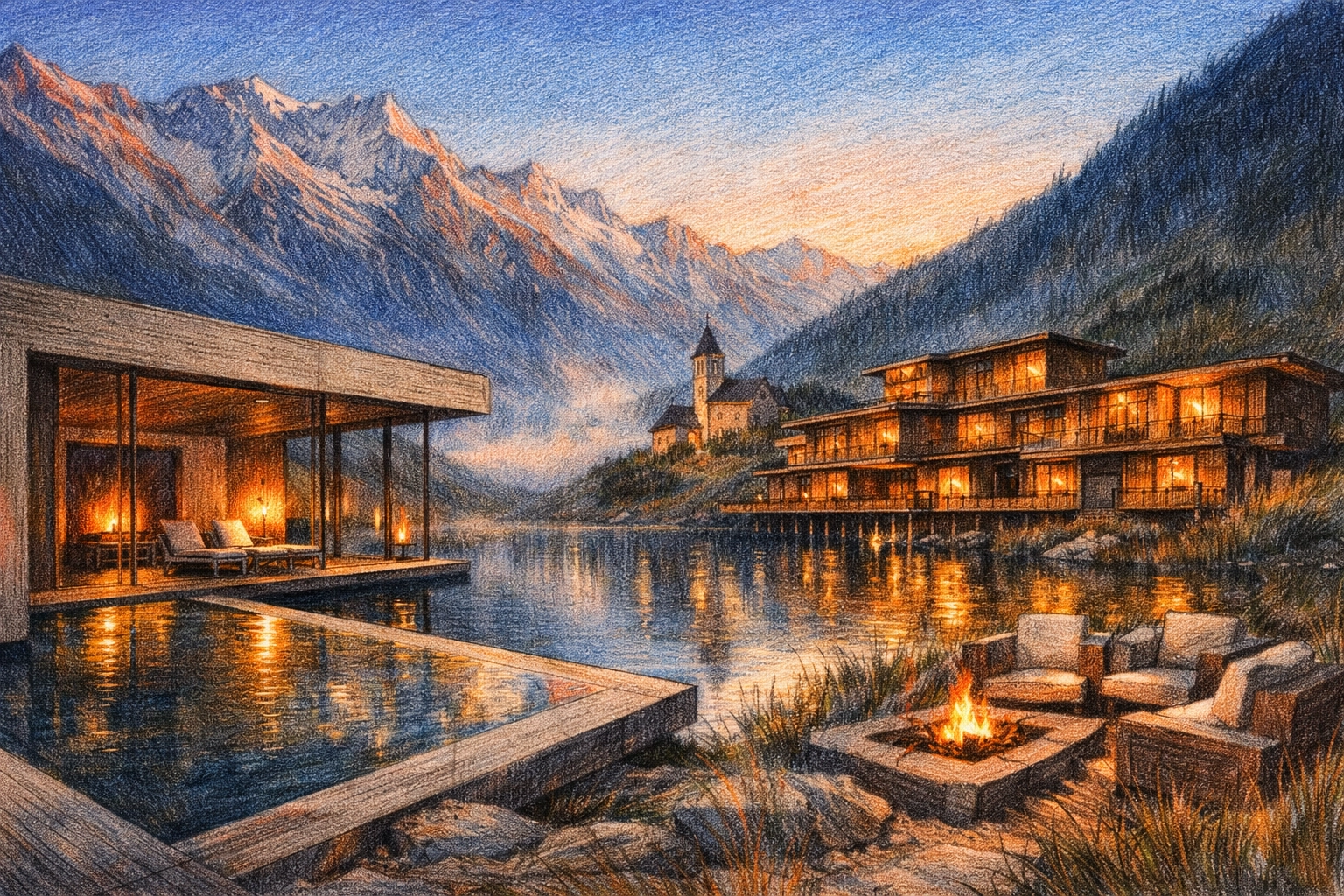
If you’ve spent any time looking into high-end architecture or luxury hospitality design, you’ve probably heard the name Peter Zumthor. He’s often called the "architect’s architect." He doesn’t have a massive firm with hundreds of employees, he doesn’t do flashy PR tours, and he’s incredibly selective about the projects he takes on.
So, why are we talking about him at My Hotel Design?
Because Zumthor represents the pinnacle of what a hotel should feel like. In a world of cookie-cutter "Instagrammable" hotels that look great in photos but feel hollow in person, Zumthor focuses on the one thing that actually matters: the experience of being there.
I’m Robert Rupp, and today we’re going to do a deep dive into the man, his methods, and why his work is the ultimate blueprint for anyone interested in boutique hotel interior design and sustainable hotel architecture.
The Cabinetmaker’s Son: A Background in Precision
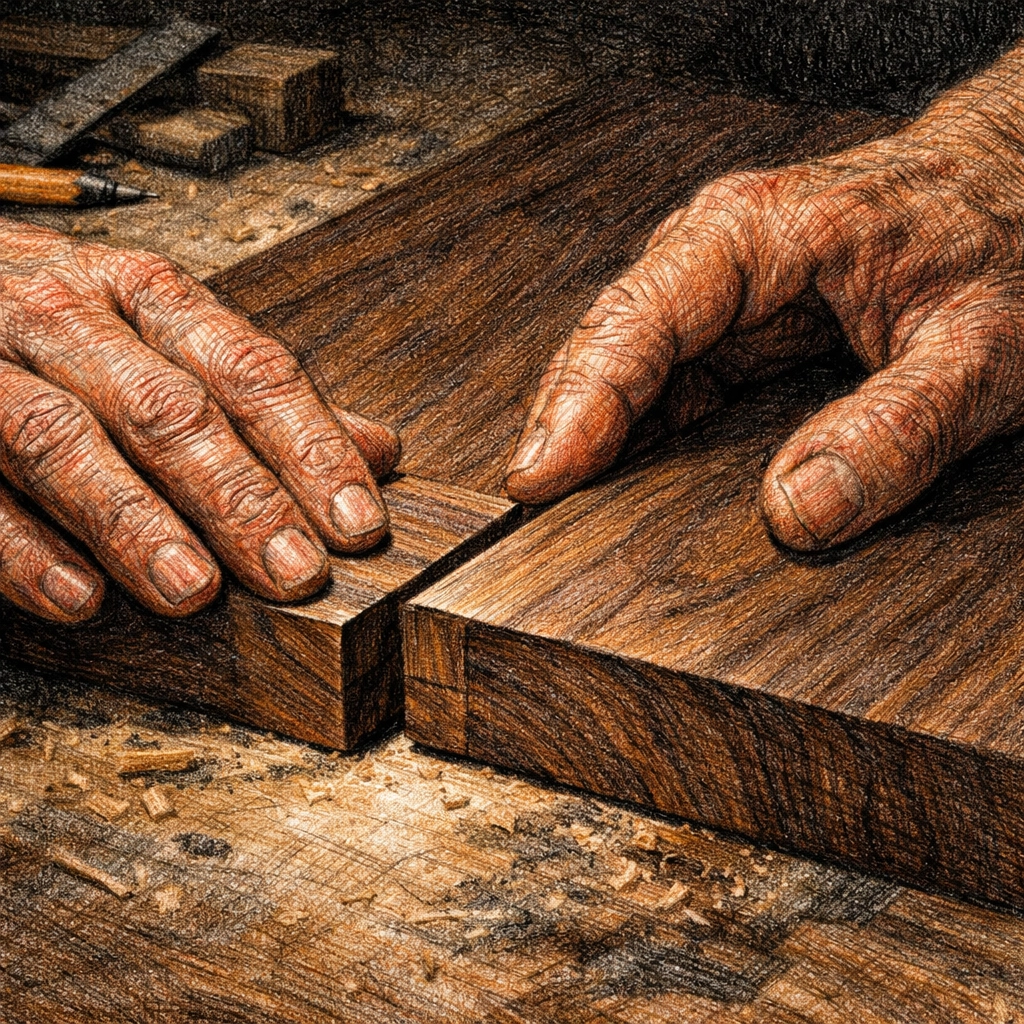
To understand Zumthor’s work, you have to understand where he started. Born in Basel, Switzerland, in 1943, he was the son of a cabinetmaker. He didn't start his career by drawing glass skyscrapers; he started by learning how to join wood.
That early training in craftsmanship is the DNA of everything he builds. Between 1958 and 1962, he mastered the tactile nature of materials. He learned how things fit together, how they smell, and how they age. Later, he studied at the Pratt Institute in New York and spent years working in historic preservation in the Swiss canton of Graubünden.
When you spend a decade looking at how medieval buildings stay standing and how local stone weathers over centuries, you develop a different perspective on "luxury." For Zumthor, luxury isn't a gold-plated faucet. It's the way light hits a textured wall at 4:00 PM.
The Philosophy of "Atmosphere"
Zumthor wrote a famous book titled Atmospheres. In it, he talks about architecture as a sensory experience. This is a crucial lesson for anyone in luxury hospitality design.
Think about the last hotel you stayed in. You might remember the color of the bedspread, but do you remember the sound of your footsteps on the floor? Do you remember the temperature of the air as you moved from the lobby to the elevator?
Zumthor focuses on:
- Materiality: He uses stone, wood, and concrete in their most raw, honest forms.
- Sound: He designs spaces to have a specific acoustic quality.
- Light: He treats light like a physical building material.
- Temperature: The physical sensation of the space.
In boutique hotel interior design, we often get caught up in "the look." Zumthor teaches us that the "vibe" is actually a collection of physical sensations. If you get the materials and the light right, you don't need a bunch of expensive furniture to make a room feel premium.
The Masterpiece: Therme Vals
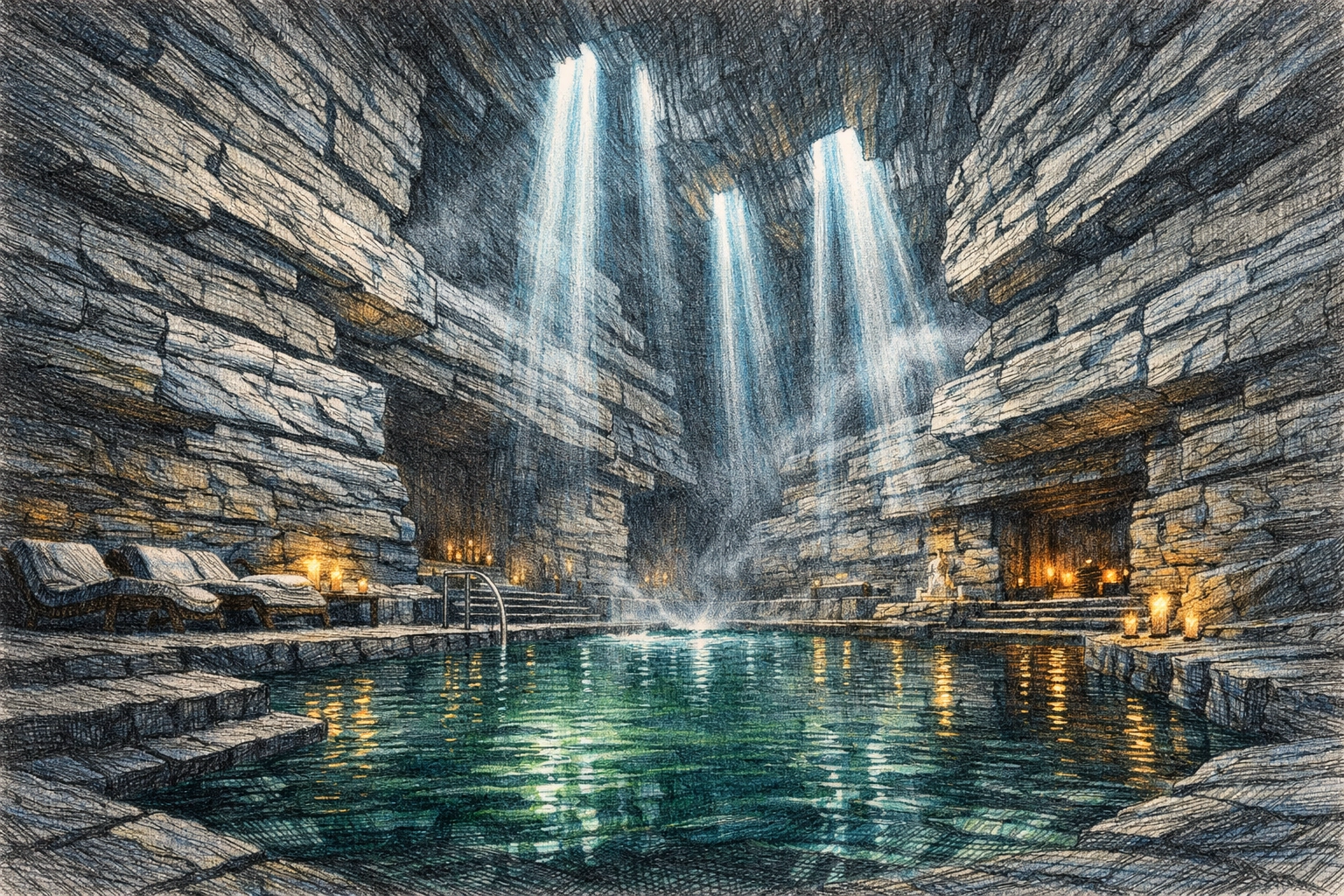
You can’t talk about Peter Zumthor and hospitality without talking about the 7132 Therme (formerly Therme Vals) in Switzerland. Completed in 1996, it is arguably the most influential spa and hospitality project of the last 50 years.
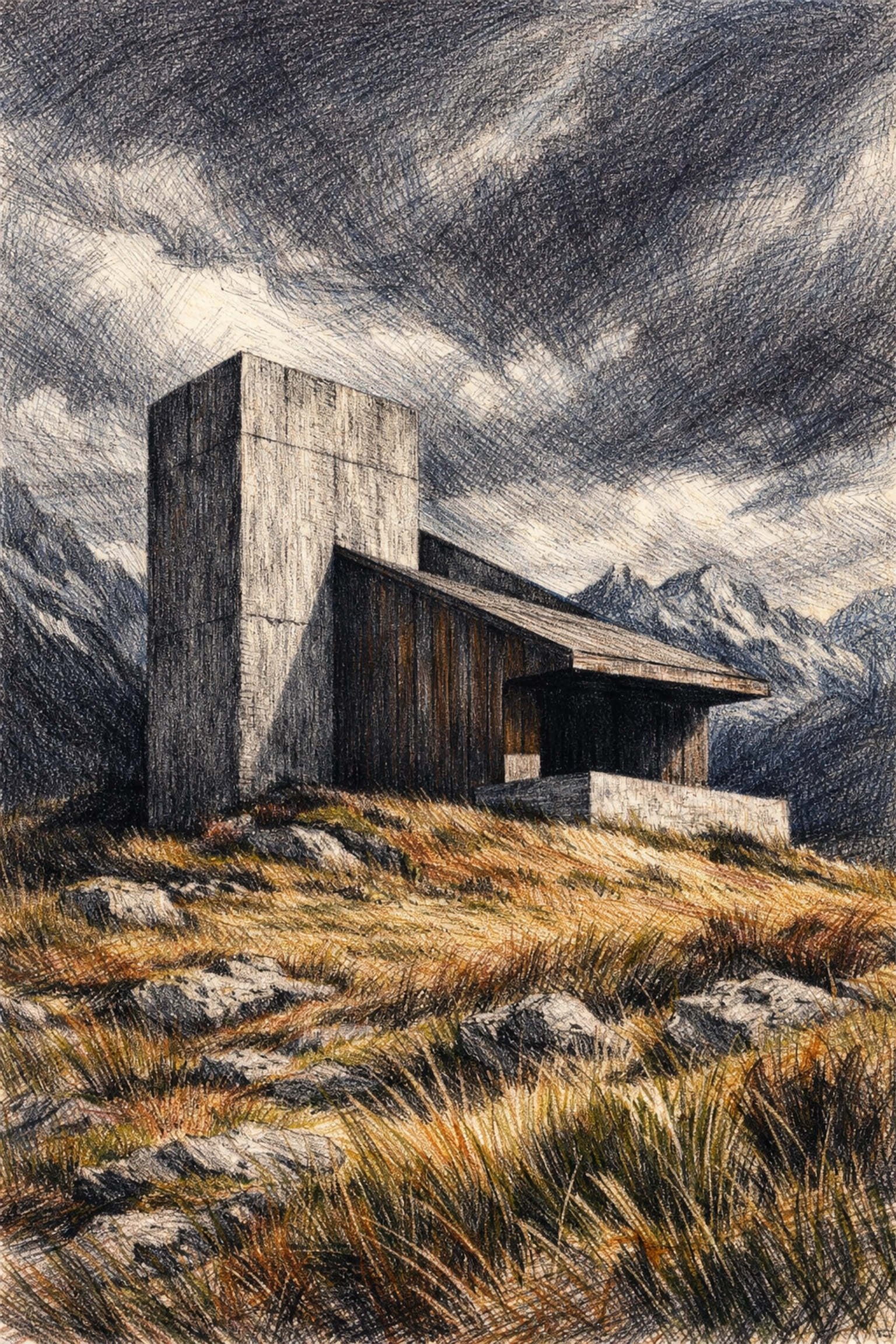
Built over the only thermal springs in the Graubünden Canton, the structure is literally built into the mountain. Zumthor used 60,000 slabs of local Valser quartzite stone. The result is a series of cave-like spaces that feel like they’ve existed for thousands of years.
Why It Matters for Hospitality Design
Therme Vals redefined what a "luxury" spa looks like. Instead of white tiles and bright lights, it’s dark, moody, and silent. It’s an immersive environment.
For hotel owners, the lesson here is about "place-making." Zumthor didn't try to build a generic modern spa. He built something that could only exist in that specific mountain, using that specific stone. This is the heart of sustainable hotel architecture: using what the earth provides in that exact location to create something timeless.
7132 Hotel: The Zumthor Guest Rooms
While Therme Vals is the main event, Zumthor also designed a series of guest rooms at the adjacent 7132 Hotel. These rooms are a masterclass in minimalism.
There are no flashy paintings on the walls. The walls are the art. Whether they are lined with dark stucco or light wood, the focus is on the texture. The furniture is sparse but perfectly placed. It’s a bold move in boutique hotel interior design to leave a room "empty," but Zumthor proves that when the proportions and materials are perfect, the emptiness feels like peace, not a lack of effort.
Sustainable Hotel Architecture: The Zumthor Way
Sustainability is a massive buzzword right now, but for Zumthor, it’s just common sense. His approach to sustainable hotel architecture isn't about slapping some solar panels on a roof and calling it a day. It’s about:
- Longevity: Building things that will look better in 100 years than they do today.
- Localism: Using materials found within a few miles of the site.
- Context: Designing buildings that respect the landscape rather than trying to dominate it.
Take his "Bruder Klaus Field Chapel" in Germany. While not a hotel, the construction method is legendary. He built a wooden frame, poured concrete around it, and then literally set the wood on fire to burn it away, leaving a charred, textured interior. It’s raw, it’s elemental, and it’s deeply connected to the earth.
When we apply this to hotel design, it means moving away from "fast fashion" interiors. Instead of buying trendy furniture that will be in a landfill in five years, Zumthor-inspired design focuses on stone floors, hand-carved wood, and finishes that develop a beautiful patina over time.
Applying Zumthor’s Logic to Your Boutique Hotel
You might be thinking, "Robert, I don't have a $50 million budget to build a stone temple in the Alps." I get it. But you can apply Zumthor’s principles to any boutique hotel interior design project, regardless of the budget.
1. Focus on the "First Touch"
In a hotel room, what are the first things a guest touches? The door handle, the light switch, and the floor. If those three things feel high-quality and solid, the guest will immediately perceive the room as luxurious. Use real metal, real wood, and real stone where it counts.
2. Control the Light
Most hotels over-light their rooms. Zumthor uses "omitted light." By creating shadows and pockets of darkness, you make the lit areas feel more significant. Use dimmers, indirect lighting, and natural light to create a sense of mystery and relaxation.
3. Acoustic Comfort
Nothing kills a luxury vibe faster than hearing a TV through the wall or the "clack-clack" of heels on cheap laminate flooring. Zumthor considers the "sound" of a room. Use heavy curtains, thick rugs, or textured wall finishes to dampen noise and create a "quiet" luxury.
4. Material Honesty
If it looks like wood, it should be wood. If it looks like stone, it should be stone. Guests can subconsciously tell when materials are fake (like "wood-look" vinyl), and it cheapens the experience. It’s better to have a smaller room with real materials than a large suite filled with plastic imitations.
The Influence on Modern Luxury Hospitality Design
Today, we see Zumthor’s fingerprints everywhere. From the minimalist Aman resorts to the "slow luxury" movement in Scandinavia and Japan, the industry is moving toward his philosophy.
People are tired of being overstimulated. They don't want more "features"; they want more "feeling." They want a hotel that feels like a sanctuary. That is the legacy of Peter Zumthor. He proved that architecture isn't about the building: it's about the person inside the building.
Final Thoughts
Peter Zumthor reminds us that great design is about subtraction, not addition. In luxury hospitality design, it’s easy to keep adding more amenities, more tech, and more decor. But usually, the most memorable hotels are the ones that give us the space to just be.
Whether you’re planning a 5-room bed and breakfast or a 100-room luxury resort, take a page out of Zumthor’s book. Focus on the materials, respect the location, and never underestimate the power of a perfectly placed beam of light.
If you want to dive deeper into how to bring this kind of "sensory luxury" to your next project, stick around. At My Hotel Design, we’re all about making spaces that don't just look good on a screen: they feel good in your soul.
Until next time,
Robert Rupp
Founder, My Hotel Design