If you’ve spent any time looking at the world’s most stunning hotels lately, you’ve probably seen the work of Andre Fu without even realizing it. He’s the designer who managed to make "luxury" feel like a deep breath rather than a crowded room.
At My Hotel Design, we talk a lot about how spaces make people feel. For a long time, luxury hospitality design was all about shouting. It was about gold leaf, massive chandeliers, and marble everything. It was meant to impress you, but it wasn't always meant to make you feel at home.
Andre Fu changed that conversation. By blending his Hong Kong roots with a British education, he created a style that bridges the gap between East and West, and more importantly, between "expensive" and "comfortable." Here is why he is currently the most influential name in the industry and how his work is redefining the way we think about high-end hotels.
The Shift from Opulence to Experience
For decades, the formula for a five-star hotel was pretty predictable. You walked into a lobby that felt like a cathedral, checked in at a massive desk, and went to a room filled with heavy drapes. Andre Fu looked at that and decided to do the opposite.
He famously said that luxury has evolved. It’s no longer about being ornate; it’s about a "relaxed, comfortable sensibility." In his world, the guest comes first, and the decor comes second. This might sound like common sense, but in the world of high-end boutique hotel interior design, it was actually quite radical.
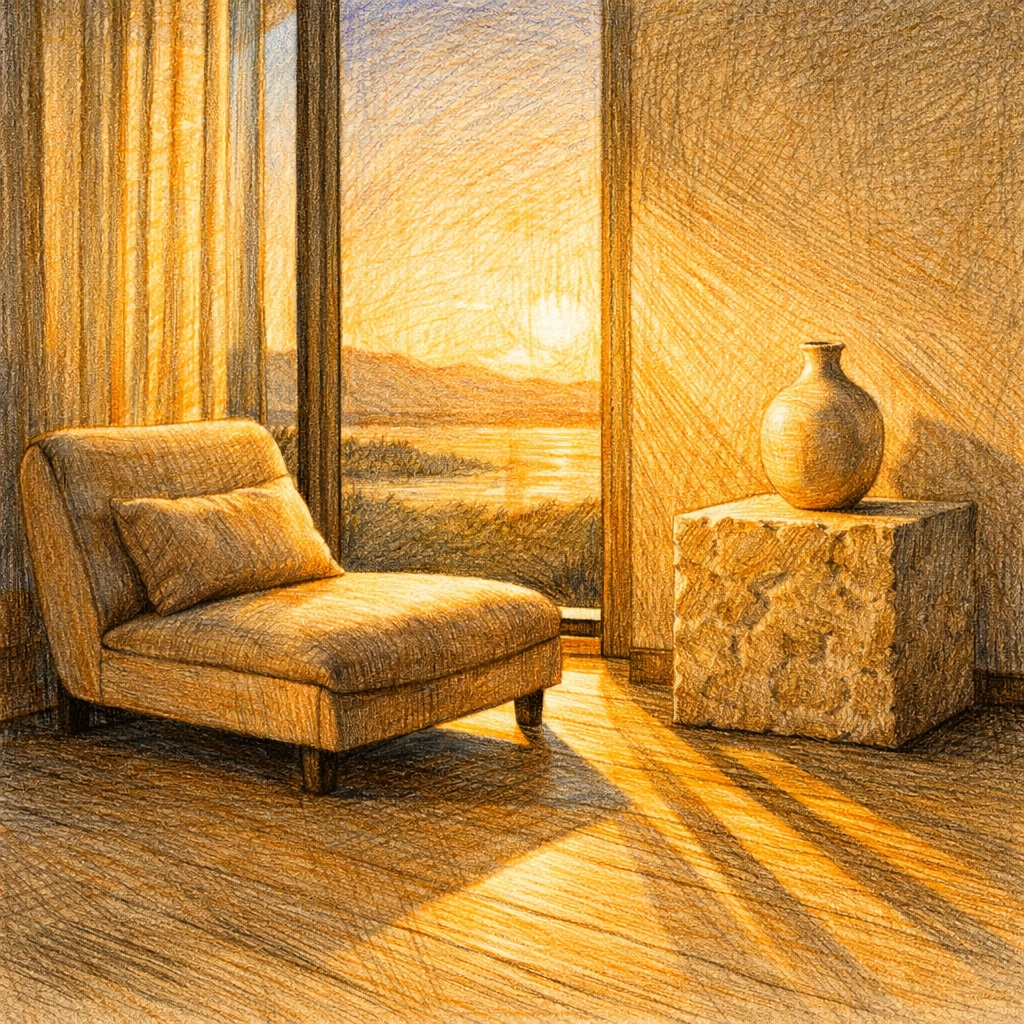
Instead of trying to win awards for the most expensive wallpaper, Fu focuses on what he calls a "mental collage." He wants to know how a guest feels when they wake up, where they put their coffee, and how the light hits the floor at 4:00 PM. Every design decision is made to serve a feeling of tranquility.
The Breakthrough: The Upper House
You can’t talk about Andre Fu without talking about The Upper House in Hong Kong. Opened in 2009, this project was the "big bang" for his career. At the time, Hong Kong’s luxury hotels were mostly grand, traditional, and very formal.
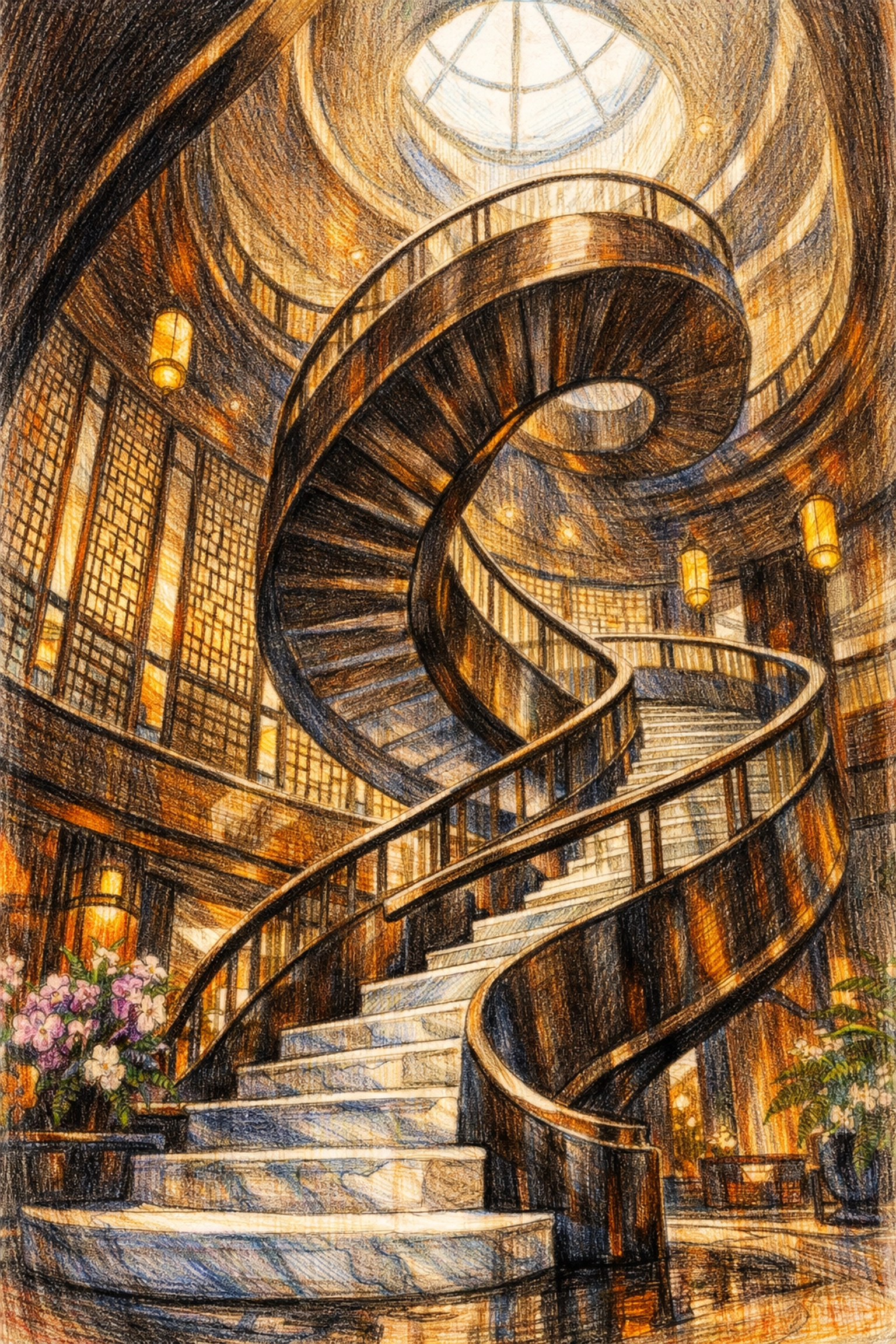
Fu turned a former serviced apartment building into a "calm journey." He stripped away the typical hotel lobby and replaced it with an escalator ride through a glowing bamboo-like enclosure. When you get to the rooms, they feel more like a very wealthy friend’s residence than a hotel. There are no check-in counters. There are no loud colors.
The Upper House proved that you could charge premium prices for a space that felt understated. It was the birth of "relaxed luxury," and it sent shockwaves through the industry. Designers everywhere started realizing that travelers were tired of stuffy environments. They wanted soul.
Bridging the East-West Divide
One reason Fu’s work feels so unique is his background. Born in Hong Kong and moved to England at age 14, he eventually earned his master’s in architecture from Cambridge. This dual perspective is his "secret sauce."
He understands the European principles of proportion and aesthetics, but he also deeply respects Asian traditions of craftsmanship and the importance of "flow." When you walk into a St. Regis or a Waldorf Astoria designed by him, you don't feel like you're in a "fusion" restaurant. You feel like you're in a space that has taken the best of both worlds to create something entirely new.
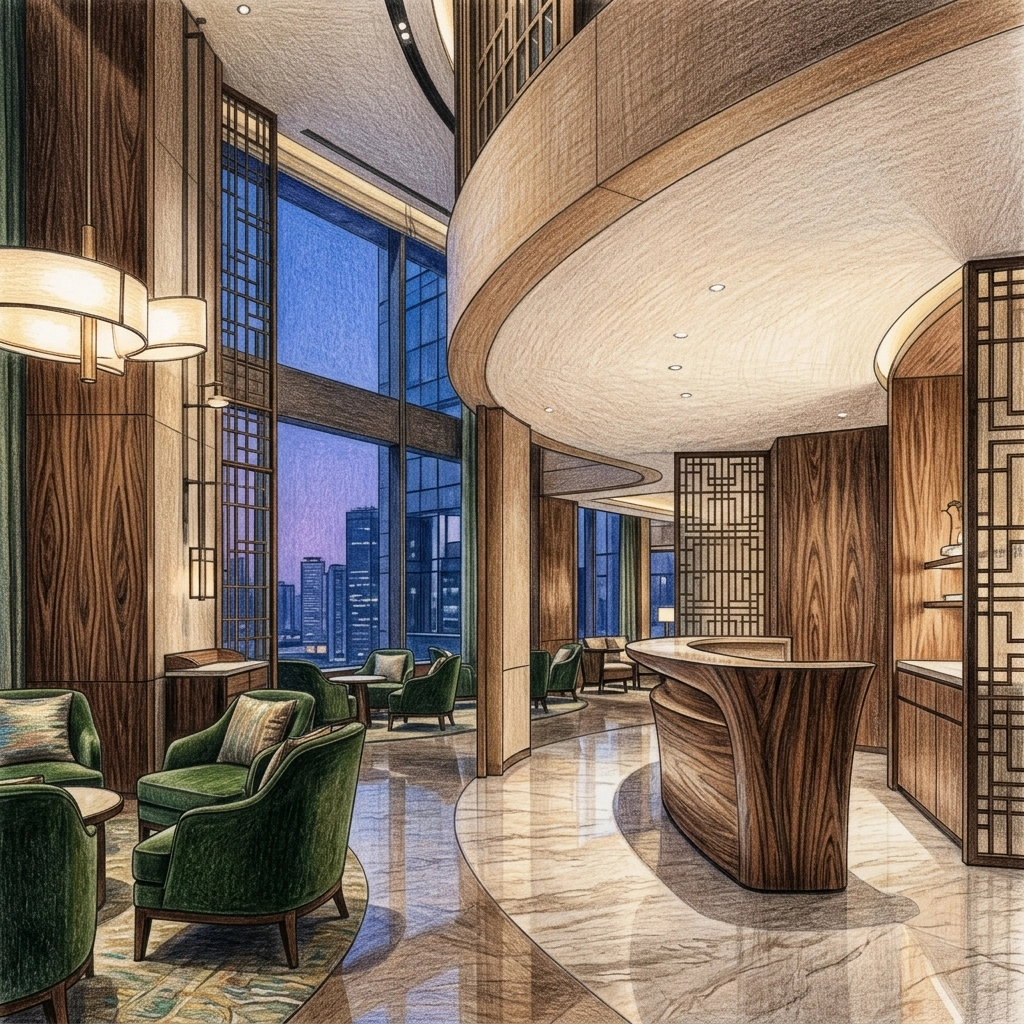
This hybrid approach is perfect for the modern traveler who is globally minded but wants to feel a sense of place. It’s not about putting a dragon on the wall to signify "Asia" or a Greek column to signify "Europe." It’s about the subtle use of materials: solid wood, hand-tufted rugs, and stone: that speak a universal language of quality.
Luxury Hospitality Design and Sustainability
When we think about sustainable hotel architecture, we often think about solar panels and greywater systems. While those are important, there is another side to sustainability: longevity.
The most "unsustainable" thing a hotel can do is undergo a full renovation every five years because its design has gone out of style. Andre Fu’s designs are notoriously "timeless." By avoiding trends and focusing on natural materials and classic proportions, his spaces stay relevant for decades.
His work also emphasizes a connection to the environment. Whether it's the way he frames a view of the forest in Kyoto or how he uses natural light in a London suite, his designs encourage guests to look outward. This "biophilic" approach: bringing the outside in: is a core pillar of modern sustainable hotel architecture. It’s about creating a space that feels like it belongs to the earth, not one that was dropped onto it from a spaceship.
Why Boutique Hotels Are Following His Lead
Even if you aren't building a 50-story skyscraper, there is a lot to learn from Fu for boutique hotel interior design. Small hotels often feel the need to "over-design" to stand out. They use loud patterns or quirky furniture to grab attention on Instagram.
Fu’s success shows that you don't need to be loud to be noticed. In fact, in a world that is increasingly noisy, silence is the ultimate luxury.
For a boutique property, this means:
- Prioritizing Tactility: Choosing fabrics and materials that feel good to the touch.
- Smart Layouts: Focusing on how a person moves through a room rather than just how it looks in a photo.
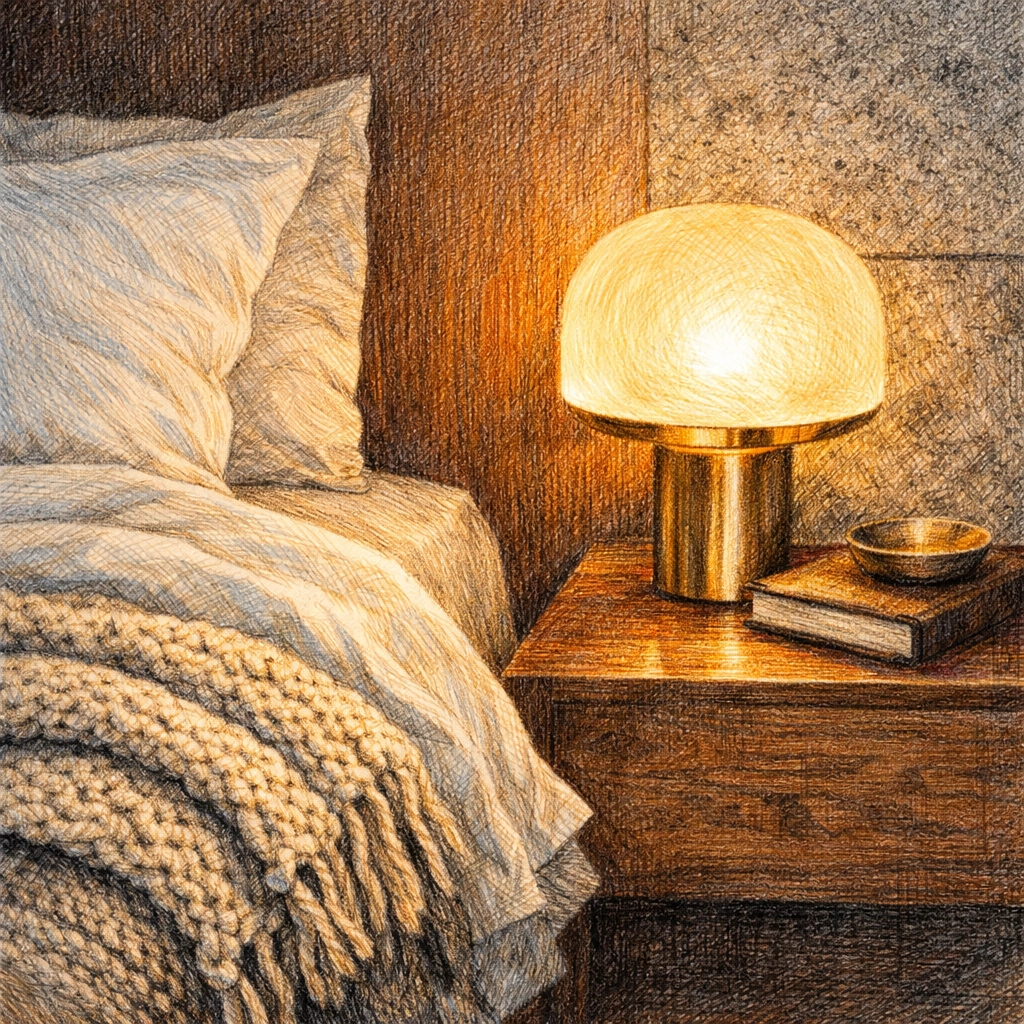
- The "Residential" Vibe: Making sure the lighting is warm and the seating is actually comfortable.
A Global Template for the Future
Today, Andre Fu is working with almost every major luxury brand you can think of: Maybourne Group, Claridge’s, and even Louis Vuitton for their "Objets Nomades" collection. His influence is everywhere because he solved a problem that the hospitality industry didn't know it had. He realized that "service" isn't just about someone carrying your bags; it’s about the environment serving your mental state.
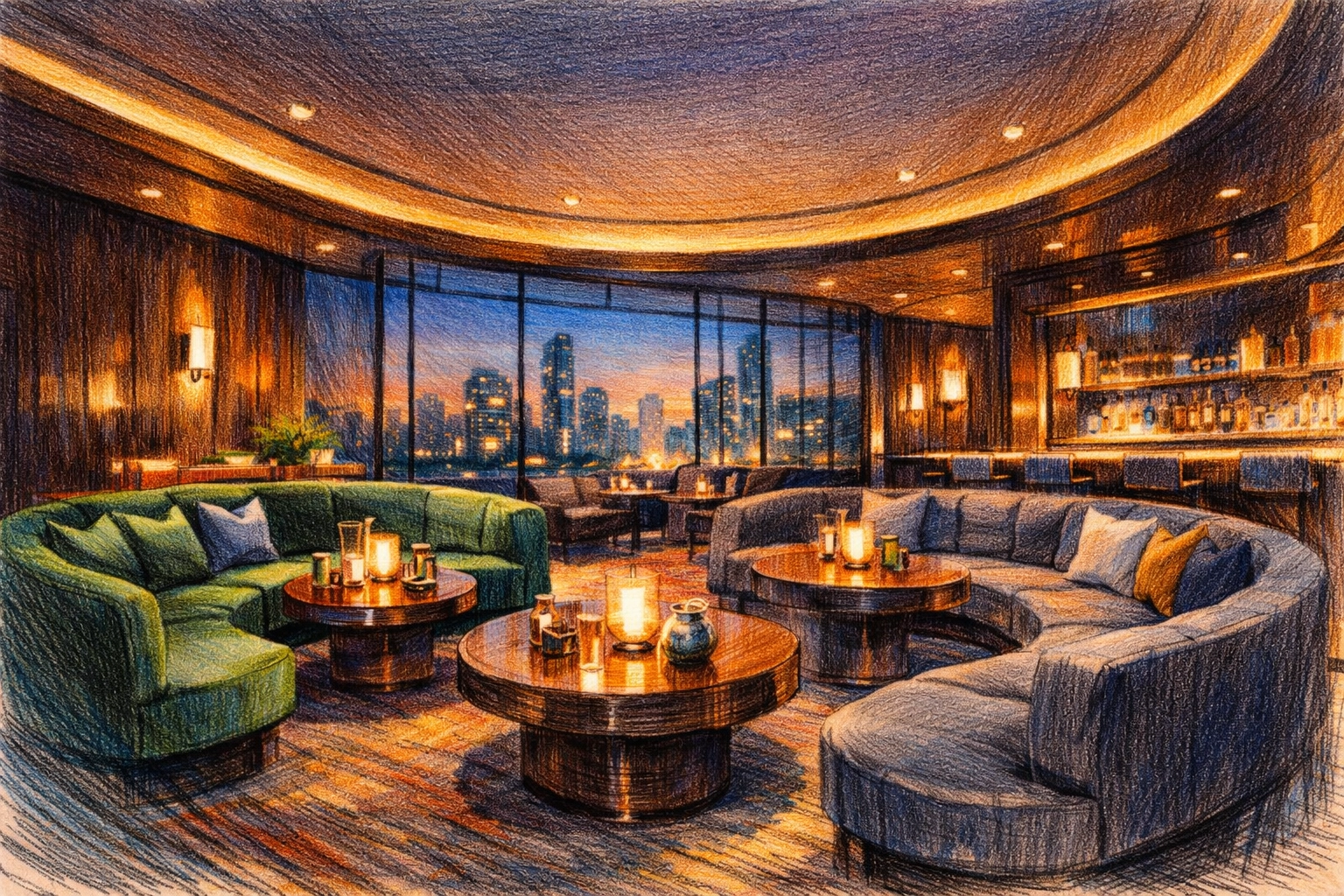
If you look at the newest luxury openings in Paris, Tokyo, or New York, you’ll see the "Fu Effect." You’ll see softer edges, more thoughtful lighting, and a move toward craftsmanship over flashiness.
Final Thoughts
At My Hotel Design, we believe that great design should be simple. It shouldn't require an explanation. When you walk into a room designed by Andre Fu, you don't need to be a design expert to know it's special. You just feel better.
Whether you’re a developer looking to build the next iconic landmark or a boutique owner wanting to refresh your space, the lesson from Andre Fu is clear: stop trying to impress your guests, and start trying to take care of them.
Luxury isn't a gold-plated faucet. It’s the feeling of being exactly where you belong, in a space that understands what you need before you even do. That is the future of luxury hospitality design, and we have Andre Fu to thank for leading the way.
Want to bring a touch of timeless design to your next project? At My Hotel Design, we help hospitality brands create spaces that guests never want to leave. Let’s build something together.