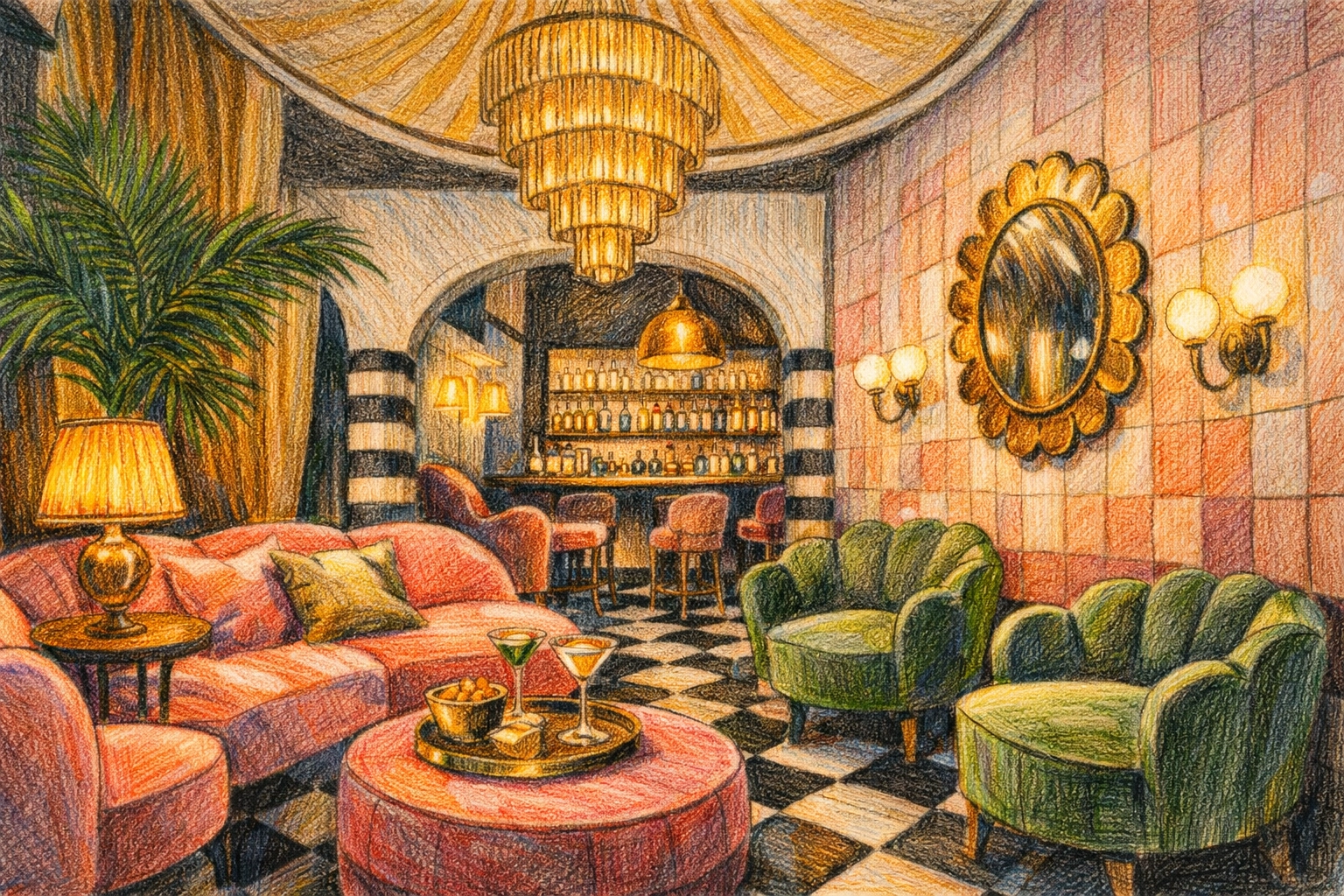
If you’ve ever walked into a hotel and felt like you were stepping into a Wes Anderson movie, all soft curves, bold velvet, and colors that shouldn’t work together but somehow do, you’ve likely been touched by the "India Mahdavi effect."
At My Hotel Design, we see a lot of trends come and go. But India Mahdavi isn't a trend; she’s a shift in the tectonic plates of the industry. Often called the "Queen of Color," she’s the brain behind some of the most Instagrammed spaces on the planet. But there’s a secret that most "experts" won't tell you: her success isn't just about picking the right shade of pink.
It’s about a radical approach to boutique hotel interior design that breaks every rule in the traditional luxury handbook.
Hi, I’m Robert Rupp, founder of My Hotel Design. Today, we’re doing a deep dive into the secrets of India Mahdavi. We’ll look at how she reinvented luxury hospitality design and why her philosophy is the blueprint for the future of sustainable hotel architecture.
The Secret of "Place-Making" Over "Space-Filling"
Most designers start with a mood board of furniture they like. India Mahdavi starts with a camera and a pair of walking shoes.
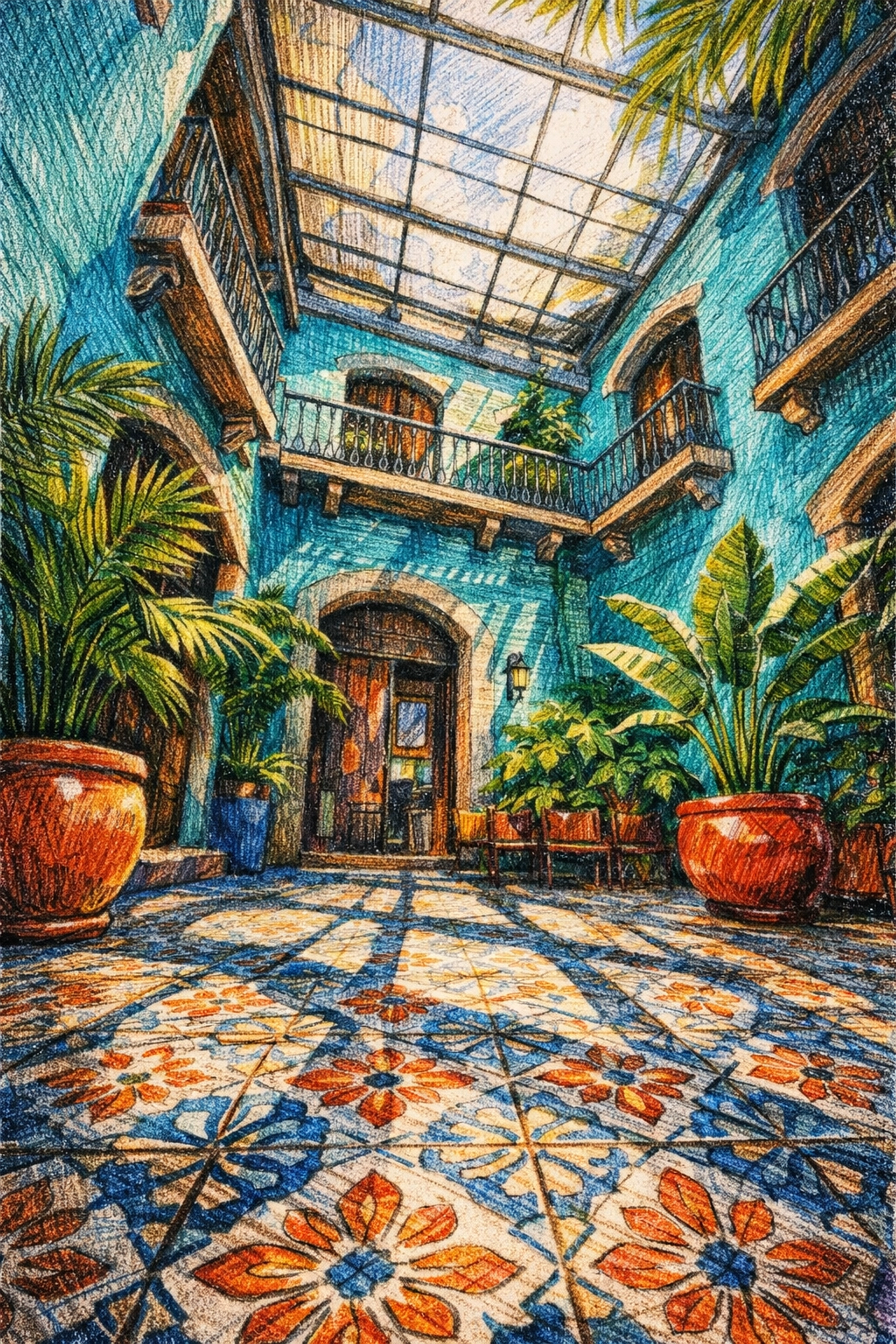
When she was commissioned to design the Hotel Condesa DF in Mexico City, she didn't just order a bunch of "luxury" items from a catalog. She walked the neighborhood. She took photos of the local houses, the street markets, and the flora. She realized that the soul of the city was a specific shade of turquoise and a certain rhythmic floral pattern.
The Secret: Real boutique hotel interior design isn't about importing a "look" from Paris or New York. It’s about extracting the DNA of the location and injecting it into the walls.
Experts often shy away from this because it's hard to scale. It requires more research and less "copy-pasting." But for a hotel to become a destination, it has to feel like it couldn't exist anywhere else.
Why "Boring Beige" is the Enemy of Luxury
For decades, luxury hospitality design was synonymous with beige, cream, and mahogany. The idea was to be "inoffensive." If you didn't offend anyone, you wouldn't lose customers, right?
India Mahdavi turned that on its head. She proved that being "offensive" to the status quo is exactly what attracts a high-value, loyal audience.
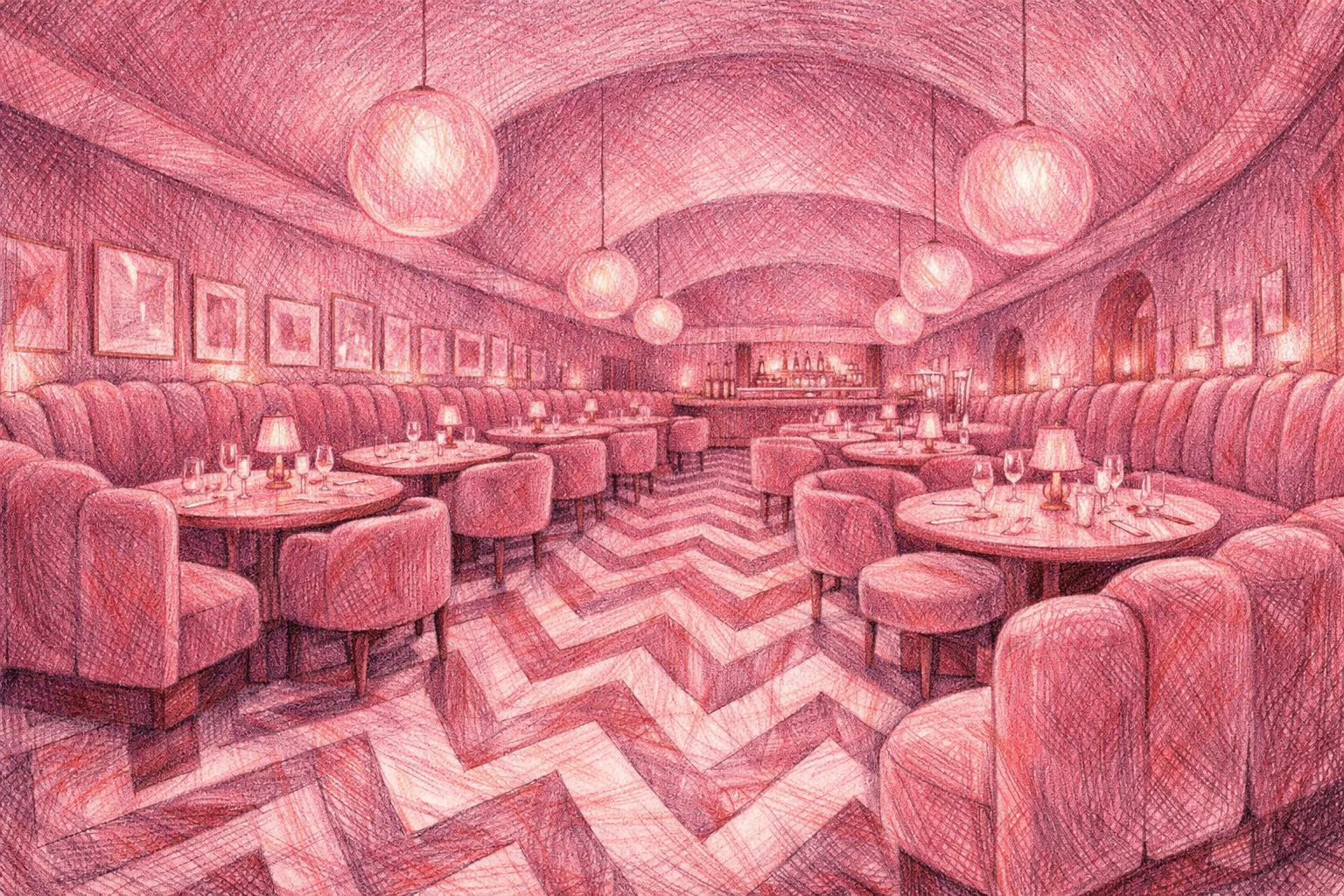
Take the Gallery at Sketch London. When she proposed a room that was entirely bubblegum pink: from the velvet chairs to the ceiling: people thought she was crazy. It was supposed to be a temporary two-year installation. It lasted eight years and became the most photographed restaurant in the world.
She understands that in the digital age, "visual friction" is a currency. People don't want a home away from home; they want an experience they can't get at home. Her use of polychrome velvet, brass, and lacquer creates a sensory overload that feels like a warm hug rather than a cold museum.
Scenography: Designing the "Movie" of the Stay
One of the best-kept secrets of Mahdavi’s work is her background in scenography and film. She doesn't view a hotel lobby as a functional transition zone. She views it as the opening scene of a movie.
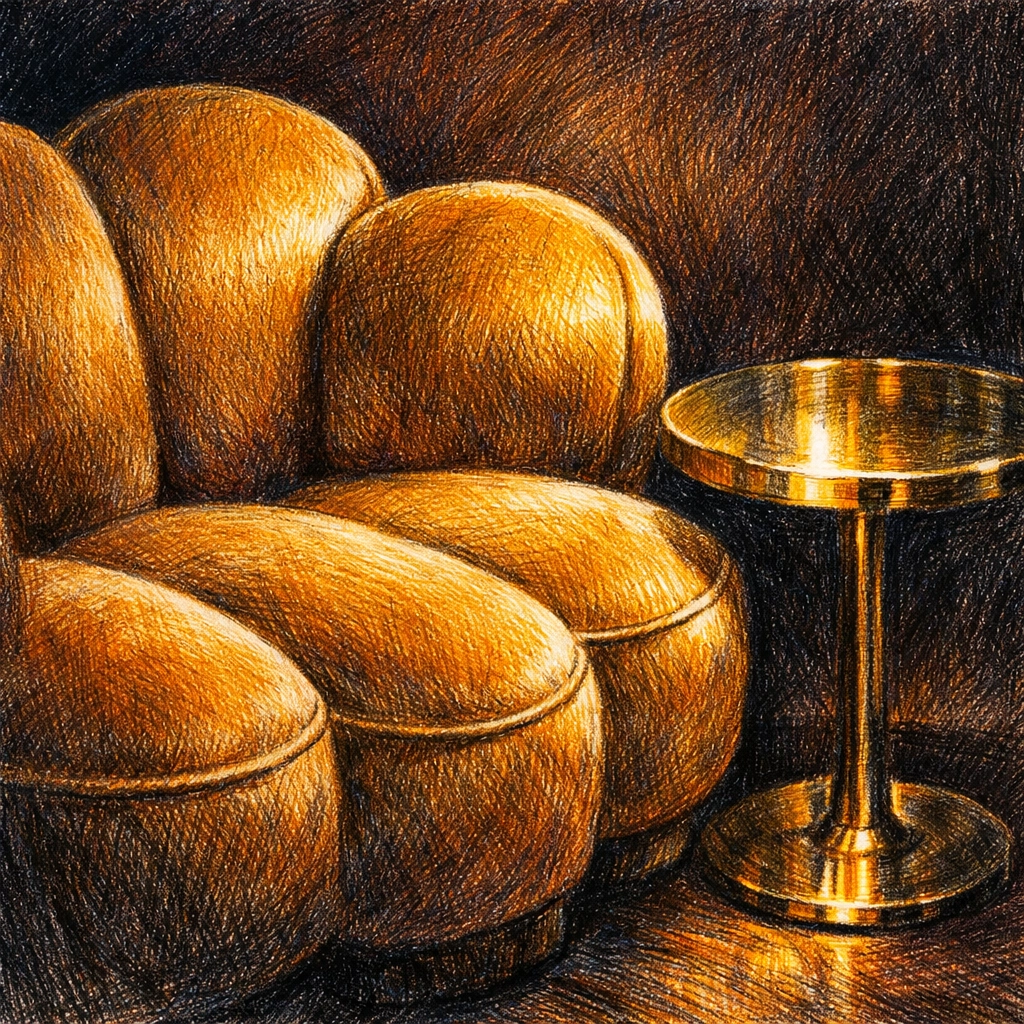
In her projects, furniture isn't just something you sit on; it’s a character. Her iconic "Charlotte" chairs or "Don Giovanni" sofas have personalities. They have curves that invite conversation.
When you’re planning a boutique hotel, ask yourself: What is the story we are telling? Who is the protagonist? If your design doesn't have a narrative arc: from the moment the guest pulls up to the curb to the moment they turn off the bedside lamp: you’re just filling a room with chairs.
The Sustainable Side of "Vibrant" Design
When people talk about sustainable hotel architecture, they usually talk about solar panels and low-flow toilets. While those are vital, there’s another side to sustainability that India Mahdavi champions: Cultural and Aesthetic Longevity.
Sustainable design is design that doesn't get ripped out and thrown in a landfill every five years because it’s "out of style."
Mahdavi’s focus on high-quality material craftsmanship: using real wood, ceramic, metal, and hand-woven rattan: ensures that the pieces age gracefully. More importantly, because her designs are rooted in a specific cultural context rather than a passing trend, they don't "expire."
A hotel that feels like a piece of art is a hotel that owners are willing to preserve for decades. That is the ultimate form of sustainability.
Major Projects: A Closer Look
To truly understand her influence, we have to look at the "Big Three" projects that changed the industry.
1. Hotel Condesa DF, Mexico City
This was her breakout moment in the hotel world. She took a 1928 neoclassical building and turned it into a temple of cool. By using a central patio and a color palette that reflected the Mexican sky and greenery, she created a space that felt both historical and futuristic. This project taught the industry that "boutique" doesn't mean "small": it means "curated."
2. L’Apogée, Courchevel
Designing a ski resort is usually a recipe for "rustic chic" (lots of logs and fur). Mahdavi took a different route. She used soft textures and warm colors to create a cozy, sophisticated atmosphere that felt like a private home rather than a commercial resort. It redefined luxury hospitality design for the alpine market.
3. Ladurée (Global)
While not a hotel, her work for Ladurée across Tokyo, Geneva, and Los Angeles is a masterclass in brand adaptation. She kept the essence of the brand but changed the "flavor" of the design to suit each city. It’s a lesson for hotel groups: your brand can have a soul without every property looking like a carbon copy.
Tactile Materials: The Secret to Guest Comfort
One thing experts often overlook is how a room feels to the touch. India Mahdavi is obsessed with texture. You won't find many cold, hard surfaces in her work. Instead, she uses:
- Velvet: To absorb sound and provide a soft, luxurious feel.
- Rattan: To add a touch of organic, hand-crafted warmth.
- Lacquer: To add depth and a sense of "preciousness" to furniture.
- Ceramic: To bring in earthy, grounding elements.
In luxury hospitality design, the "tactile footprint" of a room is just as important as the visual one. If a guest touches a desk and it feels like cheap laminate, the illusion of luxury is broken instantly.

How to Apply the India Mahdavi Method to Your Project
You don't need a multi-million dollar budget to take a page out of India’s book. Here are three things you can do right now to elevate your hotel project:
- Stop Picking "Safe" Colors: Pick one room: maybe a bar or a small lounge: and go bold. Use color to define the mood. Don't just paint the walls; color the furniture, the ceiling, and the floors.
- Focus on the "Curve": Modern architecture is full of sharp 90-degree angles. Use furniture with rounded edges to create a sense of flow and comfort. It makes a space feel more feminine, welcoming, and "boutique."
- Source Locally, Think Globally: Use local craftsmen to create unique pieces. Whether it’s hand-painted tiles or custom-woven rugs, these details provide the "authentic" experience that today's travelers are starving for.
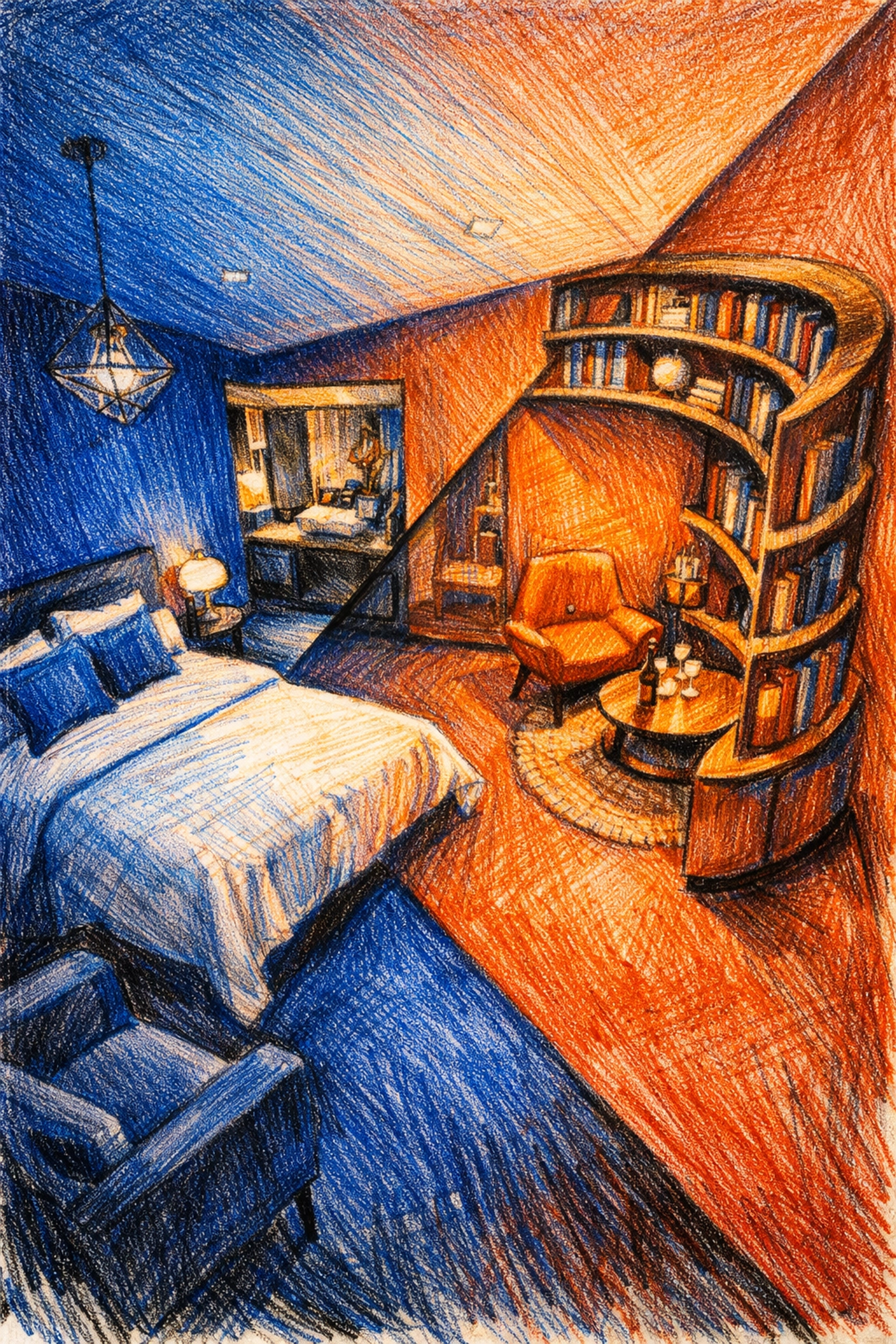
The Future of Boutique Hotel Design
As we move toward 2030, the demand for unique, soulful spaces is only going to grow. The era of the "cookie-cutter" luxury hotel is dying. Travelers want stories. They want to feel something.
India Mahdavi showed us that color is a language, materials are a feeling, and "luxury" is simply the courage to be different.
At My Hotel Design, we’re inspired by this "rebel" spirit. Whether you’re looking into sustainable hotel architecture or the latest trends in boutique hotel interior design, remember that the best secret in the business is simple: Be yourself, but be the most vibrant version of yourself possible.
Thanks for reading. If you’re looking to transform your hospitality space into something truly iconic, let’s chat. We’re here to help you build the next legend.
( Robert Rupp
Founder, My Hotel Design)