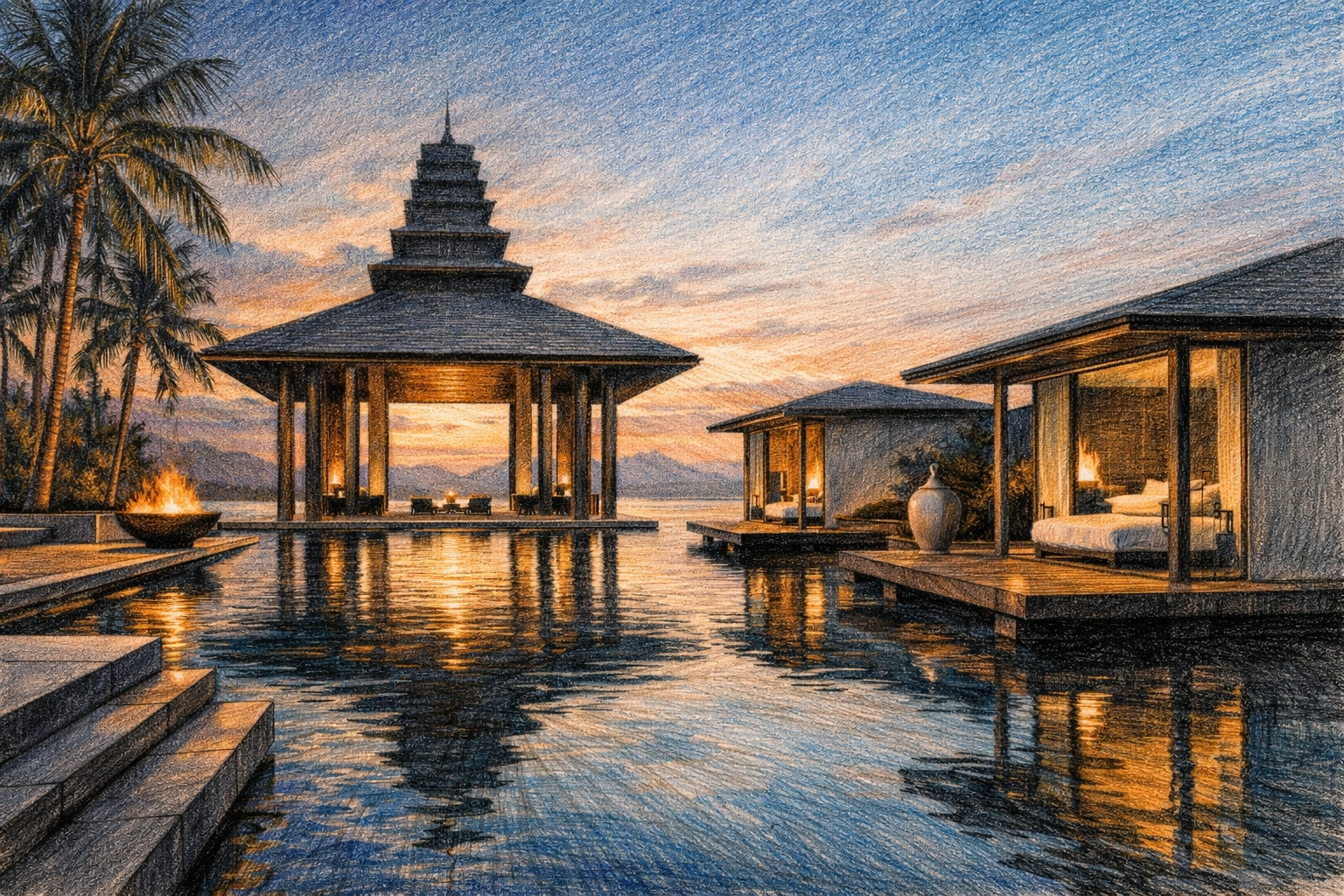
If you’ve ever stepped into an Aman resort or scrolled through photos of a Cheval Blanc property and felt a sudden, inexplicable sense of peace, you’ve likely experienced the work of Jean-Michel Gathy.
In the world of high-end hospitality, Gathy isn’t just an architect; he’s the "starchitect" behind the curtain. Since founding his firm, Denniston, in 1983, he has become the go-to visionary for the world’s most exclusive hotel brands. But here’s the thing: Gathy doesn’t just design buildings. He designs experiences that feel like a warm embrace.
Let’s take a deep dive into the man who turned "minimalism" into something soulful, and how his work has redefined what luxury means in the 21st century.
The Architect of "Emotional Design"
Gathy is often labeled a minimalist, but if you ask him, he’ll tell you his work is about "emotional architecture." It’s a concept that goes beyond how a room looks. It’s about how the room makes you feel.
Think about the last time you stayed in a hotel. Was it the marble lobby that impressed you, or was it the way the light hit the floor at sunset? Gathy bets on the latter. He creates spaces where guests feel instantly at ease, even if they can’t point to a specific reason why.
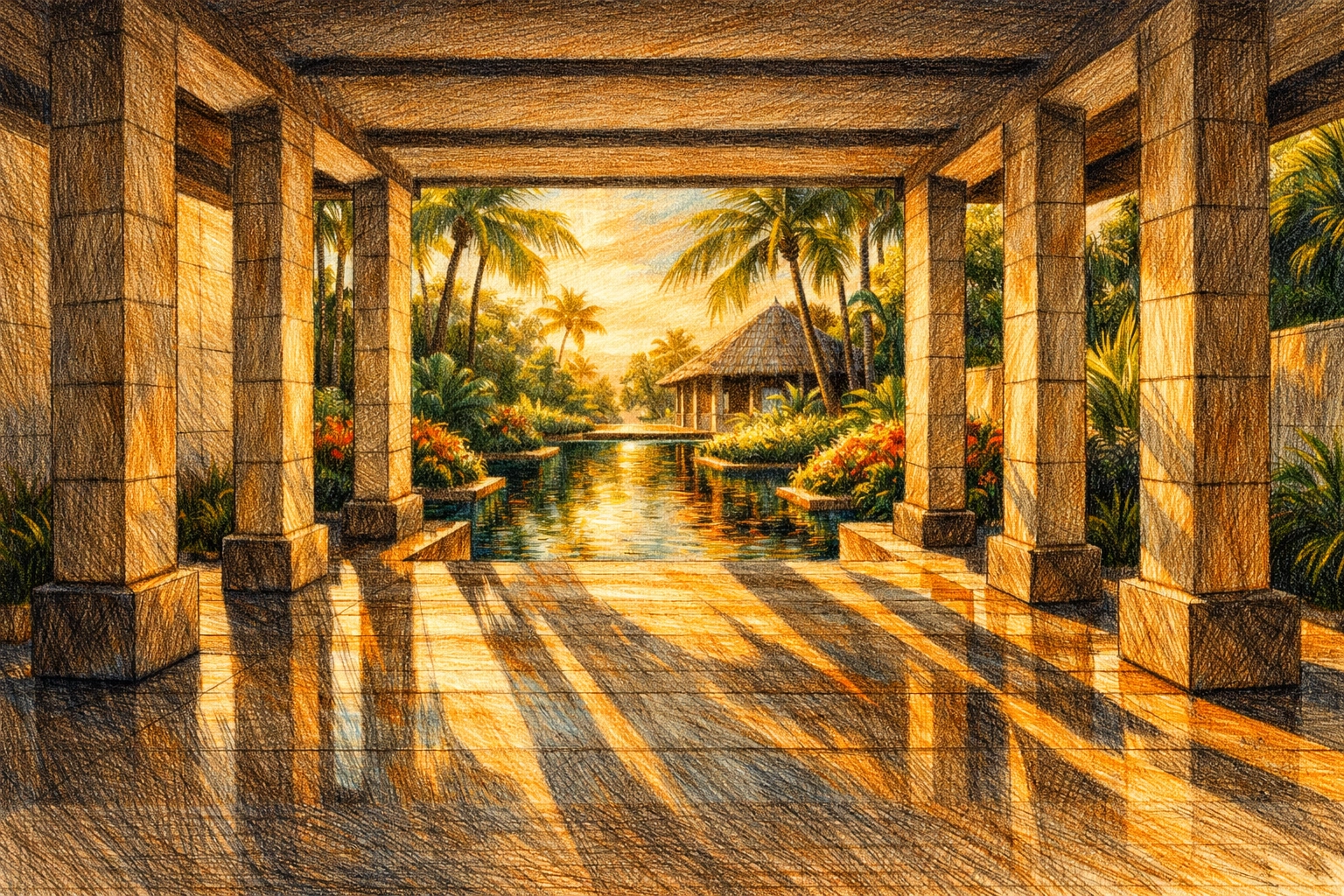
This philosophy is rooted in a "seamless" approach. Unlike many projects where an architect builds the shell and an interior designer fills it, Gathy and his team at Denniston often handle 100% of what a guest sees. They design the structure, the interiors, and the landscaping. This holistic control ensures that the transition from a lush garden to a sleek suite feels like one continuous breath.
The Aman Connection: A Partnership That Changed Everything
You can’t talk about Jean-Michel Gathy without talking about Aman. In 1988, Gathy met Adrian Zecha, the founder of Aman Resorts. That meeting changed the trajectory of luxury travel.
Their first collaboration was Amanwana on Moyo Island in Indonesia. Instead of a concrete fortress, Gathy designed luxury safari tents along a pristine beach. It was revolutionary. It proved that "luxury" wasn't about gold faucets and heavy drapes; it was about privacy, nature, and a connection to the environment.
Since then, Gathy has designed over ten Aman properties, each one a masterclass in local fusion. Whether it’s the Aman Canal Grande in Venice or the Aman New York, Gathy manages to take the DNA of a location and filter it through a lens of high-end minimalism.
Blending Culture with High-End Minimalism
One of Gathy’s greatest strengths is his ability to honor local culture without making it feel like a caricature. He avoids "theme park" design at all costs.
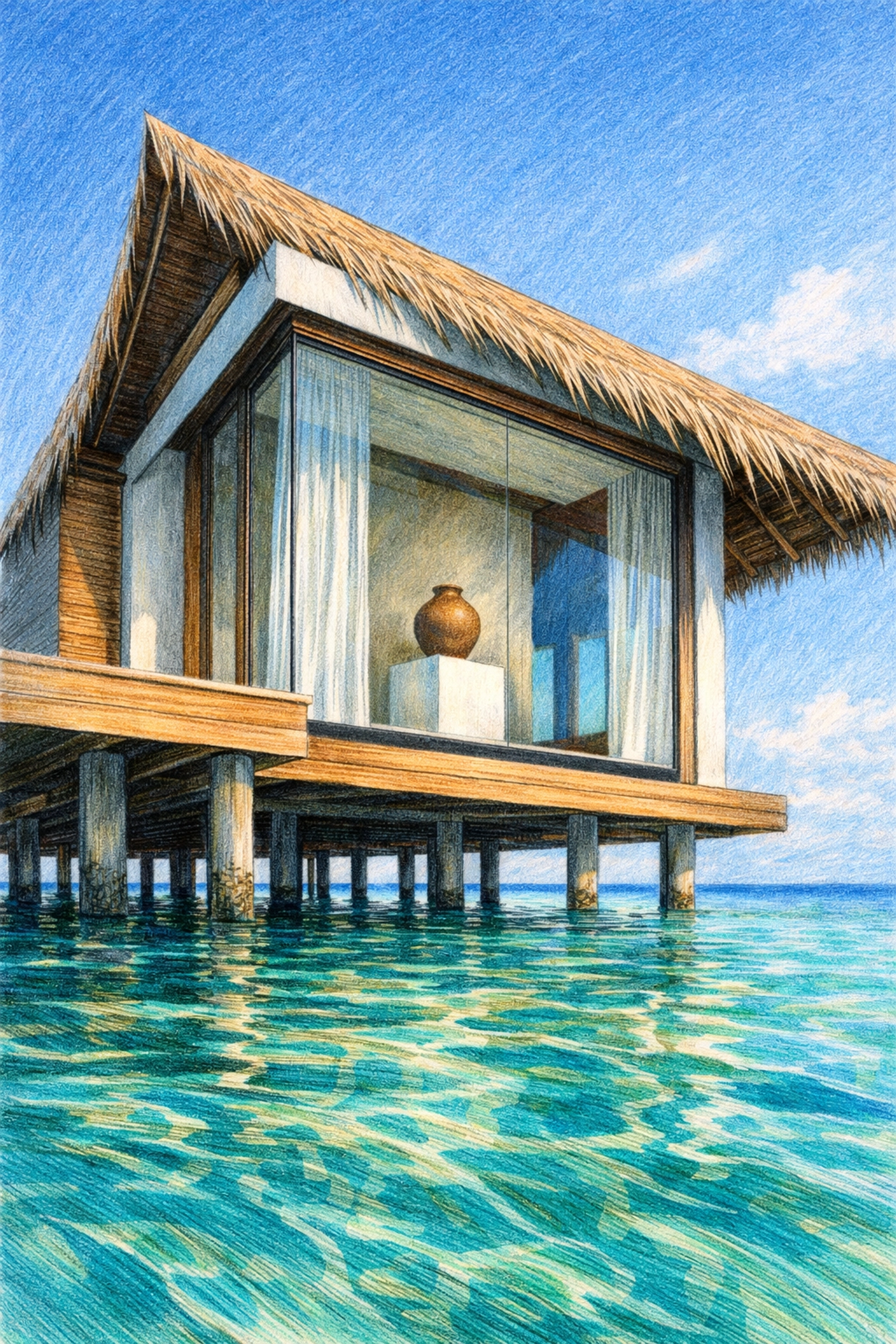
When he designs a resort in the Maldives, he doesn't just stick a thatched roof on a box. He looks at the geometry of local crafts, the way the wind moves across the water, and the specific shades of the local flora. He then translates those elements into clean, modern lines.
The result is a space that feels deeply rooted in its location but remains undeniably sophisticated. It’s a "quiet" luxury. It doesn’t scream for your attention; it waits for you to notice it.
The Masterpiece: Cheval Blanc Randheli
If you want to see Gathy at the height of his powers, look no further than Cheval Blanc Randheli in the Maldives. This property is a masterclass in scale and proportion.
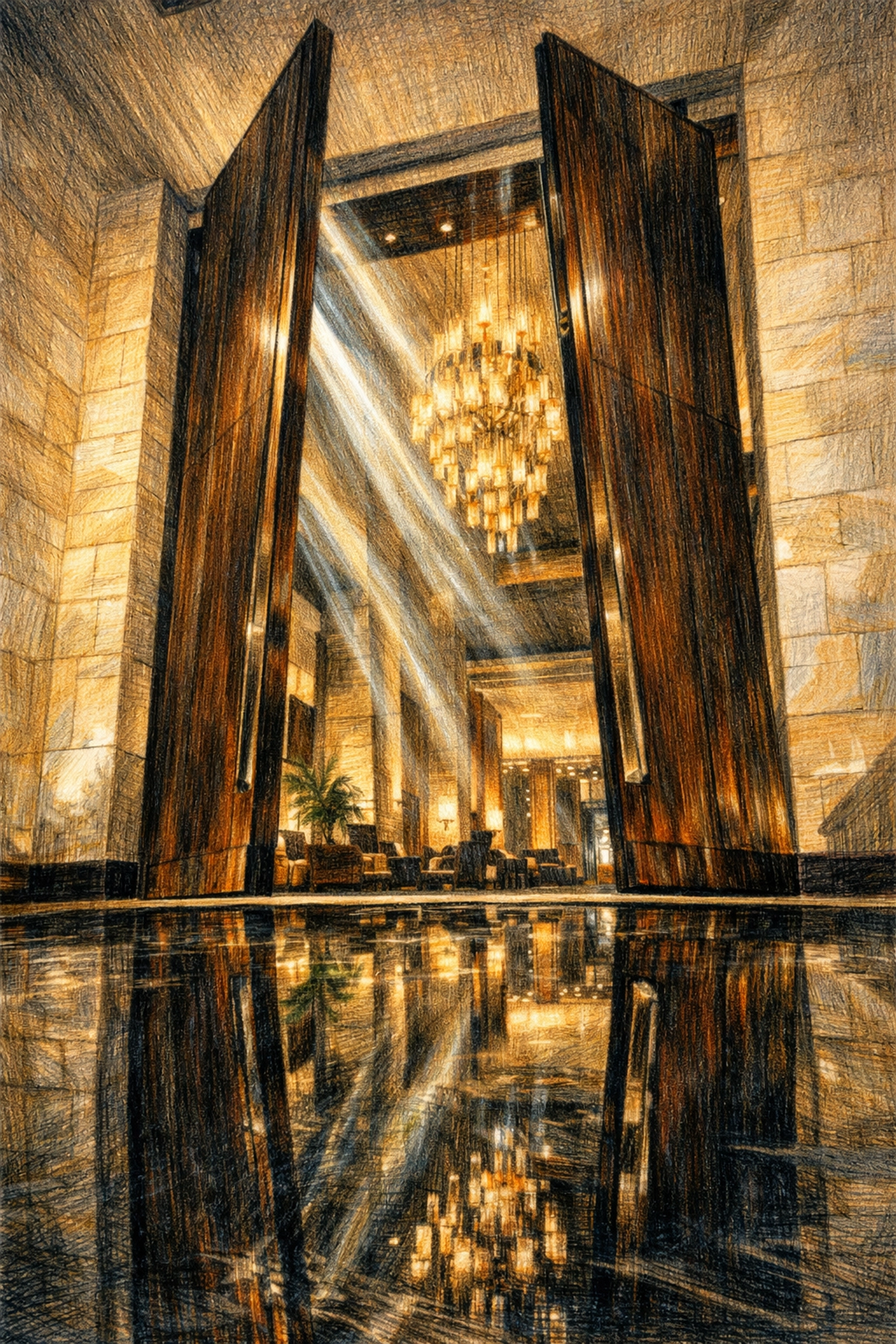
One of the most striking features of the villas at Randheli is the massive, seven-meter-high pivoting doors. Why? Because Gathy knows that height creates a sense of grandeur and airiness that you can’t achieve with expensive furniture alone.
He uses a palette of neutral tones: whites, greys, and light woods: but punches them up with pops of "pop yellow" or local artwork. It’s minimalist, sure, but it’s also vibrant and energetic. It’s the kind of design that makes you want to put your phone down and just look at the horizon.
Bringing the Resort Vibe to the Concrete Jungle
Gathy’s latest challenge has been taking his "resort" DNA and injecting it into some of the busiest cities on earth. The opening of Aman New York in 2022 was a total game-changer for urban hospitality.
Designing a sanctuary in the middle of Manhattan is no easy feat. Gathy focused on "advanced soundproofing" and what he calls "adaptive living spaces." Using sliding panels and indirect lighting, he created suites that can transform from an open, airy lounge to a cozy, private cocoon.
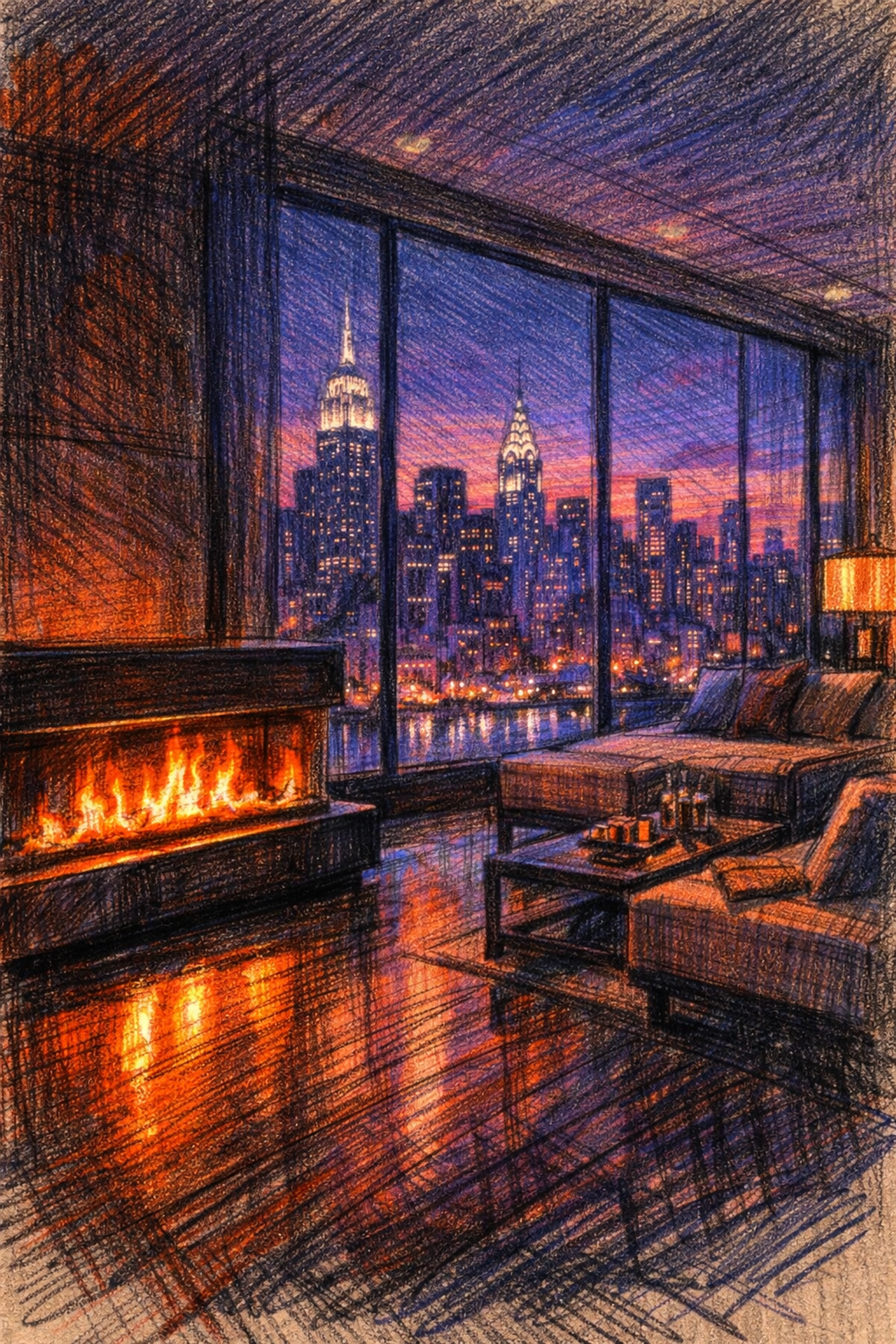
He even managed to include working fireplaces in every room: a feat of engineering in a historic New York skyscraper: because he understands that the crackle of a fire is a universal symbol of comfort.
The "Gathy Touch": 5 Design Hallmarks
What makes a Gathy project instantly recognizable? It’s all in the details. Here are five elements he uses to create that signature "resort" feel:
- Symmetry and Geometry: Gathy loves classic lines. He uses symmetry to create a sense of order and calm. When things are aligned, the brain can stop "processing" the environment and start relaxing.
- Water as a Feature: From the iconic rooftop infinity pool at Marina Bay Sands in Singapore to the reflecting pools in his private villas, Gathy uses water to mirror the sky and bring a sense of movement to static structures.
- Indirect Lighting: You’ll rarely see a harsh overhead light in a Gathy room. He uses recessed lighting, floor lamps, and natural light to create a soft, cinematic glow.
- Spa-Like Bathrooms: To Gathy, the bathroom is just as important as the bedroom. He pioneered the "open-plan" bathroom where the tub becomes a sculptural centerpiece, often with a view of the outdoors.
- The "Hidden" Tech: Gathy is a fan of "invisible tech." He wants you to have the best sound system and climate control, but he doesn't want to see the wires or the bulky consoles. Everything is tucked away so the design can take center stage.
Why Scale and Proportion Matter
A common mistake in hotel design is focusing on the "stuff": the expensive chairs, the silk rugs, the gold-leaf ceilings. Gathy does the opposite. He focuses on the volume of the room.
He understands that luxury is often about the luxury of space. By increasing ceiling heights, using floor-to-ceiling glass, and keeping the floor plan uncluttered, he makes a room feel ten times more expensive than one packed with high-end furniture.
He’s a self-proclaimed "control freak" when it comes to these details. During the setup of a new hotel, it’s not uncommon to find Gathy personally moving a potted plant two inches to the left or adjusting the angle of a chair until it’s perfect. This obsession with precision is what separates a "nice" hotel from a world-class masterpiece.
The Legacy of Denniston
At nearly 70 years old, Gathy shows no signs of slowing down. His firm, Denniston, is a global powerhouse with a team of over 150 professionals from all over the world. But despite the size of his team, Gathy is still the creative heartbeat of every project.
His influence can be seen in almost every modern luxury hotel built today. The trend of "indoor-outdoor" living, the rise of the infinity pool, and the shift toward "quiet luxury" all owe a debt to Gathy’s work over the last four decades.
What Designers Can Learn from Gathy
For those of us in the hospitality industry, Gathy’s work offers a clear blueprint for the future:
- Listen to the Land: Don’t fight the location. Whether it’s the desert, the mountains, or a skyscraper, let the environment dictate the materials and the flow.
- Comfort is King: If a guest doesn’t feel comfortable enough to kick off their shoes and relax, the design has failed: no matter how beautiful it looks in a magazine.
- Simplicity is Hard: It’s easy to clutter a room with decorations. It’s much harder to design a room where every single line serves a purpose.
Jean-Michel Gathy has proven that minimalism doesn't have to be cold. By blending cultural respect with architectural precision, he has created a new language for luxury: one that speaks to our souls as much as our eyes.
Next time you’re thinking about a renovation or a new build, ask yourself: How will this make the guest feel? If you can answer that with "peaceful," you’re already following in the footsteps of a master.