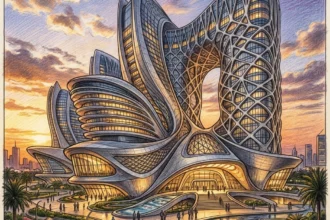
Hey there, Robert Rupp here. If you’ve been hanging around the hospitality world for a while, you know that "luxury" is a word that gets thrown around a lot. But true luxury? The kind that feels effortless, lived-in, and somehow perfectly suited to its location? That’s much harder to find.
When I’m looking for a spark of inspiration for our projects at My Hotel Design, I often find myself circling back to the work of Tara Bernerd. She’s a powerhouse in the world of luxury hospitality design, and her firm, Tara Bernerd & Partners, has basically rewritten the playbook on what a modern boutique hotel should feel like.
Whether you're an aspiring designer, a hotel owner, or just a fan of beautiful spaces, there is so much to learn from her approach. Here are 10 things you should know about Tara Bernerd and why her work is setting the gold standard for boutique hotel interior design today.
1. She Learned from the Best (The YOO Connection)
Before she became a household name in design, Tara Bernerd cut her teeth at the legendary YOO design studio. If that name sounds familiar, it’s because it was co-founded by property entrepreneur John Hitchcox and the design icon Philippe Starck.
Working in that environment gave her a front-row seat to how high-level design meets commercial reality. In 2002, she decided to branch out on her own, founding Tara Bernerd & Partners. That background in bold, world-class design is still visible in her work today, but she’s evolved it into something entirely her own, more grounded, more industrial, and deeply sophisticated.
2. Her Team is a Group of "Design Navy Seals"
I love this description. Tara often refers to her team of 55 professionals as the "Navy Seals of design." Based in London but operating globally, this group is handpicked for their ability to handle complex, high-stakes projects across different continents.
Building a successful hotel isn’t just about picking out nice fabrics; it’s about logistics, architecture, and intense coordination. By treating her firm like an elite unit, she ensures that every project, whether it's in Munich or New York, maintains a level of precision that most firms can only dream of.

3. She Rejects the "Cookie-Cutter" Approach
One of the biggest mistakes I see in the hospitality industry is when a brand tries to copy-paste a successful design from one city to another. Tara Bernerd is the exact opposite. She champions an "indigenous design philosophy."
This means that instead of imposing a signature "Tara Bernerd Look" on every building, she lets the location dictate the DNA of the project. She looks at the local culture, the history of the neighborhood, and even the local climate before a single sketch is made. It’s about creating a sense of place. When you walk into one of her hotels, you know exactly what city you’re in.
4. That "Masculine" Industrial Edge
While she doesn't have a rigid style, there is a certain "feel" to a Bernerd project that I’ve always admired. It’s often described as approachable luxury with a masculine, industrial edge.
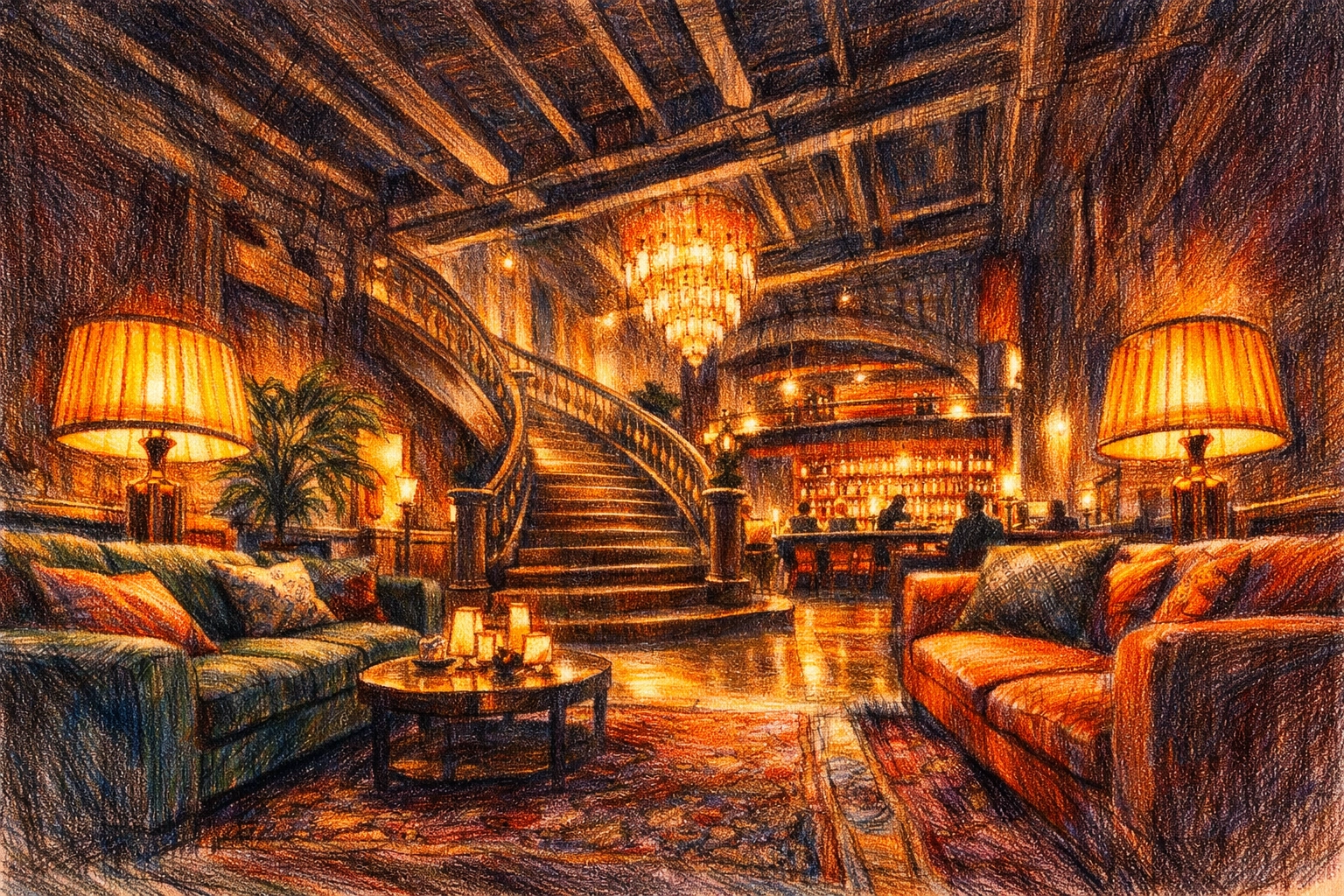
Think of rich leathers, exposed brick, dark woods, and steel accents, but balanced with incredibly soft textures and warm lighting. It’s elegant without being "fussy." This aesthetic has been hugely influential in the rise of the modern boutique hotel, moving away from the stiff, formal luxury of the 90s toward something much more inviting and "cool."
5. She’s a Master of Space Planning
In luxury hospitality design, the layout is just as important as the finishes. Tara is known for her architectural approach to interiors. She doesn't just decorate rooms; she reconfigures how people move through them.
She often focuses on creating "flow" between the bar, the lobby, and the restaurant. In many of her projects, these spaces blend into one another, encouraging guests to linger. This is a key component of successful boutique hotel interior design, making the "public" spaces feel like a private club where everyone is invited.
6. Landmark Projects: From SoHo to London
If you want to study her work, look no further than some of her most famous projects.
- SIXTY SoHo (New York): This project really put her on the map in the US. It perfectly captures that "industrial-luxe" vibe that fits Manhattan so well.
- The Hari (London): Originally known as Belgraves, this hotel is a masterclass in layered textures and bespoke furniture.
- Four Seasons Fort Lauderdale: Here, she showed she could handle the "big" luxury brands while still maintaining a boutique, intimate feel.
Each of these projects shows a different side of her talent, but they all share a commitment to high-end craftsmanship.
7. A Custodian of Heritage and Sustainable Architecture
Sustainable hotel architecture isn’t just about solar panels; it’s about the longevity of the buildings we create. Tara often works on "rebranding" or restoring historic properties.
Take the Kimpton Fitzroy London, for example. It’s a massive, historic landmark. Tara acted as a "custodian" of that heritage, carefully restoring the original details while injecting a modern sensibility. This approach to "adaptive reuse" is a huge part of sustainable hotel architecture. By breathing new life into old structures rather than tearing them down, she preserves the soul of the city while creating something that will last for another hundred years.
8. Her Collaboration with Artists
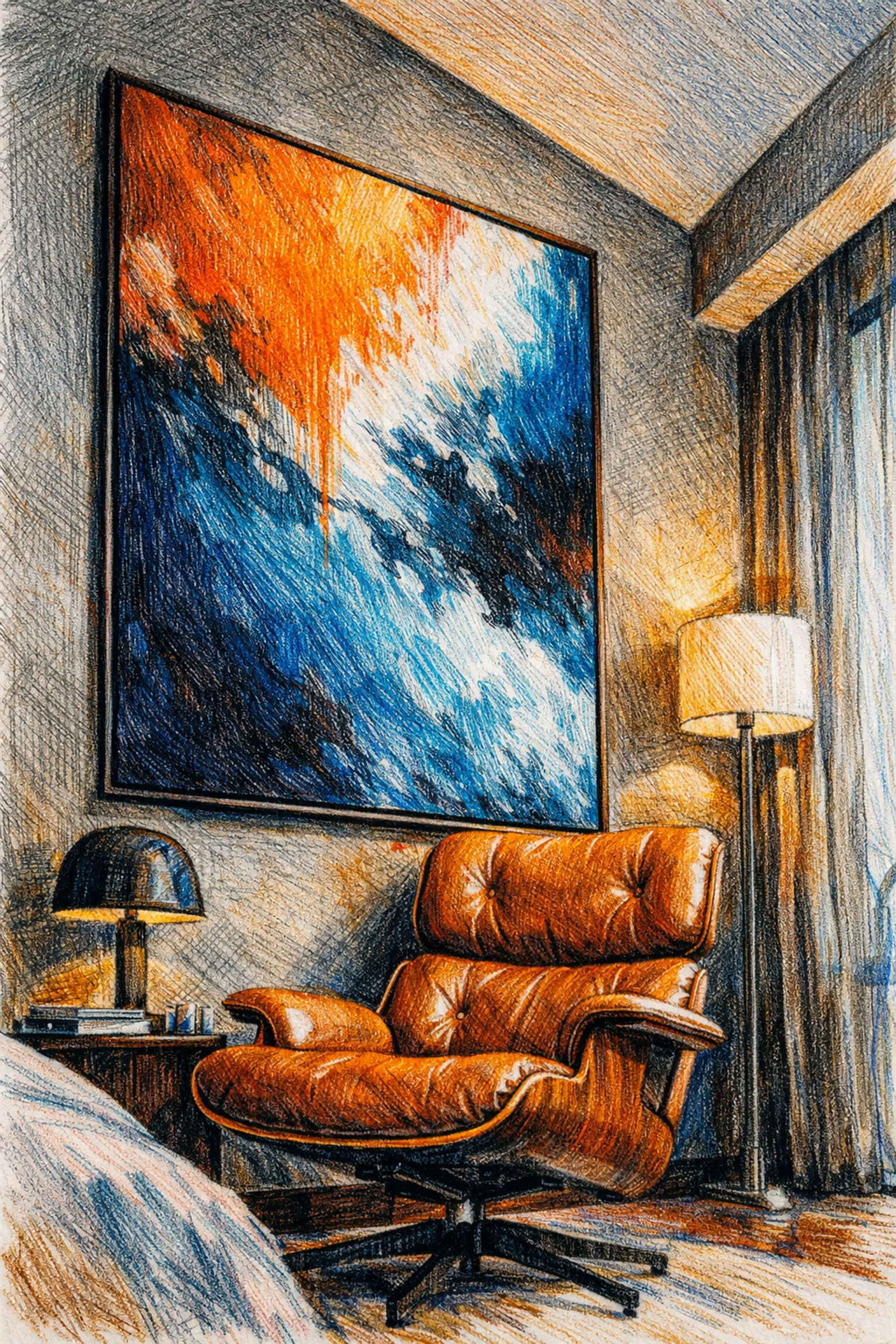
You won’t find generic, mass-produced art in a Tara Bernerd project. She is a big believer in collaborative partnerships. She often works directly with artists to create bespoke collections that are integrated into the design.
For her work with SIXTY hotels, she collaborated with the famous artist Harland Miller. This isn't just hanging a painting on a wall; it’s about ensuring the art is part of the building's narrative. For hotel owners, this is a great lesson: the right art can elevate a space from "nice" to "iconic."
9. She Designs for the "Total Experience"
While she’s a star in the hotel world, Tara Bernerd & Partners also works on superyachts, private residences, and even nightclubs. This cross-pollination of industries is why her hotels feel so comfortable.
She brings the intimacy of a private home and the sleekness of a yacht into the hospitality space. When you're designing a luxury hotel, you're essentially designing a lifestyle. By understanding how people live in their private homes or travel on their private boats, she can create guest rooms that feel intuitive and luxurious in a way that’s hard to put your finger on, but you definitely feel it when you're there.
10. The Power of "Approachable Luxury"
If I had to sum up why Tara Bernerd is such an influence on us at My Hotel Design, it’s her commitment to "approachable luxury."
In the past, luxury meant "do not touch." It meant white gloves and cold marble. Tara’s work is the opposite. It’s high-end, yes, but it’s meant to be used. It’s meant to be lived in. It’s about the "luxury of the experience" rather than just the "luxury of the price tag."
As the hospitality industry continues to evolve, this focus on comfort, local authenticity, and timeless style is what will define the next generation of great hotels.

Final Thoughts
Looking at Tara Bernerd’s career, the biggest takeaway for any of us in the industry is her focus on the "DNA" of a project. She doesn't start with a trend; she starts with a story.
Whether you're looking into sustainable hotel architecture or trying to nail the perfect vibe for a new boutique hotel interior design, remember that the best spaces are those that feel like they belong exactly where they are.
Stay creative out there!
( Robert Rupp
Founder, My Hotel Design)