At My Hotel Design, we spend a lot of time looking at spaces that make people feel something. Whether it’s a lobby that feels like a warm hug or a suite that makes you want to move in forever, great design is the heartbeat of the hospitality world. When you talk about the heavy hitters in this industry, one name consistently rises to the top: Tara Bernerd.
If you’ve stepped into a Four Seasons recently or marveled at the "industrial glamour" of a boutique hotel in London or Hong Kong, there’s a good chance Bernerd’s hand was behind it. She doesn’t just pick out nice furniture; she builds worlds.
I’m Robert Rupp, and today we’re diving deep into the life, style, and massive influence of Tara Bernerd. Whether you’re an aspiring designer or a hotel owner looking for inspiration, this is everything you need to know about the woman who redefined luxury hospitality design.
The Unconventional Path to Greatness
One of the coolest things about Tara Bernerd is that she didn’t follow the "standard" path. She didn't spend years in a traditional architecture school getting a degree. Instead, she studied film. That cinematic background is actually her secret weapon. When you look at her hotels, they feel like scenes from a movie: every angle is considered, and every room tells a story.
Bernerd learned the ropes through real-world experience. Her early career saw her working alongside the legendary Philippe Starck at YOO. Imagine that for a classroom! She eventually struck out on her own, founding Tara Bernerd & Partners in 2002. Since then, she’s grown her London-based firm into a powerhouse of over 60 designers, architects, and creatives whom she affectionately calls her "Navy Seals of design."
Defining the "Bernerd Style": Industrial Glamour
If you had to sum up her aesthetic in two words, it would be Industrial Glamour. But it’s much more nuanced than that. Her work is a masterclass in boutique hotel interior design, focusing on what she calls "soulful projects at scale."
Impeccable Craftsmanship
She has an obsession with how things are made. You won’t find "fast fashion" furniture in a Bernerd project. Instead, she leans heavily on midcentury influences, sourcing unique pieces from auction houses like Phillips London and working with local artisans to ensure every texture feels authentic.
A Sense of Place
This is a phrase you’ll hear a lot in luxury hospitality design, but Bernerd actually lives it. She believes a hotel in Munich shouldn’t look like a hotel in Miami. Her designs are deeply rooted in the local culture, history, and geography of the project’s location.
Key Projects That Changed the Game
To understand Bernerd’s impact, you have to look at the buildings. Her portfolio reads like a "Best Hotels in the World" list.
1. The Hari (London & Hong Kong)
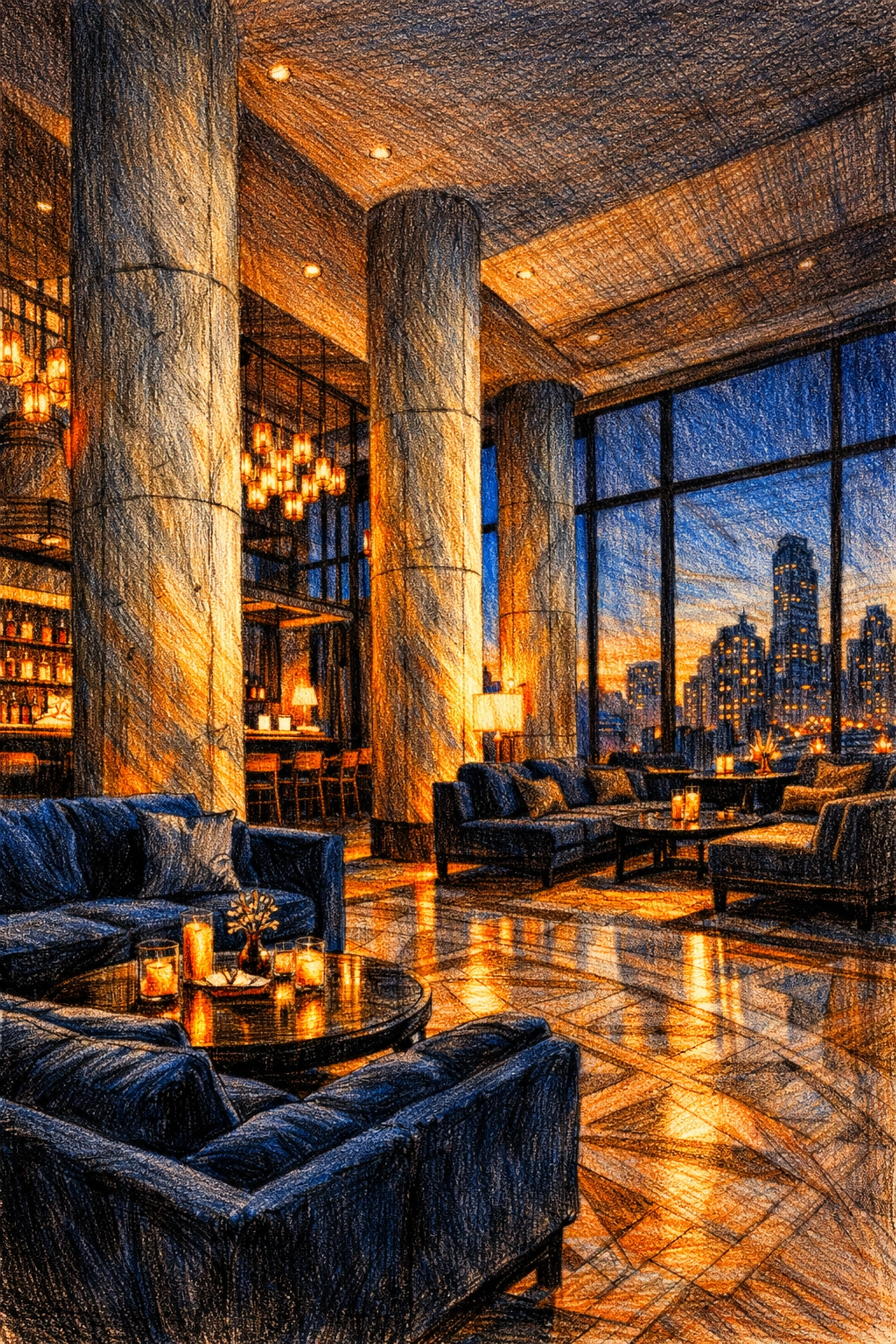
The Hari is perhaps the most iconic example of her work. Originally the Belgraves in London, this project was her big break into the hotel world. She used raw materials like exposed brick and grey velvet, mixing them with rich leathers and brass accents. It felt like a private club but without the stuffiness. When she took The Hari to Hong Kong, she adapted that look for the Wan Chai neighborhood, proving that her style could travel across continents.
2. Four Seasons Fort Lauderdale
This was her first commission for the Four Seasons brand, and she knocked it out of the park. She brought a "yachting lifestyle" vibe to the property without being cliché. Think curved lines, light woods, and midcentury furnishings that make the Florida sun feel sophisticated rather than scorching.
3. Rosewood Munich
Taking over two landmark buildings: the former State Bank of Bavaria and the Palais Neuhaus-Preysing: this project showed her ability to handle historical architecture. She managed to modernize the space while respecting the 18th-century heritage, a delicate balancing act that few designers can pull off.

Focus on Sustainable Hotel Architecture
In 2026, you can’t talk about world-class design without talking about the planet. Bernerd has increasingly focused on sustainable hotel architecture through the lens of longevity.
Her philosophy is simple: the most sustainable thing you can do is build something that lasts. By avoiding "trendy" designs that need to be ripped out every five years, she reduces waste. Furthermore, her firm prioritizes:
- Locally sourced materials: Reducing the carbon footprint of shipping marble or timber across the globe.
- Adaptive Reuse: Giving new life to old buildings (like the Rosewood Munich) instead of tearing them down and starting from scratch.
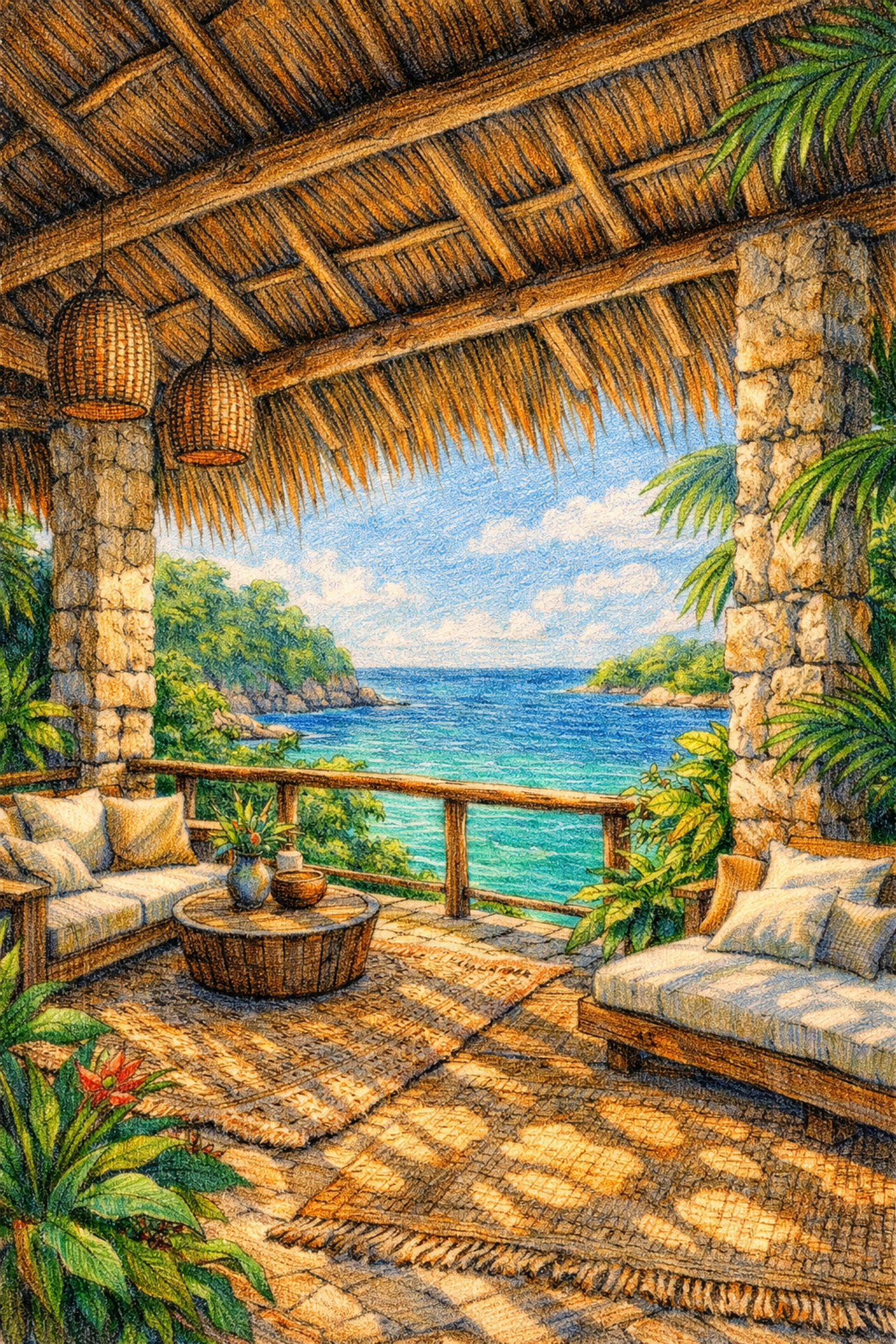
- Collaborating with Nature: In projects like Maroma, A Belmond Hotel in the Riviera Maya, her design works with the surrounding jungle and ocean, using natural ventilation and materials that age beautifully in the tropical climate.
Why She Matters to the Hospitality Industry
Why do brands like Marriott, St. Regis, and Six Senses keep calling her? It’s because she understands the business of hotels just as well as the beauty of them.
Bridging the Gap Between Architecture and Interiors
Bernerd doesn't just come in at the end to pick the curtains. Her firm handles interior architecture. This means they are involved in the bones of the building: the layout, the flow, the structural elements. This holistic approach ensures that the guest experience is seamless from the moment they pull up to the valet until they lay their head on the pillow.
Designing for "The New Luxury"
The definition of luxury has shifted. It’s no longer about gold leaf and crystal chandeliers. Today’s luxury traveler wants authenticity, comfort, and a "home away from home" feeling. Bernerd’s ability to create spaces that feel lived-in, layered, and personal is exactly what modern travelers are looking for.

Tips for Implementing the Bernerd Look in Your Project
If you’re looking to capture a bit of that Tara Bernerd magic for your own boutique hotel or residential project, here are a few takeaways:
- Layer Your Textures: Don't just stick to one fabric. Mix leather with velvet, wood with steel, and wool with silk. It creates a visual richness that feels expensive.
- Focus on Lighting: Bernerd often uses statement lighting that doubles as art. Avoid harsh overhead lights; use floor lamps and wall sconces to create "pools" of light that set a mood.
- Invest in Midcentury Pieces: Whether it’s an original Eames chair or a piece inspired by the 1950s, midcentury design provides a timeless foundation that never goes out of style.
- Embrace the Location: Before you pick a color palette, look outside. What are the colors of the local stone? The sky? The history of the neighborhood? Let the "place" dictate the design.
The Future of Tara Bernerd & Partners
With her firm recently being named to the AD100 list for 2025, Tara Bernerd’s influence is only growing. She recently released a book with Rizzoli titled Tara Bernerd: Place, which serves as both a portfolio and a manifesto for her design philosophy.
As the hospitality industry continues to evolve toward more personalized, sustainable, and culturally relevant spaces, Bernerd remains the gold standard. She has proven that you don't need a traditional background to become a titan of industry: you just need a clear vision, a great team, and a relentless commitment to "soul."
At My Hotel Design, we’re constantly inspired by how she bridges the gap between massive global brands and the intimate feel of a boutique stay. She’s not just designing hotels; she’s designing the way we experience the world.

Want to learn more about the icons of hospitality? Keep following the My Hotel Design blog for more deep dives into the architects and designers shaping the future of travel. If you're looking to start your own project, remember: it all starts with a story. What's yours?