If you’ve spent any time looking at the world’s most Instagrammable hotels or reading up on the latest trends in luxury hospitality design, there’s one name that keeps popping up: Dorothée Meilichzon.
At My Hotel Design, we’re always keeping an eye on the movers and shakers who are redefining what it means to stay in a hotel. Robert Rupp, our founder, often says that the best design doesn't just look good: it tells a story that makes guests feel like they belong there. And honestly, nobody does that better right now than Dorothée.
Since she founded her agency, CHZON, in 2009, she’s become the "it" girl of boutique hotel interior design. But she’s not just a trend; she’s a powerhouse. Named Designer of the Year at Maison & Objet in 2015 and more recently taking home accolades from Dezeen, she’s the creative force behind some of the most iconic properties in Paris, London, Ibiza, and beyond.
So, why is everyone obsessed? And more importantly, what can you learn from her for your own projects? Let's dive into the world of Dorothée Meilichzon.
The Secret Sauce: Research-Driven "Conviviality"
Most designers have a "look." You walk into a room and you know exactly who designed it because they use the same three chairs and the same shade of beige in every project. Meilichzon is different.
She doesn’t believe in a "cookie-cutter" aesthetic. Instead, she grounds every single project in deep research. Before she even picks up a pencil, she looks at the history of the building, the character of the neighborhood, and the weird architectural quirks that most people would try to hide.
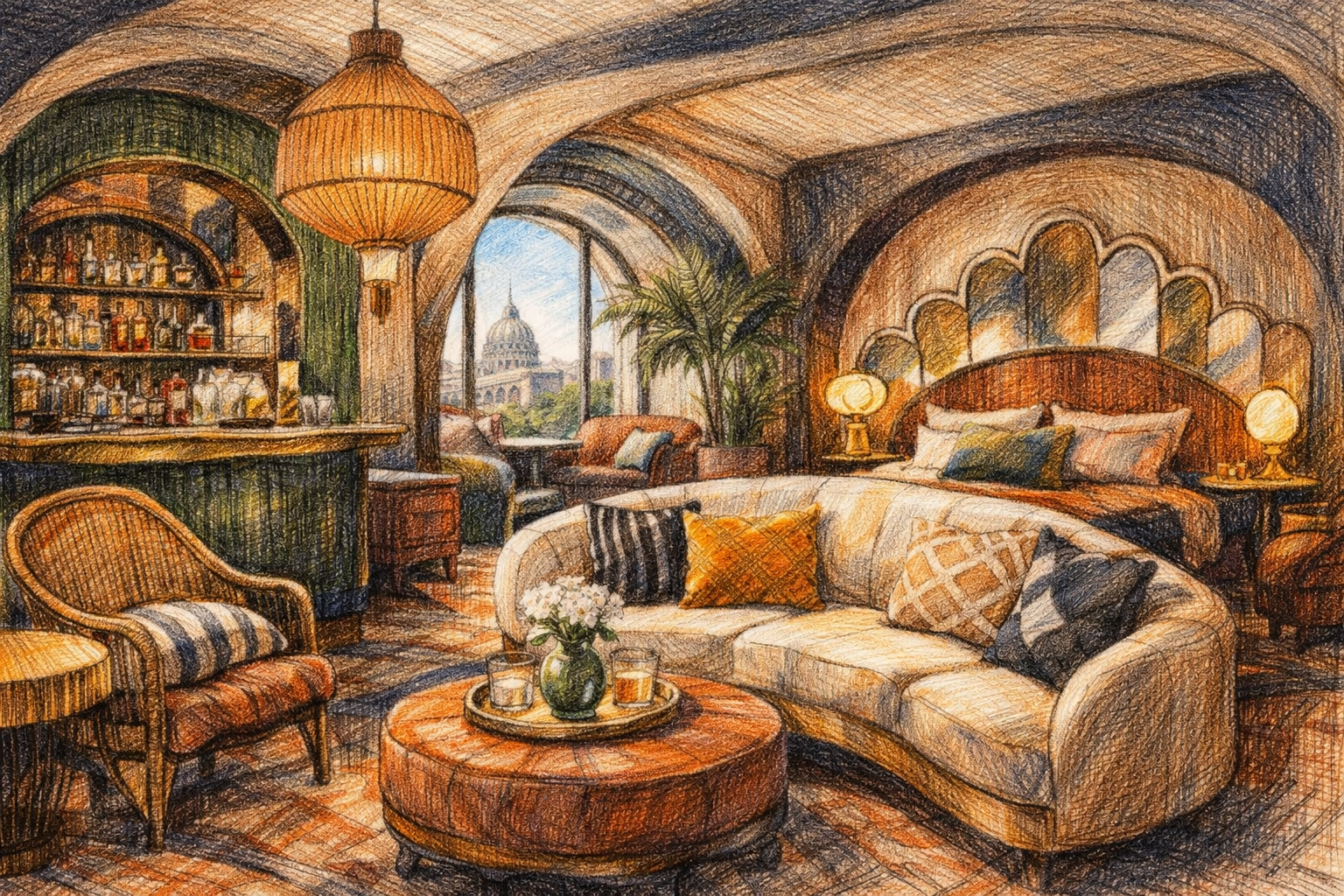
She describes her style as "convivial." It’s a great word, isn't it? It basically means friendly, lively, and enjoyable. Her spaces feel intentionally welcoming. They aren't sterile or cold like some high-end luxury hotels. Instead, they feel like the home of a very cool, very cultured friend who has excellent taste in furniture and a massive collection of art.
For boutique hotel interior design, this is the holy grail. Guests today don't want a "standard" room. They want an experience that feels authentic to the location. By focusing on the historical context, Meilichzon creates hotels that couldn't exist anywhere else. A Meilichzon hotel in Paris feels distinctly Parisian, while her work in Menorca feels like the soul of the Balearics.
More Than Just a Pretty Room: The Total Design Approach
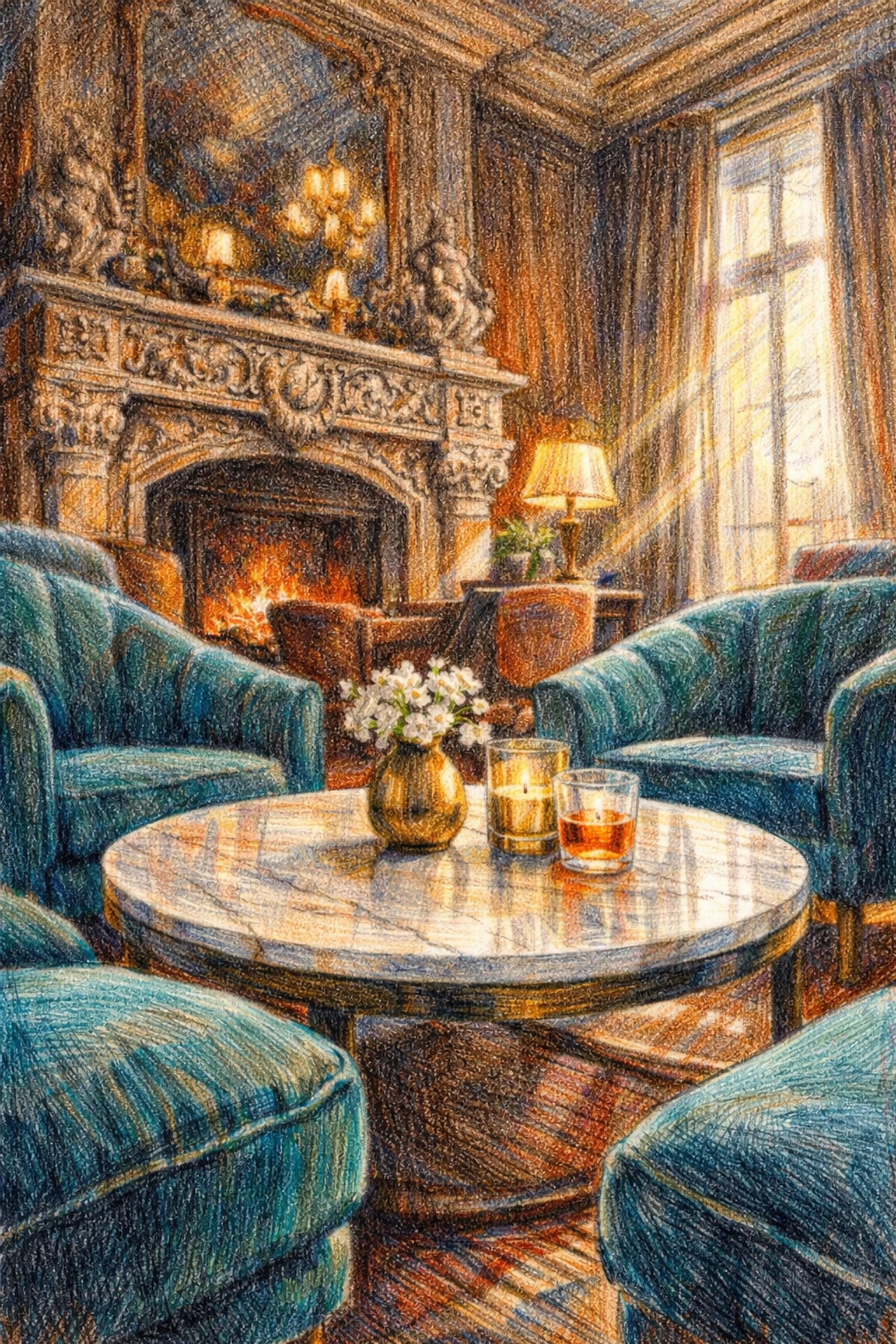
One of the reasons her work stands out in the crowded luxury hospitality design market is her commitment to the "total design." She doesn't just pick out some nice curtains and call it a day.
Meilichzon is involved in every single touchpoint of the guest journey. This includes:
- Custom Furniture: Almost everything you see in her hotels is custom-made. This ensures that the scale and style are perfect for the space.
- Graphics and Branding: She often designs the logos and typography for the hotels.
- Menus and Stationery: Ever noticed how the menu at a fancy hotel sometimes feels like an afterthought? Not here.
- Staff Uniforms: She makes sure the people working in the hotel look like they belong in the environment she created.
This level of detail is what separates a good hotel from a legendary one. When every element: from the pattern on the floor tiles to the font on the room key: is working together, it creates a seamless immersion that guests remember long after they check out.
Iconic Projects: A Tour of the CHZON Portfolio
To really understand her influence, you have to look at the work. Let’s break down a few of the projects that put her on the map.
Paris: Hotel Bachaumont and Grand Pigalle
Paris is Meilichzon’s home turf, and she has left an indelible mark on the city's hotel scene. Hotel Bachaumont is a masterclass in reviving a historic building. Located in a former clinic in the Sentier district, she brought it back to life with a nod to the building’s 1920s roots but with a decidedly modern twist.
Then there’s the Grand Pigalle Hotel. This was the first hotel from the Experimental Group (her frequent collaborators), and it set the tone for the modern boutique hotel movement. It’s moody, it’s stylish, and it features her signature use of bold patterns and rich textures. It turned a neighborhood that was once "dodgy" into a design destination.
London: Henrietta Hotel
The Henrietta Hotel in Covent Garden is probably where many design lovers first discovered her work. It’s playful, bold, and incredibly sophisticated.
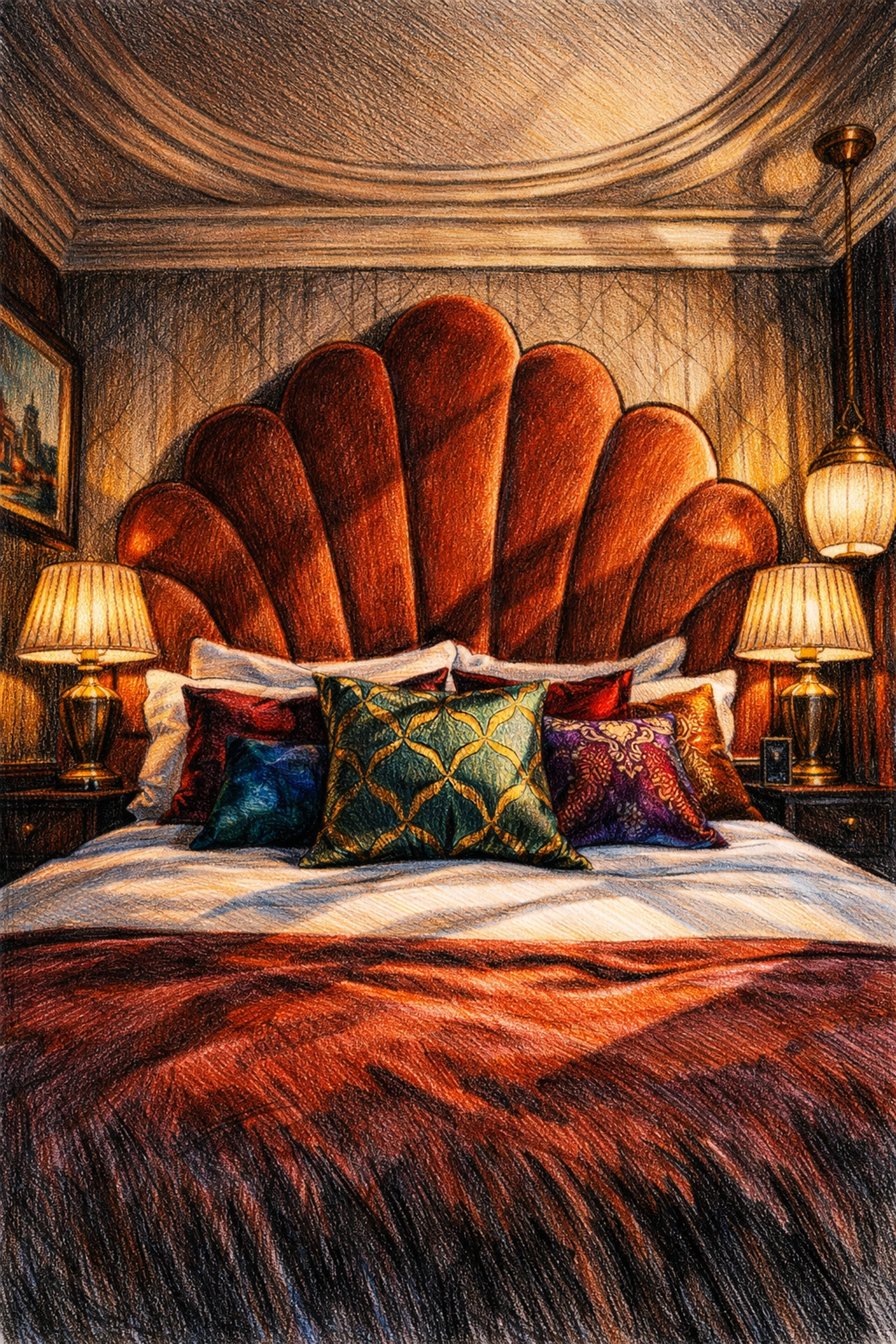
One of the standout features here is her use of color. She used eight custom paint colors throughout the property, mixing them with intricate patterns and architectural shapes like arches and oversized headboards. It’s a perfect example of how luxury hospitality design can be fun without losing its elegance. She managed to take two historic townhouses and turn them into a vibrant, cohesive space that feels fresh in a city full of stuffy traditional hotels.
Menorca: Menorca Experimental
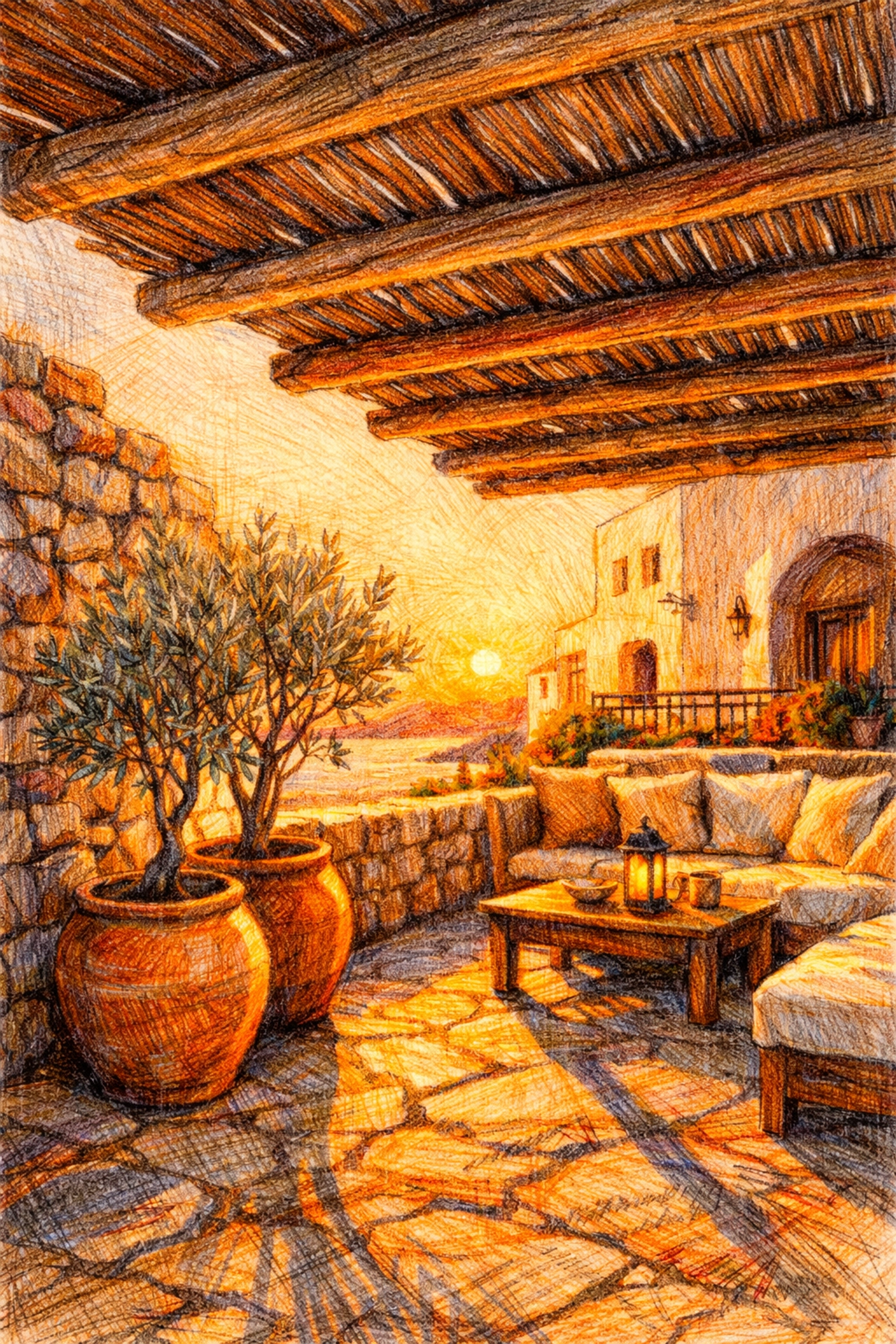
This is where we see her tackle sustainable hotel architecture and rural luxury. Menorca Experimental is a 19-room property designed to feel like an "imaginary artist’s summer residence."
Instead of importing expensive marbles or high-tech finishes, she leaned into the local surroundings. She used dry stone walls (a Menorcan staple), local woods, and recycled architectural elements. The result is a hotel that feels like it has been there forever, even though it’s cutting-edge in its design. It’s proof that sustainability and luxury can: and should: go hand in hand.
Leading the Way in Sustainable Hotel Architecture
Speaking of Menorca, we need to talk about how Meilichzon is influencing the shift toward sustainable hotel architecture. In the past, "luxury" usually meant "wasteful." Huge footprints, imported materials, and high energy consumption were the norms.
Meilichzon is part of a new wave of designers proving that the most luxurious thing you can do is respect the environment. Her approach to sustainability isn't just about solar panels (though those are great); it’s about:
- Local Sourcing: Reducing the carbon footprint of construction by using materials found nearby.
- Adaptive Reuse: Giving old buildings a second life instead of tearing them down and starting from scratch.
- Durability: Creating custom furniture and finishes that are built to last, rather than "fast furniture" that needs to be replaced every three years.
- Recycled Elements: Incorporating salvaged materials to add character and reduce waste.
By making sustainability look this good, she’s making it aspirational. Other hotel owners are looking at projects like Menorca Experimental and realizing they don’t have to choose between being eco-friendly and being "cool."
Why This Matters for Your Next Project
You might be thinking, "That’s great, Penny, but I don’t have a Parisian budget or a custom-furniture manufacturer on speed dial."
The thing is, the principles Meilichzon uses can be applied to any boutique hotel interior design project, regardless of the scale. Here are the big takeaways we share with our clients at My Hotel Design:
- Embrace the Weird: If your building has a strange alcove or an uneven ceiling, don't hide it. Use it as a focal point. Meilichzon turns "flaws" into "features."
- Tell a Story: Don't just pick a style because it's trending on Pinterest. Ask yourself: What is the story of this building? Who lived here? What is the neighborhood known for? Let that guide your choices.
- Invest in the Touchpoints: You might not be able to custom-design the staff uniforms, but you can choose a high-quality, unique paper for your menus or a locally crafted soap for the bathrooms.
- Don't Fear Pattern: A lot of people are scared of mixing patterns. Meilichzon shows us that when you keep a consistent color palette, you can mix textures and prints to create a space that feels rich and layered.
The Future of Hospitality Design
As we look toward the future of the industry, it's clear that the "Meilichzon effect" is here to stay. Guests are increasingly looking for hotels that offer a sense of place and a personal touch. The era of the "faceless" luxury hotel is ending.
Dorothée Meilichzon’s work reminds us that hospitality is about more than just a bed for the night. It’s about creating an atmosphere where people feel inspired, relaxed, and connected to their surroundings. Whether she’s designing a tiny cocktail bar in Paris or a sprawling resort in the Mediterranean, she stays true to that mission of "conviviality."
For those of us in the business of creating these spaces, she’s a constant reminder to stay curious, do our research, and never be afraid to be a little bit bold.
If you're looking to bring some of that "convivial" magic to your next project: whether it's a full-scale renovation or a quick refresh: keep these lessons in mind. Luxury hospitality design is changing, and it's people like Dorothée who are leading the way.
At My Hotel Design, we’re excited to see where she goes next. But more importantly, we’re excited to see how her influence inspires the next generation of boutique hotels to be more thoughtful, more sustainable, and a lot more fun.