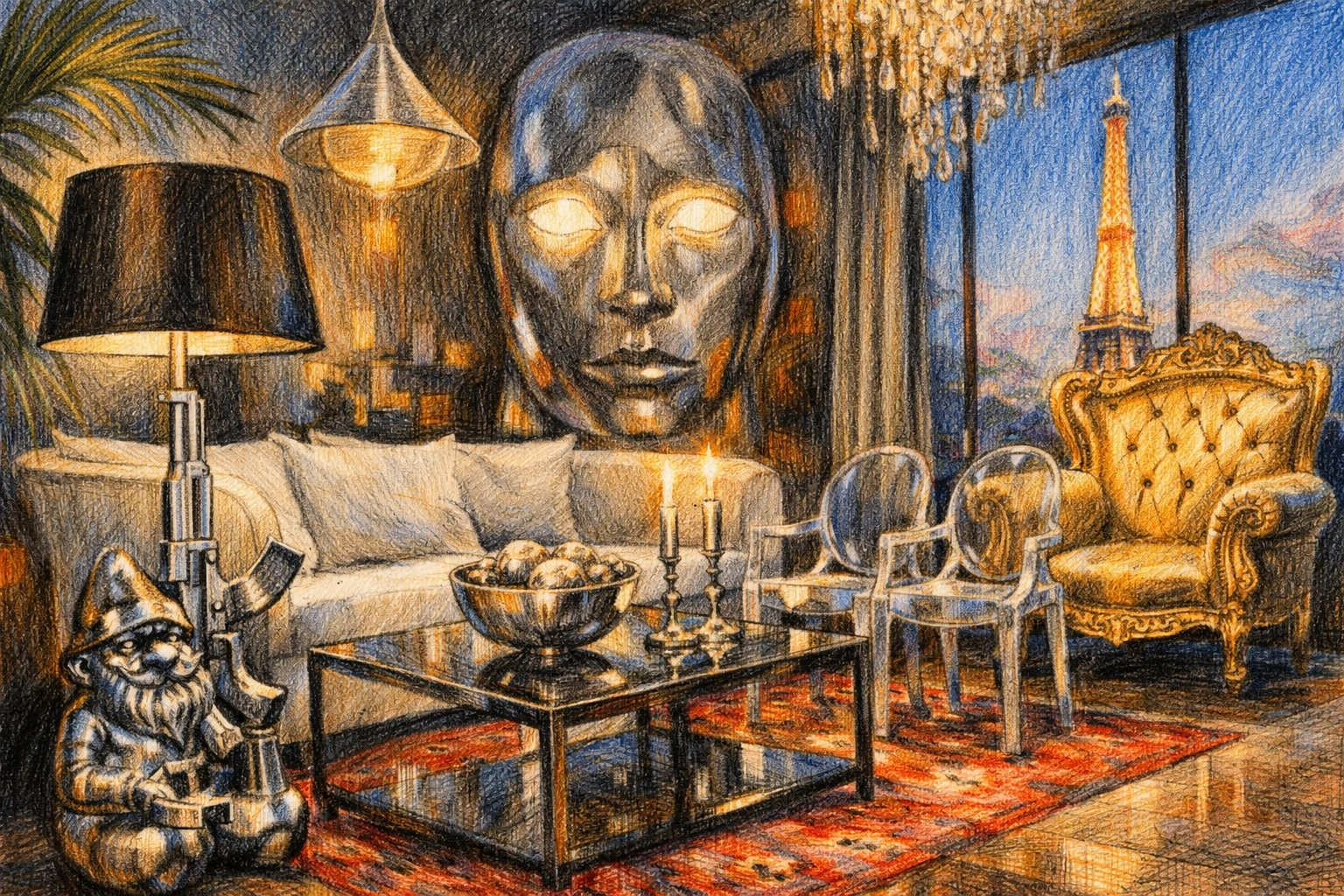
If you’ve ever walked into a hotel lobby and felt like you stepped into a surrealist painting or a high-end movie set, there’s a good chance Philippe Starck had something to do with it.
I’m Robert Rupp, and at My Hotel Design, we spend a lot of time looking at what makes a space "work." When it comes to the world of boutique hotel interior design, Starck isn’t just a name; he’s the guy who practically invented the category. Before he came along, hotels were mostly places to sleep. After Starck, they became places to be.
In this guide, we’re going deep into the philosophy, the projects, and the specific design moves that made Philippe Starck a legend. Whether you’re an owner looking to refresh your property or a designer looking for inspiration, here’s everything you need to master the Starck style.
The Philosophy: "Good" Over "Beautiful"
It sounds strange coming from a world-famous designer, but Starck often says he doesn’t care about beauty. He cares about "goodness."
His philosophy is built on something called Democratic Design. The idea is simple: provide the best possible experience to the most people using the minimum amount of materials. In the world of luxury hospitality design, this translates to a focus on how a room makes a guest feel, rather than just how expensive the furniture looks.
Starck believes that a hotel should be a "hub of energy." He focuses on function and atmosphere first. If a chair looks cool but is a pain to sit in, it’s a failure in his book. This approach is actually a precursor to modern sustainable hotel architecture. By using fewer materials and creating designs that don’t rely on passing trends, you create spaces that last longer and waste less.
The Signature Starck Aesthetic: The Art of the Mix
Starck is the master of "The Mix." He doesn’t stick to one era or one style. Instead, he layers disparate elements to create a sense of wonder and drama. Here’s how he does it:
1. Unified Style Mixing
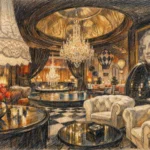
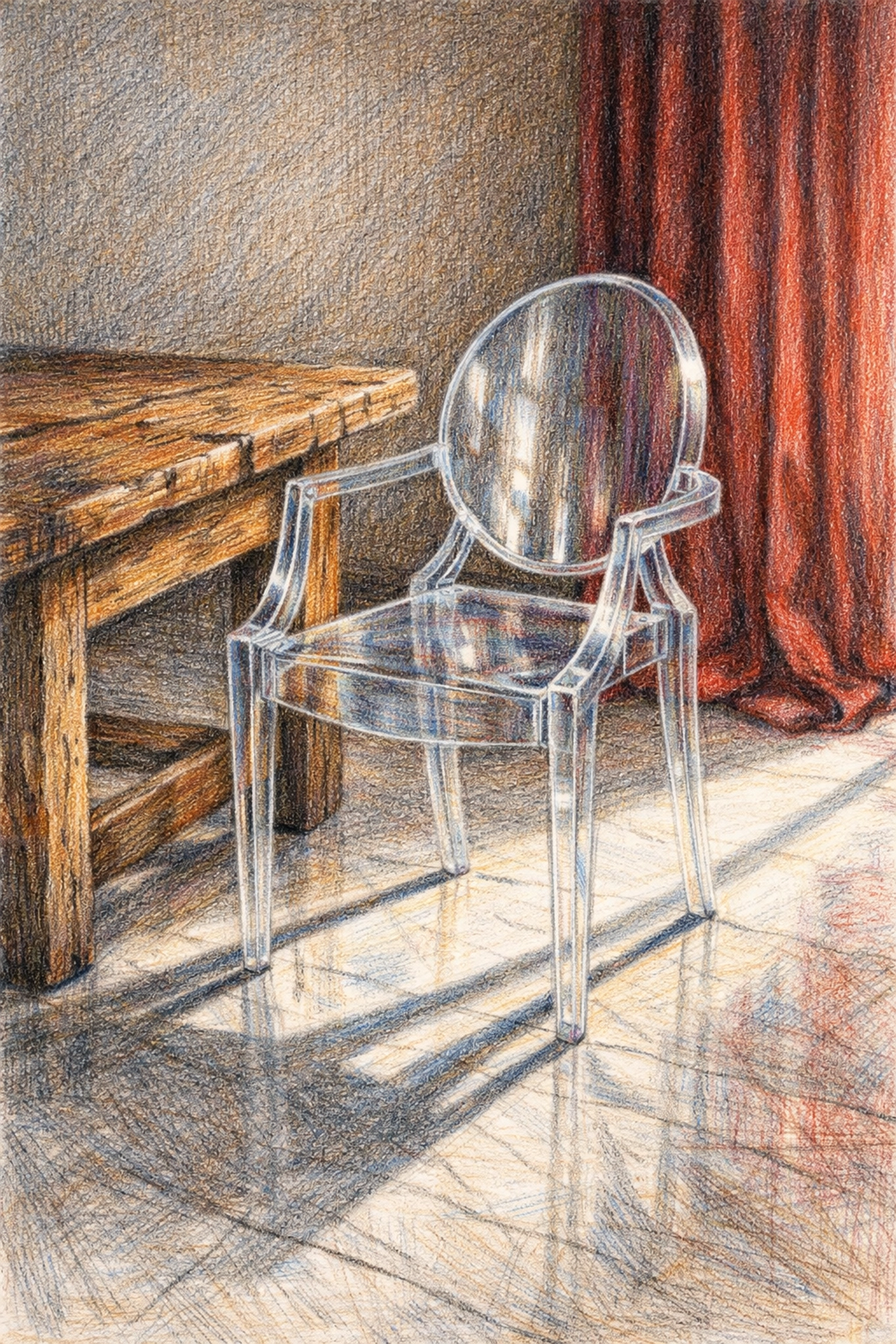
He might pair a rustic wooden table with a high-tech plastic chair, or put a massive crystal chandelier in a room with bare concrete walls. The secret is in the "connective tissue": usually lighting and accessories: that makes these opposites feel like they belong together.
2. Playing with Scale
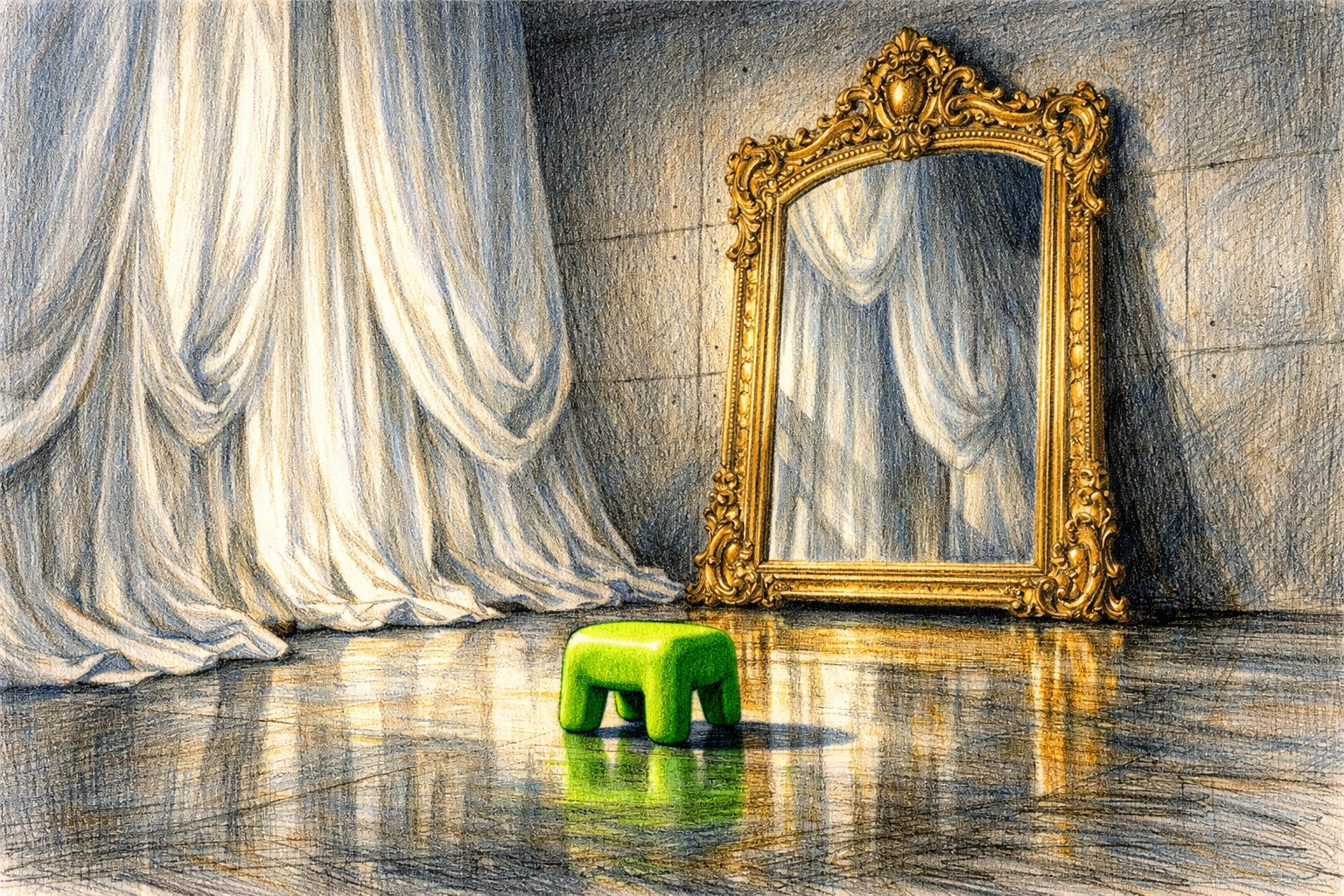
Starck loves to mess with your perspective. Think of 10-foot-tall oversized mirrors, tiny lamps on massive desks, or floor-to-ceiling white curtains that make a room feel infinite. This creates a sense of "Alice in Wonderland" surrealism that keeps guests engaged.
3. Materiality and Texture
He’s a fan of the "high-low" mix. You’ll see velvet, leather, and marble sitting right next to glass and industrial steel. This variety creates a tactile experience that feels rich without being stuffy.
Key Principles for Boutique Hotel Interior Design
If you want to bring a bit of Starck’s magic to your own project, you need to focus on these three pillars:
Creating Memorable Atmospheres
Starck doesn’t just design rooms; he designs stories. When he worked on Villa W in Saint-Tropez, he didn’t just want a "nice hotel." He wanted a "romantic hideaway." Every choice: from the earthy color palette to the way the windows frame the Mediterranean: was made to reinforce that feeling of calm and relaxation.
The "Lobby as Living Room"
One of Starck’s biggest contributions to luxury hospitality design was turning the hotel lobby into a social destination. Before him, lobbies were transactional spaces where you checked in and left. Starck turned them into "urban living rooms" where locals and guests could mingle. This changed the business model of boutique hotels forever, making the F&B (Food and Beverage) outlets just as important as the rooms.
Strategic Use of Lighting
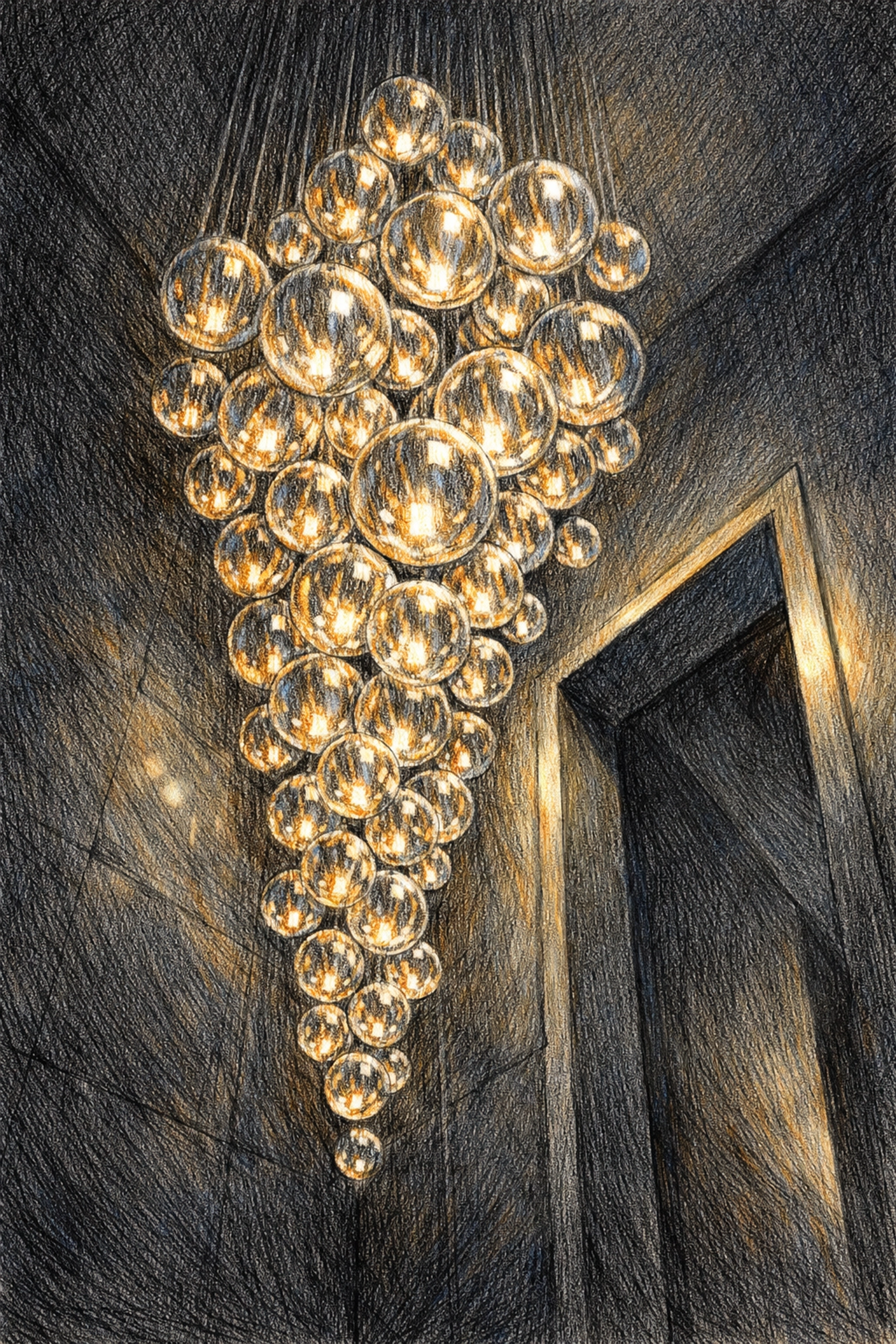
For Starck, lighting isn't just a utility; it's a sculptural element. He uses light to guide the eye and create "zones" within a large space. Whether it’s a row of glowing lanterns or a single, massive statement chandelier, the lighting is always the star of the show.
The Projects That Changed Everything
You can't talk about Philippe Starck without looking at the heavy hitters. These projects didn't just win awards; they defined what boutique hotel interior design looks like today.
The Royalton, New York (1988)
This was the spark. Working with Ian Schrager, Starck turned a fading New York hotel into a global phenomenon. He introduced the long, runway-style lobby and the idea of "social spaces" that felt like a private club. It was bold, dark, and incredibly chic.
The Delano, Miami (1995)
If the Royalton was dark and moody, the Delano was bright and ethereal. Starck used massive white billowing curtains and simple, elegant furniture to create a "sanctuary" vibe. It defined the South Beach aesthetic for decades. It showed that luxury could be simple, clean, and airy.
Sanderson and St. Martin’s Lane, London (1999/2000)
These London projects took the surrealism to the next level. At the Sanderson, he removed most of the interior walls, using glass and curtains to define spaces. It was a masterclass in spatial design, making the hotel feel like a fluid, living thing.
Starck and Sustainable Hotel Architecture
In recent years, the conversation has shifted toward the environment. You might think a "maximalist" like Starck wouldn't fit in the world of sustainable hotel architecture, but his core principles are surprisingly eco-friendly.
- Longevity: Starck designs don't "go out of style" in three years. By creating iconic, timeless spaces, he reduces the need for frequent renovations that send tons of construction waste to landfills.
- Material Efficiency: His "Democratic Design" philosophy is all about doing more with less. Using recycled plastics (like his famous Ghost Chair) or locally sourced stone and wood is a staple of his later work.
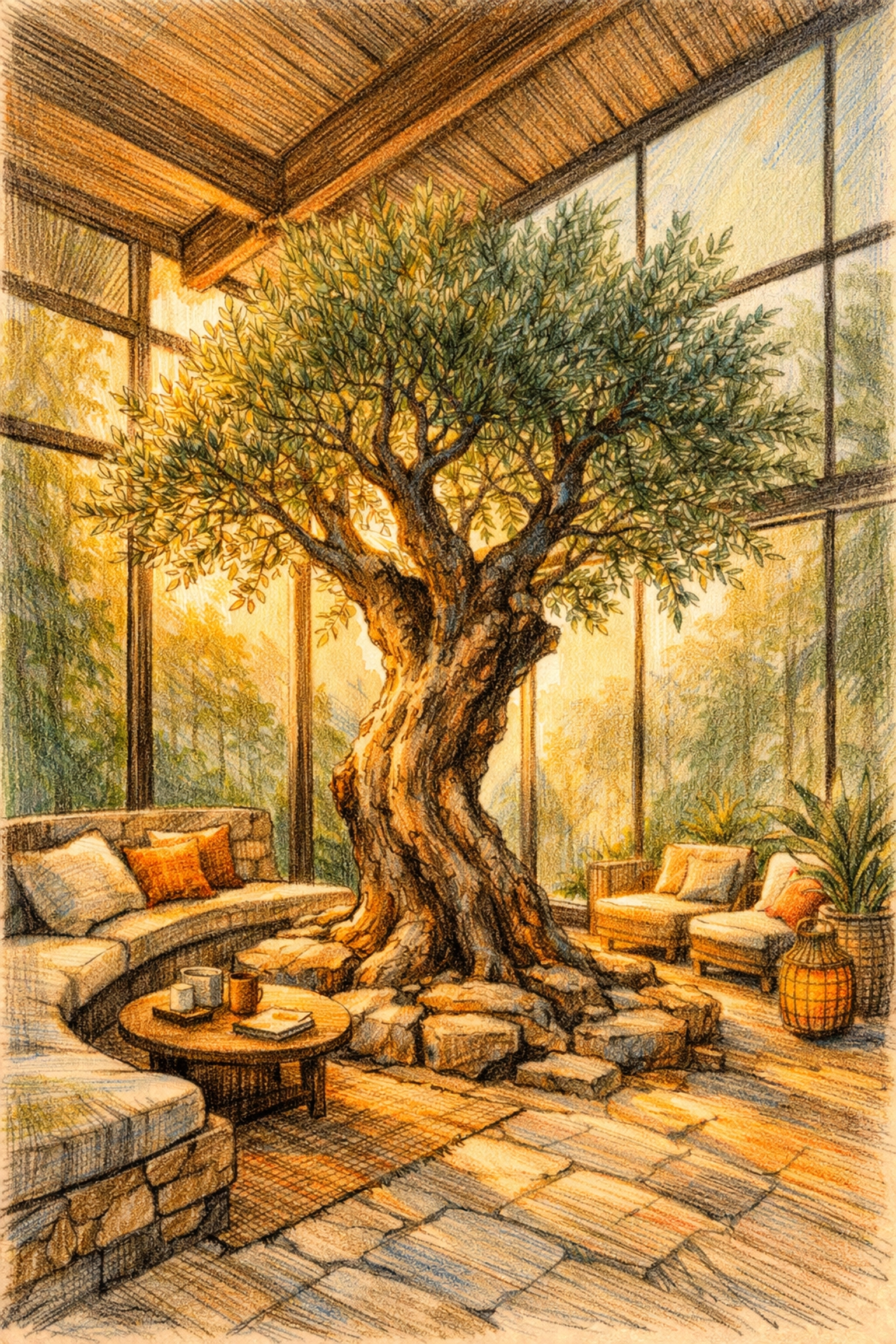
- Connection to Nature: Many of his recent boutique projects focus on "opening up" the architecture to allow for natural light and ventilation, reducing the energy load of the building.
How to Implement the Starck Style (The "Cheat Sheet")
You don't need a Starck-sized budget to use his strategies. Here’s how to apply these lessons to your own luxury hospitality design project:
- Don't be afraid of the "weird": If you find a vintage piece of furniture that doesn't "match" your modern desk, try putting them together anyway. Often, the contrast is what creates the "wow" factor.
- Focus on the entry: The first 30 seconds a guest spends in your hotel are the most important. Use scale (big doors, high ceilings, or large art) to make them feel like they’ve arrived somewhere special.
- Invest in lighting: If you have to choose between expensive wallpaper and incredible lighting, choose the lighting every time. It’s the most cost-effective way to change the "mood" of a room.
- Use neutral bases with bold accents: Keep your floors and walls relatively neutral (think earth tones, whites, or greys) and use furniture and art to provide the pops of color. This makes it easier to update the look later without a full demo.
Final Thoughts
Philippe Starck changed the hospitality industry by proving that people don't just want a room: they want an experience. He taught us that boutique hotel interior design is about theater, emotion, and human connection.
By focusing on "good" design that serves the guest's needs while adding a touch of the unexpected, you can create a hotel that people don't just stay at, but remember forever.
At My Hotel Design, we’re always looking at how these legends influence the modern landscape. Starck’s blend of luxury, functionality, and a hint of madness is still the gold standard. So, next time you’re stuck on a design choice, ask yourself: "Is this just pretty, or is it good?"
Keep it simple, keep it bold, and don't be afraid to break a few rules.
( Robert Rupp
Founder, My Hotel Design)