If you’ve spent any time in the world of high-end travel lately, you’ve probably felt a shift. There was a time when luxury meant gold faucets and heavy velvet curtains: a sort of "more is more" approach that felt impressive but often a bit cold.
Then came the boutique movement, which traded the gold for "shabby chic" or over-the-top themes. But today, the most influential voices in the industry are moving toward something deeper. At the forefront of this movement is Tara Bernerd.
As the founder of Tara Bernerd & Partners, she hasn’t just designed a few pretty rooms; she has fundamentally reframed what boutique hotel interior design actually means. She’s moved the conversation away from "decorating" and toward "interior architecture."
In this deep dive, we’re going to look at why Tara Bernerd is the designer everyone is talking about, her signature style, and how her work is setting a new standard for luxury hospitality design.
It’s All About the Bones: Interior Architecture First
One of the biggest mistakes people make when thinking about hotel design is focusing on the finishes first. They think about the wallpaper, the light fixtures, and the rug. Tara Bernerd does the exact opposite.
Her philosophy starts with the "bones" of the building. Before a single fabric swatch is chosen, Bernerd and her team are looking at the floor plans, the flow of the space, and the way a guest moves from the lobby to the elevator. This focus on interior architecture is what sets her apart.
She believes that if the space doesn't function perfectly, the most expensive marble in the world won't save it. By optimizing layouts first, she ensures that every square foot of a property provides value to both the guest and the owner. This architectural approach creates a sense of "intelligent space" that feels natural and effortless.

Creating a Unique Design DNA
In the world of big hotel brands, there’s always a risk of "brand fatigue." You wake up in a room and can’t tell if you’re in Paris, Tokyo, or Chicago because the design is exactly the same.
Bernerd fights against this by creating a specific "Design DNA" for every single project. She doesn't have a one-size-fits-all look. Instead, she looks at the location, the history of the building, and the local culture to create something that feels authentic to its surroundings.
When you walk into a Bernerd-designed hotel, you feel a "sense of place." It’s not just about putting a local map on the wall; it’s about using materials and layouts that reflect the neighborhood. This authenticity is the heartbeat of modern boutique hotel interior design. Guests today don’t just want a bed; they want an experience that feels connected to where they are.
The Signature Style: Masculine Elegance and Industrial Edges
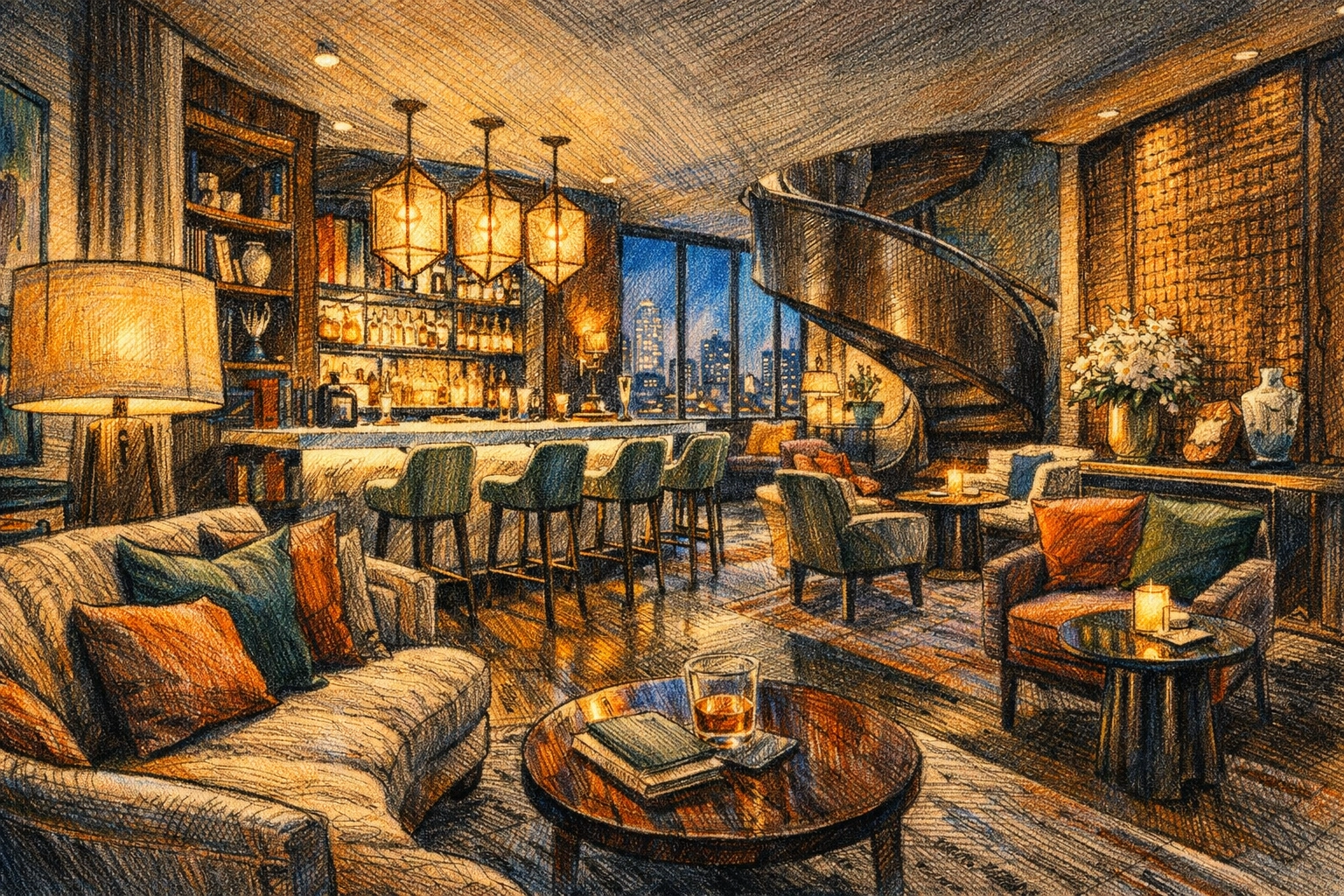
If you had to put a label on her signature look, it would be "approachable luxury with an industrial edge."
Bernerd is famous for what she calls "masculine elegance." This doesn't mean the rooms are only for men; it means they have a certain strength and timelessness. You’ll often see a mix of:
- Raw, industrial materials like exposed brick or steel.
- Warm, rich textures like cognac leather and textured wools.
- Clean lines and bold geometric shapes.
- Sophisticated color palettes that lean toward greys, blues, and earth tones.
This combination makes a space feel high-end but also durable and lived-in. It’s a far cry from the "don't touch anything" vibe of old-school luxury. It’s designed to be used, enjoyed, and felt.

The "Home-Away-From-Home" Philosophy
We hear the phrase "home-away-from-home" a lot in the hospitality industry, but Bernerd actually delivers on it. Her background in property development and creative work gives her a unique perspective on how people actually live in spaces.
Her designs often feel more like a very wealthy friend’s stylish apartment than a commercial hotel. This is achieved through careful layering. She uses art, books, and unique decorative objects to give a room personality.
In a world where many hotels feel like they were outfitted by a single catalog, Bernerd’s projects feel curated over time. This level of detail is what makes a guest want to stay in their room and order room service rather than just using the hotel as a place to sleep.
Major Projects: From New York to London
To truly understand her impact, you have to look at the work. Her portfolio is a "who’s who" of the world’s top hospitality brands, including Four Seasons, Rosewood, Belmond, and St. Regis.
Four Seasons Downtown, New York
Located in the heart of Lower Manhattan, this project is a masterclass in urban luxury. Bernerd managed to capture the grit and energy of New York City while maintaining the high standards of the Four Seasons brand. The use of dark woods, brushed bronze, and limestone creates a space that feels incredibly sophisticated but also grounded in its downtown location.
The Hari, London
The Hari is perhaps the best example of her "Design DNA" philosophy. Located in Belgravia, it’s a boutique hotel that feels like a private club. It’s cozy, eccentric, and impeccably styled. It helped put Bernerd on the map as the go-to designer for owners who want to break away from the corporate look.
Zentis, Osaka
Her work on Zentis Osaka showed the world she could adapt her style to an Eastern context. By blending Japanese minimalism with her signature industrial touch, she created a space that felt entirely new for the region.

Sustainable Hotel Architecture and Timelessness
While she might not be the first person you think of when you hear "green design," her approach is actually a key part of sustainable hotel architecture.
How? By creating designs that last.
The most unsustainable thing a hotel can do is undergo a full renovation every five years because the design has gone out of style. Bernerd’s focus on "timeless elegance" and high-quality materials means her interiors age gracefully. They don’t rely on fleeting trends that will look dated in a few seasons.
Furthermore, her focus on interior architecture means the buildings function more efficiently. When a space is designed correctly from the start, there is less waste in terms of energy and resources. Her commitment to authenticity also often involves sourcing local materials and working with local artisans, reducing the carbon footprint of the construction process.

Why Her Influence Matters Today
The hospitality industry is at a crossroads. Travelers are more design-savvy than ever, and they have more choices than ever. To stand out, a hotel needs to offer more than just a clean room; it needs to offer an identity.
Tara Bernerd has proven that you can have a "signature style" while still making every project feel unique. She has shown that "luxury" doesn't have to be stuffy, and that "industrial" doesn't have to be cold.
For those of us at My Hotel Design, her work is a constant reminder that great design starts with a deep understanding of the people who will use the space. Whether it's a 200-room luxury tower or a 20-room boutique hideaway, the principles remain the same:
- Prioritize the architecture and layout.
- Create a unique DNA for the location.
- Balance luxury with approachability.
- Design for the long term.
Conclusion
Tara Bernerd is more than just an interior designer; she’s a storyteller who uses space, light, and texture to tell the tale of a building and its city. By focusing on the "interior architecture" and the human experience, she has changed the way we think about boutique hotel interior design.
As the industry continues to evolve toward more personalized and authentic experiences, Bernerd’s influence will only grow. She has set a new benchmark for luxury hospitality design: one where the guest feels truly at home, even when they are halfway across the world.
If you’re planning a new project or looking to refresh an existing property, looking to the "Bernerd Method" is a great place to start. It’s about more than just picking the right furniture; it’s about building a foundation that will stand the test of time.